In This Article
You know that feeling, right? It's December, the air gets chilly, and suddenly your brain switches to holiday mode. For me, a huge part of that switch is the smell of baking cookies filling the house. But it's not just any cookie—it's the specific, nostalgic scent of the classics. So, let's talk about it. What are the most famous Christmas cookies that define the season for so many of us?
It's more than just a baking list. These cookies are edible history, little pieces of cultural tradition passed down through generations. Some are fancy and delicate, others are hearty and spiced. Some require patience and special tools, while others are forgiving enough for kids to help with (and make a glorious mess). I've burned my share of gingerbread men and had springerle dough that refused to cooperate, so I'll share what I've learned the hard way too.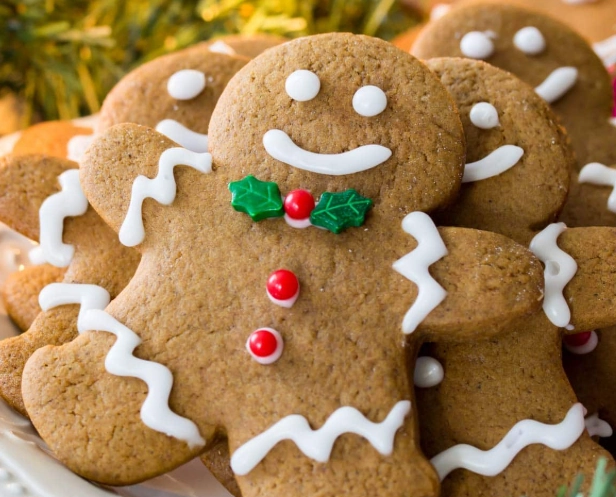
This isn't just a ranking. It's a deep dive into the stories, the flavors, and the "why" behind each treat. We'll look at the top contenders from Europe and North America, figure out what makes them special, and I'll point you to some fantastic, reliable recipes so you can bring that famous Christmas cookie magic into your own kitchen.
What Makes a Christmas Cookie "Famous" Anyway?
Good question. It's not just about taste (though that's obviously huge). When we ask "What are the most famous Christmas cookies?", we're usually thinking about a few key things. First, there's tradition and longevity. These cookies have been around for decades, sometimes centuries, often tied to specific holidays or winter festivals. They have a story.
Then there's cultural reach. A famous Christmas cookie often transcends its country of origin. Think of German Lebkuchen—you can find variations of it all over the world now. Finally, there's the nostalgia factor. The strongest contenders are the ones that trigger powerful memories of family, childhood, and the coziness of the season.
I remember my grandmother making sand tarts (a type of delicate sugar cookie) that were so thin you could almost see through them. That memory, more than anything, cements its status for me. Your memory might be of a different cookie entirely. That's the beautiful part.
The Top 10 Most Famous Christmas Cookies: A Global Tour
Alright, let's get to the main event. Based on tradition, cultural impact, and sheer popularity, here are the heavy hitters. I've put them in a table to give you a quick snapshot, but we'll dive into the delicious details of each one right after.
| Cookie Name | Origin | Key Characteristics | Why It's Famous |
|---|---|---|---|
| Gingerbread (Men & Houses) | Europe (widespread) | Spiced molasses dough, often cut into shapes and decorated. | Iconic shape, central to storytelling and family decorating activities. |
| Springerle | Germany (Swabia) | Anise-flavored, hard dough pressed with carved molds for ornate images. | Incredible edible art with centuries of history. The designs are stunning. |
| Lebkuchen | Germany (Nuremberg) | Soft, cake-like spice cookie with nuts, citron, and often an Oblaten wafer base. | The quintessential German Christmas market cookie, protected by law. |
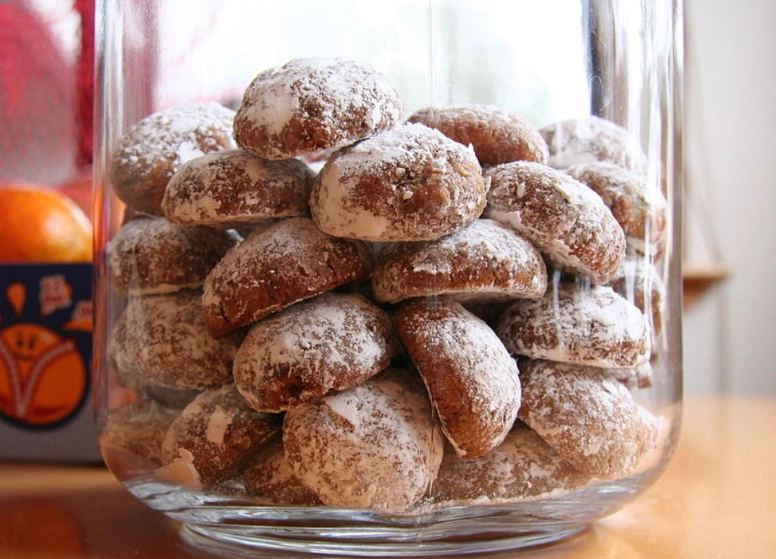
| Pfeffernüsse | Germany/Netherlands | Small, round, hard spice cookies coated in powdered sugar. | Distinctive "pepper" spice blend, ages well, traditional holiday staple. |
| Speculaas (Speculoos) | Belgium/Netherlands | Crisp, caramelized spice biscuit stamped with windmills or St. Nicholas. | Deeply associated with Sinterklaas (Dec 5th), unique speculaas spice mix. |
| Pizzelle | Italy | Thin, crisp waffle cookies made in a patterned iron, often anise or vanilla. | One of the oldest known cookies, beautiful snowflake-like patterns. |
| Kourabiedes | Greece | Buttery shortbread-like almond cookie, shaped into crescents or balls, drowned in powdered sugar. | Essential for Greek Christmas celebrations, symbolizes purity (the sugar snow). |
| Pepparkakor | Sweden | Thin, very crisp ginger snap, often cut into heart or star shapes. | Defines Swedish Jul, eaten with glögg (mulled wine), used in decorations. |
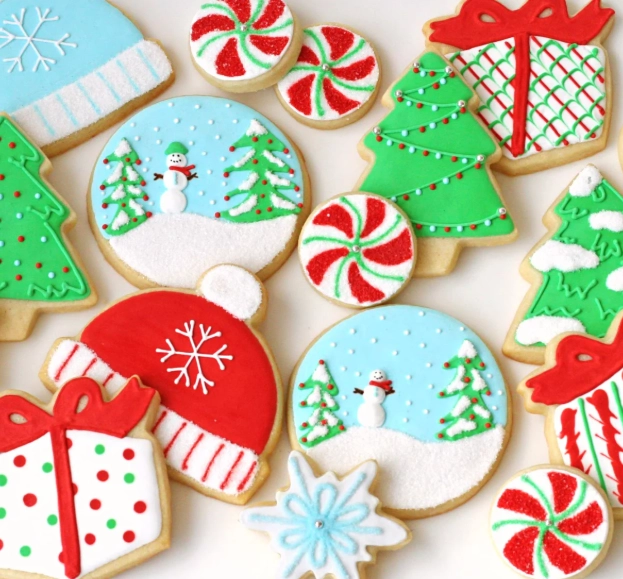
| Christmas Sugar Cookies | North America | Versatile rolled dough, cut into festive shapes and decorated with royal icing. | The ultimate blank canvas for creativity, a family decorating tradition. |
| Russian Tea Cakes / Mexican Wedding Cookies | Multi-origin | Buttery dough with finely chopped nuts, rolled into balls and coated in powdered sugar. | Universal appeal, melt-in-your-mouth texture, appears in many cultures under different names. |
See what I mean? The variety is incredible. From the sturdy, architectural gingerbread house to the delicate, lacy pizzelle, there's a famous Christmas cookie for every mood and skill level.
My personal favorite to make? Springerle. My favorite to eat? A really good, soft Lebkuchen with a dark chocolate glaze. They're completely different experiences, and that's the point of this list.
1. Gingerbread: The Storybook Star
Let's start with the undeniable king of Christmas imagery. When many people, especially kids, think about Christmas cookies, they picture a gingerbread man. The spiced dough, made with molasses, ginger, cinnamon, and cloves, has a warm, comforting flavor that just smells like the holidays. Its fame skyrocketed with the Grimm brothers' fairy tale, and later, the story of the gingerbread man who ran away.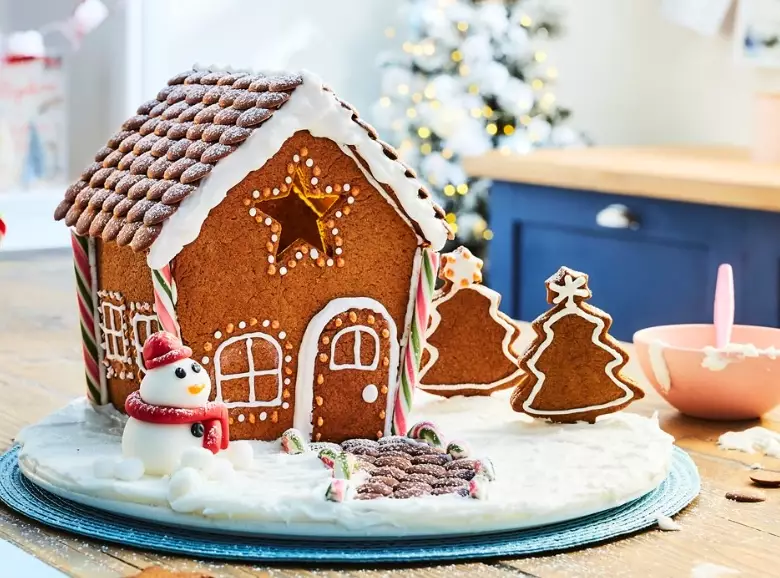
But here's the thing about homemade gingerbread for houses—it needs to be sturdy. I've had entire walls collapse because my dough was too thin or not baked long enough. It's a project. For eating, a softer, chewier gingerbread cookie is usually preferred. The Royal Ontario Museum has a cool online article about the long and fascinating history of gingerbread, tracing it back to medieval times. It's worth a read if you're into food history.
Is it overdone? Maybe a little.
But its role as a centerpiece for family decorating contests and its sheer recognizability cement its top spot. You can't have a list of the most famous Christmas cookies without it.
2. Springerle: The Edible Engraving
If gingerbread is the playful storybook cookie, springerle is the sophisticated museum piece. Originating from the Swabia region of Germany, these are not cookies you just whip up. They involve a specific rolling pin or carved wooden molds that press intricate pictures into the dough—biblical scenes, animals, florals. The dough is egg-heavy and contains baker's ammonia (hartshorn) as a leavener, which gives them their unique light texture and helps the design stay sharp.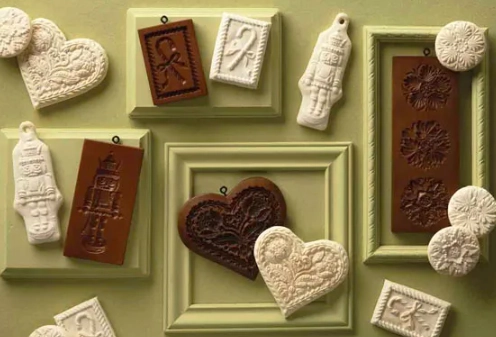
Pro Tip: The key to perfect springerle is letting the imprinted dough dry, uncovered, for 12-24 hours before baking. This sets the design so it doesn't puff away. And anise seed on the baking sheet is traditional—it gives the bottom a lovely, subtle licorice flavor.
They are hard when first baked but soften over a few weeks in a tin, becoming tender and perfect for dipping in coffee. Their fame comes from their breathtaking beauty and the skill required. They're a direct link to past centuries when such molds were family heirlooms. The Rauner Special Collections Library at Dartmouth has information on historical springerle molds, showing how deep this tradition runs.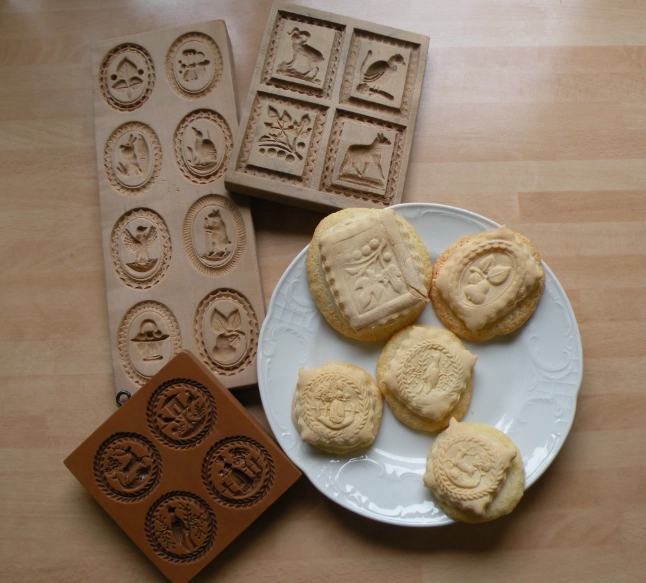
3. Lebkuchen: The Heart of the German Christmas Market
Walk through any German Christkindlesmarkt, and the smell of Lebkuchen is everywhere. These are not crunchy cookies; they're soft, moist, and cake-like, packed with honey, spices, nuts (usually almonds and hazelnuts), and candied citrus peel. The best ones, like the protected Nürnberger Elisenlebkuchen, contain at least 25% nuts and little to no flour.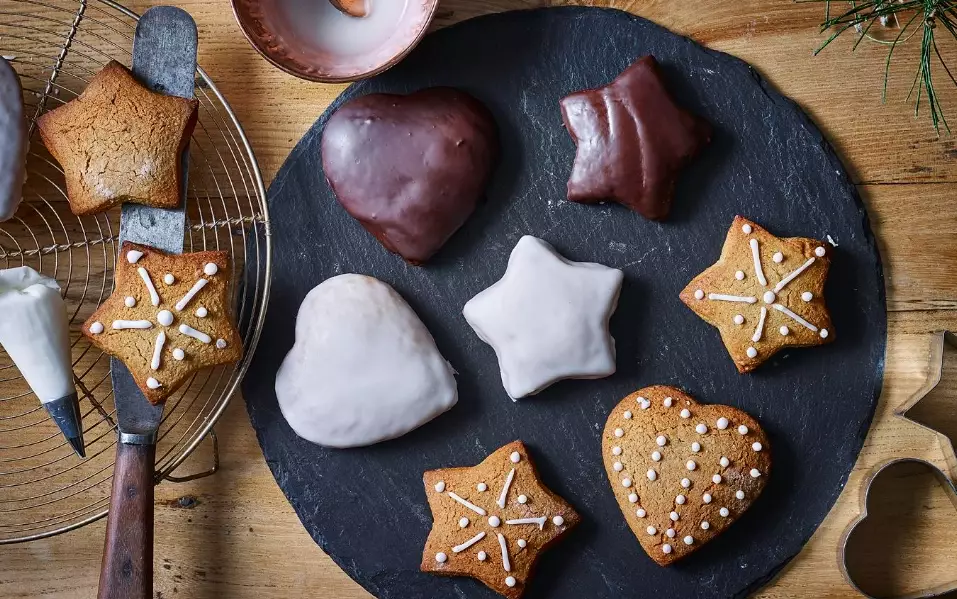
They're often baked on a thin Oblaten (edible wafer) to prevent sticking and are glazed with sugar or dark chocolate. The complexity of their flavor—spicy, sweet, nutty, fruity—is unmatched. They're famous because they are the soul of a German Christmas. You can buy beautifully decorated ones as gifts, and they keep for ages, making them a practical treat for the whole season.
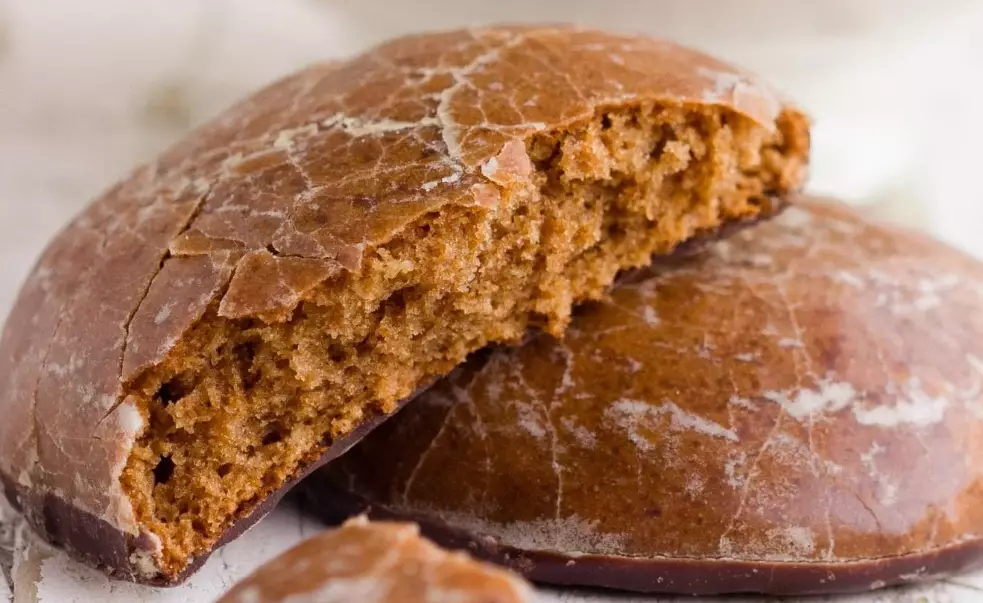
4. Pfeffernüsse: The Spicy Little Powerhouse
These are the small, dense, round cookies that pack a punch. "Pfeffer" means pepper, and while they don't always contain black pepper, the spice blend (Pfeffernüssegewürz) is warm and potent—usually cinnamon, cloves, anise, cardamom, and sometimes white pepper or ginger. The dough is sticky, rolled into balls, baked until firm, and then rolled in powdered sugar while still warm.
Their fame comes from their long shelf life and intense flavor. They're meant to be stored for a few weeks in a tin, where they soften and the flavors meld perfectly. They're the perfect dunking cookie for a strong cup of coffee or glühwein. Honestly, the store-bought versions are often too hard and bland. A homemade batch, left to mature, is a revelation.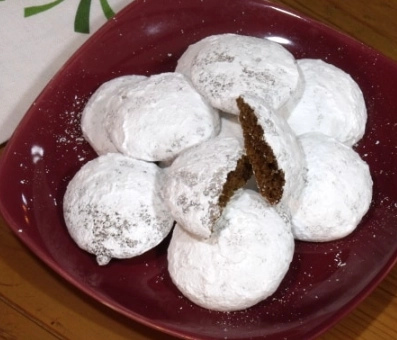
5. Speculaas: The Cookie of Sinterklaas
In Belgium and the Netherlands, Christmas season starts with Sinterklaasavond on December 5th, and speculaas are central to the celebration. They are a crisp, brittle biscuit with a deep caramelized flavor, thanks to brown sugar and a unique speculaaskruiden spice mix that always includes cinnamon, cloves, nutmeg, ginger, cardamom, and white pepper.
They are pressed into beautiful wooden molds depicting St. Nicholas, windmills, ships, or other traditional scenes. The commercially available windmill-shaped "Speculoos" cookies are a descendant. Their fame is cultural and specific—they signal the start of the holiday. The intricate molds make them collectible art as much as food. The BBC Good Food recipe for speculaas is a great starting point if you want to try them without special molds (you can just roll and slice).
Answering Your Christmas Cookie Questions
You might be looking at this list and thinking of other cookies, or having practical questions. Let's tackle some of the most common ones that pop up when people search for famous Christmas cookies.
I didn't own a pizzelle iron for years and felt like I was missing out. Then I found a used one at a garage sale. Game changer. The point is, you can build your holiday baking toolkit slowly.
Bringing It All Home: Tips for Your Holiday Baking
So you want to try making some of these famous Christmas cookies? Here's the real-talk advice from my own flour-covered kitchen.
Read the recipe all the way through first. I can't stress this enough. Does your Lebkuchen dough need to chill overnight? Do your springerle need to dry for a day? Plan your baking like a project manager.
Invest in fresh spices. This is the single biggest upgrade for spice cookies like pfeffernüsse, speculaas, and gingerbread. That jar of ground cinnamon that's been in your cabinet for three years? It's lost its punch. Buy small amounts of fresh spices in the fall. The difference in aroma and flavor is night and day.
Embrace the make-ahead. Many of these famous Christmas cookies, especially the spiced ones, taste better after a week or two in a tin. They soften and the flavors marry. Baking in late November is a smart strategy, not cheating. It spreads out the holiday workload and makes the cookies taste more authentic.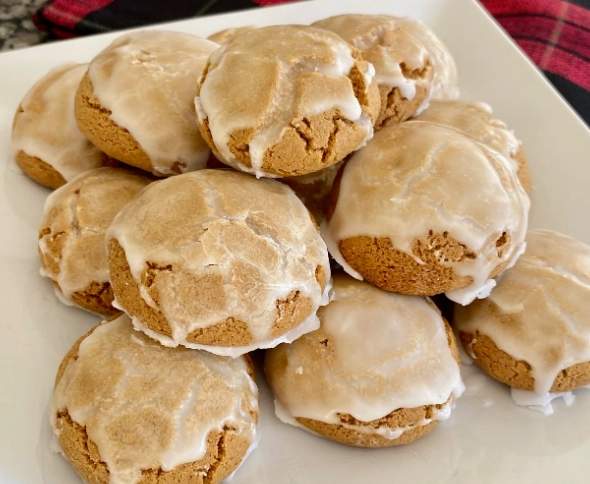
Don't be afraid to fail. My first batch of springerle looked like bloated ghosts—the designs completely vanished. My first gingerbread house was a structural disaster. It happens. The second batch is always better. The act of baking them, even imperfectly, connects you to the tradition. That's what matters.
When you step back and look at them all together on a platter—the ornate springerle next to the humble pfeffernüsse, the chocolate-dipped lebkuchen beside the snowy kourabiedes—you realize that answering "What are the most famous Christmas cookies?" is really about sharing stories, history, and warmth. It's about creating that smell in your kitchen that tells everyone, including you, that the holidays are here. Pick one that speaks to you, find a trusted recipe (sites like King Arthur Baking are fantastic for reliable, tested recipes), and get baking. Your own tradition starts now.
Leave a Comment