Quick Guide
Let's be honest. We've all been there. You follow a recipe to the letter, you mix, you pour, you bake. The kitchen smells amazing. But when you slice into that loaf... disappointment. It's dry. It's crumbly. It tastes fine, but it's not that dreamy, melt-in-your-mouth, coffee-shop-quality banana bread you were hoping for.
So you go back to Google and type it in: what is the secret to moist banana bread?
You'll find a million answers. More banana! More butter! Sour cream! And while those things can help, they're often just pieces of the puzzle. After baking more loaves than I can count (some triumphs, many failures), I've realized the secret isn't one single ingredient. It's a mindset. It's understanding the why behind the what. It's a combination of science, ingredient quality, and a few counterintuitive techniques that most recipes gloss over.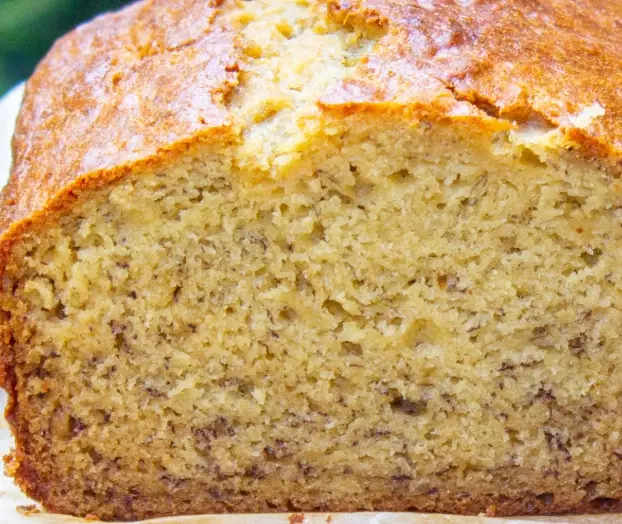
Forget Everything You Think You Know: The Moisture Mindset
Most home bakers approach moisture as an additive problem. The bread is dry? Add more wet stuff. But baking is a balancing act of chemistry. Add too much of one thing, and you throw off the structure, leading to a gummy, sunken mess. The true secret to moist banana bread lies in retention and balance.
You need to lock the existing moisture in and create an environment where it can't escape easily during baking. You also need the right structural components to hold that moisture without collapsing. It's like building a sponge that's both strong and juicy.
Let's break down the pillars. If you want to know what is the secret to moist banana bread, you have to master these four areas.
Pillar 1: The Bananas - Your Moisture Foundation
This is the biggest make-or-break factor, and most people get it wrong. Using yellow, just-ripe bananas is the most common mistake. They're sweet, but they're starchy and relatively dry.
The gold standard? Bananas that are so ripe they're almost embarrassing. We're talking completely black peels, soft to the point of being liquid inside. This isn't just about sweetness; it's about water content and starch conversion. As bananas ripen, their starches turn into sugars, and they actually become more hydrated. A black banana can have up to 25% more moisture than a yellow one. They also mash into a smoother, more liquid puree that distributes moisture evenly.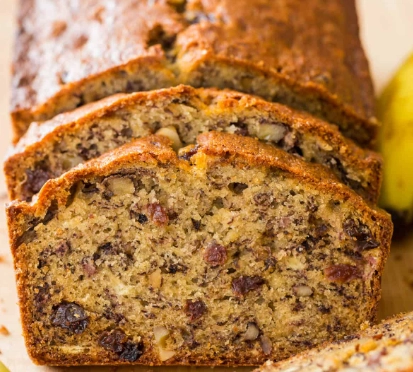
How many? For a standard loaf, I swear by 3 to 4 large, blackened bananas (about 1.5 cups of mashed pulp). This provides the liquid base and natural sweetness to reduce dry sugar.
And mash them well. No chunks. You want a near-liquid puree. Lumps create uneven moisture pockets.
Pillar 2: The Fat & Dairy - The Moisture Sealants
Fat coats flour proteins, preventing them from forming too much gluten (which leads to toughness). It also carries flavor and creates a rich, tender crumb. But not all fats are created equal.
Butter vs. Oil: This is a holy war. Butter gives fantastic flavor but can solidify when cool, sometimes leading to a slightly denser crumb. Oil remains liquid at room temperature, often yielding a more consistently moist texture. My personal, hard-won opinion? Use both. I use 1/2 cup of melted, cooled unsalted butter and 1/4 cup of a neutral oil like avocado or grapeseed. The butter for flavor, the oil for guaranteed softness. It's a game-changer.
The Dairy Boost: This is where many secrets live. Sour cream, yogurt, or buttermilk aren't just tangy additions. Their acidity tenderizes the gluten, and their fat and water content add moisture. Buttermilk is my secret weapon. Its lactic acid reacts with baking soda, creating a better rise and a finer, more tender crumb that holds moisture beautifully. A 1/2 cup of full-fat sour cream or Greek yogurt works miracles too.
Pillar 3: The Sugar & Eggs - The Humectants and Binders
Sugar is a humectant—it attracts and holds onto water molecules. Using a mix of sugars can improve moisture retention. I blend brown sugar (which contains molasses, itself a great humectant) with regular white sugar. The molasses in brown sugar keeps the bread softer for longer.
Eggs are your structure. They provide protein that sets around the air and moisture bubbles. But over-beating eggs incorporates too much air, which can lead to large tunnels and a drier texture. Beat your eggs just until they're uniform and slightly frothy, then stop. You're making bread, not a soufflé.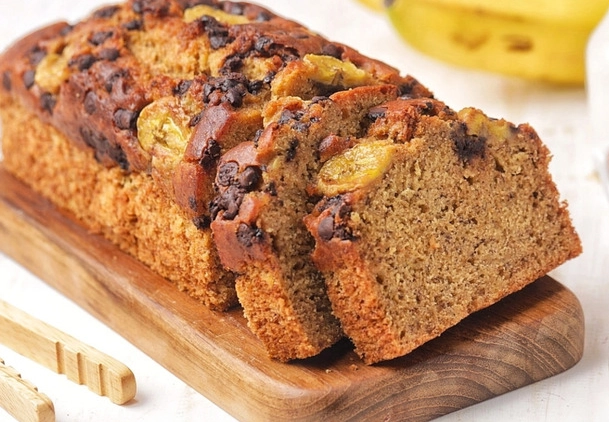
Pillar 4: The Flour & Leavening - The Structural Framework
This is the most overlooked part. Too much flour is the #1 cause of dry baked goods. You must measure flour correctly. Spoon it into your measuring cup and level it off. Never scoop directly from the bag—you can pack in 20% more flour without realizing it. Even better, use a kitchen scale. 120-125 grams per cup is the standard.
Consider swapping 1/4 of your all-purpose flour for cake flour. It has less protein, so it develops less gluten, leading to a more tender bite.
Leavening is crucial. Baking soda needs an acid (like those ripe bananas or buttermilk) to activate. If your recipe only has baking powder, you might not be getting the full lift. A combination of both is often best. And make sure they're fresh! Old baking soda/powder won't create the proper air pockets to give your bread a light, moist texture.
The Step-by-Step Process: Where the Real Magic Happens
You can have perfect ingredients and still fail if your method is off. The process is just as important as the ingredients list.
The Mixing Method (The Muffin Method): This is non-negotiable. Whisk all your wet ingredients (bananas, eggs, fats, sugar, dairy) in one bowl until just combined. Whisk your dry ingredients (flour, leavening, salt, spices) in another. Then, pour the wet onto the dry and fold with a spatula until the last streak of flour disappears. STOP. Overmixing develops gluten, and gluten equals tough, chewy bread. A few lumps are absolutely fine.
Pan Choice & Prep: A dark metal pan will brown faster and can sometimes dry out the edges. I prefer a light-colored metal loaf pan or, even better, a glass Pyrex loaf dish. Glass distributes heat more gently. Grease it thoroughly with butter or baking spray, then line it with parchment paper with overhanging edges. This isn't just for easy removal; it prevents the sides from over-baking and forming a hard crust that seals in steam.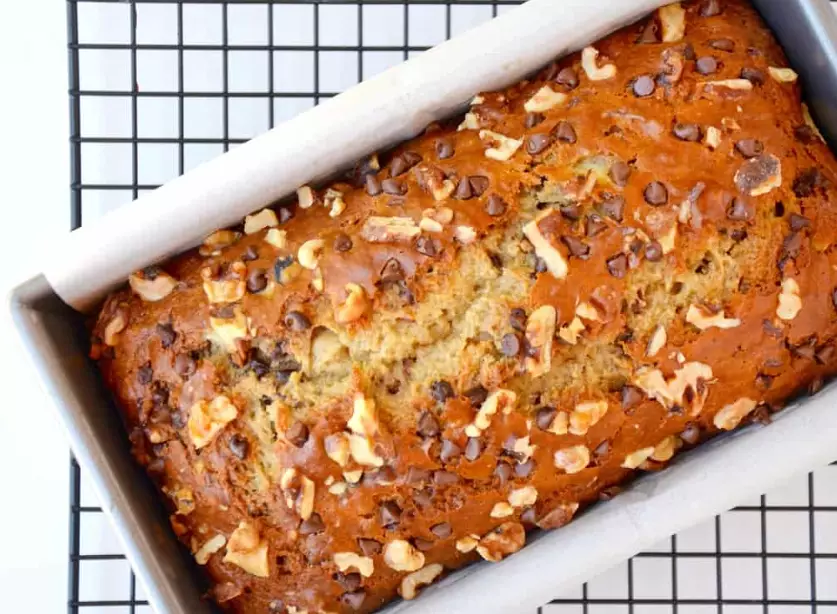
The Bake (The Most Critical Part): Every oven runs hot or cold. Get an oven thermometer. They're cheap and life-changing. What is the secret to moist banana bread during baking? Lower and slower. Most recipes scream 350°F (175°C). Try 325°F (160°C). The slower bake allows the center to cook through without the outside becoming overdone and dry. Start checking for doneness at the 55-minute mark. The loaf is done when a toothpick inserted into the very center comes out with a few moist crumbs clinging to it, not completely clean. A clean toothpick means it's overbaked.
The Cool Down (Patience is a Virtue): This is torture, but you must let the bread cool in the pan on a wire rack for at least 20 minutes. The structure is still setting. Then, use the parchment paper to lift it out and let it cool completely on the rack. If you wrap a warm loaf, you'll trap steam and get a soggy top. But once it's completely cool, that's when you wrap it tightly in plastic wrap or foil and let it sit overnight on the counter.
Yes, overnight. The moisture redistributes evenly throughout the entire loaf in a process bakers call "ripening." The texture transforms from good to sublime. This might be the single most important answer to what is the secret to moist banana bread.
Ingredient Substitutions & Their Impact on Moisture
Need to make swaps? Here’s exactly how your changes will affect the final texture. Knowledge is power.
| Ingredient in Recipe | Common Substitute | Effect on Moistness | Recommendation |
|---|---|---|---|
| Ripe Black Bananas (1.5 cups) | Yellow Bananas or Frozen/Thawed | Significantly Drier (yellow) or More Watery (frozen). Frozen bananas release more liquid. | If using yellow, add 2 tbsp extra sour cream/yogurt. If using frozen, drain excess liquid or reduce other liquids slightly. |
| Buttermilk/Sour Cream (1/2 cup) | Plain Milk or Yogurt Thinned with Milk | Less Tender, Potentially Drier. Loses acidity for leavening reaction. | For 1 cup milk, add 1 tbsp lemon juice/vinegar, let sit 5 min to make "quick buttermilk." |
| Vegetable Oil (1/2 cup) | Melted Butter or Coconut Oil | Butter may lead to slightly denser crumb when cool. Coconut oil behaves similarly to butter. | Acceptable swap 1:1, but texture will be subtly different. For max moisture, stick with or include some liquid oil. |
| All-Purpose Flour (2 cups) | Whole Wheat or Gluten-Free Flour | Whole wheat absorbs more liquid, can be denser/dryer. GF blends vary wildly. | For whole wheat, swap only 1/2 the total flour. For GF, use a 1:1 blend and add 1/4 tsp xanthan gum if not included. |
| Brown + White Sugar (1 cup total) | All White Sugar or Honey/Maple Syrup | All white sugar: less moist. Liquid sweeteners: adds moisture but can make batter too wet, leading to gummy center. | If using honey/maple syrup, reduce other liquids (milk, banana) by 2-3 tbsp. |
Troubleshooting: Why Is MY Banana Bread Still Dry?
Even with good intentions, things go wrong. Let's diagnose.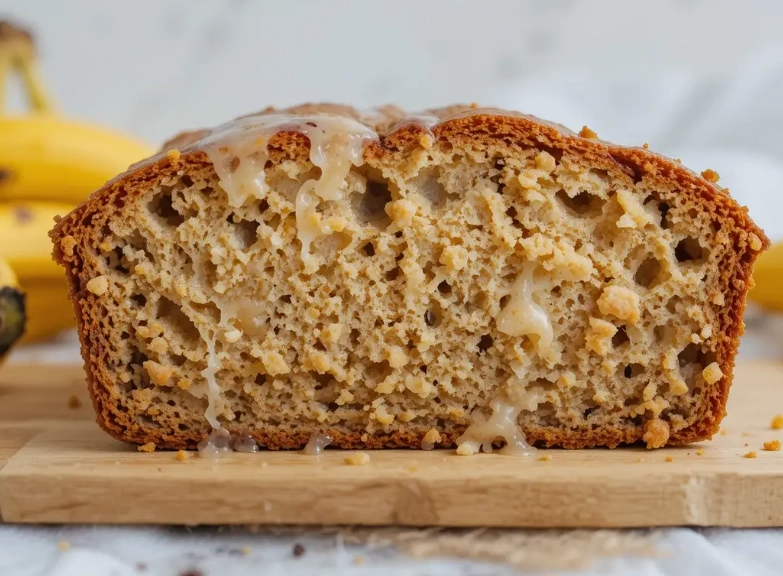
So, after all this, what is the secret to moist banana bread? It's the synergy of ultra-ripe bananas, a fat combination, acidic dairy, precise measuring, gentle mixing, slow baking, and the patience to let it rest. It's treating the loaf with respect from fruit selection to final slice.
Your Go-To, No-Fail, Ultra-Moist Banana Bread Recipe
Here’s the recipe that embodies every secret we’ve talked about. This is my weekend staple.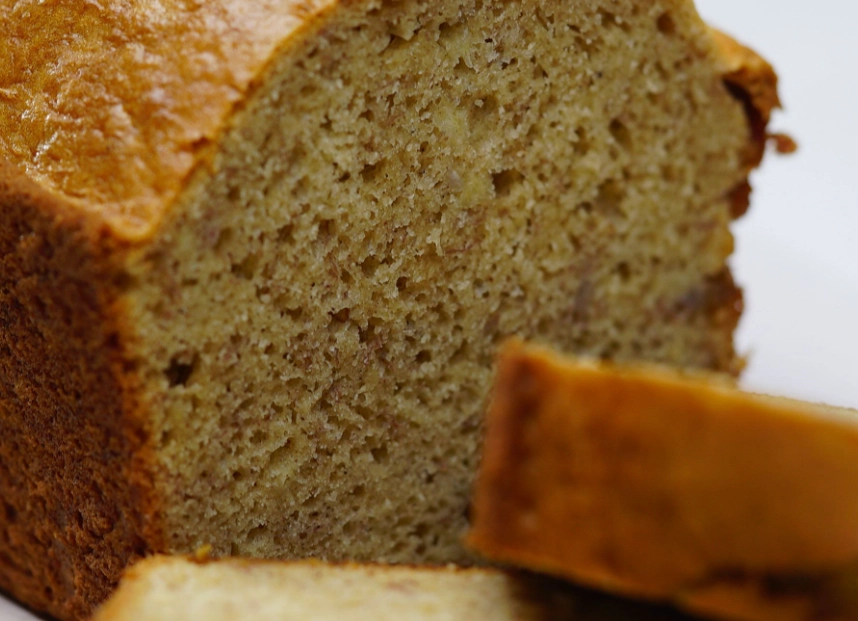
Ultimate Moist Banana Bread
Yield: 1 standard 9x5-inch loaf
Ingredients:
- 3-4 very ripe, black-spotted bananas (about 1.5 cups mashed)
- 1/2 cup (1 stick) unsalted butter, melted and cooled
- 1/4 cup neutral oil (avocado, grapeseed)
- 3/4 cup packed brown sugar
- 1/4 cup granulated sugar
- 2 large eggs, at room temperature
- 1/2 cup full-fat sour cream or plain Greek yogurt (or buttermilk)
- 2 teaspoons pure vanilla extract
- 2 cups (240g) all-purpose flour, spooned & leveled
- 1 teaspoon baking soda
- 1/2 teaspoon baking powder
- 1 teaspoon fine sea salt
- 1 teaspoon ground cinnamon (optional)
- 1 cup chopped walnuts or chocolate chips (optional)
Instructions:
- Preheat your oven to 325°F (160°C). Not 350°. Grease a 9x5-inch loaf pan, then line with parchment paper, leaving an overhang on the long sides.
- In a large bowl, mash the bananas into a smooth, liquidy puree. Whisk in the melted butter, oil, both sugars, eggs, sour cream, and vanilla until just combined.
- In a separate bowl, whisk together the flour, baking soda, baking powder, salt, and cinnamon.
- Pour the wet ingredients over the dry ingredients. Gently fold with a rubber spatula until the last streak of flour disappears. Fold in nuts/chips if using. The batter will be thick and lumpy. That's perfect.
- Pour the batter into the prepared pan and smooth the top. For an extra touch, sprinkle a tablespoon of sugar over the top for a crunchy crust.
- Bake for 60-75 minutes. Start checking at 55 minutes. The bread is done when it's deeply golden brown, has a crack down the center, and a toothpick inserted into the very center comes out with a few moist crumbs attached.
- Cool in the pan on a wire rack for 20 minutes. Then, use the parchment paper to lift the loaf out and place it directly on the rack to cool completely.
- Wrap the completely cooled loaf tightly in plastic wrap and let it sit at room temperature overnight before slicing. This is the final, non-negotiable step for perfect texture.
Store wrapped at room temp for 3-4 days, or freeze whole for up to 3 months.
There you have it. The complete, detailed, no-stone-unturned answer to that burning question. It's more than a recipe—it's a framework for understanding. Once you get this down, you'll never have to search for what is the secret to moist banana bread again. You'll just know. And your kitchen will smell amazing every single time.
Now go bake. And don't you dare slice it warm.





Leave a Comment