Quick Navigation
Let's be honest for a second. The idea of baking with kids can sometimes feel more stressful than relaxing. You picture flour clouds, eggshells in the batter, and a kitchen that looks like a tornado hit it. I get it. I've been there with my own niece and nephew. But here's the thing—when you find the right easy baking recipes for kids, it's pure magic. The pride on their faces when they pull "their" cookies out of the oven? Worth every single crumb on the floor.
This isn't just about making food. It's about building confidence, learning science (shh, don't tell them), and creating memories. And you don't need to be a pastry chef to pull it off. This guide is here to cut through the Pinterest-perfect nonsense and give you the real, practical, and actually doable stuff. We're talking about easy baking recipes for kids that focus on fun, safety, and success with minimal tears (from you or them).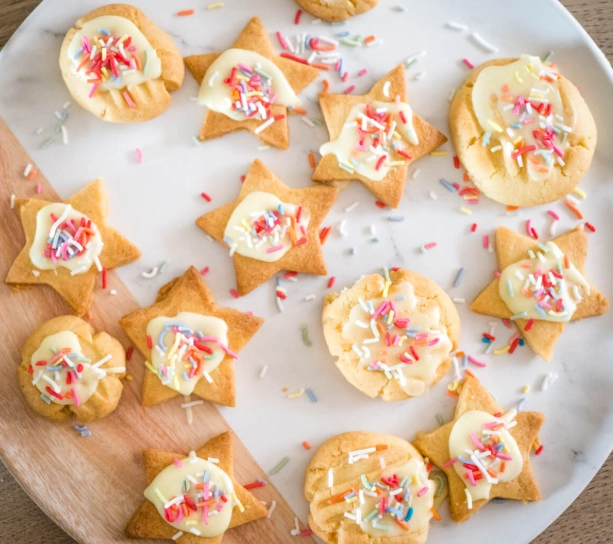
Why even bother? Beyond the fun, baking teaches kids patience, math (measuring is math!), fine motor skills, and how to follow steps. It's a sensory playground and a life skill rolled into one. And yes, it can be surprisingly simple.
The Golden Rules: Baking with Kids Without Losing Your Mind
Before we dive into the actual easy baking recipes for kids, let's set the stage. A little prep makes all the difference between a delightful experience and a disaster movie.
Safety First, Always
This is non-negotiable. Ovens are hot, mixers have moving parts, and raw eggs are a thing.
My number one rule? Establish zones. The "Kid Zone" is for measuring, pouring, and mixing (by hand). The "Adult Zone" is for anything involving the oven, stove, sharp knives, and heavy hot pans. Repeat this like a mantra. For detailed, science-backed guidelines on safe food handling with kids, the U.S. Food Safety website is an excellent resource, especially their tips on preventing cross-contamination.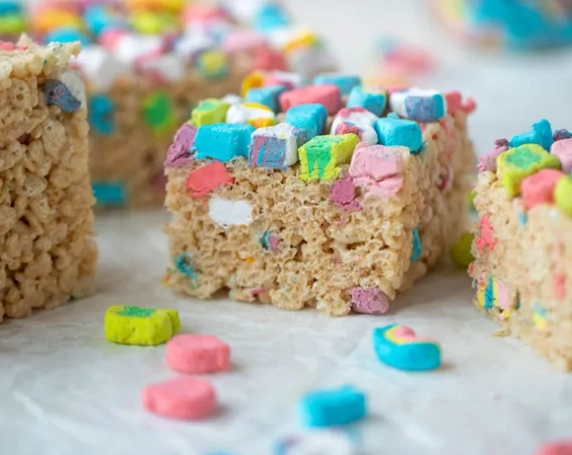
Hot Tip (Pun intended): Always turn pot handles inward on the stove. Always use oven mitts that fit little hands poorly (meaning, you handle the hot stuff). Teach them to never touch the oven door. It's basic, but it's everything.
The "Can-Do" Kit: Tools for Tiny Hands
You don't need fancy gear. You just need the right gear. Adult-sized whisks are hard for small hands to grip. Here's what I've found works best:
- Small, Lightweight Mixing Bowls: Plastic or melamine are great—they don't slip and aren't too heavy when full.
- Flexible Spatulas: Kids love scraping bowls clean. It's oddly satisfying.
- Measuring Cups & Spoons with Clear Markings: The ones with big, bold numbers. Learning to level off a cup of flour is a rite of passage.
- Cookie Cutters & Silicone Molds: Instant fun. Shapes turn simple dough into an event.
- A Sturdy Step Stool: So they can safely see and reach the counter. This is a game-changer.
Honestly, sometimes the best tool is a zip-top bag. Squishing icing or mixing ingredients inside one? Minimal mess, maximum engagement. Don't overthink it.
Embrace the Mess (But Control It)
It's happening. Flour will fly. Accept it. But you can contain it.
Put a large, cheap plastic tablecloth or even an old shower curtain under the work area. When you're done, you just gather it up and shake it outside. Aprons are cute, but old t-shirts work just as well. Have a damp cloth handy for sticky hands before they touch everything.
I learned the hard way with my nephew Leo. We made playdough (a great no-bake starter, by the way), and I didn't put anything down. Let's just say the food coloring on my beige rug is now a "feature." Lesson learned.
The Top Tier: Our Favorite Easy Baking Recipes for Kids
Okay, let's get to the good stuff. These recipes are chosen because they have a high success rate, clear jobs for kids, and deliver tasty results. We'll start with absolutely no baking required.
No-Bake Champions (Perfect for Beginners)
Zero oven risk, instant gratification. These are your best friends.
No-Bake Energy Bites
These are stupidly simple and customizable. The jobs for kids: measuring, pouring, and the best part—rolling the mixture into balls. It's like edible playdough.
Base Recipe: 1 cup rolled oats, 1/2 cup peanut butter (or sun butter), 1/3 cup honey or maple syrup, 1/2 cup mix-ins (mini chocolate chips, shredded coconut, chia seeds).
Kid Jobs: Dump everything into a big bowl. Mix with a spoon or (clean!) hands. Roll into tablespoon-sized balls. That's it. Refrigerate for 30 minutes. They feel like they made something real, and they did.
Another no-bake winner? Decorating pre-made items. Buy plain rice cereal squares or graham crackers. Set up a "decorating station" with bowls of icing, sprinkles, chocolate chips, and fruit pieces. It's all about the creativity, zero about the baking. This is a fantastic first kitchen activity for toddlers.
First-Oven Adventures: Cookies & Muffins
When you're ready for the oven, start here. These recipes are forgiving.
What makes a recipe "kid-easy"? Few ingredients. Simple techniques (stirring, scooping). Forgiving measurements (a little extra flour won't ruin a muffin). And visual cues ("mix until you see no more white flour").
The Ultimate 3-Ingredient Peanut Butter Cookie: Yes, really. 1 cup peanut butter, 1 cup sugar, 1 egg. Mix. Roll into balls. Smash with a fork. Bake at 350°F for 10-12 minutes. It's one of the easiest baking recipes for kids to master from start to finish (with you on oven duty, of course). The fork-cross pattern is iconic and fun to do.
One-Bowl Banana Muffins: This is a great way to use up spotty bananas. Mash bananas in a bowl. Add 1/3 cup melted butter, 1 egg, 1 tsp baking soda, a pinch of salt, and 1.5 cups flour. Mix until just combined. Kids can do the mashing and stirring. Scoop into a lined muffin tin. Baking teaches patience—waiting for them to turn golden brown is part of the lesson.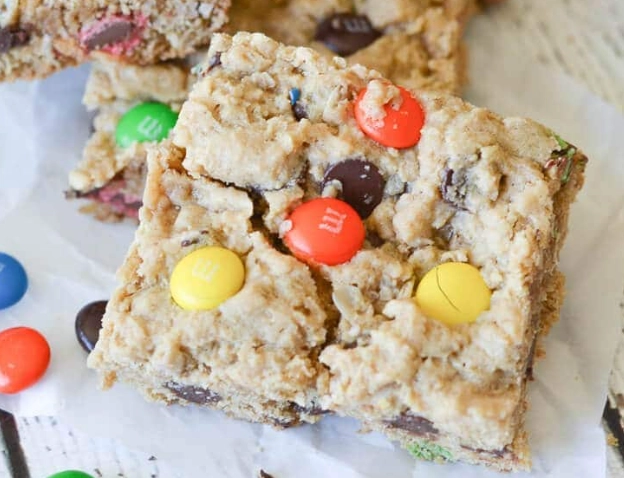
Leveling Up: Pizzas & Breadsticks
Savory baking is just as exciting. Using pre-made dough takes the pressure off.
Buy a ball of pizza dough from the store. Let the kids punch it down (a huge hit). Divide into personal-sized pieces. They can stretch and pat the dough into rough shapes—perfection is not the goal. Add sauce, cheese, and toppings. The personalization is key. They're more likely to eat it if they built it. The Home Baking Association has fantastic resources on the science of yeast and gluten, which you can casually mention as the dough rises and bakes.
Same dough can become breadsticks. Roll pieces into snakes, brush with butter, sprinkle with garlic powder and cheese. Twist them if you're feeling fancy. The tactile experience is awesome.
The Parent's Cheat Sheet: Ingredient Swaps & Fixes
Things will go sideways sometimes. It's fine. Here's your backup plan.
| Common Kid Issue | Smart Swap or Fix | Why It Works |
|---|---|---|
| Allergy to nuts/eggs/dairy | Peanut butter → Sunflower seed butter. Milk → Oat or soy milk. Egg → "Flax egg" (1 tbsp ground flax + 3 tbsp water, sit for 5 min). | Keeps everyone safe and included. The flax egg works as a binder in muffins and cookies. |
| Batter is way too thick | Add a splash of milk or water, one teaspoon at a time. | Little hands can over-measure flour. This is an easy rescue. |
| Batter is way too runny | Sprinkle in a tablespoon of flour at a time until it looks right. | Visual learning: "See how it sticks to the spoon now? That's better." |
| They hate getting hands dirty | Use spoons, spatulas, or that zip-top bag trick. | Respect sensory preferences. The goal is fun, not forced mess. |
| Short attention span | Prep ingredients ahead (mise en place). Have them join for the fun mixing/shaping part only. | Measures the fun-to-waiting ratio. You handle the boring prep. |
Pro Parent Move: When a recipe calls for 1 cup of flour, let them scoop it, then you gently level it off. It gives them ownership while ensuring the recipe still works. It's a teamwork win.
Beyond the Recipe: Making it an Experience
The best easy baking recipes for kids are about more than the food. Here's how to layer in the magic.
Create a Theme: Baking animal cookies? Read a zoo book first. Making pumpkin muffins in fall? Talk about where pumpkins grow. It connects the activity to their wider world.
Embrace the Science: Baking is edible chemistry. Point it out! "Watch what happens when we add this baking soda to the vinegar." (Hello, volcano muffins!). "See how the butter and sugar get creamy? That's called 'creaming.'" The Exploratorium's Science of Cooking site has cool, simple explanations you can adapt.
It makes them feel like little wizards.
Presentation Matters: Use a special plate for their creations. Let them take a photo. This seals the accomplishment.
Your Burning Questions, Answered
I've gotten these questions a million times from friends and readers. Here's the real talk.
I made the mistake once of picking a gorgeous, complicated rainbow layer cake recipe from a fancy blog with my 5-year-old niece. Big mistake. Huge. We were both in tears by step three. Now I stick to the simple, vetted stuff. The fancy cakes can wait.
The Real Goal (It's Not the Cookies)
At the end of the day, the goal isn't a perfect batch of cookies. It's the conversation you have while waiting for them to bake. It's the flour on their nose. It's the "I did it myself!" beam. It's teaching them that making food can be joyful, not a chore.
Start small. Pick one of the easy baking recipes for kids from this guide—maybe the no-bake bites or the 3-ingredient cookies. Take a deep breath, put down that tablecloth, and dive in. The mess will clean up. The pride and the memory? Those stick around a lot longer.
So, what are you waiting for? The kitchen is your family's lab, art studio, and math class all in one. And trust me, even the lopsided, sprinkle-encrusted creations taste amazing because they made them.

Leave a Comment