Your Pancake Art Guide at a Glance
- Before You Squeeze a Single Drop: Your Pancake Art Toolkit
- The Core Technique: It's All About Layers and Temperature
- The Step-by-Step Squeeze
- Your First Pancake Art for Beginners Designs: Start Simple, Seriously
- Answers to the Questions You're Definitely Asking (FAQ)
- Leveling Up: When You're Ready for More
Let's be honest. You've seen those insane videos online. Perfect cartoon characters, detailed portraits, landscapes all made from pancake batter. It looks like magic, right? Like something only a professional chef with steady hands and years of experience could pull off. I thought the exact same thing. The first time I tried to make a simple smiley face, it turned into a lopsided, runny blob that my kid politely called "abstract."
But here's the secret they don't always tell you: pancake art for beginners is absolutely possible. In fact, it's way more about the right setup and a few simple tricks than it is about innate artistic talent. You don't need to be Picasso. You just need to understand your batter and your tools.
This guide is for the absolute novice. The person who burns toast half the time. We're going to walk through everything, step by messy step. Forget the pressure. Think of it as playing with your food, with a delicious reward at the end.
Before You Squeeze a Single Drop: Your Pancake Art Toolkit
Jumping in without the right stuff is the fastest way to frustration. You don't need a professional kitchen, but a few key items will make your life infinitely easier. Here’s the breakdown of what you actually need versus what's nice to have.
| Essential Tool | Why You Need It | Budget-Friendly Alternative |
|---|---|---|
| Squeeze Bottles | This is your paintbrush. Control is everything. Look for bottles with fine, pointed tips (like the ones for ketchup or mustard). | Clean, empty plastic condiment bottles. Plastic zip-top bags with a tiny corner snipped off work in a pinch, but are messier. |
| Non-Stick Griddle or Pan | Even heating is crucial. A flat griddle gives you more workspace than a curved pan. | A good quality non-stick frying pan. Cast iron can work if it's perfectly seasoned, but it's less forgiving for beginners. |
| Thin, Flexible Spatula | You need to slide under your creation without ripping it. A fish spatula is actually perfect for this. | Any thin pancake turner. Avoid thick, bulky ones. |
| Heat Source (Stovetop) | Consistent, medium-low heat is the goal. Electric burners can be trickier than gas. | -- |
Now, the ingredients. This is where most pancake art for beginners attempts go sideways. The batter from the box? Usually too thin. Your favorite fluffy buttermilk recipe? Probably too thick.
You need a batter that's a Goldilocks consistency: just right. Thick enough to hold its shape when you squeeze it out, but fluid enough to spread slightly and cook evenly.
The "Just Right" Beginner Pancake Art Batter
This is my go-to, no-fail recipe. It's simple, reliable, and makes a great-tasting pancake to boot.
- 1 cup all-purpose flour (spooned and leveled, don't scoop!)
- 2 tablespoons sugar
- 2 teaspoons baking powder
- 1/2 teaspoon salt
- 1 cup milk (whole milk is best for richness)
- 1 large egg
- 2 tablespoons melted (and cooled) butter or oil
- 1 teaspoon vanilla extract (optional, for flavor)
Key Move: Whisk the dry stuff first. Then mix the wet stuff in a separate bowl. Combine them and stir until just mixed. Lumps are your friend! Overmixing makes gluten, which leads to tough, chewy pancakes that don't flow well. Let the batter rest for 5-10 minutes. This lets the flour hydrate and gives you a smoother flow.
Consistency check time. Dip a spoon in the batter and let it drip off. It should flow in a semi-continuous ribbon, not a watery stream or a globby plop. Too thick? Add a teaspoon of milk at a time. Too thin? A dusting of flour. You're aiming for something close to thick paint or Elmer's glue.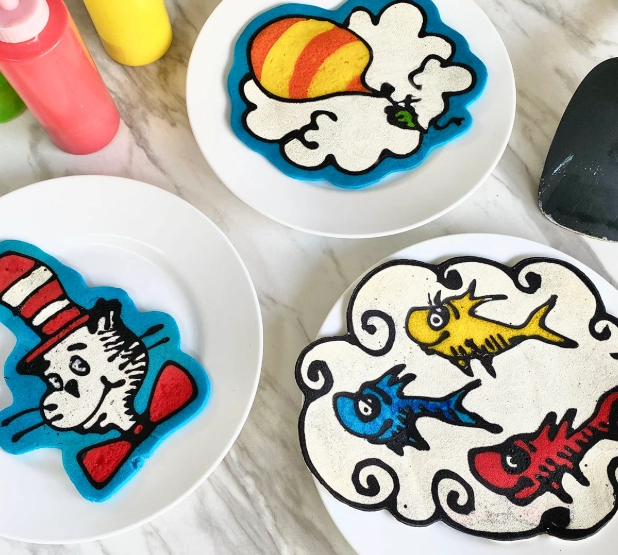
And color! This is the fun part. Divide your batter into small bowls or cups. Use gel food coloring. I can't stress this enough. Liquid food coloring will thin out your batter and make the colors pastel and weak. Gel colors are vibrant and don't mess with the consistency. You only need a tiny toothpick dab.
My Biggest Mistake: I once used liquid red coloring for a fire truck. I ended up with a pink, soupy mess that ran all over the griddle. Gel colors are a non-negotiable for decent easy pancake art.
The Core Technique: It's All About Layers and Temperature
Okay, you've got your colored batters in squeeze bottles. Your griddle is heating up. Now what? The process is simple, but timing is everything.
First, heat control. Medium-low. If your pan is too hot, the batter will set the second it touches, making it hard to draw details and burning the bottom before the top cooks. Too low, and it'll spread into a shapeless puddle. A drop of water should sizzle gently, not violently dance and evaporate instantly.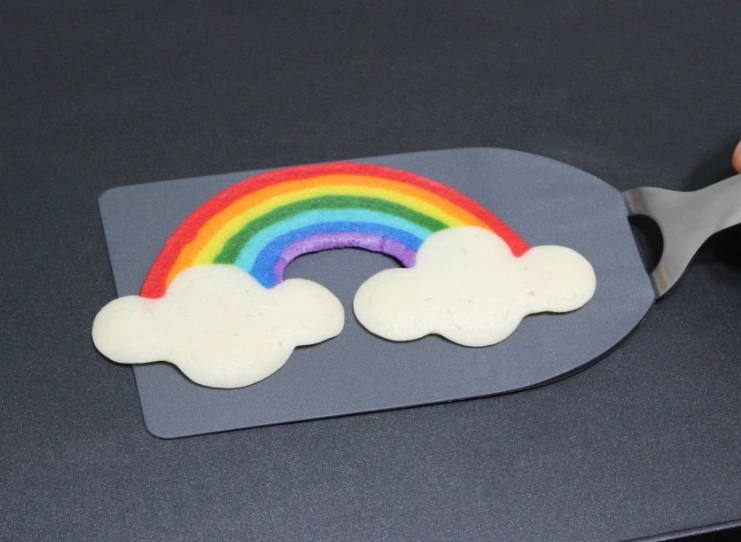
The Step-by-Step Squeeze
- Outline First: Always start with the outline of your design. Use a dark color (black, brown, dark blue). Squeeze steadily, keeping the bottle tip just above the griddle. Don't press it into the surface. This outline acts as a dam for the fill colors.
- Fill It In: Quickly fill in the outlined areas with your other colors. Work section by section. It's okay if the fill batter touches the outline—it's supposed to.
- Cook the First Side: Let it cook. This is the patience test. You'll see bubbles forming in the fill areas and the edges of the outline will start to look dry. This usually takes 60-90 seconds. Do not touch it yet.
- The Flip: Slide your thin spatula completely under the entire design. A confident, single motion flip is best. Hesitating will cause breaks.
- Cook the Second Side: Cook for another 60 seconds or so, until golden brown.
But what about multi-layer designs? Like a face with eyes and a mouth on top of a head? You cook in stages. Draw and cook the base layer (the head) first. Flip it, then add the details (eyes, mouth) directly onto the cooked side. Then flip again to set those new details. It sounds complicated, but after one try it clicks.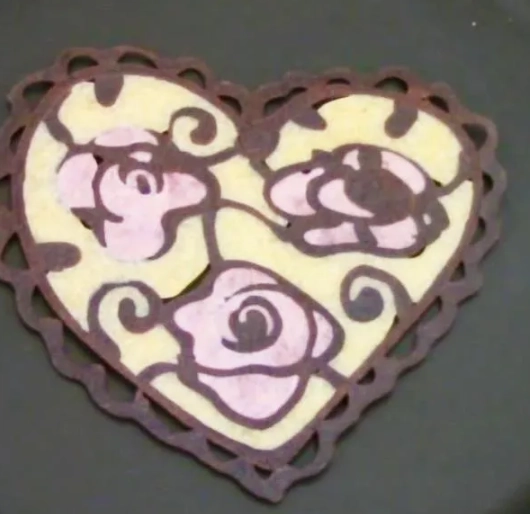
Pro-Tip for Wobbly Hands: Rest your squeezing hand's wrist on the edge of the griddle or counter for stability. It's like using a tripod for your camera. Makes a world of difference for clean lines.
Your First Pancake Art for Beginners Designs: Start Simple, Seriously
Ambition is great, but start small. Your goal for the first session isn't a portrait of your dog. It's to get a feel for the flow. Here are three foolproof starters.
The Simple Smiley Face: A circle outline. Two dot eyes. A curved line mouth. It teaches you outlines, fill (for the face), and adding details. If the mouth smears, who cares? It's still a smiley face.
A Basic Heart: Outline two rounded tops meeting at a point. Fill it with red or pink. It's a simple, closed shape that's very forgiving on proportions.
A Cartoon Ghost: A wobbly, oval-ish bottom with two little eyes. The wobblier, the cuter. No one expects a ghost to be geometrically perfect.
I spent my first weekend just making hearts and smiley faces. It felt silly, but by the tenth one, my lines were smoother and my flip was confident. That's the practice you need before trying a butterfly or a simple flower.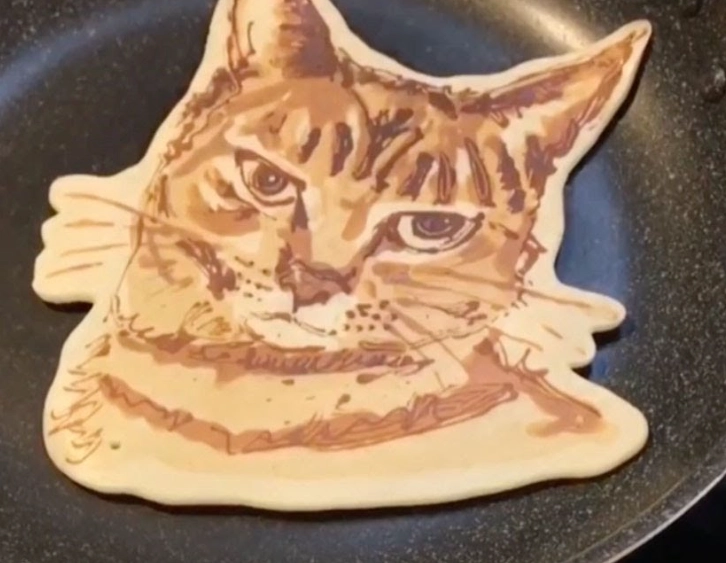
Answers to the Questions You're Definitely Asking (FAQ)
Leveling Up: When You're Ready for More
Once you've nailed a heart, what's next? The world opens up.
Stencils: Don't laugh! Cutting a simple shape out of cardboard or acetate sheet. Hold it on the griddle, spread batter over it, lift. Instant perfect shape. Great for letters or complex silhouettes.
Layering & Texture: Add mini-chocolate chips for spots on a ladybug. Sprinkle colored sugar on wet batter for sparkle. Use a toothpick to drag through wet batter of different colors to make marbled effects.
The real next step is understanding that easy pancake art is a gateway. You start to see everything as a potential design. Your kid's doodle on the fridge. A simple emoji. A holiday symbol.
And remember, the science of cooking matters. Understanding how heat affects proteins and starches can help you troubleshoot. Resources like the Food Science Institute (or university food science departments) offer deep dives into why batters behave the way they do, which is fascinating context.
So, is pancake art for beginners a real thing?
Absolutely. It's less about being a master artist and more about being a willing experimenter. Your first few will be messy. You'll have a pancake that looks more like a Rorschach test than a bear. You'll probably curse at a clogged bottle.
But then you'll make one that works. And you'll get that little thrill. You made that. You turned breakfast into a tiny, edible canvas. And honestly, even the "failures" usually still taste pretty great with some syrup. That's the best part of this whole messy, creative, delicious journey.
Now go heat up your griddle.
Leave a Comment