Let's be honest. The first thing that comes to mind with Indian sweets is probably ghee, khoya (reduced milk solids), and paneer. It feels like dairy is woven into the very fabric of mithai. So when you hear "vegan Indian desserts," you might picture sad, dry versions of the real thing. I thought that too, years ago. Then I spent a month cooking in a Gujarati household where traditional Jain vegetarianism often skips root vegetables and onion-garlic, and let me tell you, their vegan desserts were the star of every meal. That's when it clicked: Indian cuisine has been doing plant-based sweets for centuries, long before it was a global trend.
This isn't about deprivation. It's about rediscovery. We're tapping into a whole other lineage of Indian cooking that uses coconut, nuts, fruits, and grains to create desserts that are every bit as rich, festive, and soul-satisfying as their dairy-based cousins. And for the classics that seem impossible? With a few clever swaps, you can make a gulab jamun so good it'll fool your grandma.
What's Inside This Guide?
Why Indian Desserts Are Surprisingly Easy to Veganize
Think about it. A huge portion of traditional Indian sweets don't rely on dairy at all. They're built on other pillars:
- Flours & Grains: Besan (gram flour) for besan laddoo, sooji (semolina) for sooji halwa, rice for payasam.
- Nuts & Seeds: Almonds, cashews, pistachios, and coconut are ground into pastes, milks, and garnishes. They provide the fat and creaminess.
- Natural Sweeteners: Jaggery (unrefined cane sugar) and dates are used extensively, especially in South Indian and rural recipes.
- Fruits & Vegetables: Carrots (gajar ka halwa), pumpkin, bananas, and mangoes are cooked down into incredible desserts.
The dairy-heavy sweets like rasgulla or kalakand are actually from specific regions. The base is broader than you think. The trick isn't inventing new desserts, but identifying which classics are already plant-based or need just one or two smart substitutions.
Five Must-Try Vegan Indian Dessert Recipes
Forget complicated stuff. Start here. These are crowd-pleasers that work every time.
1. Gajar ka Halwa (Carrot Pudding)
The classic uses tons of ghee and milk. The vegan version? Arguably better. The secret is using full-fat coconut milk. It clings to the grated carrots and gives an incredible richness. Toast your nuts in coconut oil instead of ghee for that nutty aroma. Cook the carrots down slowly until they're almost jammy. It takes time, but that's where the flavor develops. Rushing it with high heat just makes it watery.
Pro Tip Most Blogs Miss:
Use red carrots if you can find them. They're sweeter and have a deeper color than orange carrots, making your halwa look authentically vibrant without food color. If you only have orange carrots, a tiny pinch of beetroot powder stirred in at the end can help, but it's not essential.
2. Coconut Barfi (Nariyal Barfi)
This is naturally vegan about 80% of the time. Grated coconut cooked with sugar and set. Many recipes add milk powder or ghee for binding. Skip it. Use a thick coconut cream instead of any dairy. The binding agent? A slurry of ground cashews or a tablespoon of coconut flour. It absorbs excess moisture and gives a perfect, sliceable texture. Cardamom is essential. A little rose water takes it to another level.
3. Besan Laddoo (Chickpea Flour Balls)
This is a test of patience. You have to roast the besan in oil (use a neutral oil or melted coconut oil) until it's deeply aromatic and turns a shade darker. That raw flour taste is the death of a good laddoo. I've seen people turn the heat up to hurry. Don't. Medium-low heat, constant stirring for 15-20 minutes. It's a workout. Then mix in powdered sugar and shape while warm. They use ghee traditionally, but the oil from roasting does the job.
4. Sooji Halwa (Semolina Pudding)
A staple in every Indian home. Veganizing it is straightforward. Roast the sooji in vegan butter or coconut oil. Then, instead of adding water or dairy milk, use almond milk or cashew milk. It makes it lighter but still creamy. The ratio is key: 1 cup sooji to 2.5 cups liquid and 1 cup sugar. Fry some raisins and cashews in a little oil and toss them in at the end.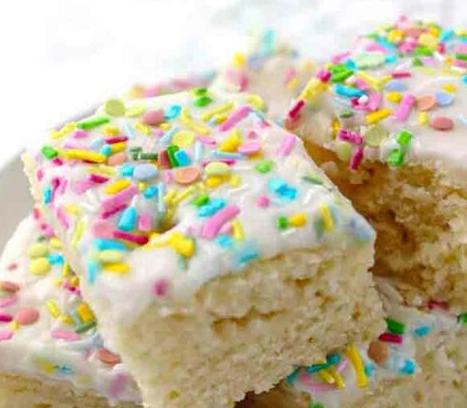
5. Kheer (Rice Pudding)
This is where plant-based milks shine. Coconut milk kheer is a classic from Kerala. But for a more north Indian style, use cashew milk. Soak a handful of cashews, blend them smooth with water, and use that as your milk base. It's thick, naturally sweet, and has a beautiful color. Cook the rice directly in this milk with cardamom and saffron. Finish with slivered almonds. It's luxurious.
The Gulab Jamun Deep Dive: Cracking the Code
This is the holy grail. The classic uses khoya (milk solids) or milk powder. It seems impossible. I've tried a dozen vegan recipes. Some use bread, some use sweet potato. They were okay, but never quite right—too dense, too cakey, or they fell apart in the syrup.
Here's the method that finally worked for me, after a lot of sticky failures. The base is instant mashed potato flakes or steamed, mashed pumpkin. Not whole potato—too wet. The flakes are dry and starchy.
Mix 1 cup potato flakes with 1/2 cup fine coconut flour or almond flour, 1/4 cup plain vegan milk powder (soy or coconut), a pinch of baking soda, and a tablespoon of ground flaxseed mixed with water as a binder. Knead with just enough non-dairy milk to form a soft, slightly sticky dough. Let it rest for 20 minutes—this is crucial. The flakes absorb moisture.
Now, the shaping. Your hands must be lightly oiled. Roll into smooth, crack-free balls. The common mistake is making them too big. They swell in the syrup. Go for marble-sized.
Frying is the other critical step. The oil must be on medium-low heat. If it's too hot, they brown outside but stay raw inside. Too cool, and they soak up oil and become greasy. Fry until they're a deep, even golden brown all over. They should feel light when you move them in the oil.
Soak them in warm, cardamom-scented sugar syrup. Let them sit for at least 4 hours, preferably overnight. The texture transforms from slightly firm to that iconic soft, spongy melt-in-your-mouth feel.
It's a project. But when you bite into a homemade vegan gulab jamun that's perfect? Worth every minute.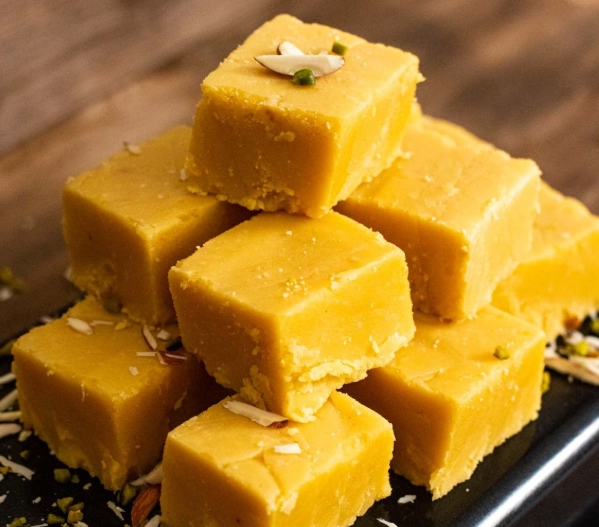
Modern Twists: Vegan Indian Cakes & Fusion Treats
Traditional mithai is one thing. But what about a birthday cake? Indian flavors work spectacularly in Western formats.
Vegan Cardamom-Saffron Pound Cake: Infuse your vegan milk (oat milk works great) with crushed green cardamom pods and a few strands of saffron overnight. Use that as the liquid in a standard vegan vanilla cake recipe. Add a handful of chopped pistachios to the batter. The aroma is unforgettable.
Mango Coconut "Tres Leches" Cake: Soak a vegan vanilla sponge with a mixture of coconut milk, mango puree, and a splash of rum (optional). Top with coconut whipped cream. It's a tropical Indian dream.
Masala Chai Spice Cookies: Add ground ginger, cardamom, cinnamon, black pepper, and cloves to your vegan gingerbread or sugar cookie dough. The hint of pepper makes it complex and warm.
The point is, don't feel confined to tradition. The spice box is your playground.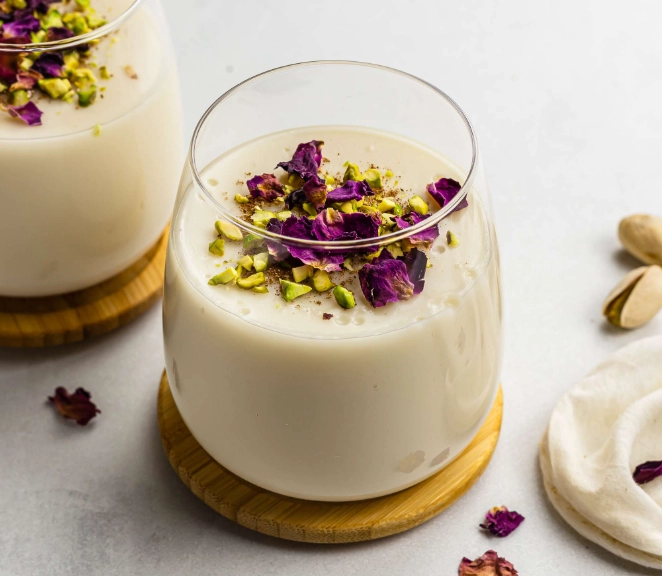
Your Vegan Indian Dessert Questions, Answered
The journey into vegan Indian desserts isn't about finding substitutes. It's about opening a door to a less-explored but equally delicious side of a vast culinary tradition. You start with a simple coconut barfi, maybe tackle a halwa, and before you know it, you're patiently frying batches of gulab jamun, wondering why you ever thought you needed dairy to make something taste like a celebration. Give it a try. The results might just surprise you.




Leave a Comment