Your Baking Roadmap
- Why Do My Cookies Fail? The Usual Suspects
- The Cookie Building Blocks: What Each Ingredient Really Does
- The Flour Power Table: A Quick Reference
- Techniques That Make or Break Your Baking Recipes Cookies
- Top-Tier Baking Recipes Cookies to Master
- Advanced Moves & Hot Trends in Cookie Baking
- Your Cookie Problem, Solved: A Troubleshooting FAQ
- Wrapping It Up: Your Path to Cookie Confidence
Let's be real for a second. We've all been there. You find a picture-perfect recipe for baking recipes cookies online, follow it to the letter, and what comes out of the oven looks... sad. Maybe they're flat as pancakes. Maybe they're tough as hockey pucks. Or maybe they spread into one giant, tragic cookie blob. I've thrown away more batches than I care to admit. It's frustrating, and it makes you wonder if you're just not cut out for this.
But here's the secret I learned after years of trial and error (mostly error): baking perfect cookies isn't magic. It's science. And once you understand the why behind the steps, those baking recipes cookies suddenly become a lot less intimidating and a lot more fun. This isn't just another list of recipes. Think of this as your backstage pass to what actually happens in your mixing bowl and your oven. We're going to talk about the ingredients, the techniques, the little tweaks that make a huge difference, and yes, we'll get to some fantastic and reliable recipes. My goal is that after this, you'll look at a cookie recipe and know exactly how to make it your own.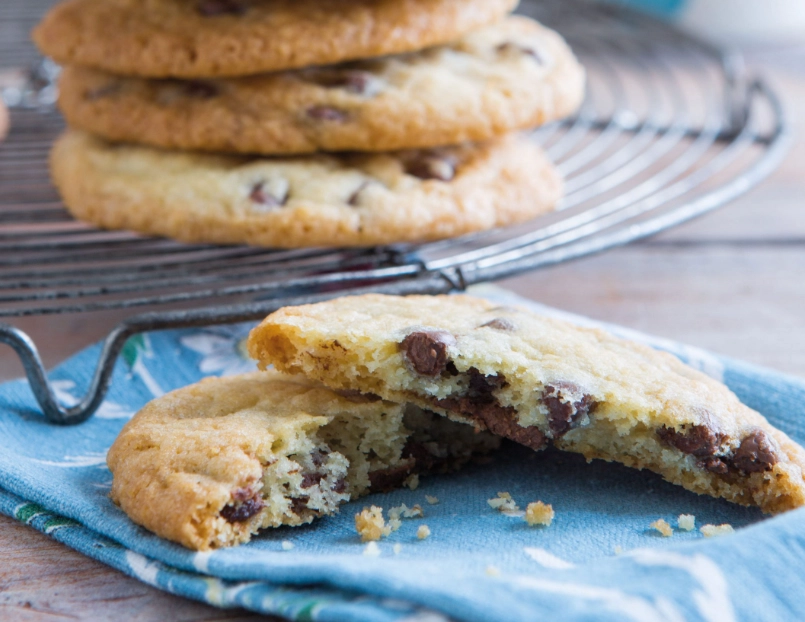
Why Do My Cookies Fail? The Usual Suspects
Before we build up, let's troubleshoot. Most cookie disasters boil down to a few key things. Butter temperature is a massive one. Using melted butter when the recipe calls for softened will give you a completely different (and often flatter) result. Then there's flour. Did you scoop it straight from the bag with your measuring cup? You just packed in way more flour than the recipe intended. And oven temperature... if your oven runs hot or cold, it's playing a cruel joke on your baking recipes cookies. An inexpensive oven thermometer is a game-changer, trust me.
The Cookie Building Blocks: What Each Ingredient Really Does
You can't play the game if you don't know what the players do. Every single ingredient in your baking recipes cookies has a specific job. Changing one changes the final product.
Flour: The Structure Builder
All-purpose flour is the standard for a reason. It has just enough protein (usually 10-12%) to give structure without making things tough. Bread flour has more protein, leading to a chewier cookie (great for certain styles). Cake flour has less, leading to a more tender, crumbly texture. For most classic baking recipes cookies, stick with all-purpose. And for heaven's sake, fluff your flour, spoon it into the cup, and level it off. Don't scoop. This one habit solved about 30% of my dry-cookie problems. The King Arthur Baking guide to flour is an incredible resource if you want to dive deeper into the science.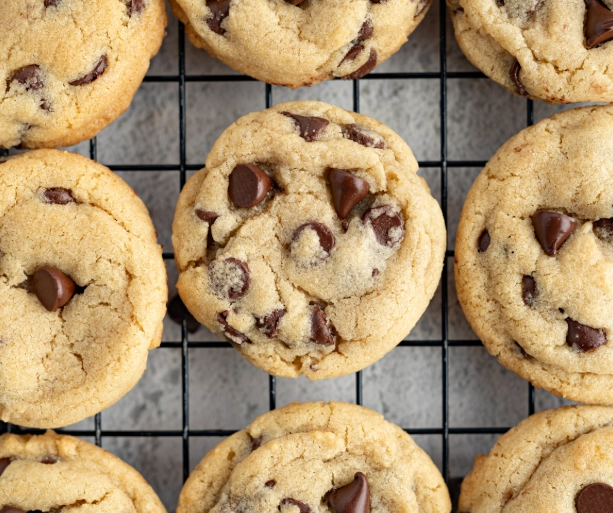
Fats: Butter vs. Shortening vs. Oil
This is where flavor and texture are decided. Butter is king for flavor. It contains water, which turns to steam in the oven, helping with lift and creating those lovely crispy edges and chewy centers. But that same water can lead to more spreading. Shortening is 100% fat, so it gives a puffier, softer cookie that holds its shape better, but the flavor is... well, bland. I often use a combination for the best of both worlds. Oil makes for a very moist, chewy cookie but can sometimes feel a bit greasy. It's all about the texture you're after.
Sugars: Sweetness and So Much More
White sugar (granulated) makes cookies crispier. Brown sugar (light or dark) makes them chewier and moister because of the molasses. Molasses is hygroscopic, meaning it attracts and holds water. Most great baking recipes cookies use a mix. More brown sugar = softer, chewier cookie. More white sugar = crisper, thinner cookie. Dark brown sugar will give a deeper molasses flavor than light.
Ever wonder about the order of mixing? Creaming butter and sugar together isn't just about mixing. You're beating tiny air bubbles into the fat. Those air bubbles expand in the heat of the oven, giving your cookies lift. If you don't cream long enough (3-5 minutes until light and fluffy is typical), you're missing out on that crucial air.
Eggs: The Binder and Richness Agent
Eggs bind everything together, add richness, and contribute to structure through coagulation of proteins when baked. An extra yolk adds fat and emulsifiers, making a cookie richer and more tender. An extra white adds more protein, making it slightly drier and cakier. For the ultimate fudgy, rich chocolate chip cookie, I swear by using one whole egg plus an extra yolk.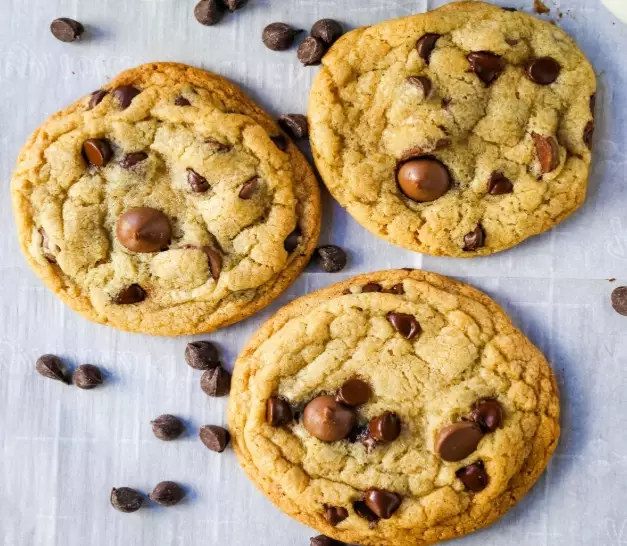
The Flour Power Table: A Quick Reference
| Flour Type | Protein Content | Best For In Cookies | Texture Result |
|---|---|---|---|
| All-Purpose | Medium (~10-12%) | Almost everything. The reliable workhorse. | Balanced chew and crisp. |
| Bread Flour | High (~12-14%) | Chewy, bakery-style cookies (like Levain copycats). | Dense, hearty, and very chewy. |
| Cake Flour | Low (~7-9%) | Delicate, tender cookies (like shortbread, tea cookies). | Soft, crumbly, melts in your mouth. |
| Whole Wheat | Varies | Adding nutty flavor and heartiness (use blended with AP). | Denser, more rustic, nutty flavor. |
See? It's not random.
Techniques That Make or Break Your Baking Recipes Cookies
Alright, you've got your ingredients measured correctly. Now what you do with them matters just as much.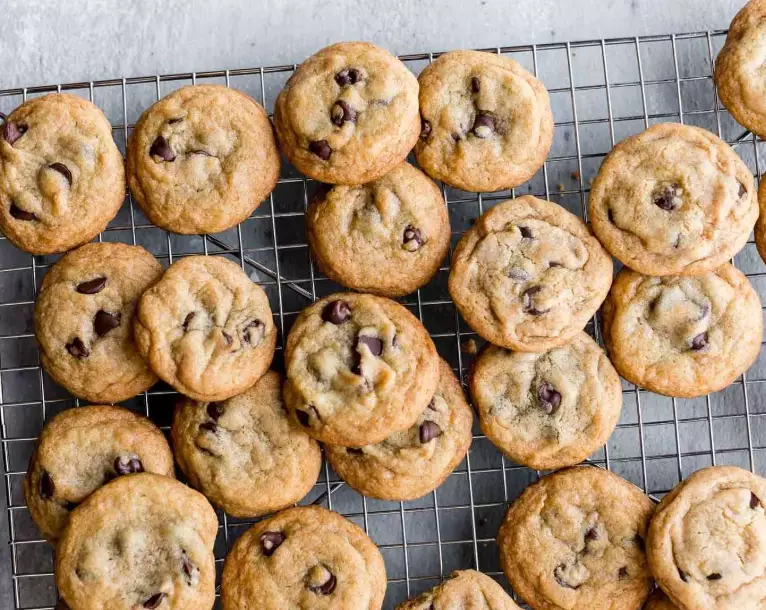
Chilling the Dough: The Non-Negotiable Step You Might Be Skipping
I used to think this was a pointless wait invented by sadistic bakers. I was wrong. Chilling cookie dough does several critical things: it solidifies the fat, so the cookies don't spread into a puddle immediately in a hot oven. It allows the flour to fully hydrate, leading to a better texture. And it develops flavor as the ingredients meld. For drop cookies like chocolate chip, at least 30 minutes is good. Overnight is transformative. Seriously, try it once. Bake half the dough right away and chill the rest overnight. The difference in flavor and texture will convince you forever.
The Scoop and Bake
Use a cookie scoop or tablespoon for uniform size. This isn't just for looks; it ensures even baking. Space them at least 2 inches apart on a parchment-lined baking sheet. Parchment paper is your friend—it prevents sticking and makes cleanup a breeze. Silicone mats are great too, but they can sometimes make the bottom of the cookie less crisp, which I don't always love for chocolate chip cookies.
Oven Truths
Always preheat. A fully preheated oven is crucial for the right rise and set. If you put dough into a lukewarm oven, the fat melts and spreads before the structure sets. Also, rotate your baking sheet halfway through the bake time for even browning, unless you have a legendary convection oven that heats perfectly evenly (I don't).
Hot Tip/Lesson Learned: Bake one or two test cookies first. This lets you check for spread and flavor before committing a whole tray. If they spread too much, chill the dough longer. Not sweet enough? A tiny sprinkle of flaky sea salt on top after baking fixes a multitude of sins.
Top-Tier Baking Recipes Cookies to Master
Let's apply all this theory. Here are a few foundational recipes that teach you different skills. Master these, and you can bake anything.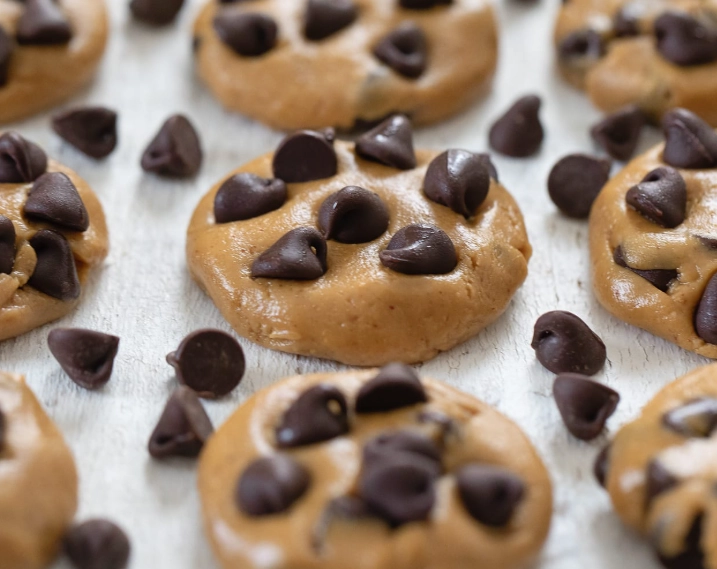
The Classic Chewy Chocolate Chip Cookie
This is the holy grail for many. The goal: crisp edges, chewy center, lots of chocolate. The secrets here are using more brown sugar than white, an extra egg yolk, and chilling the dough. I also like to use a mix of chocolate chips and chopped chocolate bars for varied texture. Under-baking slightly (they'll look a little underdone in the center when you take them out) is key for chewiness as they continue to cook on the hot sheet.
The Roll-Out Sugar Cookie
A different beast entirely. These baking recipes cookies need to hold their shape for cutting and decorating. The dough is usually drier and sturdier. The key is not to overwork the dough once you add the flour, or they'll get tough. Chill the dough thoroughly before rolling, and roll it between two pieces of parchment paper to avoid adding extra flour, which can also make them tough. The Sugar Association website has some great basic science on how sugar functions, which is central to this cookie.
The Simple Shortbread
Elegant in its simplicity. Just flour, sugar, and a high ratio of butter. No eggs, no leavener. The technique is everything: cream the butter and sugar well, then work in the flour just until it comes together. Overmixing leads to a tough shortbread. Pricking the dough with a fork before baking prevents puffing. They should bake until just lightly golden at the edges. Perfect with tea.
Advanced Moves & Hot Trends in Cookie Baking
Once you've got the basics down, it's fun to play. Here's what's buzzing and some pro tips.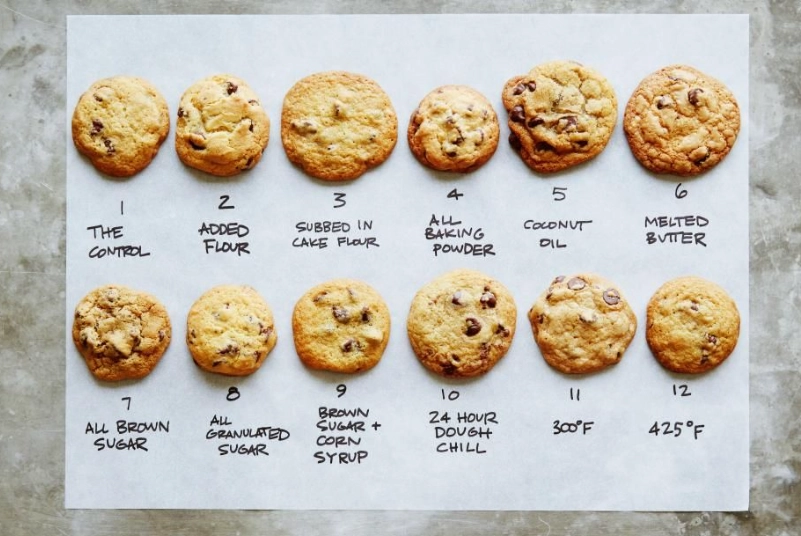
Brown Your Butter
This is a game-changer for flavor. You melt butter in a saucepan and cook it until the milk solids turn a toasty brown and it smells nutty and incredible. Let it cool and re-solidify before using it in your recipe (or adjust for the water loss). It adds a deep, complex, almost caramel-like note to your baking recipes cookies. It's a bit fussy but 100% worth it for a special batch.
The Sourdough Discard Cookie
A huge trend for home bakers with a sourdough starter. Instead of throwing out your discard, you can add it to cookie dough. It doesn't make them taste sour, but it adds a subtle tang and complexity that balances sweetness beautifully. It also can make cookies extra chewy. It's a fantastic way to reduce waste and explore new flavors. This is a perfect example of a user-driven trend that's filled a content gap—not many big sites covered it well initially.
Salting Strategies
Salt in the dough is essential to balance sweetness. But finishing salt is where you shine. A light sprinkle of flaky sea salt (like Maldon) or a flavored salt on top of the cookie after it bakes creates little bursts of flavor that elevate everything. Don't skip the salt in the dough, though. The USDA Food Safety site is a boring but vital resource for understanding food handling, which is good practice when working with raw dough containing flour and eggs.
Your Cookie Problem, Solved: A Troubleshooting FAQ
I get these questions all the time. Let's tackle them head-on.
Baking is part science, part art, and all heart.
Wrapping It Up: Your Path to Cookie Confidence
Look, the journey to perfect baking recipes cookies is paved with a few flat, over-baked, or oddly textured experiments. Everyone has them. I certainly have. The difference between a frustrating failure and a learning moment is understanding the why. Now you know why creaming matters, why chilling matters, why your flour scooping technique matters.
Start with a simple, highly-rated recipe. Follow it exactly the first time. Then, the next time, make one controlled change. Brown the butter. Add an extra yolk. Chill the dough overnight. See what happens. That's how you learn your oven, your ingredients, and develop your own perfect version.
The best baking recipes cookies are the ones that come out of your oven, made by you. They don't have to be Instagram-perfect. They just have to taste good and bring you joy. Now go preheat that oven, and let's get baking.

Leave a Comment