You're scrolling through recipes, and you see it mentioned in forums and baking blogs: the "1234 rule." It sounds like a secret code, a magic formula promising to simplify the chaos of baking. Is it real? Does it work? After over a decade of teaching home bakers, I can tell you it's one of the most useful concepts you can learn—but only if you understand what it really is and, more importantly, what it isn't.
The 1234 rule isn't a spell for every cake. It's the foundational ratio for the classic pound cake. The name gives it away: one pound of butter, one pound of sugar, one pound of eggs, one pound of flour. Modern bakers scaled it down to a simple, weight-based ratio: 1 part butter, 2 parts sugar, 3 parts flour, 4 parts eggs. Wait, that's not 1-2-3-4? See, that's the first twist. The order is often quoted differently. The true, historical heart of the rule is the 1:1:1:1 ratio by weight.
What You'll Find Inside
What the 1234 Rule Really Means (It's Not What You Think)
Let's clear the confusion. There are two common interpretations, and one is more historically accurate.
The other version—1 part butter, 2 sugar, 3 flour, 4 eggs—is a modern adaptation. It creates a slightly sweeter, more tender cake. Which one is "right"? They both are. The first is your historical foundation. The second is a popular variant. For simplicity and foolproof results, I recommend beginners start with the 1:1:1:1 ratio. It's harder to mess up.
Why does this ratio work so well? It's all about chemistry. The equal fat (butter) and sugar, when creamed, trap air for leavening. The eggs provide structure and moisture. The flour gives it body. They're in perfect equilibrium.
How to Actually Use the 1234 Rule: A Step-by-Step Walkthrough
Let's bake. We'll make a small 6-inch cake using the classic 1:1:1:1 ratio. Forget cups for a moment. You need a digital scale. This is non-negotiable for ratio baking.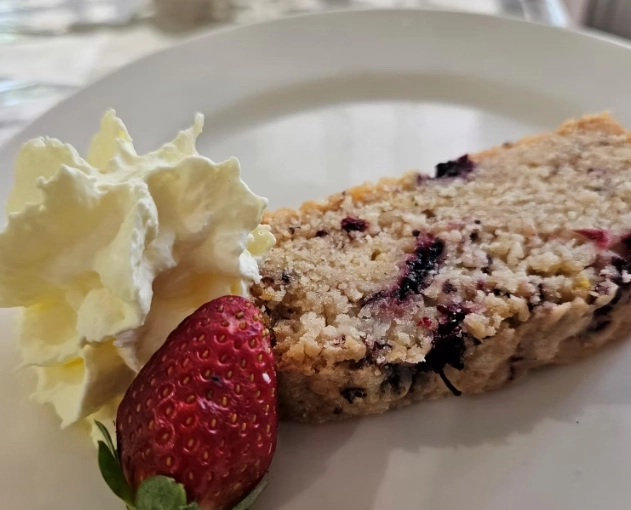
Step 1: Choose Your Unit. Let's start with 150 grams. This is a manageable size that makes one perfect loaf or small cake.
Step 2: Weigh Your Ingredients.
- Unsalted Butter: 150g (softened)
- Granulated Sugar: 150g
- Large Eggs: 150g (This is roughly 3 large eggs in the US. Crack them, whisk, and weigh.)
- All-Purpose Flour: 150g
- Additives: 1 tsp baking powder (for a slight lift), 1 tsp vanilla extract, pinch of salt.
Step 3: The Method Matters. This isn't a dump-and-stir recipe. The sequence is key.
- Cream the softened butter and sugar for a full 3-5 minutes until pale and fluffy. This incorporates air.
- Add the eggs gradually, beating well after each addition. If the mix looks curdled, toss in a spoonful of your measured flour to stabilize it.
- Gently fold in the sifted flour, baking powder, and salt until just combined. Overmixing develops gluten and makes the cake tough.
Bake at 350°F (175°C) in a greased and lined pan for 45-55 minutes, until a skewer comes out clean.
That's it. You've just baked a cake from a ratio, not a recipe. This is the power of the 1234 rule.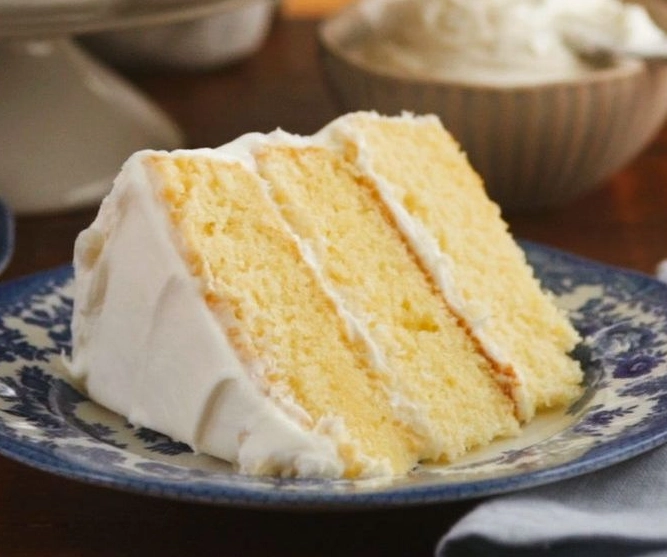
The 3 Biggest Mistakes Bakers Make with the 1234 Ratio
I've seen these errors countless times in my classes. Avoiding them is what separates a good cake from a great one.
Mistake 2: Not Weighing the Eggs. "Three large eggs" is a guess. Egg sizes vary wildly. A "large" egg can be 50g or 70g out of shell. That difference throws your perfect 1:1 ratio into chaos. Crack, whisk, and weigh. It takes ten seconds and guarantees consistency.
Mistake 3: Ignoring Ingredient Temperature. All your ingredients—eggs, flour, even the mixing bowl—should be at room temperature. Cold eggs will cause the creamed butter to seize up, deflating your batter. Plan ahead.
Going Beyond the Basics: Flavoring Your Master Cake
The beauty of the 1234 rule is that it's a canvas. Once you master the plain version, you can paint on flavors. The key is understanding what category your add-in belongs to: dry, wet, or fat.
| Add-In | Category | How to Adjust the Base Recipe |
|---|---|---|
| Lemon Zest / Spices | Dry Flavoring | Add directly to the flour. No ratio adjustment needed. |
| Cocoa Powder | Dry Flour Substitute | Replace 15-20% of the flour weight with cocoa. For 150g flour, use 120g flour + 30g cocoa. |
| Chocolate Chips / Nuts | Additive | Toss in 50-100g at the end. Coat in a bit of flour to prevent sinking. |
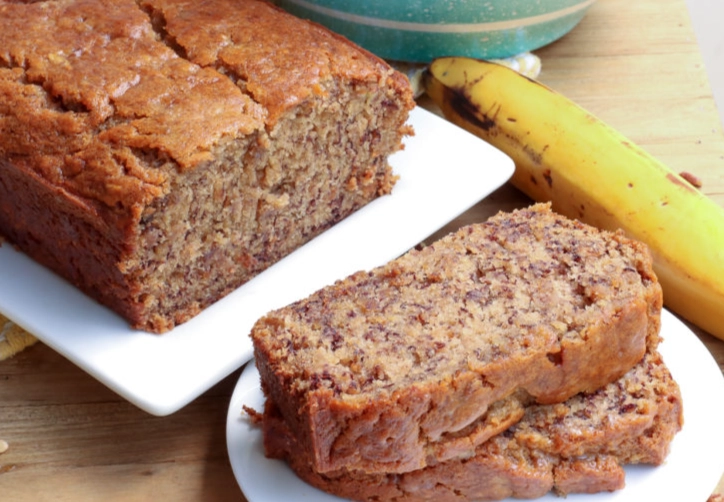
| Mashed Banana / Pumpkin Puree | Wet Additive | Tricky. It adds moisture and weight. For 100g of puree, consider reducing the egg weight by 25-30g. |
My favorite hack? Brown half the sugar. Use 75g white sugar and 75g light brown sugar. The molasses adds a subtle caramel note and extra moisture that's just fantastic.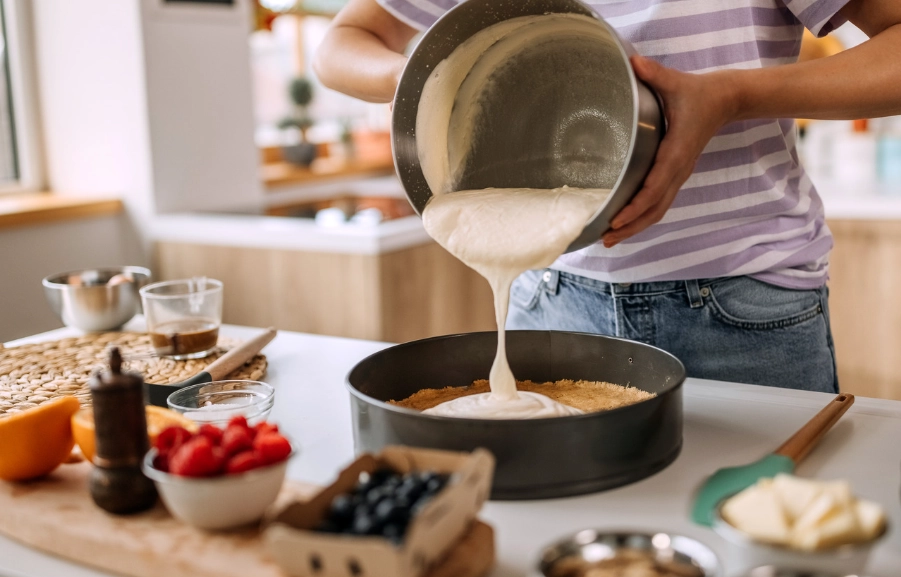
Your 1234 Rule Questions, Answered
Does the 1234 rule work for all types of cakes?
Can I use volume measurements (cups) instead of weight with the 1234 rule?

My batter looks too thick or too runny. What did I do wrong?
Can I add flavors like chocolate or fruit to a 1234 rule cake?
So, is the 1234 rule a magic bullet? No. But it's something better: a fundamental principle. It teaches you how cakes are built. It shifts your thinking from blindly following recipes to understanding them. Start with the classic 1:1:1:1 pound cake. Master it. Feel how the batter should look and taste the perfect crumb. Then, and only then, start to play. That's when you stop being someone who bakes cakes and start being a baker.


Leave a Comment