In This Guide
- Why This Easy Gingerbread Cookie Recipe Actually Works
- Gathering Your Ingredients: The Good, The Bad, The Molasses
- The Tools You Really Need (And What You Can Skip)
- The Step-by-Step, No-Stress Gingerbread Cookies Recipe Easy Method
- Your Gingerbread Cookies FAQ: Solving Problems Before They Start
- Decorating Ideas That Don't Require an Art Degree
- Storing and Gifting Your Masterpieces
- Final Thoughts: You've Got This
Let's be honest. The idea of making gingerbread cookies from scratch can feel a bit intimidating, right? You picture complicated dough, tricky rolling, and cookies that spread into weird shapes or taste more like cardboard than Christmas. I've been there. My first attempt years ago was a disaster—rock-hard, pale, and utterly sad. But here's the thing: a truly easy gingerbread cookies recipe exists, and it's not a myth. It's about knowing a few simple, non-negotiable tricks and following a method that actually makes sense for a home baker, not a pastry chef.
This guide is that friend who comes over, shows you the ropes, and tells you where you can cut corners (and where you absolutely shouldn't). We're going to break down everything. I mean everything. From why your molasses choice matters more than you think to how to stop your cookie cutters from sticking without a floury mess. This is the gingerbread cookies recipe easy enough for a busy Tuesday but impressive enough for your holiday cookie swap.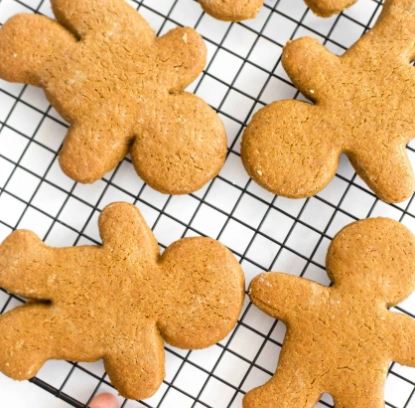
Why This Easy Gingerbread Cookie Recipe Actually Works
Most recipes fail because they're either too vague or they skip the "why." You end up blindly following instructions, and if something goes wrong, you have no idea how to fix it. I want you to understand the recipe, not just execute it. That's the real secret to an easy gingerbread cookies recipe.
The foundation here is a dough that's designed to be forgiving. It chills well, rolls out smoothly, and bakes up with a consistent texture—chewy in the center with slightly crisp edges. The spice balance is key: enough ginger to have a bite, but supported by cinnamon, cloves, and a hint of black pepper for depth. It's warm, not harsh.
And look, I'm not a fan of recipes that call for fifteen exotic spices. We're keeping it simple with pantry staples. The real magic is in the technique, which I've simplified after more failed batches than I care to admit.
Gathering Your Ingredients: The Good, The Bad, The Molasses
This is where most people go wrong right out of the gate. Using the wrong type of an ingredient can throw the whole recipe off. Let's get your shopping list (or pantry raid) sorted.
The Flour & Leavening Situation
All-purpose flour is perfect. Don't overthink it. The baking soda is crucial—it's what gives the cookies their slight lift and tender crumb. Make sure yours isn't older than six months. An old box lurking in the back of your cupboard won't do you any favors. Baking powder? We're not using it here. This dough relies on soda reacting with the molasses and brown sugar for lift.
The Sweetener Trio: Brown Sugar, Molasses, & The Great Debate
This is the heart of the flavor. Use dark brown sugar for its richer molasses content. Light brown sugar will work in a pinch, but the flavor won't be as deep.
Now, molasses. This is the most important choice you'll make. You want unsulphured molasses, often labeled "light" or "original." Do not, I repeat, do not use blackstrap molasses. It's bitter, intensely strong, and will make your cookies taste like a health supplement gone wrong. I learned that the hard way. Grandma's or Brer Rabbit brand in the green label is what you're after. It's sweet, robust, and perfect for baking. The Better Business Bureau isn't going to help you here, but your grocery store's baking aisle will.
The Spice Rack Round-Up
Ground ginger, ground cinnamon, ground cloves. That's your holy trinity. Freshly ground spices are ideal, but the bottled stuff from your supermarket is absolutely fine. I also add a tiny pinch of freshly ground black pepper. It sounds weird, but it enhances the warmth of the other spices without making the cookies spicy. Trust me on this one.
Butter, Egg, and The Rest
Unsalted butter, softened. This is non-negotiable for control over saltiness. One large egg to bind it all. A bit of salt to balance the sweetness. Vanilla extract? Some purists say no, but I add a teaspoon. It rounds out the flavors beautifully.
Here’s a quick table to visualize the core ingredients and their roles. It helps to know what each one is doing in your dough.
| Ingredient | Quantity | Its Job in the Dough | Can I Substitute? |
|---|---|---|---|
| Unsalted Butter (softened) | 3/4 cup (170g) | Provides richness, tenderness, and flavor. | Margarine works but alters flavor/texture. For vegan, use a plant-based butter stick. |
| Dark Brown Sugar | 3/4 cup, packed (150g) | Sweetens, adds moisture, and contributes to chewiness. | Light brown sugar works; flavor will be slightly less deep. |
| Unsulphured Molasses | 1/2 cup (170ml) | The signature flavor, color, and moisture source. Reacts with baking soda. | NO blackstrap. In a pinch, dark corn syrup or honey (flavor changes). |
| Large Egg | 1 | Binds ingredients, adds structure and richness. | For egg-free, 1/4 cup applesauce or a commercial egg replacer. |
| All-Purpose Flour | 3 1/4 cups (410g) | The structure. Provides the cookie's body. | For gluten-free, use a 1:1 GF blend (results may vary). |
| Ground Ginger | 1 tbsp | The primary spice flavor. Provides warmth and "bite." | Fresh grated ginger (use 2 tbsp) adds a sharper, different heat. |
The Tools You Really Need (And What You Can Skip)
You don't need a stand mixer, though it makes creaming butter and sugar easier. A sturdy hand mixer works perfectly. A rolling pin is essential—a simple wooden one is fine. For cutting, any cookie cutters will do. If you don't have gingerbread people, use a glass or a knife to cut squares. The shape is less important than the taste.
Parchment paper or silicone baking mats. These are your best friends for preventing sticking and ensuring even baking. Don't bake directly on a bare sheet—you're asking for trouble.
The Step-by-Step, No-Stress Gingerbread Cookies Recipe Easy Method
Alright, let's get our hands dirty. This process is broken down into clear phases: making the dough, chilling it (the most skipped, most important step), rolling and cutting, baking, and decorating.
Phase 1: Making the Dough (The Easy Part)
In a large bowl, beat the softened butter and packed dark brown sugar together on medium speed for about 2-3 minutes. You want it light and fluffy. This incorporates air, which helps with texture. Scrape down the sides of the bowl. Add the molasses, egg, and vanilla. Beat until well combined. It might look a bit curdled—that's okay.
In a separate bowl, whisk together the flour, baking soda, salt, ginger, cinnamon, cloves, and that sneaky black pepper. This ensures the leavening and spices are evenly distributed before they hit the wet ingredients.
With your mixer on low, gradually add the dry ingredients to the wet. Mix just until the flour disappears and a cohesive dough forms. It will be soft and slightly sticky. That's perfect.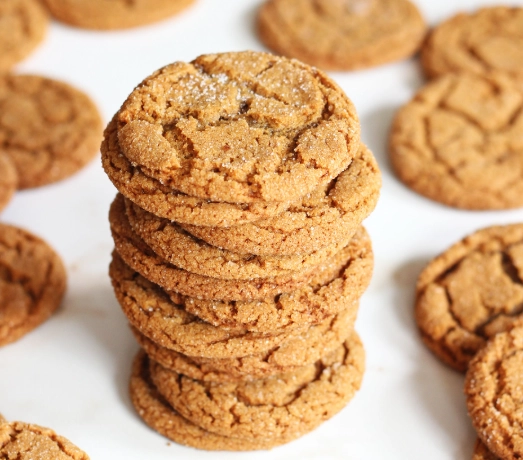
Phase 2: The Chill (Your Patience Test)
Divide the dough into two flat discs. Wrap each tightly in plastic wrap. Now, chill. In the refrigerator for at least 3 hours, or preferably overnight. Overnight is magic—the flavors meld and deepen, and the dough becomes firm and easy to handle.
Can you chill it for less time? Sure, but you'll fight the dough more. This is what makes an easy gingerbread cookies recipe actually easy: letting the fridge do the hard work of firming everything up.
Phase 3: Rolling & Cutting Without the Drama
Preheat your oven to 350°F (175°C). Line your baking sheets with parchment.
Take one disc of dough out of the fridge. Let it sit on the counter for 5-10 minutes to become just pliable enough to roll. On a lightly floured surface (or between two sheets of parchment paper—my preferred no-mess method), roll the dough to about 1/4-inch thickness.
Use your cutters. Dip them in a little flour between cuts if they start to stick. Cut shapes close together to minimize re-rolling. Place the cut-outs on your prepared baking sheets, leaving about an inch between them.
Gather the scraps, gently press them together (don't over-knead), re-roll, and cut more. The dough from the second rolling might be a bit tougher, but it's still good.
Phase 4: Baking to Perfection
Bake for 8-10 minutes. The cookies are done when the edges are just set and the centers look puffed and dry. They will firm up as they cool. Don't overbake them looking for a dark brown color—they'll continue to darken slightly on the hot sheet after coming out of the oven.
Let them cool on the baking sheet for 5 minutes before transferring them to a wire rack to cool completely. This is critical for their structure.
Your Gingerbread Cookies FAQ: Solving Problems Before They Start
I've gotten a ton of questions over the years. Here are the big ones, answered plainly.

Decorating Ideas That Don't Require an Art Degree
The fun part! You can keep it simple with a drizzle of royal icing or go all out. Here’s a quick ranking of my favorite easy approaches:
- The Classic Icing Outline: Make a simple royal icing (powdered sugar, meringue powder, water) and pipe outlines. Let dry, then "flood" with thinner icing. It's easier than it looks.
- The Sprinkle Shower: Brush unbaked cookies with a tiny bit of milk or egg wash and press sprinkles onto them before baking. They bake right on.
- The Dusted Sugar Look: Immediately after baking, while still hot, dust the cookies with sparkling or coarse sugar. It sticks perfectly.
- The Chocolate Dip: Melt some chocolate or candy melts, dip half a cooled cookie in, let excess drip off, and place on parchment to set. Foolproof and always a hit.
Storing and Gifting Your Masterpieces
Once completely cool, store your gingerbread cookies in an airtight container at room temperature. They'll stay soft and delicious for up to a week. You can layer them with parchment paper. They also freeze brilliantly for up to 2 months—just thaw at room temperature.
For gifting, a simple cellophane bag tied with ribbon, or a tin lined with wax paper, makes a lovely present. Include a small note with the spice list in case of allergies. Speaking of food safety, while home baking is generally safe, it's good practice to be transparent about ingredients, a principle echoed by public health resources like those from the CDC on food safety communication.
Final Thoughts: You've Got This
Making gingerbread cookies from scratch shouldn't be a source of stress. It's a fun, festive kitchen project. This gingerbread cookies recipe easy approach is built on understanding the few key steps that matter—proper creaming, mandatory chilling, and not overbaking. Get those right, and you're golden.
So go ahead, clear your counter, put on some music, and give it a try. Embrace the little imperfections in your shapes. Those are the signs they're homemade. The rich, spicy aroma alone is worth the effort, and the taste? Far superior to anything from a box. Happy baking!
Leave a Comment