You know the scene. You bought a beautiful loaf two days ago, and now it feels like you could use it for home defense. Before you resign it to the breadcrumb bag or, worse, the trash, stop. That bread isn't dead, it's just stale. And reviving it is simpler than you think. I've baked professionally and made every mistake in the book—from steaming bagels into soggy blobs to microwaving ciabatta into rubber soles. Let's cut through the noise and talk about what actually works to make bread soft again.
What You'll Learn Here
It's Not Drying Out, It's Crystallizing
Most people think hard bread is just dry bread. That's part of it, but the main villain is a process called retrogradation. When bread cools after baking, the gelatinized starch molecules start to slowly recrystallize. They form a rigid structure and, in doing so, push out water that was once held within. This recrystallization happens fastest at temperatures just above freezing. According to the U.S. Department of Agriculture's research on food stability, this is precisely why storing bread in the refrigerator is the fastest way to make it stale. The cool temperature accelerates the starch recrystallization. So, if you want to keep bread soft longer, the counter (in a bread box or bag) or freezer is better than the fridge. Knowing this helps us fight back: we need to re-gelatinize that starch and reintroduce moisture in a controlled way.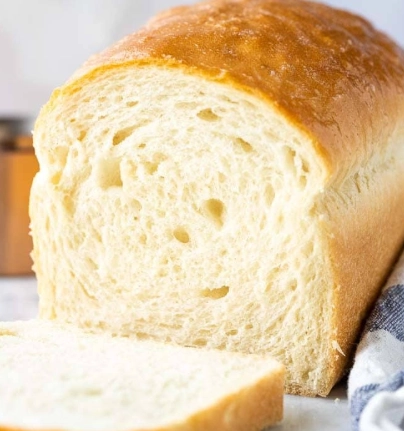
1. The Steam Method: My Go-To for Crusty Breads
This is the method I use most often. It's fast, it restores a crisp crust if you want it, and it mimics a professional baker's oven. Perfect for baguettes, rolls, or even a slice of sourdough.
How to do it: Bring about an inch of water to a simmer in a pot or deep skillet. Place a steamer basket or a colander over the water (make sure the bread isn't touching the water). Put your bread in, cover with a lid, and let it steam for 1-2 minutes for a slice or roll, 3-5 minutes for a small loaf. Check for softness. For a crisp crust, remove the lid and let it sit over the steam for another 30 seconds to dry the surface.
I once revived a completely forgotten demi-baguette this way. After 4 minutes under steam, it was as good as the day I bought it—crackly crust, soft interior. The key is not to over-steam, or you'll get a gummy layer on the surface.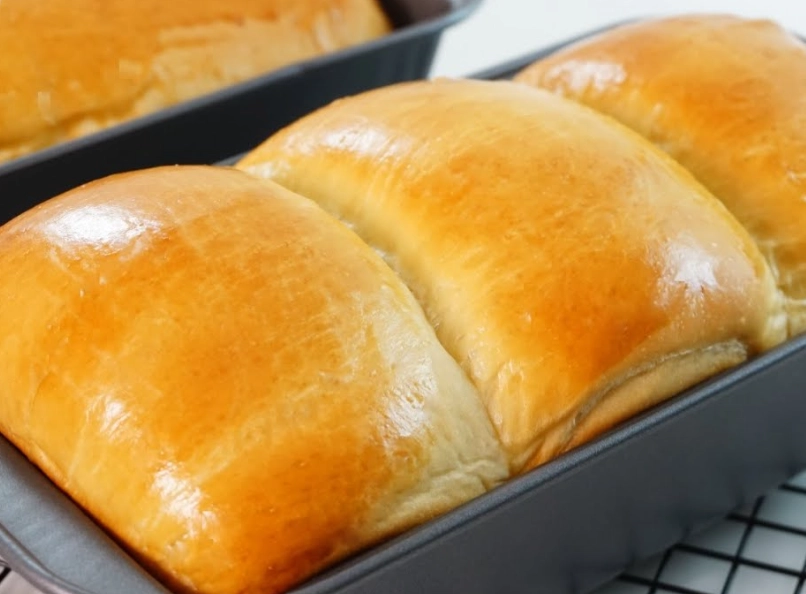
2. The Oven Method: The Champion for Whole Loaves
Need to soften an entire loaf of sandwich bread or a large artisan boule? This is your winner. The gentle, even heat of the oven re-gelatinizes the starch throughout without making the exterior soggy.
How to do it: Preheat your oven to 300°F (150°C). Lightly dampen the entire crust of the loaf under running water, or wrap it loosely in aluminum foil. If you wet the crust, place it directly on the oven rack. If using foil, you can place it on a sheet. Bake for 10-15 minutes for a standard loaf, 5-10 for half a loaf. The internal temperature should reach about 140°F (60°C). The wet crust method gives you a softer crust; the foil method helps retain more moisture for a very dry loaf.
This method is foolproof. It's how I prep bread for a crowd when I need to serve a loaf that's a day or two old. The heat drives moisture inward, reversing that staling process we talked about.
3. The Microwave Method: Fast But Flawed
Everyone's first instinct. It works, but it's easy to mess up. The microwave heats water molecules violently and unevenly, which can turn bread tough and rubbery in seconds.
How to do it (the right way): Place your bread on a microwave-safe plate. Dampen a paper towel thoroughly and wring it out so it's just moist, not dripping. Drape this towel over the bread. Microwave on medium power (50%) for 10-second bursts. Check after each burst. For a single slice, 10-15 seconds is often enough. For a roll, maybe 20.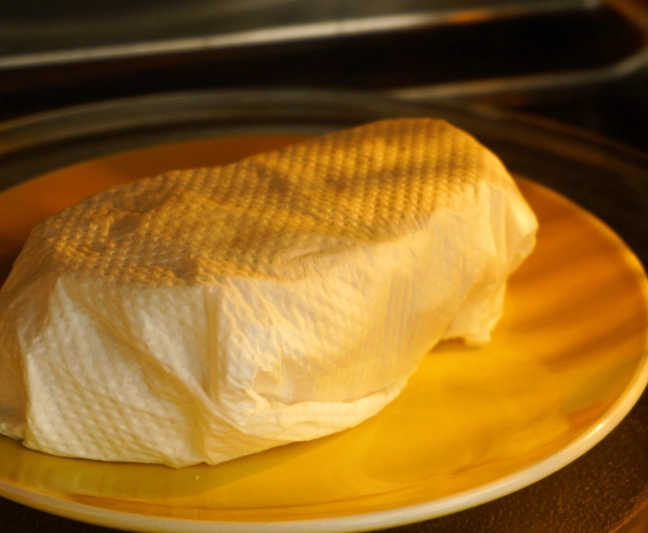
4. The Apple Slice Trick: The Passive Reviver
No appliances needed. This is a fantastic trick for softening a whole loaf in its bag overnight. The apple slice acts as a natural humidifier.
How to do it: Take a slice of fresh apple (any kind). Place it in the bag with your stale bread. Seal the bag tightly. Leave it on the counter for 6-12 hours, preferably overnight. The moisture from the apple will transfer to the bread, softening it. Remove the apple slice before eating.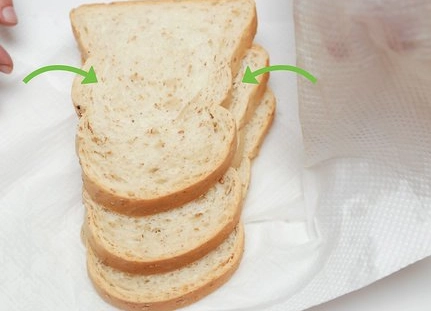
It's subtle magic. The bread won't taste like apple, but it will regain a remarkable softness. Perfect for when you remember you need soft bread for tomorrow's lunch sandwiches.
5. The Damp Cloth Method: Gentle and Even
A less common but highly effective technique, especially for crusty breads you don't want to steam directly. It's like giving your bread a spa treatment.
How to do it: Dampen a clean kitchen towel (linen or cotton works best) with water and wring it out completely. Wrap the stale bread loosely in the damp cloth. Let it sit at room temperature for 1-2 hours. For a faster result, you can place the wrapped bread in a 200°F (95°C) oven for 15-20 minutes. The slow, even moisture penetration works wonders.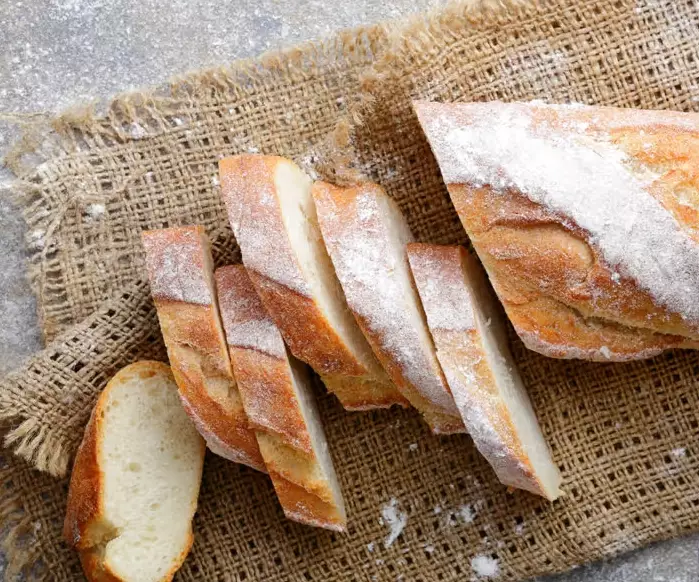
Choosing Your Weapon: A Quick Comparison
| Method | Best For | Time | Result |
|---|---|---|---|
| Steam | Crusty rolls, baguettes, single slices | 1-5 mins | Soft inside, crisp crust |
| Oven | Whole loaves, sandwich bread | 10-15 mins | Evenly soft, warm |
| Microwave (with towel) | Quick fix for a slice or roll | 10-30 secs | Very soft, can be rubbery if overdone |
| Apple Slice | Softening a whole loaf overnight | 6-12 hours | Gentle, all-over softness |
| Damp Cloth | Artisan loaves, no appliance use | 1-2 hours | Moist, tender crumb |
3 Common Mistakes That Keep Your Bread Hard
Seeing these mistakes over and over is what prompted me to write this. Avoid these, and your success rate will skyrocket.
- Mistake 1: The High-Power Microwave Blast. We covered it. It creates more problems than it solves. Always use medium power and a damp cover.
- Mistake 2: Soaking or Over-Wetting. A light spritz or a damp cloth is enough. Dunking bread in water or soaking the cloth will give you a wet, mushy exterior that never truly recovers. You're adding moisture, not boiling the bread.
- Mistake 3: Not Sealing the Deal. Once you've revived your bread, eat it within a few hours. The staling process will restart, and often faster than before. Revived bread doesn't get a second shelf life. Plan to consume it shortly after treatment.
Your Questions, Answered
The bottom line? That hard loaf on your counter isn't a failure, it's an opportunity. With a bit of heat, a touch of moisture, and the right technique, you can bring it back to life. It saves money, reduces food waste, and delivers the simple joy of soft, delicious bread. Next time you feel that firm crust, don't despair—grab a pot, your oven, or even an apple slice, and give it a second chance.



Leave a Comment