Your Baking Journey
- Why Molasses is the Non-Negotiable Heart of the Best Gingerbread
- The Complete Ingredient List (And What Each One Actually Does)
- The Step-by-Step Process: It's More Than Just Mixing
- Frosting, Decorating, and Storing Your Masterpiece
- Your Gingerbread Cookie Questions, Answered
- The Final Verdict: Why This Recipe Works
Let's be honest. A lot of gingerbread cookies out there are just... okay. Sometimes they're too hard, like little spiced hockey pucks. Sometimes they're bland, missing that deep, warm kick. And sometimes they spread into one giant, sad cookie blob on the sheet. I've been there. I've baked trays of disappointment.
My quest for the best gingerbread cookies recipe with molasses started years ago, after one particularly tragic batch that my family politely called "interesting." It wasn't. It was bad.
So I tweaked, tested, and ate more gingerbread than any sane person should. I learned it all comes down to a few key things: the right molasses, the balance of spices you actually can taste, and a method that gives you control over the texture. This recipe is the result of all those (sometimes failed) experiments. It's the one I come back to every holiday, and the one friends ask for. It's not just a recipe; it's a blueprint for getting it right.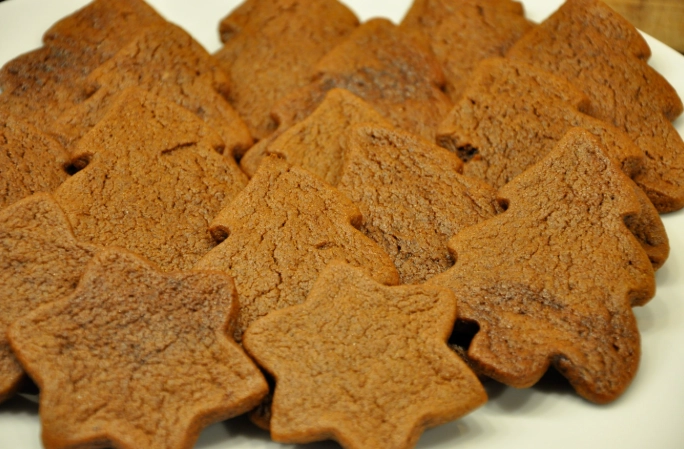
Why Molasses is the Non-Negotiable Heart of the Best Gingerbread
You can't have real gingerbread without molasses. It's like trying to make a margarita without lime. The sugar alternatives just don't cut it. Molasses is what gives gingerbread its signature color, its moistness, and that complex, almost bittersweet flavor that balances the spices.
But not all molasses is the same, and picking the wrong type is the first stumble on the path to great cookies.
Molasses does more than flavor. It's hygroscopic, meaning it attracts and holds moisture. This is the secret weapon for a cookie that stays soft and chewy for days, not one that turns into a jawbreaker by Christmas morning. If you're aiming for the best gingerbread cookies recipe with molasses, understanding this ingredient is step zero.
I remember once substituting fancy maple syrup because I ran out of molasses. Big mistake. The cookies were pale, cakey, and just sweet. They lacked soul. Never again.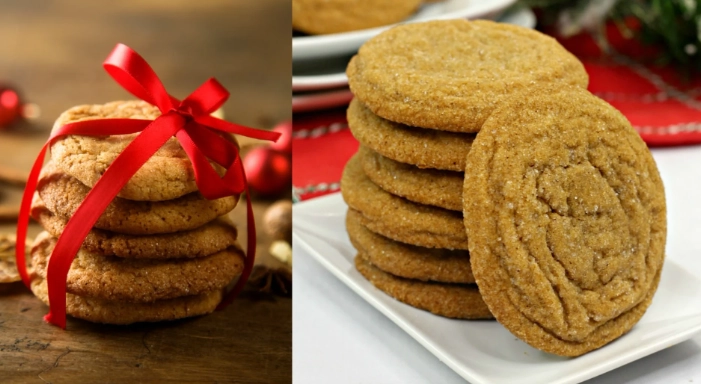
The Complete Ingredient List (And What Each One Actually Does)
Here's everything you'll need. This isn't just a shopping list; I'm telling you why each item is here and what happens if you mess with it. Baking is science, but tasty science.
| Ingredient | Measurement | The "Why" Behind It |
|---|---|---|
| All-purpose flour | 3 ¼ cups (415g) | The structure. Bread flour makes them tough, cake flour too crumbly. All-purpose is the Goldilocks choice. |
| Baking soda | 1 tsp | Our leavener. It reacts with the molasses and brown sugar to give a gentle rise and open crumb. |
| Salt | ¾ tsp | Crucial. It balances the sweetness and makes all the other flavors pop. Don't skip it. |
| Ground ginger | 1 tbsp | The star spice. Yes, a full tablespoon. We want gingerbread, not faintly spiced sugar cookies. |
| Ground cinnamon | 1 ½ tsp | Warmth and sweetness. It's ginger's best friend. |
| Ground cloves | ¼ tsp | Use a light hand. Cloves are powerful, but a little adds deep, pungent warmth. |
| Unsalted butter | ¾ cup (170g), softened | For flavor and tenderness. Unsalted lets you control the salt level. It must be softened, not melted. |
| Dark brown sugar | ¾ cup, packed (150g) | Adds moisture and a caramel-like depth that white sugar can't provide. |
| Large egg | 1 | Binds everything together and adds richness. |
| Unsulphured molasses | ½ cup (120ml) | The heart and soul. This is what makes it gingerbread. |
| Vanilla extract | 1 tsp | Round out the flavors. A subtle background note that ties everything together. |
The Step-by-Step Process: It's More Than Just Mixing
Okay, let's make some cookies. I'll walk you through this, pointing out the spots where things can go right or wrong.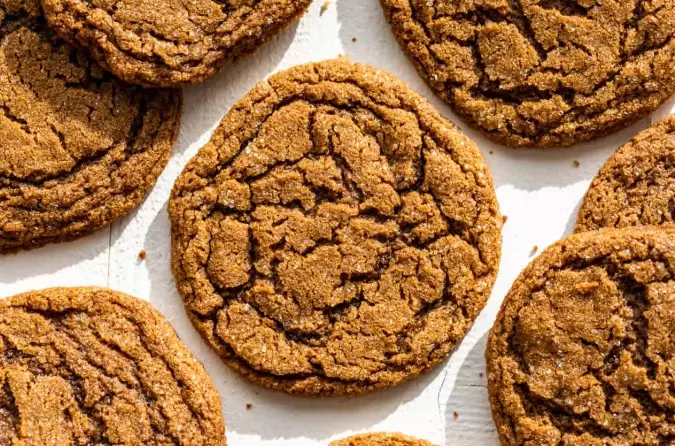
1. Whisk the Dry Stuff (Properly)
In a medium bowl, whisk the flour, baking soda, salt, ginger, cinnamon, and cloves. Don't just dump and stir. Actually whisk it for a good 30 seconds. This does two things: it combines everything evenly so you don't get a bite of pure baking soda, and it aerates the flour a tiny bit. Set this bowl aside.
This is the foundation. Get it right here.
2. Creaming Butter and Sugar - The Make or Break Moment
In a large bowl, use an electric mixer (hand or stand) to beat the softened butter and dark brown sugar together on medium speed. We're not just mixing; we're creaming. Do this for 2-3 minutes, until the mixture is light, fluffy, and pale in color. It should look like creamy coffee ice cream.
Scrape down the sides of the bowl. Now beat in the egg, molasses, and vanilla until the mixture is smooth and uniform. It will be a beautiful, dark, glossy brown.
3. Bringing It All Together
Now, with your mixer on low speed, gradually add the dry ingredients to the wet. I add it in about three additions. Mix only until the flour disappears. The moment you don't see dry flour, stop. Overmixing at this stage develops the gluten in the flour, leading to tough cookies.
Your dough will be quite soft and sticky. This is normal and correct.
4. The Chill Time - Your Patience Will Be Rewarded
Divide the dough in half. Place each half on a piece of plastic wrap or parchment paper. Shape each into a flat disc (about 1-inch thick), wrap tightly, and refrigerate for at least 3 hours, or ideally overnight.
I know, I know. Waiting is the worst. But this is the single most important tip for achieving the best gingerbread cookies recipe with molasses outcome. Chilling does several magical things:
It firms up the butter, so your cookies hold their shape and don't spread into pancake-like blobs.
It allows the flour to fully hydrate, leading to a more consistent texture.
It gives the flavors time to meld and deepen. The dough tastes better tomorrow than it does today.
Can you skip it? You can try. But your cookies will spread, be greasy, and lack that perfect texture. Don't be that person.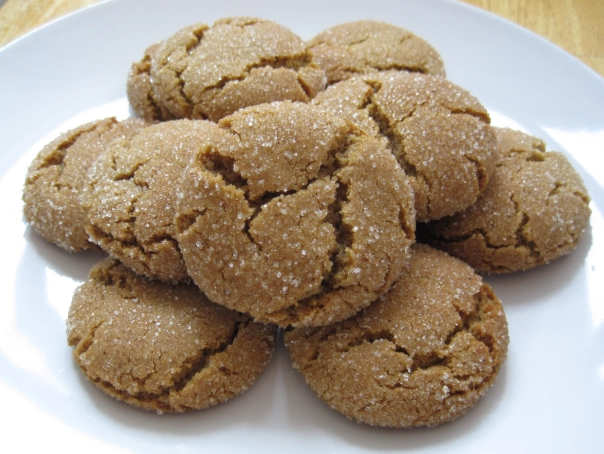
5. Rolling, Cutting, and Baking
Preheat your oven to 350°F (177°C). Line baking sheets with parchment paper.
Take one disc of dough out of the fridge. Let it sit on the counter for 5-10 minutes to become just pliable enough to roll. Lightly flour your work surface and rolling pin. Roll the dough to about ¼-inch thickness. I find that thickness gives you the ideal soft-yet-sturdy cookie.
Cut out your shapes. Dip your cutter in flour between cuts to prevent sticking. Place the cookies about 2 inches apart on the prepared sheets.
Bake for 8-10 minutes. The cookies are done when the edges look set and the centers appear slightly puffed but still soft. They will firm up as they cool.
Let the cookies cool on the baking sheet for 5 minutes before transferring them to a wire rack to cool completely. This lets them finish setting without falling apart.
Frosting, Decorating, and Storing Your Masterpiece
Once completely cool, you can decorate. A simple royal icing (just confectioners' sugar, meringue powder, and water) works perfectly for piping details. For a less fussy option, a simple glaze of confectioners' sugar and milk or lemon juice is delicious.
Storing is easy. Once iced and fully dry, layer them between sheets of parchment paper in an airtight container. They'll stay soft and delicious for up to a week at room temperature. You can also freeze the undecorated cookies for up to 3 months—just thaw and decorate when needed.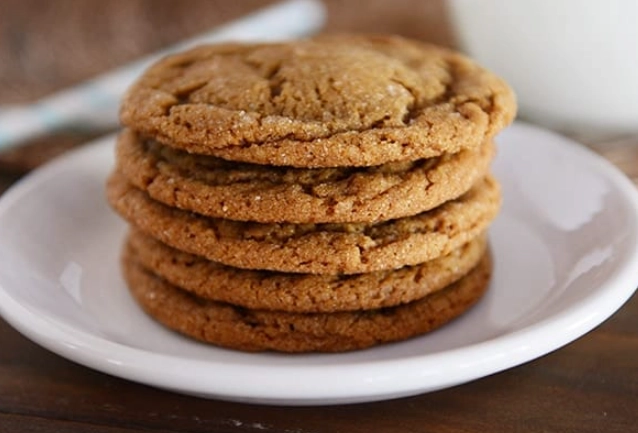
Your Gingerbread Cookie Questions, Answered
The Final Verdict: Why This Recipe Works
After all this, why do I call this the best gingerbread cookies recipe with molasses? It's not a gimmick. It's because every choice—from the type of molasses to the tablespoon of ginger, from the creaming time to the mandatory chill—is designed to solve a specific problem that plagues lesser recipes.
It gives you a cookie with a deep, complex flavor that actually tastes of spice, not just sugar. It gives you a texture that's soft and chewy the day you bake it and still soft days later. And it gives you a dough that's reliable to work with, not a sticky nightmare.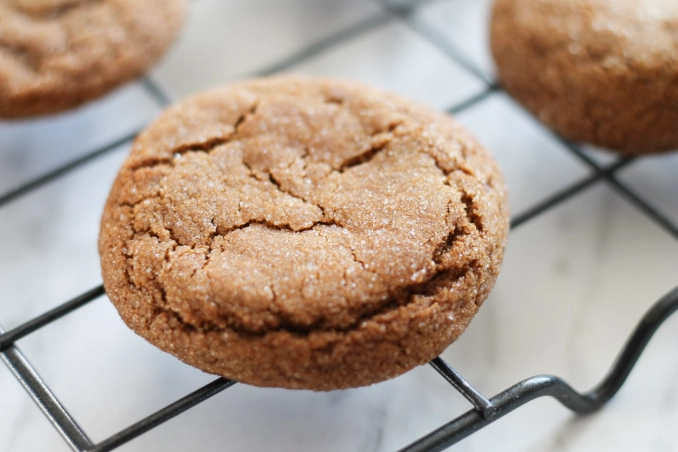
Baking should be fun, not frustrating. This recipe removes the guesswork and the common failures. It's the one I trust, and I think you'll come to trust it too. So grab your molasses, check the date on your spices, and get ready to make the gingerbread cookies that will finally live up to the holiday hype.
Give it a try. And when your kitchen smells like Christmas and you bite into a perfectly soft, spicy cookie, you'll know the hunt was worth it.


Leave a Comment