Essential Insights
Okay, let's be real. We've all been there. You find a recipe that promises "the best sugar cookies ever," you follow it to the letter, and what comes out of the oven is... fine. Maybe they're a bit too crisp, or they spread into shapeless blobs, or they taste more like sweet cardboard than the melt-in-your-mouth, buttery dream you were picturing. You're left wondering, what is the secret to a good sugar cookie that actually delivers?
I've asked myself that more times than I care to admit. After years of baking (and a fair share of hockey-puck and pancake-cookie failures), I've learned it's never just one magic trick. It's a combination of science, a few non-negotiable techniques, and understanding why each step matters. Forget the vague instructions; we're going deep. This isn't about a single secret, but about uncovering all of them.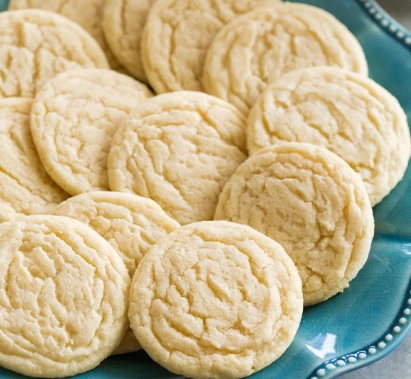
So, what is the secret to a good sugar cookie? If I had to pin it down to one overarching principle, it's control. Control over your ingredients' temperature, control over gluten development, and control over moisture. Master that, and you've won ninety percent of the battle.
The Foundation: It All Starts With Your Ingredients
You can't build a great house with poor materials, and the same goes for cookies. The quality and state of your ingredients set the stage for everything that follows.
Flour Power: More Than Just White Dust
All-purpose flour is the standard, and for good reason. But not all AP flours are created equal. Brands differ in protein content, which affects gluten. For a tender cookie that still holds its shape, you want a moderate-protein flour. I've had great results with King Arthur and Gold Medal. Bread flour? Too much protein, leading to toughness. Cake flour? Too little, causing excessive spread and crumbliness.
How you handle the flour is crucial. Always, always spoon it into your measuring cup and level it off. Scooping directly from the bag packs it down, and you can end up with 10-20% more flour than the recipe intends. That's a direct ticket to dry, crumbly cookies. For absolute precision, a kitchen scale is your best friend. 120-125 grams per cup is a good standard weight.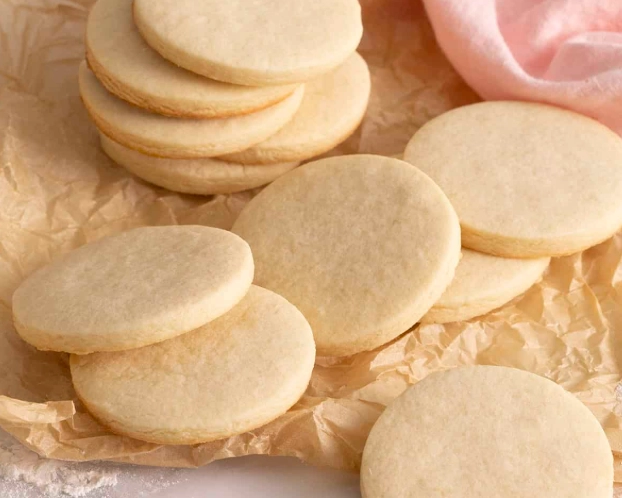
The Butter Debate: Salted vs. Unsalted & The Temperature Saga
This is where many bakers get tripped up. Always use unsalted butter. Why? Salt is a preservative, and salted butter can have varying salt content. Using unsalted butter lets you control the exact amount of salt in your dough, which is vital for balancing sweetness and enhancing flavor. The salt in your recipe is there for taste, not just tradition.
Butter Temperature is THE Big One. Most recipes casually say "room temperature butter." This is tragically vague. Room temperature in Alaska is different from room temperature in Florida. What you need is butter that is around 65-68°F (18-20°C). It should be cool to the touch but pliable. When you press it with your finger, it should make an indent without sliding right through or cracking.
Too cold, and it won't cream properly with the sugar, leading to dense cookies. Too warm, and it won't hold air during creaming, resulting in flat, greasy cookies. I can't stress this enough—getting this right solves half your cookie problems. If you're unsure, the USDA's food safety guidelines on ingredient temperatures are a good reference for safe handling, though they focus on safety over baking precision.
Let's talk about creaming. This isn't just mixing. It's the process of beating butter and sugar together to incorporate tiny air bubbles. These bubbles expand in the oven, giving the cookie lift and a tender crumb. Do it for a full 3-5 minutes with a stand or hand mixer until the mixture is noticeably paler and fluffy. This step builds structure.
Sugar: Not Just Sweetness
Granulated white sugar is standard, but its role is dual. It sweetens, of course, but it also tenderizes by interfering with gluten formation and promotes spreading and browning through caramelization. Some bakers swear by using a tablespoon of brown sugar in place of some white sugar. The molasses adds a hint of warmth and moisture, leading to a slightly softer cookie. It's a small tweak with a noticeable impact.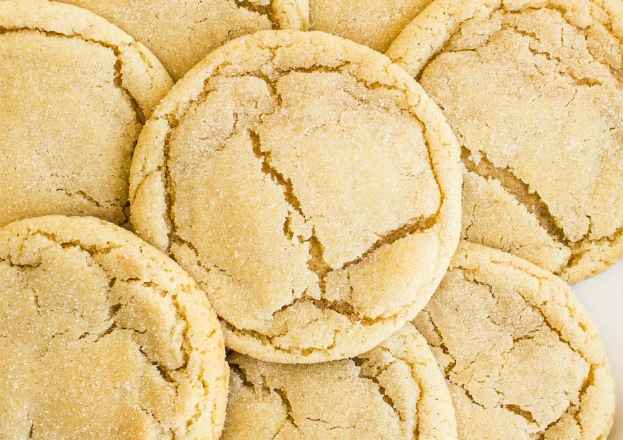
Eggs: Your Binding Agent and Source of Richness
Use large eggs, and like your butter, they should be at room temperature. A cold egg can re-solidify bits of your beautifully creamed butter, breaking your emulsion. To quickly bring an egg to room temp, place it in a bowl of warm (not hot) water for 5-10 minutes. The egg adds structure, richness, and helps bind everything together.
Leavening and Flavorings
Baking powder is common in sugar cookies for a bit of lift. Make sure it's fresh. Test it by dropping a bit in hot water—if it doesn't fizz vigorously, toss it. Vanilla extract is non-negotiable. Use pure extract, not imitation. For a next-level flavor, try scraping the seeds from a vanilla bean or using a high-quality vanilla bean paste. The difference in aroma is incredible.
The Technique: Where the Magic (or Disaster) Happens
You've got great ingredients. Now, don't ruin them with rushed technique. This is where you answer the question, "What is the secret to a good sugar cookie?" with your actions.
The Mixing Order: A Sacred Sequence
1. Cream butter and sugar thoroughly (3-5 mins). 2. Add egg and vanilla; mix until just combined. 3. Whisk dry ingredients (flour, salt, baking powder) in a separate bowl. This ensures even distribution. 4. Add dry to wet on low speed. Mix until *just* combined and no dry streaks remain. Overmixing at this stage develops gluten, leading to tough cookies. It's okay if the dough looks a bit crumbly; it will come together when chilled.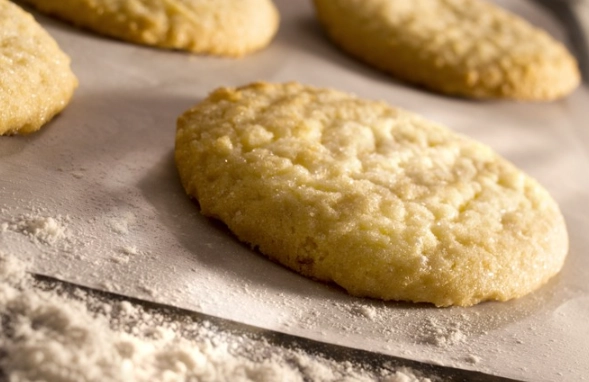
I sometimes add a tiny pinch of almond extract (⅛ tsp) along with the vanilla. It doesn't taste like almond, but it amplifies the buttery, sweet flavor in a mysterious way. Don't overdo it, or it will taste like marzipan.
Chilling: The Step You're Tempted to Skip (Don't!)
This is arguably the most important step for cut-out cookies. Chilling the dough solidifies the butter. When cold butter hits the hot oven, it takes longer to melt, giving the cookie structure time to set. This prevents catastrophic spreading. It also allows the flour to fully hydrate, resulting in a more consistent texture.
Wrap your dough in plastic and chill for at least 2 hours, preferably overnight. The flavor also improves as it rests. If the dough is rock hard after chilling, let it sit on the counter for 10-15 minutes until it's pliable enough to roll.
Rolling and Cutting: The Final Shaping
Roll your dough between two pieces of parchment paper. This prevents adding extra flour, which can make cookies dry. Aim for an even ¼-inch thickness. Use flour-dipped cutters and press straight down without twisting. Twisting can seal the edges, preventing a good rise.
Baking: The Final Frontier
Oven temperature accuracy is key. An oven thermometer is a cheap and essential tool. Most home ovens run hot or cold. Bake at 350°F (175°C) on the middle rack.
My biggest personal failure was ignoring my oven's hot spots. I'd get a tray with some perfect cookies and some burnt ones. Now, I rotate the baking sheet halfway through the bake time. It's a simple fix that makes a world of difference. Also, bake one sheet at a time. Crowding the oven with multiple sheets disrupts airflow and leads to uneven baking.
The cookies are done when the edges are set and just barely starting to turn golden. The centers may look slightly soft—they will firm up as they cool. Overbaking is the enemy of softness. Let them cool on the sheet for 5 minutes before transferring to a wire rack.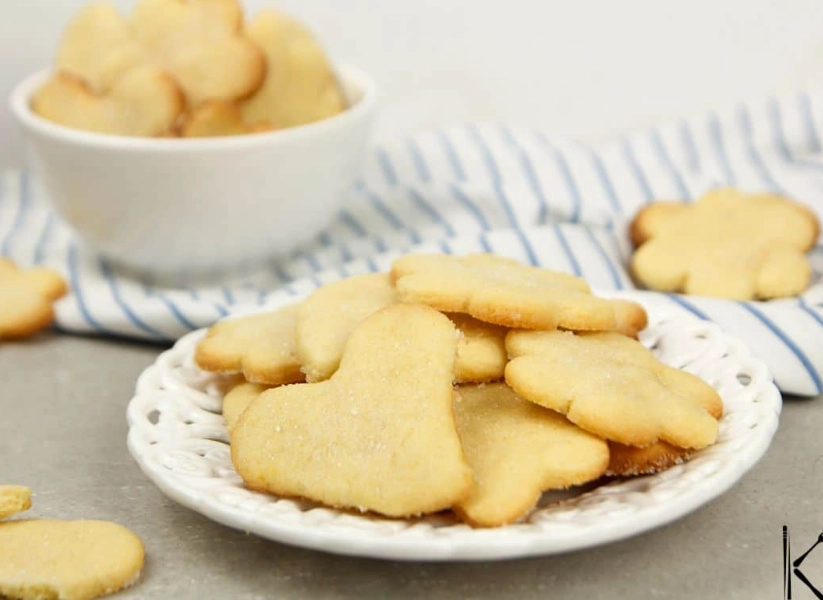
The Ingredient Impact Table: What Changes What
It's helpful to see how tweaks affect the final product. Here’s a quick guide:
| Ingredient/Technique | If You Use MORE/DO This | If You Use LESS/AVOID This | The Secret It Reveals |
|---|---|---|---|
| Flour | Dry, cakey, crumbly cookie. Holds shape well. | Flat, greasy, spread-out cookie. | Precise measurement is non-negotiable. |
| Butter Temperature | Too warm: Flat, thin, crispy cookie. | Too cold: Dense, crumbly, poor spread. | 65-68°F is the sweet spot for structure and air. |
| Chilling Time | Longer chill: Sharper edges, less spread, better flavor. | No chill: Cookies spread into puddles, lose shape. | Chilling controls spread and develops flavor. |
| Creaming Time | 3-5 mins: Light, tender, properly aerated crumb. | 30 seconds: Dense, heavy texture. | Creaming isn't mixing; it's building structure. |
| Baking Time | Overbaked: Hard, crispy, dark edges. | Underbaked: Pale, doughy, too soft. | Pull them when edges are *just* golden. |
Frosting and Decorating: The Icing on the Cookie
A good sugar cookie deserves a good frosting. Royal icing is the go-to for a smooth, hard-drying finish perfect for detailed work. The key is consistency. You need different consistencies for outlining (thicker) and flooding (thinner).
For a simpler, creamier option, try an easy glaze with powdered sugar, milk, and vanilla. It sets with a slight crust but stays softer underneath. American buttercream is delicious but can be too sweet and soft for detailed piping on cookies.
For the science behind how sugars and fats work in icings, resources from places like the Institute of Food Technologists can be fascinating, though their content is more technical.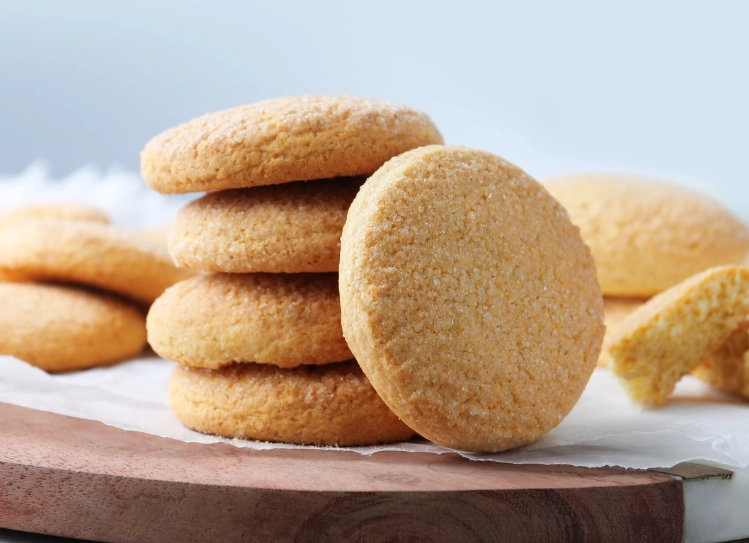
Answering Your Burning Questions
So, after all this, what is the secret to a good sugar cookie?
It's the understanding that baking is a gentle science. It's respecting the role of each ingredient. It's the patience to cream the butter properly and chill the dough thoroughly. It's the vigilance to pull them from the oven at the perfect moment. It's the willingness to measure carefully and learn from each batch.
The real secret is realizing that a truly great sugar cookie—one that's tender yet sturdy, buttery but not greasy, sweet but not cloying—is the sum of a dozen small, perfectly executed steps. Skip one, and the cookie will tell on you. Master them all, and you'll never need to search for another secret again. You'll have created your own.
Now go preheat your oven, and get your butter out. But not for too long.


Leave a Comment