Quick Guide
Let's be honest. Your first attempt at high altitude baking was probably a disaster. I know mine was. I followed my grandma's chocolate chip cookie recipe to the letter, the one that always worked back home. What came out of the oven looked like a single, giant, flat cookie-cake hybrid. It was crisp on the edges, weirdly raw in the middle, and tasted… off. That was my rude introduction to baking at 5,280 feet.
It's not you. It's the air. Or rather, the lack of it. Baking is a precise science of chemistry and physics, and when you change the fundamental pressure of the atmosphere, the rules of the game change completely. Recipes designed for sea level are playing a different sport up here.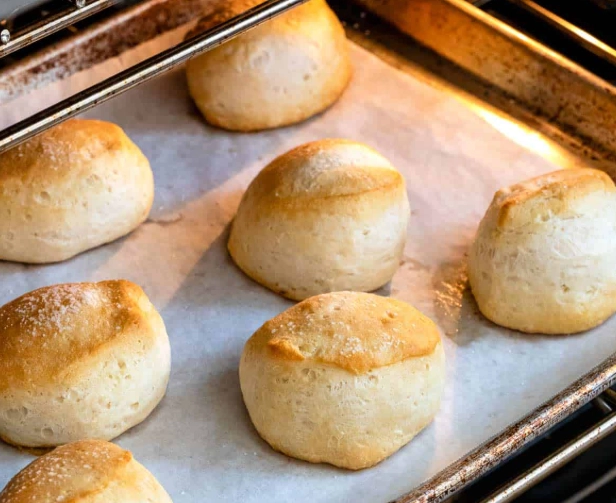
But here's the good news: once you understand why things go wrong, fixing them becomes a logical puzzle, not a magical mystery. You can stop throwing away failed cakes and bricks of bread. This guide is the result of my own trial and error (so much error), countless conversations with other mountain-dwelling bakers, and a deep dive into the food science resources from places that know a thing or two about thin air.
Why Does High Altitude Wreck Your Baking?
It all boils down to air pressure. As you go higher, atmospheric pressure decreases. This might sound trivial, but it affects everything that involves air bubbles, boiling points, and evaporation. It's the core science behind successful high altitude baking.
Here are the main culprits you'll face, the classic "symptoms" of high altitude baking woes:
- The Great Collapse: Your beautiful cake dome rises gloriously, then sinks in the center like a deflated balloon as it cools. The structure couldn't hold the over-expanded air.
- The Dry Spell: Muffins, cakes, and breads that taste parched and crumbly, even though you didn't overbake them. Moisture vanished into the dry mountain air.
- The Overflow: Batters bubbling over the sides of the pan in the oven, making a smoky, burnt mess. Too much leavening, too fast.
- The Never-Ending Bake: Your cookies stay in a permanent puddle phase, or the center of your quick bread stays wet, because the liquid isn't evaporating and setting at the expected rate? Wait, sometimes it's the opposite. Actually, it's confusing because the science pushes in both directions. This is where precise adjustments come in.
It's frustrating. You follow a trusted recipe and get punished for it. But blaming the recipe (or yourself) is the first mistake. The recipe is fine—it's just in the wrong environment.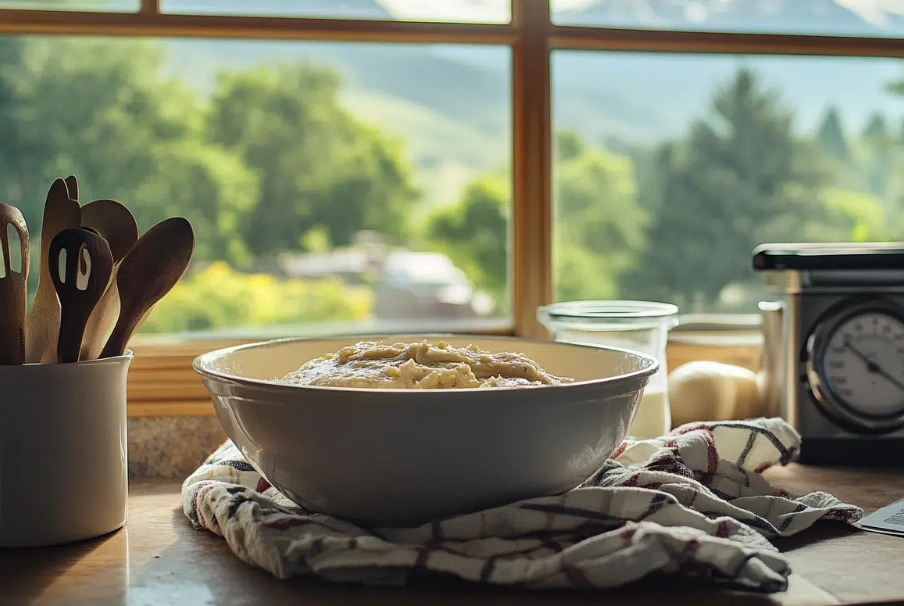
Your High Altitude Baking Adjustment Toolkit
You don't need to be a food scientist. You just need a set of reliable tweaks. Think of these as your dials and knobs. Not every recipe needs every adjustment, but knowing which one to turn is the key.
The adjustments vary based on your exact altitude. A 3,000-foot adjustment won't cut it at 7,000 feet. Here’s a general starting point. I keep a printed version of a chart like this on my fridge.
| Ingredient / Factor | 3,000 - 5,000 ft | 5,000 - 7,000 ft | 7,000 ft & Above | Why You Do It |
|---|---|---|---|---|
| Sugar | Reduce by 1-2 Tbsp per cup | Reduce by 1-3 Tbsp per cup | Reduce by 1-4 Tbsp per cup | Less sugar strengthens the batter's structure and reduces over-spreading. |
| Liquid | Increase by 1-2 Tbsp per cup | Increase by 2-4 Tbsp per cup | Increase by 3-4+ Tbsp per cup | Compensates for faster evaporation and keeps baked goods moist. |
| Flour | Add 0-1 Tbsp per cup | Add 1-2 Tbsp per cup | Add 2-3 Tbsp per cup | Extra flour adds structure to contain the rapid gas expansion. |
| Baking Powder/Soda | Reduce by 1/8 tsp per tsp | Reduce by 1/8 to 1/4 tsp per tsp | Reduce by 1/4+ tsp per tsp | Slows down the furious rise to prevent collapse. |
| Oven Temperature | Increase by 15-25°F | Increase by 25°F | Increase by 25-30°F | Sets the structure faster before the bubbles get too big. |
See? It's a system. Now, let's get specific.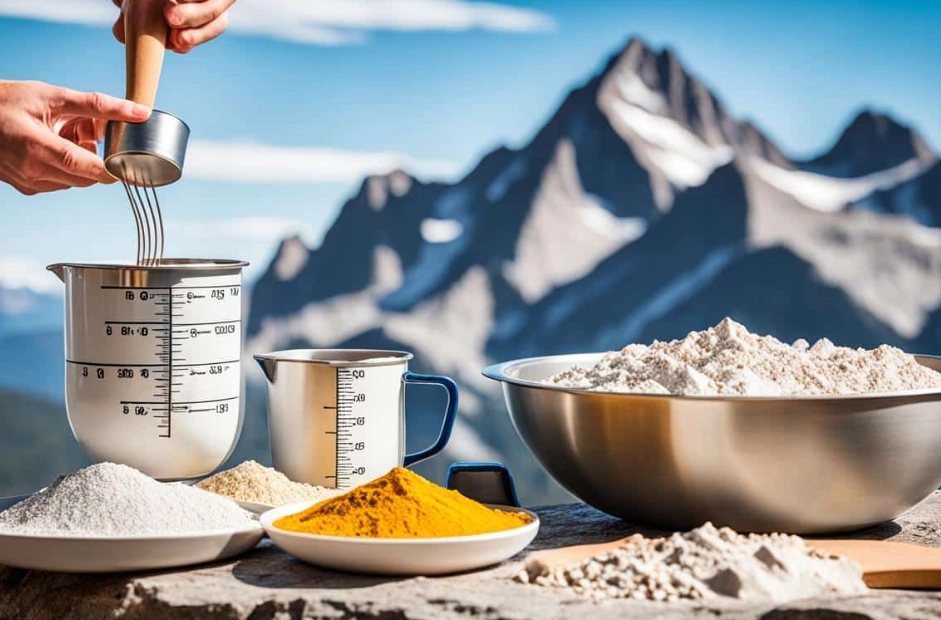
Mastering Cakes & Cupcakes at High Altitude
Cakes are the most temperamental, and thus where high altitude baking skills are truly tested. A butter cake, a sponge cake, and a chiffon cake all react a bit differently, but the core principles hold.
My personal nemesis was the angel food cake. Light as air, right? At altitude, it's more like "dense as a brick." The key there is a significant reduction in sugar (it weakens the egg white foam) and a slightly lower temperature to let it climb the tube pan slowly. For most butter-based cakes, here's my battle-tested process:
- Start with the chart above. For my altitude (5,500 ft), I automatically reduce sugar by 2 Tbsp per cup and add 2 extra Tbsp of liquid (milk, water, buttermilk) per cup.
- Add an extra egg (or just a yolk). This isn't on every chart, but it's a fantastic trick. The extra protein and fat add richness and strengthen the crumb. For a standard two-layer cake recipe, I add one whole extra egg. It makes a noticeable difference in texture.
- Don't over-cream the butter and sugar. At sea level, they tell you to cream for 5-7 minutes until pale and fluffy. Up here, that incorporates too much air too early. I cream for just 2-3 minutes. We want controlled rise, not a premature explosion.
- Use the toothpick test, but trust your instincts. Because of the higher oven temp, cakes often bake 5-10 minutes faster. Start checking early. The toothpick should come out with a few moist crumbs, not completely clean.
Conquering Cookies, Quick Breads & Muffins
These are more forgiving, but they have their own quirks. The main issue is spread and dryness.
Cookies want to become giant, thin lace doilies. To combat this: reduce baking soda/powder slightly, increase flour by a tablespoon or two per batch, and consider chilling the dough longer—overnight is best. A cold dough spreads less. Also, slightly higher oven temp helps set the edges before they slump.
For muffins, banana bread, and zucchini bread, the enemy is dryness and tunneling (big air holes). Increase the liquid significantly. If the recipe calls for 1 cup of milk, I'll use 1 cup + 3 Tablespoons at my altitude. Also, a smidge more fat (butter or oil) can help. And mix the batter just until combined—overmixing develops gluten and leads to toughness.
The Yeast Beast: Bread Baking High Up
Bread is a living thing, and yeast loves the low-pressure party a bit too much. It ferments faster, which can lead to over-proofed, sour-tasting dough that collapses in the oven.
My adjustments for high altitude bread baking are more about process than ingredients:
- Use slightly less yeast. About 25% less than the sea-level recipe calls for.
- Shorten the rise times. Your first rise might be done in 45 minutes instead of 60. Don't go by the clock; go by size. It should be about doubled, not tripled.
- Punch down firmly and give it a good shape. This strengthens the gluten network.
- Consider a bit more salt. Salt slows yeast activity and strengthens gluten. An extra 1/4 tsp for a standard loaf can help rein things in.
- Egg washes are your friend. They help prevent the crust from drying out and splitting too dramatically during the explosive oven spring.
I find bread baking at altitude to be more rewarding once you get it. The flavor development can be fantastic if you keep the yeast in check.
A Simple, Tested High Altitude Yellow Cake Recipe
Talk is cheap. Here's a recipe, adjusted for ~5,000-6,500 feet, that works. It's a basic vanilla cake, the kind you'd use for a birthday or layer cake. This is where the theory becomes something you can eat.
High Altitude Vanilla Layer Cake
(Makes two 9-inch rounds)
- 2 1/4 cups (281g) all-purpose flour (I measured this properly, and it includes the altitude increase)
- 1 3/4 cups (350g) granulated sugar (this is reduced from a sea-level amount of ~2 cups)
- 3 1/2 tsp baking powder (slightly reduced from 4 tsp)
- 1 tsp salt
- 1 cup (2 sticks) unsalted butter, room temperature
- 4 large eggs + 1 extra yolk (the altitude egg trick!)
- 1 cup whole milk + 3 Tablespoons (the extra liquid)
- 2 tsp vanilla extract
Method: Preheat oven to 375°F (increased temp). Grease and flour your pans. Whisk dry ingredients. Beat butter for 2-3 minutes until smooth. Gradually add sugar, beat another 2 minutes. Add eggs one at a time, then the yolk, beating well after each. Mix in vanilla. Add dry ingredients in three parts, alternating with the milk in two parts, starting and ending with flour. Mix just until combined. Divide, bake for 25-30 minutes until a tester comes out clean. Cool in pans 10 minutes, then turn out.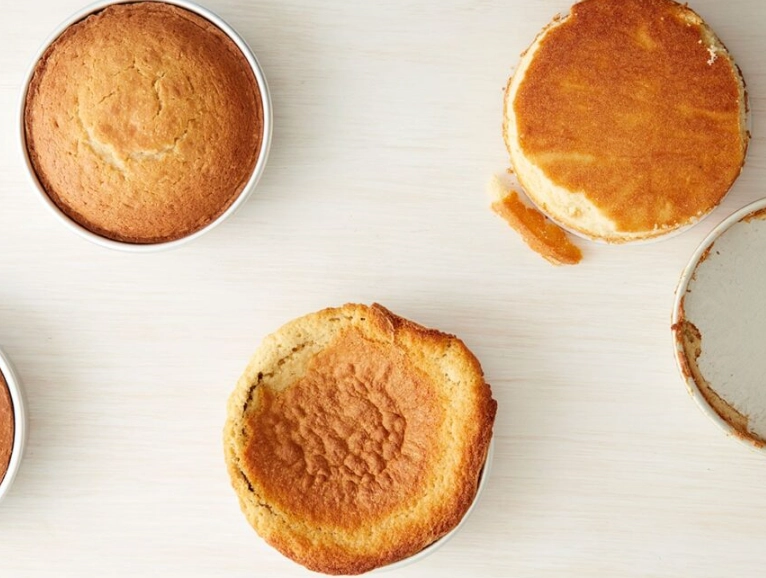
Answers to Your Burning High Altitude Baking Questions
Over the years, I've heard and asked every question imaginable. Here are the real ones.
Do I really need to adjust for altitudes below 3,000 feet?
Usually, no. Most standard recipes are forgiving up to about 2,500-3,000 feet. You might see slight differences, but major flops are less common. Consider yourself in a sweet spot. But if you're at 3,000 feet and a cake fails, try a minor adjustment (like 1 Tbsp less sugar) next time.
Can I just use a high altitude baking mix?
Sure, brands like King Arthur Flour offer them, and they work. But they lock you into that brand and flavor. Learning to adjust your own recipes is empowering and cheaper in the long run. It turns any cookbook or food blog into your personal recipe box. That said, if you're in a pinch, a tested mix is a stress-free solution. The King Arthur Baking website is also an incredible resource for all bakers, with a whole section dedicated to high-altitude baking.
My bread crust is always so hard and dark. Help!
This is common. The faster evaporation at altitude pulls moisture from the surface quickly. Try placing a shallow pan of boiling water on the bottom rack of your oven during baking to create steam. Also, tenting the loaf with foil for the last 15 minutes of baking can prevent over-browning. And don't skimp on the egg wash or milk wash—it creates a barrier.
What's the most common mistake new high altitude bakers make?
Trusting the sea-level baking time. Always, always check for doneness early. Your oven might also run hot or cold, so an oven thermometer is a better investment than a fancy pan. The second biggest mistake is making all the adjustments at once on a new recipe. If it's a family favorite, adjust in stages. Change the flour and liquid first, bake it, see what happens. Then tweak the leavening next time.
Are there any official resources for this?
Absolutely. While food blogs (like this one!) offer great practical experience, the gold-standard science comes from agricultural extensions in high-altitude states. The Colorado State University Extension has published fantastic, peer-reviewed guides on high-altitude food preparation for decades. Their materials are reliable, science-based, and free. The US Department of Agriculture also has general food safety and preservation guidelines that touch on altitude effects. These are the sources that give your adjustments a backbone of real research.
Pulling It All Together: Your Baking Mindset at Altitude
Here's the final, maybe most important piece of advice: embrace the experimentation. Your first adjusted recipe might not be perfect. Take notes. Was it still too dry? Add more liquid next time. Did it not rise enough? Maybe you reduced the baking powder a touch too much.
High altitude baking forces you to become a better, more intuitive baker. You learn what each ingredient does, not just that you need "two cups of flour." You start reading recipes as a set of reactions, not just a list of commands.
Keep a baking journal. Note your altitude, the adjustments you made, and the result. Over time, you'll develop your own charts and instincts. You'll look at a sea-level recipe and just know what it needs.
And sometimes, you'll still have a flop. I did last month with a new olive oil cake. It happens to everyone. The important thing is that now you know it's not you, it's the air. And you have the tools to fix it next time.
So preheat that oven, pull out the mixing bowls, and get baking. The mountain air is waiting—and this time, you're ready for it.
Leave a Comment