Baker's Quick Guide
- The Multi-Talented Egg: It's Not Just Binding
- The Direct Effects: What Actually Happens When You Add a Whole Extra Egg
- The Cookie Type Guide: Where an Extra Egg Shines (and Where It Flops)
- How to Intelligently Adjust Recipes (The Fix-It Guide)
- Answering Your Burning Questions (FAQ)
- The Final Verdict: To Add or Not to Add?
You're standing in your kitchen, cookie dough halfway mixed, and a thought hits you. What would happen if I just tossed in one more egg? The recipe says one, but maybe two would be… better? It's a classic baker's gamble. Sometimes it turns out brilliantly, giving you the chewy, puffy masterpiece you dreamed of. Other times, you end up with something closer to a cookie-shaped cake or a sad, flat puddle. I've been there. I once ruined a whole batch of what were supposed to be classic chocolate chips because I got overzealous with the eggs. They spread like crazy and had this weird, sponge-like crumb. Not great.
So, let's crack this question open (pun intended). What does adding an extra egg do to cookies? It's not a simple yes-or-no tweak. That single egg is a multi-tasking powerhouse in your dough, and adding an extra one sends ripple effects through the entire chemistry of baking. We're talking about changes to texture, structure, moisture, and even how much your cookies spread on the pan. If you've ever wondered why your cookies didn't turn out right, the egg count might be the silent culprit.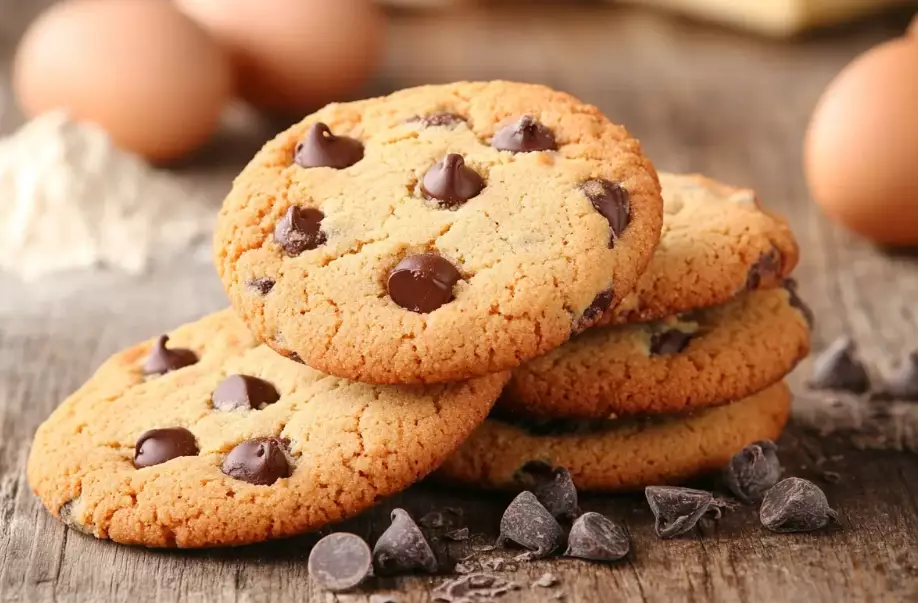
The Multi-Talented Egg: It's Not Just Binding
Before we get to the "extra" part, we need to appreciate what a normal egg does. Most home bakers know it's a "binder." It holds the flour and butter together. But that's just the opening act. An egg is three distinct components working together: the yolk, the white, and the water they contain. Each part plays a different, crucial role.
The yolk is all about richness and tenderness. Packed with fats (lecithin) and emulsifiers, it helps create a smooth, homogeneous dough where the water and fat don't separate. It also gives cookies that lovely golden color and a rich, almost buttery flavor. The white, on the other hand, is mostly protein and water. When it heats up, those proteins set and solidify, giving the cookie its structure and contributing to a lighter, airier texture. The water in the egg turns to steam during baking, which helps the cookie rise and can create little air pockets.
The Science Bit: When you ask, "What does adding an extra egg do to cookies?" you're really asking about changing the ratio of structure-builders (proteins from the white), tenderizers (fats from the yolk), and liquid (water) in your dough. Baking is a science of ratios. Mess with one, and you change the final product. Resources from institutions like the Institute of Food Technologists often break down these functional roles of ingredients, explaining how proteins coagulate and fats shorten gluten strands.
The Yolk vs. The White: A Breakdown
It gets even more interesting when you consider using just an extra yolk or just an extra white. This is where you can get surgical with your cookie modifications.
- Adding an Extra Yolk: This pumps up the fat and emulsifiers. You'll get a dough that's richer, more tender, and potentially more chewy. The cookies might spread a bit less because the extra fat can weigh things down. The color will be deeper gold. I find this works wonders in sugar cookies or recipes where I want a dense, fudgy center.
- Adding an Extra White: This is a structure boost. You're adding more protein and water. The result? Cookies that are cakier, lighter, drier, and puffier. They might have a more delicate crumb and less spread. If your cookies always come out flat, an extra white can be a helpful lifeline. Honestly, I'm not a huge fan of overly cakey cookies, so I use this trick sparingly.
The Direct Effects: What Actually Happens When You Add a Whole Extra Egg
Okay, so you go for it. You crack that second whole egg into your dough. Here’s the cascade of effects you’re likely to see, both good and bad.
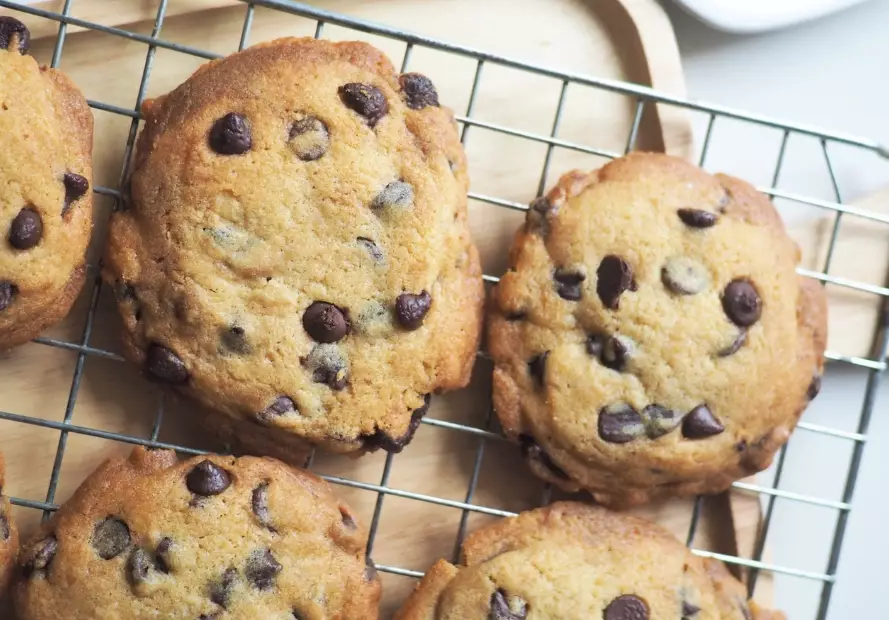
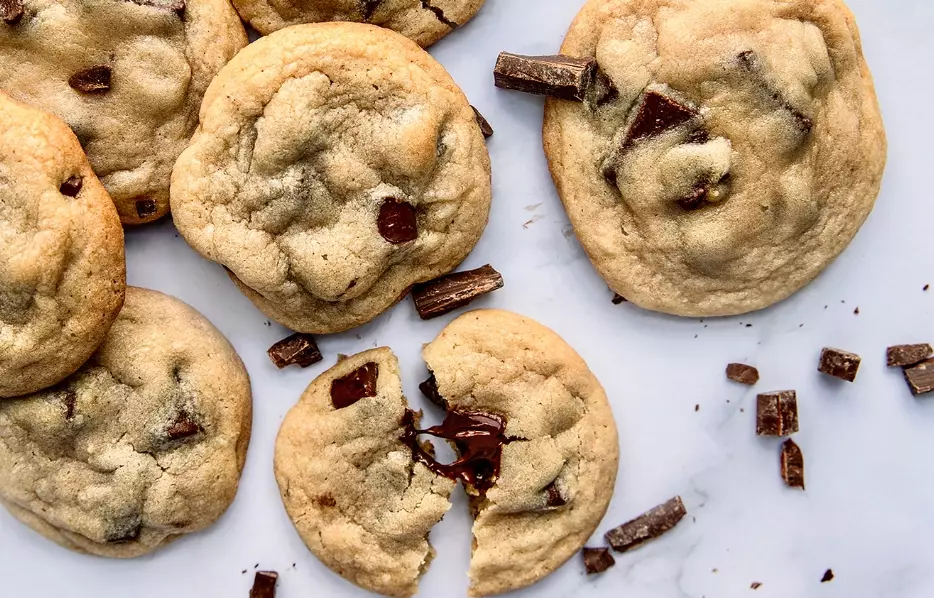
Texture Takes a Turn: This is the biggest change. The extra protein and liquid often lead to a cakeier, softer, and more bread-like texture. The cookie loses some of its classic density and chew. It becomes more tender and might have a finer crumb. If you love a cookie that's soft in the middle and almost muffin-like, this might be your move. If you're a crispy-edge, chewy-center purist, you might be disappointed.
The Spread Factor: Will they spread more or less? It's a common point of confusion. The extra water in the egg creates more steam, which can initially encourage lift and puff. However, that same extra liquid can also dilute the sugar and butter concentration, which are key drivers of spread. Often, the added structure from the egg proteins counteracts spread. So, the result is frequently a thicker, puffier cookie that doesn't flatten out as much on the baking sheet. If your recipe already has a high moisture content, though, an extra egg could tip it into soggy or overly spread territory. It's finicky.
Moisture & Shelf Life: More egg usually means a moister cookie. The yolk's fat and the overall water content see to that. This can be great for keeping cookies soft for days in an airtight container. But there's a flip side: that moisture can sometimes translate to a gummy or overly soft texture if not balanced with enough flour or baking time.
Flavor & Color: Expect a slightly richer, more "eggy" flavor. It's subtle, but it's there. The color will also be a more pronounced yellow or golden brown thanks to the extra yolk.
A Word of Warning: I learned this the hard way. Adding an extra egg to a recipe that's already perfectly balanced is a gamble. It can throw off the fat-to-flour-to-sugar ratio completely. You might end up needing a touch more flour to compensate for the extra liquid, but then you risk making the dough tough. It's often better to find a recipe designed for the texture you want rather than radically altering a good one.
The Cookie Type Guide: Where an Extra Egg Shines (and Where It Flops)
Not all cookies are created equal. The impact of an extra egg depends heavily on what kind of cookie you're making. Let's break it down with a handy table. This is the kind of reference I wish I had when I started baking.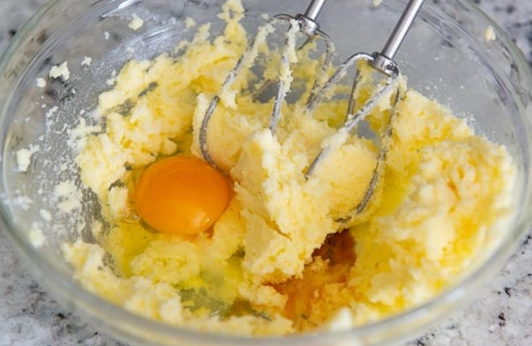
| Cookie Type | Effect of Adding 1 Extra Whole Egg | Recommended? | Personal Note |
|---|---|---|---|
| Classic Chocolate Chip | Leads to a puffier, cakier, softer texture. Reduces spread. Can make them less chewy. | Try it if you like cake-like chips. Otherwise, stick to the recipe. | I prefer chew, so I rarely do this. An extra YOLK only is my secret for ultimate chew. |
| Sugar Cookies / Roll-Out Cookies | Can make them softer and more tender, but may reduce structural integrity for cutting shapes. | Not ideal for crisp cut-outs. Good for soft, pillowy sugar cookies. | For shapes, follow the recipe exactly. Structure is key. |
| Brownies & Blondies | Creates a cakier, less fudgy texture. More rise, less dense gooeyness. | Only if you hate fudgy brownies and prefer cakey ones. | This is a brownie deal-breaker for me. I live for the fudgy center. |
| Oatmeal Raisin | Can help bind the oats and add moisture, resulting in a softer, more cohesive cookie. | Often a good addition, especially if you like soft oatmeal cookies. | A solid choice here. It complements the hearty oats well. |
| Shortbread | Traditional shortbread has no eggs! Adding one completely changes its identity to a softer, crumblier cookie. | No. Just don't. | Respect the shortbread. Its simplicity is its strength. |
How to Intelligently Adjust Recipes (The Fix-It Guide)
So you want to experiment, or maybe you've already added the egg and panic is setting in. Here's a pragmatic guide. First, ask yourself: what does adding an extra egg do to cookies that I *don't* want? Identify the problem, then fix it.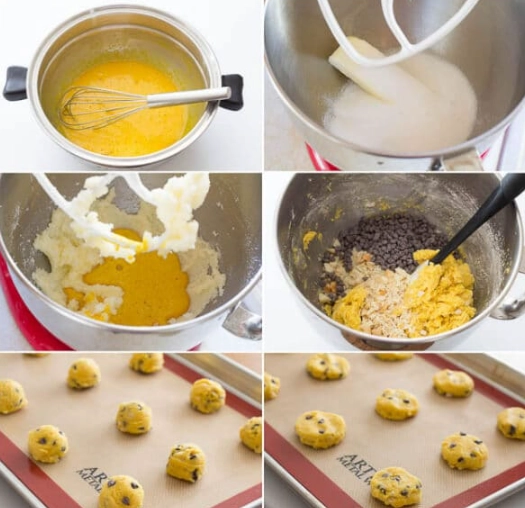
If Your Dough is Now Too Wet or Sticky: This is the most common issue. The extra liquid has thrown off the balance. Don't just dump in flour. Add it one tablespoon at a time, mixing just until the dough comes together and pulls away from the bowl. You're looking for the original dough's consistency, not trying to absorb all the moisture. Over-mixing after adding flour will develop gluten and make your cookies tough.
If You're Worried About Excessive Spread: Chill the dough. Seriously, chill it for at least 2 hours, preferably overnight. This solidifies the butter and allows the flour to fully hydrate, giving you more control. Also, make sure your baking soda or powder is fresh. Old leavening agents won't give you the lift you need to counteract the potential spread from extra moisture.
If You Want Chew, Not Cake: Too late for the whole egg? Try adding a handful of extra chocolate chips, nuts, or oats. These add-ins can disrupt the cakier texture and provide some toothsomeness. For future recipes, remember: chew comes from a higher ratio of brown sugar (its molasses adds moisture and acidity) and often from using an extra yolk, not an extra whole egg.
Pro-Tip from Many Failed Batches: When experimenting, write everything down. "Added one extra egg, dough was sticky, added 3 tbsp flour, chilled 3 hours, baked at 375°F for 10 min." This turns a mistake into a learning experience and maybe your next favorite recipe.
Answering Your Burning Questions (FAQ)
The Final Verdict: To Add or Not to Add?
So, after all this, what's the bottom line on what adding an extra egg does to cookies?
It's a powerful modifier that shifts your cookie from the dense and chewy end of the spectrum toward the soft, tender, and cakey end. It's not a magic bullet for perfect cookies, but a specific tool for a specific job. Want a cookie that's pillow-soft, almost like a little cake, with a rich flavor and good shelf life? Adding an extra egg might be your answer. Craving that classic, thin, buttery, crispy-edged, chewy-centered chocolate chip cookie? Leave the egg count alone and maybe just add an extra pinch of salt instead.
The best advice I can give is to embrace the experiment. Bake one tray according to the recipe. For the next tray, add that extra egg, maybe with a tablespoon or two of extra flour to compensate. See the difference side-by-side. That hands-on experience is worth a thousand articles. It teaches you how ingredients behave, which is the real secret to becoming a great baker. You stop following recipes like a robot and start understanding them like a cook.
And remember, even the "failures" are usually still pretty tasty. A cakey cookie is still a cookie. Just maybe call it a "cookie cake" and nobody will complain. For more foundational knowledge on egg safety and handling—which is crucial when you're experimenting—always refer to guidelines from authorities like the USDA's Food Safety and Inspection Service.
Now go preheat that oven. Your perfect cookie, whether it has one egg or two, is waiting to be discovered.


Leave a Comment