In This Deep Dive
- The Core Flavor Profile: It's More Than Just Sour
- What Makes Sourdough Taste So Different? The Science of Flavor
- Sourdough vs. Regular Bread: A Taste & Texture Showdown
- Factors That Shape the Final Taste: Why Your Loaf Might Taste Different
- FAQs: Answering Your Burning Questions
- Conclusion: The Taste of Time and Craft
So you're curious about sourdough. Maybe you've seen those gorgeous, blistered loaves with a crackly crust all over social media, heard foodies raving about its complex flavor, or just walked past a bakery and caught a whiff of something deeply, wonderfully earthy. The question pops into your head: how does sourdough bread taste, really? Is it just... sour? Is it an acquired taste? Will my kids hate it?
Let's cut right to the chase. If you're expecting a one-note, lip-puckering sour bomb, you're in for a surprise. The taste of sourdough bread is a conversation, not a shout. It's a symphony, not a solo. It's this wild, living thing that changes from loaf to loaf, bakery to bakery, even day to day in your own kitchen. Describing it is like trying to describe a person's personality—complex, nuanced, and sometimes downright contradictory.
The short answer is it depends on the method used. The no-knead method creates a wet, sticky dough that is much easier to handle and results in a lighter, airier crumb with larger, irregular holes. This is often called the "stretch and fold" technique, and it helps develop gluten strength without heavy kneading. In the final proofing stage, the dough should roughly double in size and hold a gentle indent when poked.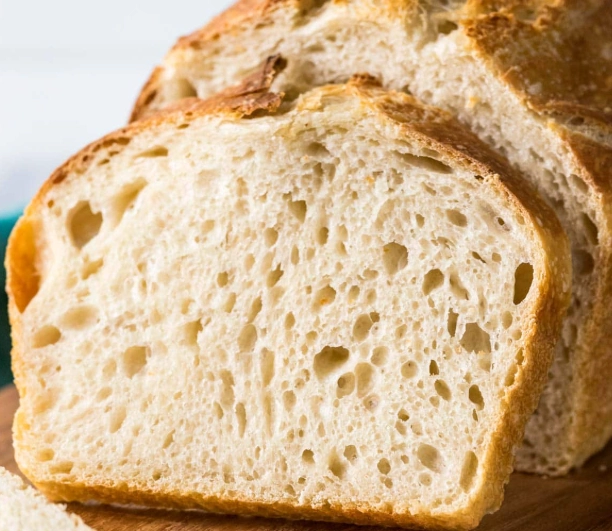
I remember my first real bite of a properly made, long-fermented sourdough. It wasn't in a fancy restaurant. It was from a tiny stall at a farmer's market. The baker, flour-dusted hands and all, handed me a thick slice. The crust shattered with a sound like stepping on autumn leaves. Then the chew—dense but springy, substantial. And the taste... wow. It wasn't just "sour." It was tangy, sure, but there was a nuttiness underneath, a hint of something like caramelized onion, a finish that was almost sweet. It tasted alive. It tasted like more than just flour and water. That's the magic right there.
But here's the thing—not all sourdough tastes like that. I've had some from supermarkets that taste like faintly off white bread. I've had some from overly zealous home bakers that could strip paint. So when we ask how does sourdough bread taste, we have to talk about the good, the bad, and the beautifully complex.
The Core Flavor Profile: It's More Than Just Sour
Let's break down the typical taste experience of a well-made, traditional sourdough. Think of it in layers, like tasting a good wine or coffee.
Right behind that tang, you often get a subtle, underlying sweetness. This isn't sugary sweet. It's the natural sweetness of the wheat itself, released and caramelized during the long fermentation and baking. It's a round, mellow sweetness that balances the acid.
Then come the secondary notes. These are where things get interesting and where bakers can really play. You might detect hints of:
- Nuttiness: Especially with whole grain or rye flours.
Earthy notes: A wholesome, almost mineral quality.- Toasty/Caramelized flavors: From the crust, which develops during baking. This is where those faint whispers of butterscotch or toasted nuts can come from.
- A savory, umami depth: This is the hard-to-pin-down "moreish" quality. It makes you want another bite just to figure it out.
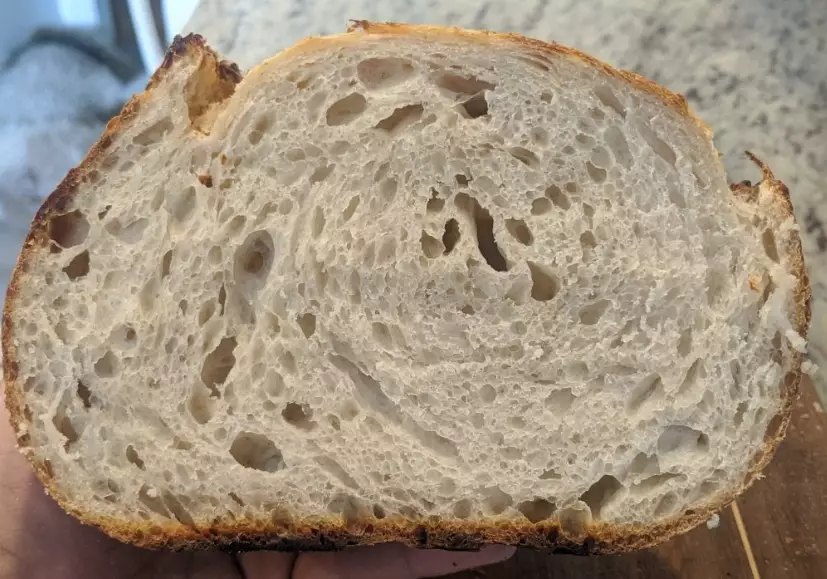
The texture is a huge part of the taste experience too. That crackly, blistered crust gives way to a chewy, often hole-riddled interior that's moist and springy. The crumb is never as uniform as commercial sandwich bread; it's irregular, which means every bite has a slightly different ratio of airy pockets to dense, chewy gluten. This variation in texture makes the eating experience more engaging.
So, how does sourdough bread taste to a first-timer? It's an adventure. It's rarely bland. It demands a bit of attention. You don't just mindlessly munch through it. You taste it.
What Makes Sourdough Taste So Different? The Science of Flavor
You can't really talk about the taste without geeking out a little on why it tastes that way. It all boils down to one thing: time, and the wild microbes that fill that time with activity.
Commercial bread is a sprint. It uses commercial yeast (Saccharomyces cerevisiae), which is a single, fast-acting strain. Its job is to produce carbon dioxide, fast. Flavor development is secondary, often added back in with enrichments, fats, sugars, or commercial "sour" flavoring.
Sourdough is a marathon. It's a symbiotic culture of wild yeast (often various strains of Saccharomyces and others) and lactic acid bacteria (LAB). This starter culture does two primary things:
- It ferments the dough. The wild yeast eats the sugars in the flour, producing carbon dioxide and alcohol. This is what makes the bread rise.
- It produces acids. The lactic acid bacteria also munch on sugars, producing lactic acid (which gives a milder, yogurt-like tang) and acetic acid (which gives a sharper, vinegar-like tang).
But it's not just about the acid. This long, slow fermentation acts like a pre-digestion. Enzymes in the flour and from the microbes break down complex starches and proteins into simpler, more flavorful compounds. They also help neutralize phytic acid, which can block mineral absorption. This breakdown creates a whole spectrum of flavor precursors that then develop during baking through Maillard reactions (that beautiful browning) and caramelization.
The type of flour matters immensely. A white bread flour sourdough will be lighter, with a more pronounced tang. A whole wheat sourdough brings deeper, earthier, nuttier flavors. Rye adds a distinctive, almost spicy tang and a denser crumb.
Fermentation time and temperature are the conductor of this microbial orchestra. A cool, long fermentation (like an overnight rise in the fridge) favors the production of acetic acid, leading to a sharper, more pronounced sourness. A warmer, shorter fermentation favors lactic acid, resulting in a milder, more yogurt-like tang. This is the single biggest lever a baker has to control the final taste.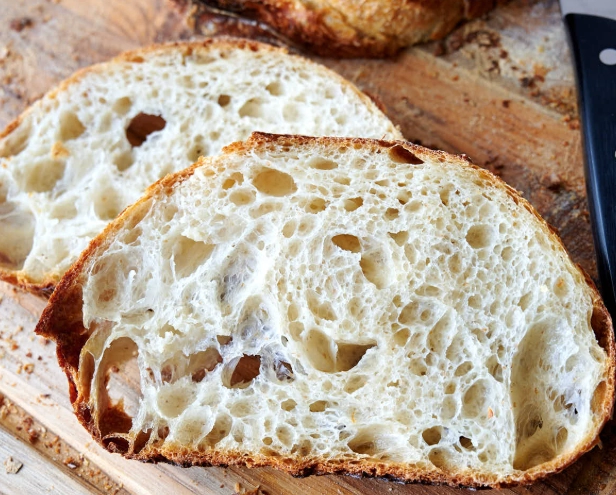
Sourdough vs. Regular Bread: A Taste & Texture Showdown
Let's make it crystal clear. Here’s a direct comparison to help you visualize the difference.
| Aspect | Traditional Sourdough Bread | Commercial Yeast Bread (Regular Sandwich Loaf) |
|---|---|---|
| Primary Taste | Complex, tangy, with layered flavors (nutty, earthy, subtly sweet). | Mild, neutral, sometimes slightly sweet from added sugar. |
| Acidity/Sourness | Naturally present, ranging from mild to pronounced. | Typically absent unless artificially flavored. |
| Crumb Texture | Chewy, elastic, irregular holes, moist. | Soft, uniform, fine-grained, can be spongy. |
| Crust | Thick, crackly, deeply caramelized, often blistered. | Thin, soft, or slightly crisp, pale to golden brown. |
| Aftertaste/Finish | Long, pleasant, leaves a clean feeling. Often described as more "satisfying." | Short, can sometimes feel pasty or leave a faint sweetness. |
| How it Stales | Dries out but retains flavor; crust hardens. Excellent for toasting days later. | Often becomes soft and limp, can develop an off-flavor faster. |
See the difference? It's night and day. Regular bread is designed for consistency and softness. Sourdough is designed for character and depth.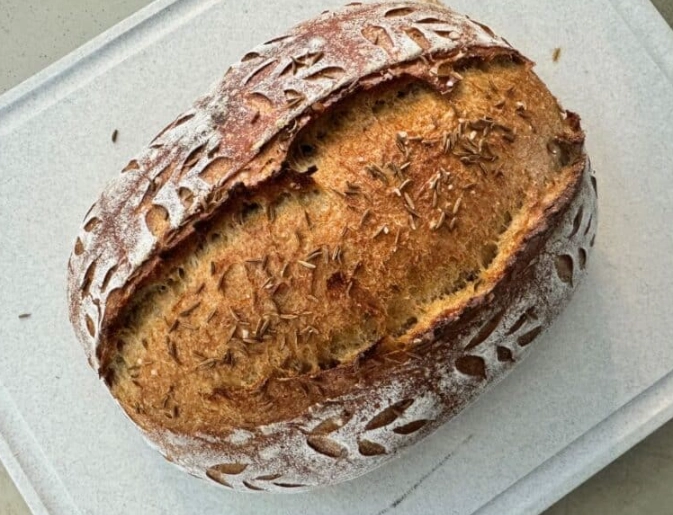
Factors That Shape the Final Taste: Why Your Loaf Might Taste Different
If you ask ten bakers how does sourdough bread taste, you might get eleven answers. Here’s why:
The Starter (The Heart of It All)
Every starter is unique, a capture of the local microflora. A starter from San Francisco will have a different microbial mix than one from Copenhagen. The age of the starter, how it's fed (with what flour, and how often), and its hydration level all influence the final flavor. A mature, stable starter (months or years old) tends to produce more consistent and complex flavors than a very young one.
Flour Choice
As mentioned, the flour is a major player. Let's get more specific:
- Bread Flour: High protein content (12-14%) creates a strong gluten network, great oven spring, chewy texture, and an open crumb. Flavor is clean, wheaty, lets the tang shine.
- Whole Wheat Flour: Adds bran and germ, which contain oils and minerals. Flavor is deeper, nuttier, earthier. Can make the dough denser and the sourness more rounded.
- Rye Flour: Even a small percentage (10-20%) adds a distinct, tangy, almost fruity/spicy flavor. It lacks gluten, so it creates a denser, moister crumb.
- Spelt, Einkorn, Kamut (Ancient Grains): These often have a sweeter, more complex, and sometimes nuttier flavor profile than modern wheat.
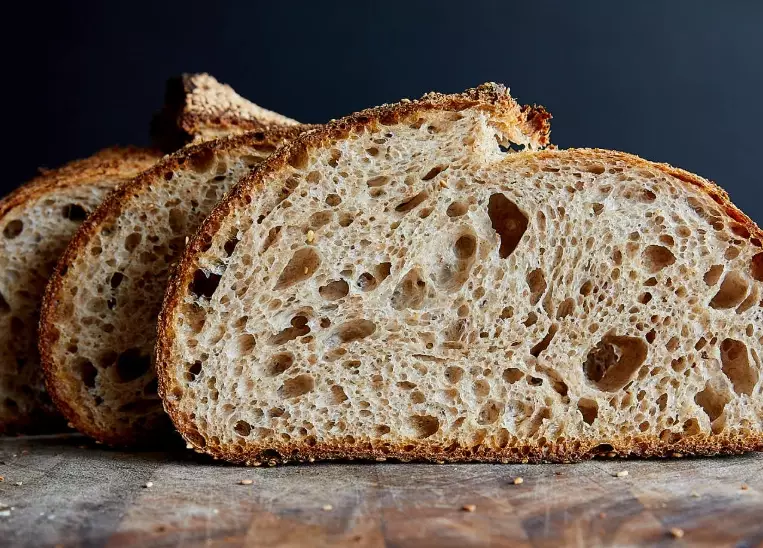
Many bakers use a blend to balance flavor, texture, and rise.
Hydration (Water Content)
Higher hydration doughs (more water) are trickier to handle but often yield a more open, gelatinized crumb with larger holes and a slightly milder sourness (the water dilutes acids). Lower hydration doughs are easier to shape, result in a tighter crumb, and can have a more concentrated flavor.
Fermentation Time & Temperature
This is the master variable. A brief summary:
- Warm & Short (e.g., 4-6 hours at 75-80°F/24-27°C): Milder flavor, more lactic acid, less sour.
- Cool & Long (e.g., 12-24 hours in the fridge ~39°F/4°C): More complex flavor, more acetic acid, pronounced sourness. This is the secret behind many professional-quality sourdoughs.
Baking
A steamy oven (or baking in a Dutch oven) is crucial for that initial burst of oven spring and the development of a thick, glossy, crackly crust. The intense heat of the bake (often 450-500°F / 230-260°C) is where the Maillard reaction works its magic, creating hundreds of new flavor compounds from the sugars and amino acids on the crust. A darker bake means more of these complex, toasty, caramelized flavors.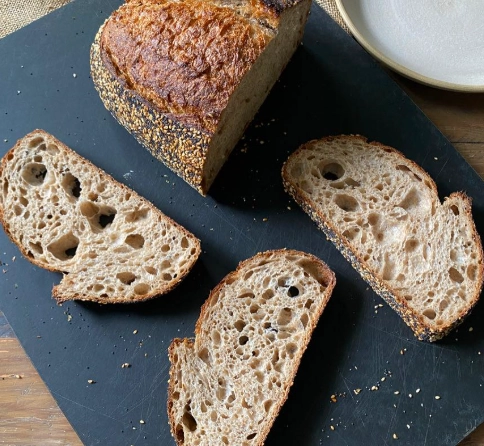
FAQs: Answering Your Burning Questions
- Rich, salty toppings: High-quality butter, olive oil, avocado, hummus.
- Strong cheeses: Aged cheddar, blue cheese, goat cheese, sharp feta.
- Hearty soups & stews: It's perfect for dunking.
- Eggs: Fried eggs, scrambled eggs, or poached eggs. The runny yolk soaks in beautifully.
- Smoked fish: Salmon, mackerel.

Conclusion: The Taste of Time and Craft
So, how does sourdough bread taste? It tastes like patience. It tastes like craft. It tastes like the invisible microbial world captured in a loaf. It's a flavor that is ancient, yet feels incredibly modern in its complexity and depth.
It's not for every single sandwich (sometimes you just want the soft, neutral canvas of white bread). But for those moments when you want bread to be an experience, not just a vehicle, sourdough delivers. Its taste is the reason it has endured for millennia, long before commercial yeast was invented.
The best way to understand it is to taste it for yourself. Seek out a reputable local bakery (not all supermarket versions do it justice). Buy a loaf, listen to the crust crackle as you slice it, and pay attention. You're tasting the result of wild yeast and bacteria, working together over the course of time, to create something truly special from just flour, water, and salt. That's the real magic of sourdough.


Leave a Comment