So you want to bake a cake. A real, from-scratch, makes-the-house-smell-amazing cake. But maybe your last attempt was a bit... dense. Or it stuck to the pan. Or it just looked sad. I get it. My first "from scratch" cake was a disaster zone—sunken in the middle, tough as a boot, and I'm pretty sure I measured the flour by just scooping it straight from the bag with the measuring cup (a cardinal sin, as I later learned).
In This Guide
Let's wipe the slate clean. Baking a great cake isn't about magic or being a pastry chef. It's about understanding a few simple rules and giving yourself permission to learn. This guide is my attempt to give you all the cake baking tips for beginners I wish I'd had when I started. We're going to talk about the why behind the steps, not just the what. Because when you know why you're creaming butter and sugar, you're way less likely to skip it.
Forget the intimidating shows and fancy equipment for now. We're starting with the foundation.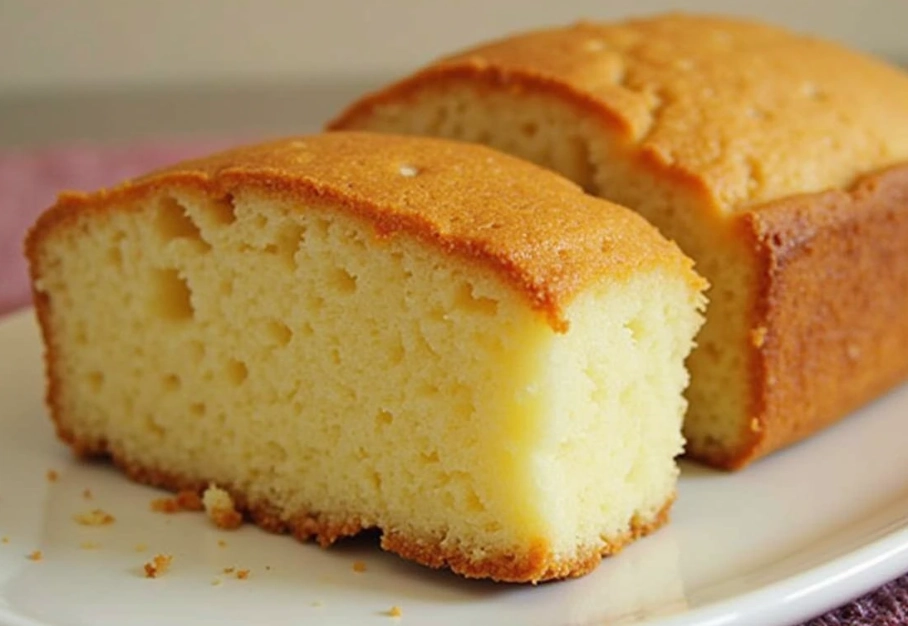
Before You Even Turn On the Oven: The Mindset & Setup
This might be the most important section. Rushing is the enemy of good baking. Give yourself time. Read the entire recipe first—twice. I've started recipes only to realize I needed softened butter and mine was rock-hard in the fridge. Not a good start.
Your Baking Toolkit: What You Really Need vs. What's Nice to Have
You don't need a kitchen full of gadgets. Seriously. Here’s a breakdown. I've seen lists that include a stand mixer as "essential" for beginners, and I think that's nonsense. A good hand mixer (or even a strong arm and a whisk for some recipes) is perfectly fine when you're starting out.
| Essential Tools (The Non-Negotiables) | Why It's Important | Beginner-Friendly Note |
|---|---|---|
| Kitchen Scale | This is my #1 tip. Measuring by weight (grams) is infinitely more accurate than cups. Flour compacts, sugar density varies. A scale removes all guesswork. | A simple digital scale for $20 is a game-changer. The USDA emphasizes accuracy in food preparation, and this starts with measuring. |
| Measuring Cups & Spoons | For liquids (like milk, oil) and small amounts of things like baking powder. | Get a glass liquid measuring cup with a spout. For dry cups, use the "spoon and level" method (spoon flour into cup, level off with a knife). |
| Mixing Bowls | At least two medium-large bowls. Glass or stainless steel are great. | You'll need one for dry ingredients, one for wet. |
| 8" or 9" Round Cake Pan | A standard size for most beginner recipes. | Light-colored aluminum is best. Dark pans bake hotter and faster, which can lead to over-browning. |
| Wire Cooling Rack | Lets air circulate under the cake, stopping it from getting soggy. | Don't skip this. Letting a cake cool in the pan is a common beginner mistake. |
| Spatula (Rubber/Silicone) | For scraping every last bit of batter out of the bowl. Batter is precious. | A flexible one is key. |
Nice-to-haves that you'll grow into: a hand mixer (saves your arms), an oven thermometer (your oven's dial is probably lying to you), and parchment paper (for guaranteed non-stick release).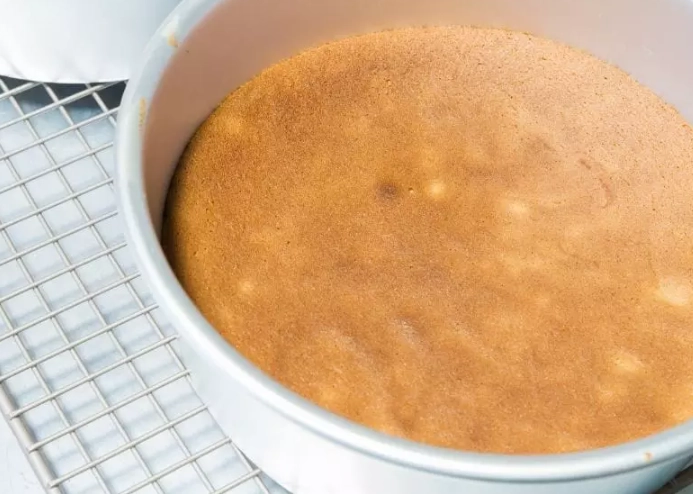
Ingredient Intelligence: They're Not All Created Equal
Using the right ingredient in the right state is half the battle. Here’s the lowdown.
Flour: All-purpose flour is your beginner's best friend. Don't swap it for cake flour or bread flour unless the recipe specifically says so. They have different protein levels and behave very differently.
Leaveners (Baking Powder & Baking Soda): Check the expiration date! An old can of baking powder is a flat cake waiting to happen. They lose potency over time. Baking soda needs an acid (like buttermilk, yogurt, vinegar) in the recipe to activate. Baking powder contains its own acid. Don't substitute one for the other.
Eggs & Dairy: Use large eggs. Recipes are formulated for them. Take your eggs, milk, butter, and sour cream out of the fridge about 30-60 minutes before you start (unless the recipe says "cold"). Room temperature ingredients blend together smoothly and create a better emulsion. Cold butter won't cream, cold eggs can curdle a butter mixture.
Butter: Unsalted. Always. Salt is a preservative, and salted butter can have varying amounts. Using unsalted butter lets you control the exact amount of salt in your recipe. When a recipe says "softened," it means cool to the touch but your finger leaves a slight indent. Not melted, not cold. The folks at King Arthur Baking have a great guide on softening butter properly if you're unsure.
See? We haven't even mixed anything yet, but getting these basics right sets you up for success. These are the core cake baking tips for beginners that most recipes just assume you know.
The Step-by-Step Process: Where the Magic (and Science) Happens
Okay, tools are out, ingredients are ready. Let's bake.
Mise en Place: A Fancy Term for "Get Organized"
It's French for "putting in place." Measure out ALL your ingredients before you start mixing. Put them in little bowls or on plates. This serves two purposes: 1) You won't forget to add the baking powder (yes, I've done that), and 2) It makes the mixing process calm and enjoyable, not a frantic scramble.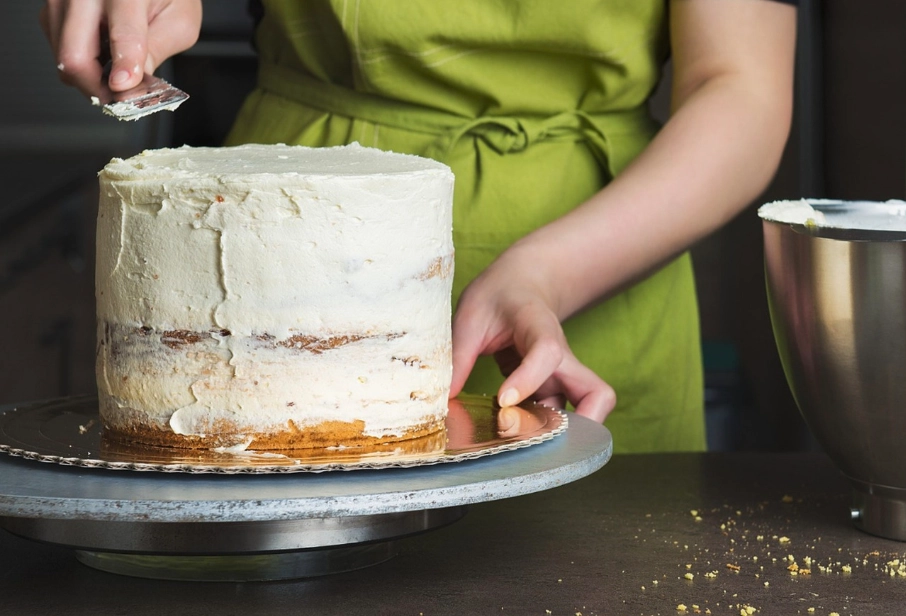
The Mixing Methods: Why Order Matters
Recipes aren't arbitrary. The order you combine things develops the cake's structure and texture.
The Creaming Method (for butter cakes, like vanilla or chocolate): You beat softened butter and sugar together first, until it's light, pale, and fluffy. This isn't just mixing; you're beating tiny air bubbles into the mixture. Those bubbles expand in the oven, helping the cake rise. Then you add eggs one at a time, fully incorporating each. Finally, you alternately add the dry ingredients and the wet (milk, etc.), starting and ending with the dry. This prevents overmixing the gluten in the flour, which makes cakes tough.
The "Muffin" or One-Bowl Method (for oil-based cakes, some chocolate cakes): Whisk all dry ingredients. Whisk all wet ingredients in another bowl. Pour wet into dry and stir until *just* combined. It's faster and more forgiving, often resulting in a moister, denser crumb.
How do you know which method your recipe uses? If it starts with "cream butter and sugar," it's the creaming method. If it calls for oil and has you mix wet and dry separately, it's the one-bowl method. Both are valid; just follow the recipe's lead.
Pan Prep: The Insurance Policy
Greasing and flouring a pan is like an insurance policy against sticking. Butter or spray the entire interior of the pan. Add a tablespoon of flour, tilt and tap the pan until it's fully coated, then tap out the excess. For absolute certainty, cut a round of parchment paper for the bottom after greasing. I do this for every single layer cake now. It's foolproof.
Never pour batter into a hot pan. Always use a room-temperature pan.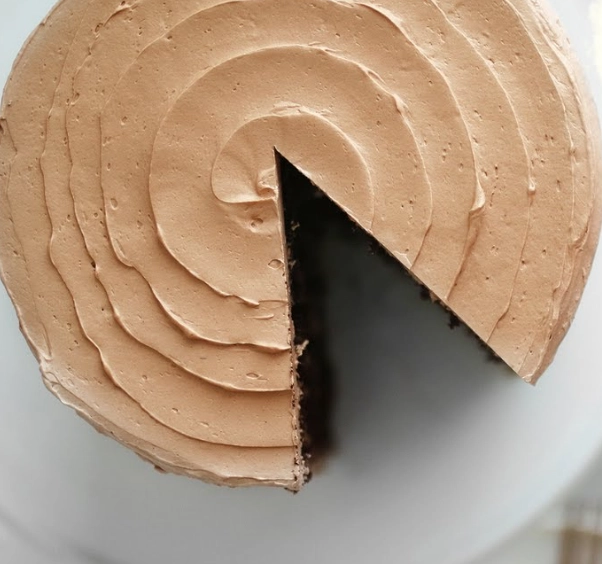
Baking & The Oven: Your Cake's Final Exam
This is where patience is key.
Oven Rack: Position it in the center. Not at the top, not at the bottom.
Oven Preheating: Turn your oven on at least 20 minutes before baking. Let it come to full, stable temperature. Putting a cake in a still-heating oven affects the rise.
The Toothpick Test: This is the universal sign of doneness. Start checking a few minutes before the recipe's minimum time. Insert a toothpick or thin skewer into the center of the cake. If it comes out with a few moist crumbs clinging to it, it's done. If it comes out with wet batter, it needs more time. If it's completely clean, it might be slightly overdone (but still edible!).
Other Clues: The edges of the cake will pull slightly away from the sides of the pan. The top will spring back when lightly pressed in the center.
Cooling: This is crucial! Let the cake cool in the pan on a wire rack for about 10-15 minutes. This lets it set. Then, run a thin knife around the edge to loosen it, place the wire rack on top, and flip the whole thing over. The cake should release. Peel off the parchment if you used it, and let it cool completely on the rack before you even think about frosting it. Frosting a warm cake is a melty, crumbly disaster.
Following these process-oriented cake baking tips for beginners will eliminate so many of the classic "first cake" problems.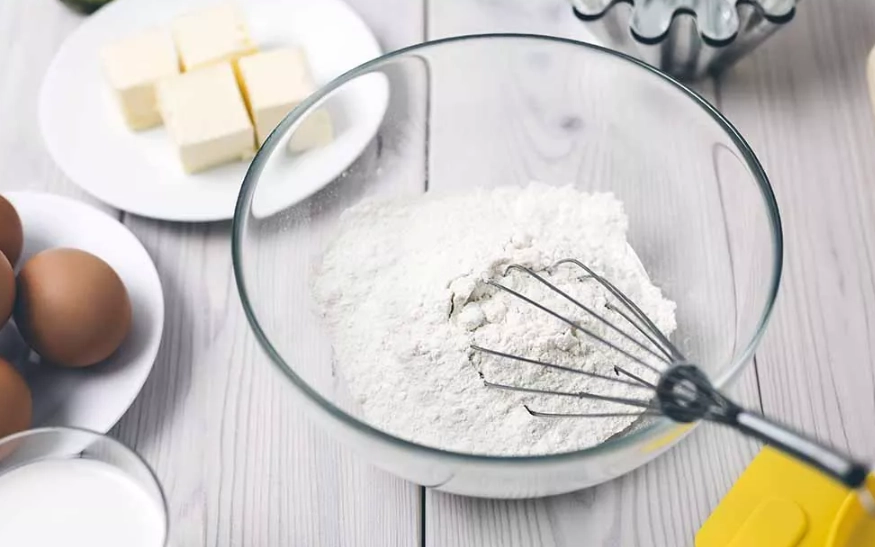
Troubleshooting: What Went Wrong (And How to Fix It Next Time)
Your cake didn't turn out? Welcome to the club. Let's diagnose it.
The beauty of baking is that every "fail" is a lesson. I've made cakes with every one of these issues. Now I know what to look for.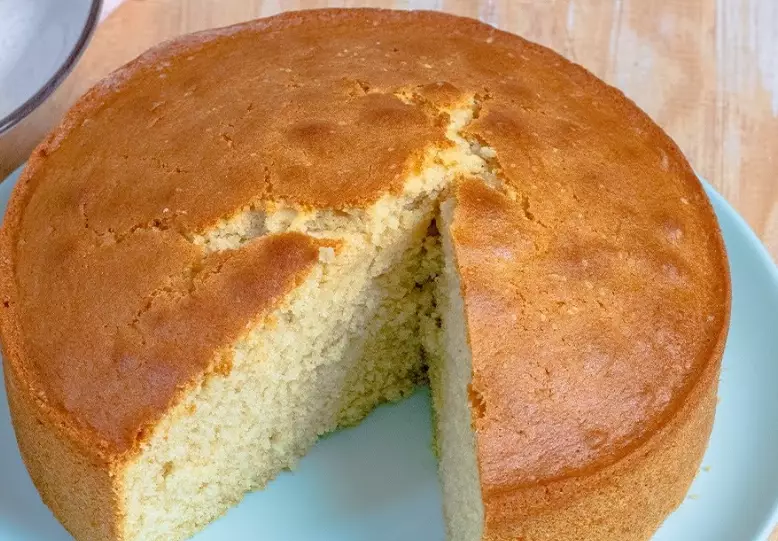
Simple Frosting & Finishing Touches
A naked cake is still a cake. But a little frosting goes a long way. Don't start with complicated buttercream. Try this foolproof one.
Easy Vanilla Glaze: Whisk together 1 cup of powdered sugar, 2-3 tablespoons of milk or cream, and 1 teaspoon of vanilla extract until smooth. Drizzle it over the cooled cake. It's sweet, pretty, and hides a multitude of sins.
Simple Whipped Cream Frosting: Chill a bowl and beaters. Beat 1 cup of heavy whipping cream with 2 tablespoons of powdered sugar and 1 tsp vanilla until stiff peaks form. Spread it on immediately. It's light, not too sweet, and feels fancy. Keep the cake refrigerated.
When applying any frosting, do a crumb coat first. Spread a very thin layer of frosting all over the cake to trap loose crumbs. Pop it in the fridge for 15 minutes to set, then apply your final, thicker, clean layer of frosting. This gives you a smooth, crumb-free finish.
Your First Recipe: A Can't-Fail Vanilla Cake
Let's put all these cake baking tips for beginners into practice. Here is a simple, reliable recipe formatted for clarity.
Makes two 8-inch layers or one 9x13 sheet cake.
Preheat oven to 350°F (175°C). Grease, flour, and line your pans with parchment.
Dry Ingredients:
* 360 grams (3 cups) all-purpose flour
* 400 grams (2 cups) granulated sugar
* 1 tablespoon baking powder
* 1/2 teaspoon baking soda
* 1 teaspoon salt
Wet Ingredients:
* 1 cup (2 sticks / 226g) unsalted butter, softened
* 4 large eggs, room temperature
* 1 tablespoon vanilla extract
* 1 1/4 cups (300ml) whole milk, room temperature
* 1/4 cup (60ml) sour cream or plain yogurt (optional, for extra moisture)
Method:
1. In a medium bowl, whisk together all the Dry Ingredients. Set aside.
2. In a large bowl, using a hand mixer or stand mixer, cream the softened butter and sugar on medium-high speed for 3-5 minutes, until light and fluffy. Scrape down the bowl.
3. Add the eggs one at a time, beating well after each addition. Beat in the vanilla. The mixture may look slightly curdled—that's okay.
4. In a jug, stir the milk and sour cream (if using) together.
5. With the mixer on low speed, add about one-third of the dry ingredients to the butter mixture. Mix until almost combined.
6. Add half of the milk mixture. Mix until almost combined.
7. Repeat with another third of the dry, the rest of the milk, and finally the last third of the dry ingredients. Mix until *just* combined after the final addition. Do not overmix. The batter will be thick.
8. Divide the batter evenly between the prepared pans. Smooth the tops.
9. Bake for 30-35 minutes (longer for a 9x13), or until a toothpick inserted in the center comes out with a few moist crumbs.
10. Cool in pans for 15 minutes, then invert onto wire racks to cool completely before frosting.
See? Step-by-step, just like we talked about. This recipe incorporates all the key principles.
Final Thoughts: You've Got This
Baking is a skill, and skills take practice. Your first cake might not be cover-worthy. My fifth one probably wasn't either. But the process—the measuring, the mixing, the smell filling your kitchen—is its own reward. And the taste of something you made yourself? That's the real win.
Start simple. Master the vanilla cake. Then maybe try a chocolate one (use Dutch-process cocoa if the recipe calls for it—it has a different acidity). Then maybe add some berries to the batter. The world of cake baking tips for beginners opens up into a lifelong hobby of creativity and deliciousness.
The most important tip of all? Share your results. Even the lopsided ones. Because a homemade cake, shared with someone you care about, is always a perfect success.
Now go preheat your oven.

Leave a Comment