Let's be honest. Your first few attempts at baking might feel like a science experiment gone wrong. A cake that's dense as a brick. Cookies that spread into one giant, thin blob. Bread that could double as a doorstop. I've been there. My first loaf of bread was so hard, we joked about using it for home defense.
But here's the secret nobody tells you when you're just starting out: baking is less about being a naturally gifted pastry chef and more about understanding a handful of simple, non-negotiable rules. Once you get these down, the whole process transforms from intimidating to incredibly satisfying.
This guide is the one I wish I had when I began. We're going to strip away the mystery and focus on the practical, actionable baking tips for beginners that actually make a difference between a flop and a triumph. No fancy jargon, just clear steps.
Quick Navigation
Before You Even Turn the Oven On: Gear & Mindset
Jumping straight into a recipe is the most common beginner mistake. Baking success starts long before you crack an egg. It starts with what you have and how you think.
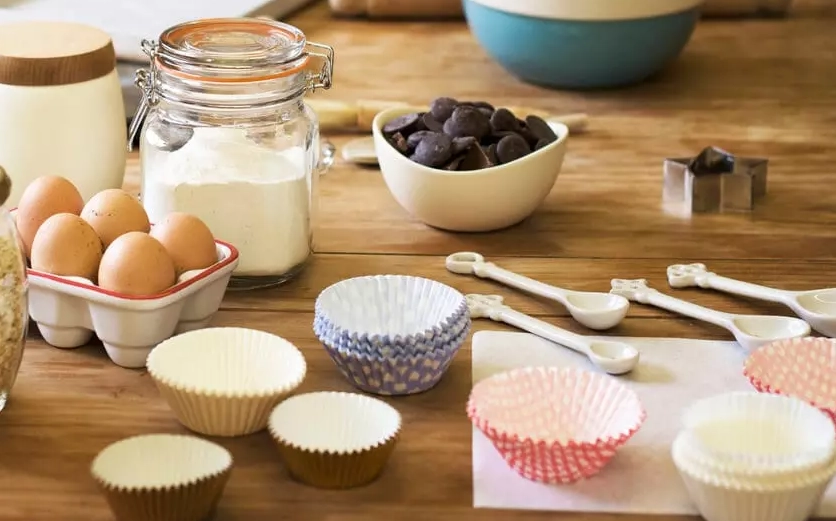
The Non-Negotiable Starter Kit
You don't need a TV-show kitchen. You need a few reliable workhorses. I made the mistake of buying a super cheap set of measuring cups once, and the markings wore off in a month. Invest a little in the basics.
- Digital Kitchen Scale: This is the single best investment for a beginner baker. Volume measurements (cups) are inconsistent. Weight (grams) is precise. A scale removes so much guesswork and is why professional baking relies on it. Get one that measures in grams and has a tare function.
- Good Mixing Bowls: Have at least three in different sizes. Stainless steel or glass are my go-tos. They don't retain odors and are easy to clean.
- Measuring Spoons & Cups: Even with a scale, you'll need these for small amounts (like spices, baking powder). Get flat-top measuring cups for dry ingredients so you can level them off easily.
- Silicone Spatula: For scraping every last bit of batter out of the bowl. Waste not, want not.
- Whisk: A medium-sized balloon whisk is perfect for combining dry ingredients and making simple mixes.
- Rimmed Baking Sheets & Parchment Paper: Sheets (not flat pans) prevent spills. Parchment paper is a beginner's magic trick—it prevents sticking and makes cleanup a breeze. Don't skip it.
- Wire Cooling Rack: Crucial! Letting baked goods cool in the pan traps steam and leads to sogginess.

Ingredient Intelligence 101
Baking is a chemical reaction. Your ingredients are the players. Knowing their roles is half the battle.
| Ingredient | Its Job in the Recipe | Beginner Tip |
|---|---|---|
| Flour | Provides structure. The protein forms gluten. | Fluff it in the bag, spoon it lightly into your measuring cup, then level. Never scoop directly—it packs it down. Better yet, use your scale! All-purpose flour is your best friend for 90% of beginner recipes. |
| Leaveners (Baking Soda/Powder) | Create rise and air bubbles. | They expire! Check the date. Baking soda needs an acid (like yogurt, brown sugar) to activate. Baking powder has acid built in. Don't substitute one for the other. |
| Fats (Butter, Oil) | Adds tenderness, moisture, and flavor. | When a recipe says "room temperature butter," it means it. It should be cool to the touch but yield slightly when pressed. Microwaving it to liquid will ruin your texture. Plan ahead. |
| Eggs | Bind ingredients, add moisture, and can help with leavening. | Also best at room temperature for even mixing. To quickly warm a cold egg, place it in a bowl of warm (not hot) water for 5-10 minutes. |
| Sugar | Sweetens, tenderizes, and helps with browning. | White sugar makes things crispier (great for cookies). Brown sugar (which contains molasses) adds moisture and a chewier texture. |
For a deep dive on the science of wheat and flour types, resources from organizations like the Wheat Foods Council can be incredibly helpful, though remember that their focus is broader than home baking.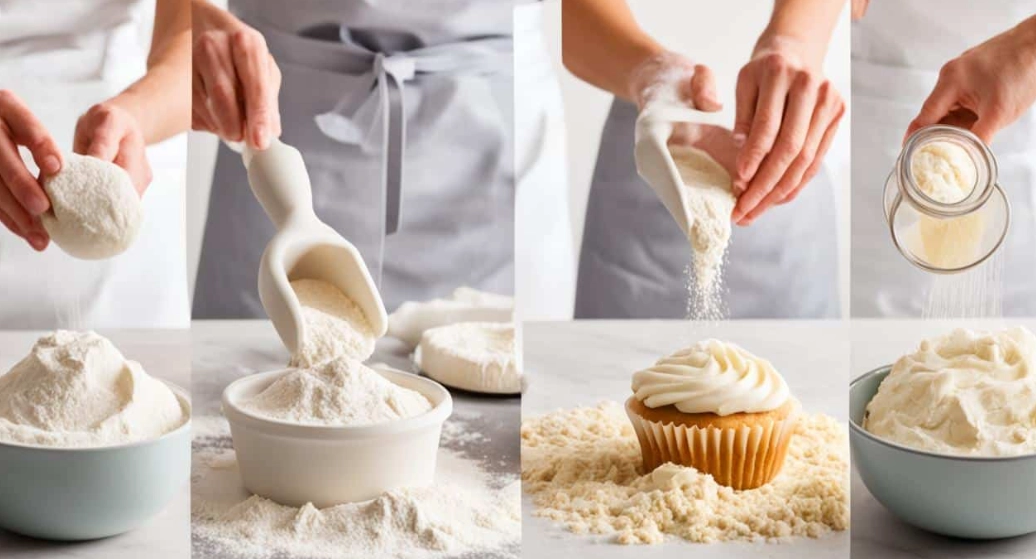
The Core Techniques: Where the Magic Happens
Okay, you've got your gear and your ingredients are lined up like little soldiers. Now comes the doing. These techniques are the foundation of every successful bake.
Mise en Place (A Fancy Term for "Get Everything Ready")
This French phrase just means measure and prepare all your ingredients before you start mixing. It feels fussy, but it prevents panic. You won't realize you're out of vanilla halfway through. Crack your eggs into a separate bowl first—saves you from fishing out shell fragments from your batter.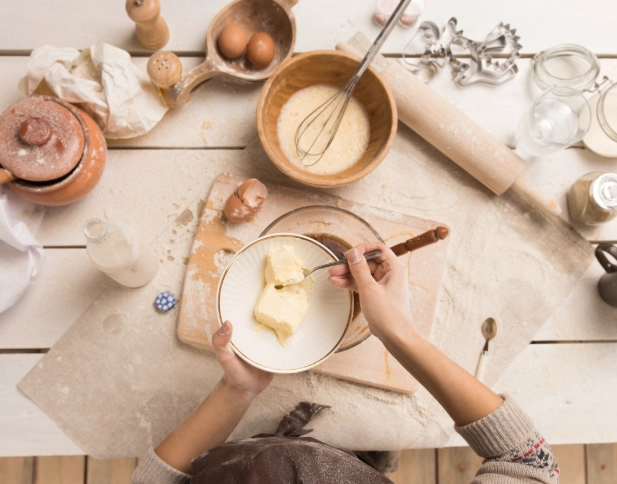
The Art of Measuring (It's Everything)
I'm going to sound like a broken record, but this is where most beginner baking tips should scream from the rooftops. For flour, the "spoon and level" method is your minimum standard. Scooping packs in up to 25% more flour, leading to dry, tough results. But really, use that scale. 120 grams of flour is always 120 grams.
Mixing Methods: Don't Overdo It!
Overmixing is the enemy of tenderness, especially in things like muffins, pancakes, and quick breads. When you mix flour with liquid, you develop gluten (the protein that makes bread chewy). For tender cakes, you want minimal gluten.
- The Creaming Method (for cakes & cookies): You beat room-temperature butter and sugar together until light and fluffy. This incorporates air. Then add eggs one at a time, then dry and wet ingredients alternately.
- The Muffin Method: You mix all dry ingredients in one bowl, all wet in another. Then you combine them with just a few swift strokes—lumps are okay! Overmixing here makes tunnels in your muffins.
Once you add the flour, mix only until you no longer see dry streaks. A few small lumps are preferable to a tough batter.
Oven Savvy: Your Appliance Lies
Your oven's temperature dial is probably not accurate. An oven thermometer (a few dollars at any store) is a critical tool. Place it in the center of your oven and preheat for a good 20-30 minutes. You might find your "350°F" is really 325°F or 375°F. This explains so many under or over-baked goods.
Also, avoid opening the oven door constantly to peek. Each time, the temperature drops significantly. Use the light and window if you have one.
Top 3 Beginner Baking Blunders (And How to Fix Them For Good)
Let's troubleshoot the classics. If you've encountered these, welcome to the club.
Flat, Spread-Out Cookies
The Cause: Almost always, your butter was too warm or melted. Or your dough wasn't chilled. Warm fat spreads rapidly in the oven.
The Fix: Ensure your butter is truly just cool-room-temp. After making dough, chill it in the fridge for at least 30 minutes (often longer per the recipe). This solidifies the fat. Also, check your baking soda/powder isn't expired.
Dense, Gummy Cake or Quick Bread
The Cause: Overmixing the batter after adding flour (developing too much gluten). Using expired leavener. Or, under-baking.
The Fix: Mix gently. Test for doneness correctly—a toothpick inserted into the center should come out with a few moist crumbs, not wet batter. The edges should also be pulling away from the pan slightly.
Sunken Cake Center
The Cause: The cake wasn't fully set in the middle before the structure collapsed. This can be from under-baking, too much leavener, too much sugar or fat, or opening the oven door too early.
The Fix: Ensure accurate measurements, don't over-leaven, and bake until truly done. Don't slam the oven door!
These baking tips for beginners focused on troubleshooting will save you countless batches of disappointment. Remember, every failed batch is a lesson in what *not* to do next time.
Your First Recipes: Where to Start
Don't attempt a croquembouche on day one. Build confidence with forgiving recipes.
- No-Knead Bread: Sounds fancy, but it's shockingly easy. Mix flour, water, yeast, and salt. Let time do the work (overnight). Bake in a Dutch oven. The result is artisan-style bread that will make you feel like a genius.
- Chocolate Chip Cookies: A classic for a reason. They teach creaming, chilling dough, and oven timing. Find a highly-rated, simple recipe and follow it to the letter.
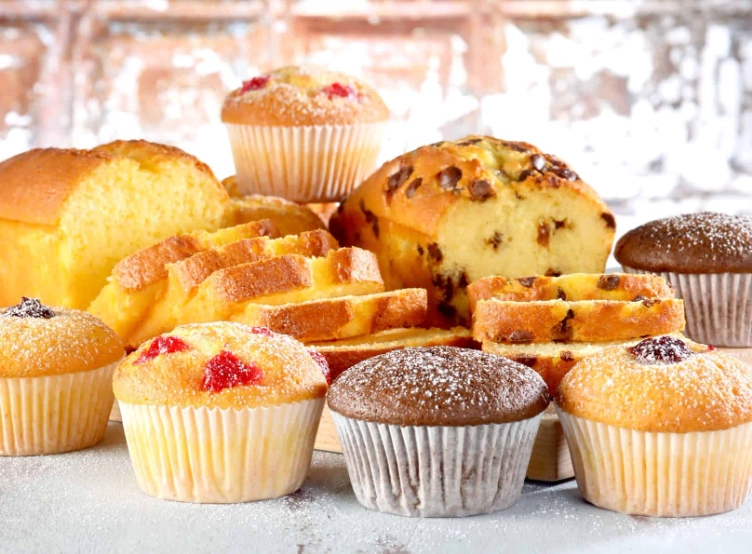
- Muffins or Banana Bread: Excellent for practicing the "muffin method." They're forgiving, and over-ripenened bananas are cheap and hard to mess up.
- Simple Butter Cake or Pound Cake: A great introduction to cake making. The recipes are straightforward and less finicky than layered cakes with frosting.
Leveling Up: Next Steps After the Basics
Once you've nailed a few recipes and the core beginner baking tips feel like second nature, you can explore.
Start playing with flavor variations—add citrus zest to your cookie dough, swap chocolate chips for dried cherries and nuts. Try your hand at a simple pie crust (another thing that benefits hugely from cold ingredients and not overworking). Maybe tackle a single-layer cake with a simple glaze.
Resources like the King Arthur Baking Company website have thousands of rigorously tested recipes and a massive "baker's hotline" FAQ section that feels like having a baker on call. Their recipes are famously reliable, which is key when you're learning.
Frequently Asked Questions by New Bakers
I hope this giant pile of baking tips for beginners has taken some of the fear out of the process. The most important tip of all? Have fun with it. Put on some music, embrace the mess, and enjoy the incredible, tangible reward of pulling something warm and delicious out of your own oven. You've got this.
Now go bake something.

Leave a Comment