Your Quick Baking Guide
You know the feeling. The air gets crisp, lights go up on the houses, and suddenly your brain switches to holiday mode. For me, that switch is always flipped by one specific smell: the smell of cookies baking. Not just any cookies, but Christmas cookies. The ones that only seem to appear this time of year, loaded with spices, shaped like trees and stars, and often decorated within an inch of their life. But have you ever stopped to wonder, what cookies are truly associated with Christmas? Is it just the decorated sugar cookie, or is there a whole world of holiday baking out there?
I used to think it was just the stuff from the grocery store tins. You know the ones—the checkerboard cookies, the ones with the jam in the middle. Then I started baking myself, and let me tell you, I opened a Pandora's box of flour and butter. The variety is staggering. Every family seems to have their own "must-make" list, and every culture has its own iconic treat. So I dug in. I talked to bakers, scoured old cookbooks (my grandma's are the best, even if they're stained with egg), and baked more batches than I care to admit. Some were triumphs. Some were, frankly, hockey pucks. But it all helped answer the core question.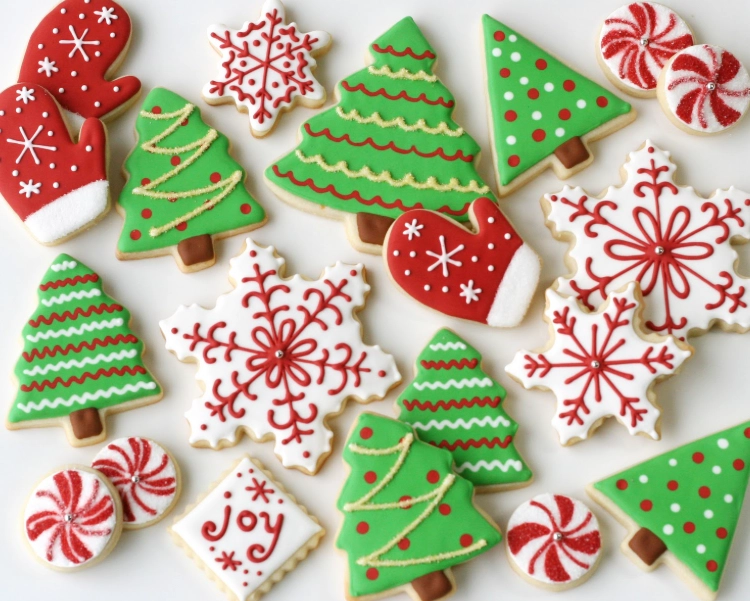
This isn't just a list. It's a deep dive into the cookies associated with Christmas, why they became holiday staples, how to make them (and not ruin them), and the stories they carry in every bite. Whether you're a seasoned baker or someone who just enjoys the eating part, there's something here for you. Let's get into it.
The Undisputed Classics: The Cookies You Can't Miss
These are the heavy hitters. The ones that, if they're not on your plate sometime between December 1st and 25th, did Christmas even happen? They're popular for a reason—they're delicious, they're festive, and they often hold a ton of nostalgia.
Gingerbread Cookies (The Spiced Legends)
Starting with the big one. Gingerbread men, houses, trees—you name it. This is arguably the most iconic answer to "what cookies are associated with Christmas?". Its history is ancient, tracing back to medieval Europe where ginger was a prized (and expensive) spice. The modern, softer cookie we decorate is a relatively recent invention, but the spiced dough is timeless.
The magic is in the molasses and the spice blend. Ginger, cinnamon, cloves, nutmeg. That warm, almost fiery flavor just screams "holidays." For decorating, royal icing is the go-to for a smooth, hard finish, but a simple powdered sugar glaze works too if you're not into piping tiny buttons.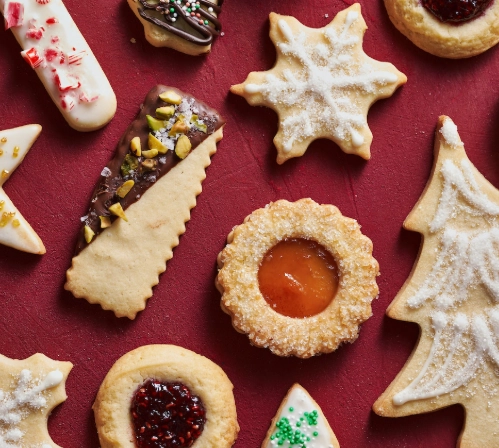
Spritz Cookies (The Pressed Butter Delights)
These are the delicate, buttery cookies that come from a cookie press. If you had a European grandmother, you definitely had these. They're like shortbread's more elegant cousin. The dough is simple—butter, sugar, flour, egg—but the technique is key. The dough needs to be cold enough to hold its shape when pressed but soft enough to go through the disc.
You get all sorts of shapes: wreaths, trees, stars. They're often left plain or sprinkled with colored sugar before baking. The texture is tender, crumbly, and melts in your mouth. They're not overly sweet, which makes them dangerously easy to eat by the handful.
Russian Tea Cakes / Mexican Wedding Cookies / Snowballs
This cookie has an identity crisis, but it's beloved worldwide. A simple, nutty dough (usually with pecans or walnuts) rolled into balls, baked, and then, while still warm, tossed in powdered sugar. The result is a cookie that looks like a snowball and has a wonderfully tender, sandy texture.
The different names point to its cross-cultural journey. Wherever it's from, it's a December fixture. They're incredibly easy to make and are perfect for cookie exchanges. Just be warned: the powdered sugar coating gets everywhere. It's a kitchen snowstorm.
Peppermint Chocolate Cookies
Chocolate and peppermint is a classic holiday flavor combo (think candy canes). These cookies capitalize on that perfectly. They can be chocolate cookies with peppermint chips, chocolate crinkles rolled in powdered sugar, or even brownie-like cookies with a peppermint frosting.
The visual of a dark chocolate cookie with bright red and white peppermint bits is undeniably festive. They satisfy that deep chocolate craving while still feeling seasonally appropriate.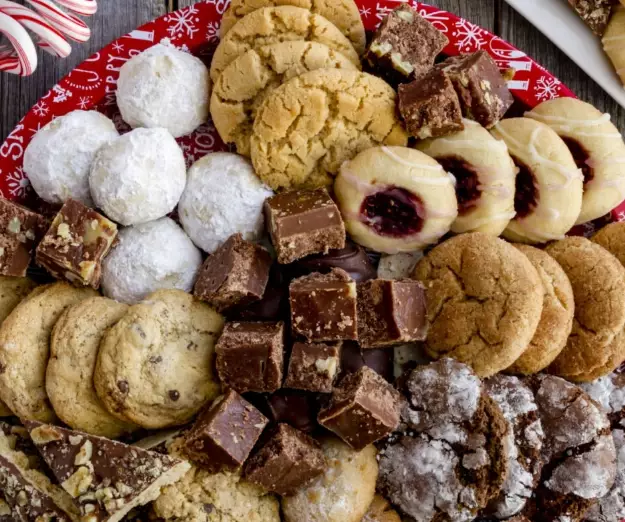
The Global Christmas Cookie Tour
Christmas is celebrated globally, and so is the baking. Asking "what cookies are associated with Christmas?" gets wildly different answers depending on where you are. Exploring these is like taking a delicious trip around the world.
Let's look at some of the most famous international contenders. This table breaks down a few essentials.
| Cookie Name | Country of Origin | Key Ingredients & Characteristics | Why It's a Christmas Staple |
|---|---|---|---|
| Pfeffernüsse | Germany | Honey, molasses, spices (including white pepper!), nuts. Often small, hard, and coated in powdered sugar. | Ancient German tradition. The spices represent the gifts of the Magi. They keep for ages, perfect for Advent. |
| Pepparkakor | Sweden | Ginger, cinnamon, cloves; thin, crisp, and snap-like. Often cut into heart, star, or goat shapes. | The Swedish gingerbread. Central to the "fika" (coffee break) during Jul (Christmas). Hanging them as decorations is common. |
| Panettone Cookies (or Chocolate Salame) | Italy | Not a baked cookie per se, but a no-bake log made from crushed cookies, cocoa, butter, nuts, and sometimes alcohol like rum. Shaped to look like salami. | A fun, easy "cookie" that uses up leftovers. Served alongside traditional Panettone cake during festive meals. |
| Kourabiedes | Greece | Butter, almonds, rosewater or brandy, topped with a mountain of powdered sugar. Shape is often a crescent or round. | A must for Christmas and other celebrations. The powdered sugar symbolizes purity and the joy of the season. |
| Bizcochitos | USA (New Mexico) | Anise, cinnamon, and sometimes brandy or wine. The state cookie of New Mexico, often cut into fleur-de-lis shapes. | A centuries-old tradition from Spanish settlers. Served at Christmas, weddings, and feast days. |
I tried making Pfeffernüsse once. The recipe called for letting the dough age for a week before baking. A whole week! I was too impatient and baked them after two days. They were fine, good even, but I always wondered what that extra patience would have brought. The pepper gives them a real kick you don't expect in a sweet cookie—it's fantastic.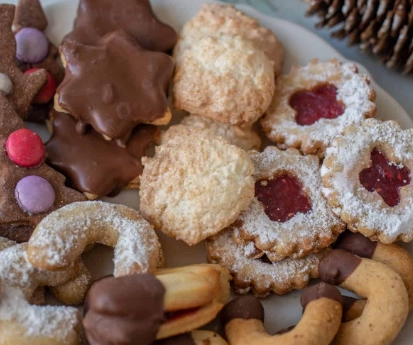
And the Greek Kourabiedes? They are absurdly good. The combination of toasted almonds and the floral hint of rosewater under that blizzard of sugar is unique and addictive. They're rich, though. One is often enough, which is saying something for a cookie.
The Decorated Brigade: Sugar Cookies & Royal Icing
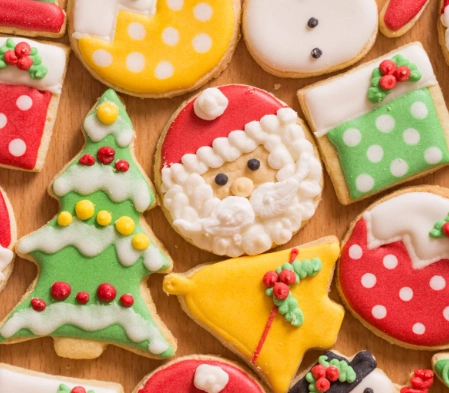
We have to talk about the decorated sugar cookie. For many kids (and adults!), this is the pinnacle of Christmas cookie creativity. Rolling out the dough, cutting out trees, stars, bells, and stockings, then going to town with colored icing and sprinkles.
The cookie itself is a simple sugar cookie, but the key is a recipe that holds its shape when baked. No spreading allowed! You need a dough with enough flour or a bit of leavening control (some use baking powder, some don't) to keep those sharp edges.
Then comes the royal icing. Egg whites or meringue powder, powdered sugar, and water. It dries rock-hard and smooth, making it perfect for detailed work. But it's also a skill. Getting the right consistency for outlining versus "flooding" (filling in) can be frustrating.
Is it worth the effort? For the sheer joy and nostalgia, absolutely. For taste? Honestly, a basic sugar cookie isn't the most flavorful thing in the world. The fun is in the making and the beauty. They're more of an art project you can eat.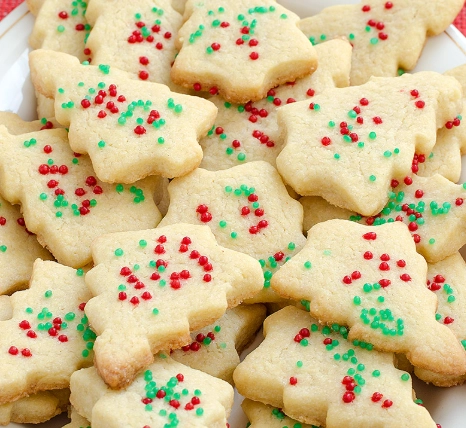
Lesser-Known Gems (That Deserve More Love)
Beyond the classics and the global stars, there are dozens of other cookies associated with Christmas that fly under the radar. These are often family recipes, regional specialties, or just old-fashioned treats that haven't gotten the viral internet treatment.
- Thumbprint Cookies: A buttery dough pressed with a thumbprint and filled with jam (raspberry is classic) or chocolate. Simple, pretty, and delicious. The jewel-toned jam centers look incredibly festive on a platter.
- Springerle: German cookies that are pressed with carved wooden molds or rollers, leaving detailed images (angels, animals, floral patterns). They use baker's ammonia for leavening, giving them a unique, hard texture that's meant to be dunked in coffee or tea. They're more about tradition and artistry than being a soft, chewy treat.
- Rum Balls / Bourbon Balls: No-bake confections made from crushed vanilla wafers or cake crumbs, nuts, cocoa, and a healthy dose of spirits, rolled in sugar or nuts. They pack a punch and improve with age as the flavors meld. Definitely adults-only.
- Pizzelle: Italian wafer cookies made in a special iron, like a thin waffle. They're often anise-flavored and can be eaten flat or rolled into cones while still hot. Light, crisp, and elegant.
My family always made a cookie called "Magic Bars" or "Hello Dolly Bars" during Christmas. They're a layered bar cookie with graham cracker crust, chocolate chips, butterscotch chips, coconut, and condensed milk. They're ridiculously sweet and sticky, but I'd be devastated if they weren't on the table. It's not Christmas without that specific toothache.
Baking, Storing, and Gifting: The Practical Stuff
Knowing what cookies are associated with Christmas is one thing. Actually dealing with them is another. Here's the real-world info you need.
How to Choose What to Bake?
Don't try to make them all (trust me, I've tried). Think about:
- Time: Do you have a weekend for a project (gingerbread house, detailed icing) or just an hour for a quick batch of drop cookies?
- Skill Level: Springerle and perfect royal icing are advanced. Russian tea cakes and thumbprints are beginner-friendly.
- Audience: Kids love decorating. Adults might appreciate the sophistication of a Pfeffernüsse or a boozy rum ball.
- Texture Variety: Aim for a mix on your platter—some soft, some crisp, some chewy, some sandy.
The Eternal Storage Question
You've baked ten dozen cookies. Now what? Most cookies freeze beautifully, which is the secret to getting ahead.
You can freeze baked, cooled cookies in airtight containers with parchment between layers. Thaw at room temperature. For dough, many types (like sugar cookie, gingerbread) can be shaped into logs, wrapped tightly, and frozen. Slice and bake straight from the freezer, adding a minute or two to the bake time.
For room-temperature storage, the enemy is moisture. Soft cookies will make crisp cookies soft. Store different textures separately in airtight tins. Adding a piece of bread to a container of hard cookies can help soften them slightly; conversely, keeping a sugar cube in with soft cookies can help absorb excess moisture.
For authoritative guidance on food storage safety, the USDA Food Safety and Inspection Service provides reliable, science-based guidelines that are a great resource for any home baker.
Gifting & Cookie Exchanges
This is where Christmas cookies truly shine as gifts from the heart. A few tips:
- Pack sturdy cookies (gingerbread, shortbread) on the bottom, delicate ones on top.
- Use cellophane bags, decorative tins, or even simple cardboard boxes lined with parchment.
- Include a note with the cookie name and a list of major allergens (nuts, dairy, etc.).
- For a cookie exchange, choose a recipe that yields a lot and travels well. No one wants to receive a box of crumbs.
Answering Your Christmas Cookie Questions (FAQ)
It depends on the tradition! In many Western countries, gingerbread in its various forms (men, houses) is the most iconic. In Germany, it's Lebkuchen or Pfeffernüsse. In Sweden, it's Pepparkakor. There's no single global winner, but ginger-spiced cookies have the deepest historical roots connected to the season.
The reasons are layered (pun intended). Historically, the spices used (cinnamon, ginger, nutmeg) were expensive and saved for special occasions like Christmas. Baking was a way to show generosity and wealth. The sweets were also associated with winter feasting. Today, it's about tradition, family time, creativity, and sharing love (and sugar) with others.
The usual suspects: butter too warm, dough not chilled, oven not hot enough, or the baking sheet is still warm from the last batch. Always use cool baking sheets. Chill your dough religiously. And make sure your oven is fully preheated—an oven thermometer is a cheap and invaluable tool.
Absolutely! Most baked cookies freeze for 2-3 months. Many doughs freeze for 1-2 months. In fact, some cookies like fruitcake or gingerbread-type cookies taste better after a week or two as the flavors mature. Baking ahead is the smart way to avoid December burnout.
Yes! For a deep dive into the history of holiday foods, including cookies, institutions like the Smithsonian Institution often have fascinating online exhibits and articles. While not exclusively about cookies, their food history resources provide excellent cultural context for why we bake what we bake.
Bringing It All Home
So, what cookies are associated with Christmas? The answer is a beautiful, messy, delicious tapestry. It's the gingerbread man you decorated as a kid. It's the delicate Spritz cookie that reminds you of your aunt. It's the unfamiliar but wonderful Kourabiedes from a neighbor. It's the messy, fun, sugary chaos of a kitchen in December.
The connection between cookies and Christmas isn't just about ingredients. It's about the act of making them. The time spent with family, the shared mess, the anticipation of that first bite. It's a sensory experience that defines the season for so many of us. The smell, the taste, the look—it all adds up to something more than dessert.
This year, whether you stick to your family's one sacred recipe or decide to try a new cookie from halfway across the world, remember that you're participating in a global tradition of celebration and generosity. And if your first batch burns a little? Don't sweat it. Crush them up, mix them with some frosting, and make cake pops. The spirit is in the doing, not the perfection. Now, go preheat that oven.
Leave a Comment