In This Guide
- The Core Principles: Why Bread Gets Hard in the First Place
- Your Ingredient Toolkit: Building Softness from the Ground Up
- Mastering the Method: Techniques That Guarantee a Soft Crumb
- Keeping It Soft: Storage Solutions That Actually Work
- The Soft Bread Formula: A Side-by-Side Comparison
- Answering Your Burning Questions (FAQs)
- Putting It All Together: Your Action Plan for Soft Bread
Let's be honest. There's nothing quite as disappointing as pulling a loaf of bread out of the oven, waiting for it to cool, slicing into it with anticipation, and finding it's dense, tough, or just... hard. It happens to the best of us. I've been there more times than I'd like to admit, staring at a brick-like creation that was supposed to be a soft, pillowy sandwich loaf. The good news? Learning how to make bread soft isn't magic. It's a combination of science, the right ingredients, and a few techniques that any home baker can master.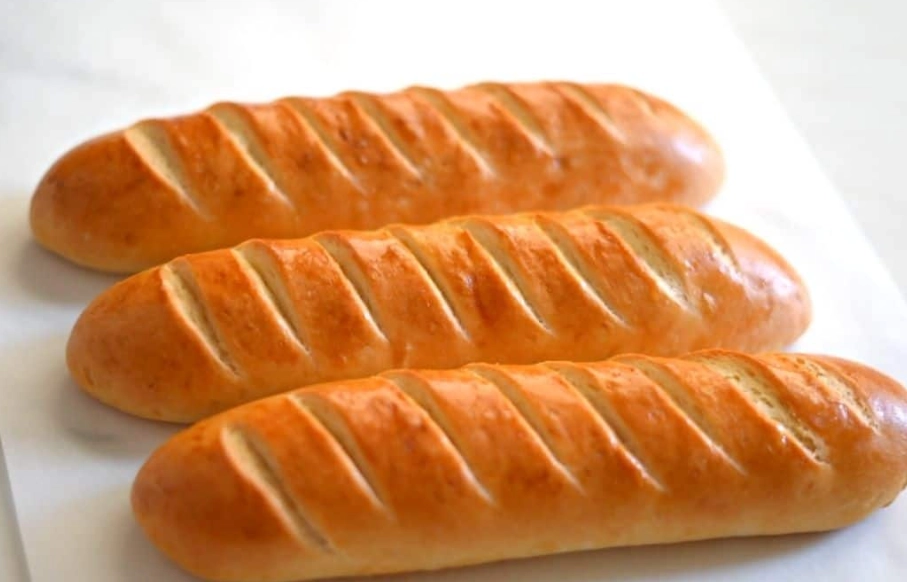
This isn't about fancy equipment or secret chef knowledge. It's about understanding the why behind the softness. Why does store-bought bread stay soft for ages (sometimes suspiciously so)? Why does your beautiful artisan loaf turn into a doorstop overnight? We're going to dig into all of that. Forget the complex jargon. We're talking practical, kitchen-tested advice that actually works.
The Core Principles: Why Bread Gets Hard in the First Place
Before we jump into the fixes, we need to understand the enemy. Bread hardening, or staling, is a complex process. For the longest time, I thought it was just the bread drying out. While moisture loss is part of it, it's not the whole story.
The main culprit is a process called retrogradation. Sounds fancy, but it's simple. When you bake bread, the starch granules in the flour absorb water, swell up, and gelatinize. This gives bread its initial soft, airy structure. As the bread cools and sits, those starch molecules start to slowly recrystallize. They push the water out and rearrange themselves into a more ordered, rigid structure. This recrystallization is what makes the crumb firm and dry, even if the bread is sealed in a bag. It's a natural process, but we can slow it down dramatically.
The other key player is gluten. Gluten is the protein network that gives bread its structure and chew. Too little gluten, and your bread collapses. Too much development, or the wrong handling, and that network becomes tough and elastic instead of tender and extensible. Finding that balance is crucial for softness.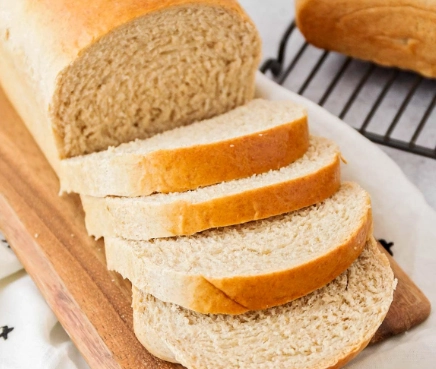
Your Ingredient Toolkit: Building Softness from the Ground Up
Think of your ingredients as the foundation. You can't build a soft loaf on the wrong foundation. Every component plays a role in the final texture.
Flour: The Backbone of Your Bread
Not all flour is created equal. Bread flour has a high protein content (12-14%), which creates a strong, chewy gluten network – great for baguettes, less ideal for soft sandwich bread. For maximum softness, you want a lower protein content. All-purpose flour (around 10-12% protein) is a good, versatile choice. For the ultimate tender crumb, many bakers swear by using some cake flour or pastry flour in the mix. These have even less protein (8-9%) and are often bleached, which further weakens the gluten-forming potential, leading to a more delicate structure.
My go-to blend for a standard soft loaf? I use about 70% all-purpose and 30% bread flour. It gives enough structure to rise well but keeps the crumb tender. Experiment to find your sweet spot.
The Fat Factor: Your Secret Weapon for Softness
This is a big one. Fats are like little lubricants in your dough. They coat the gluten strands, preventing them from forming an overly tight, tough network. They also contribute to moisture and richness. If you want to know how to make bread soft and keep it soft, fat is non-negotiable.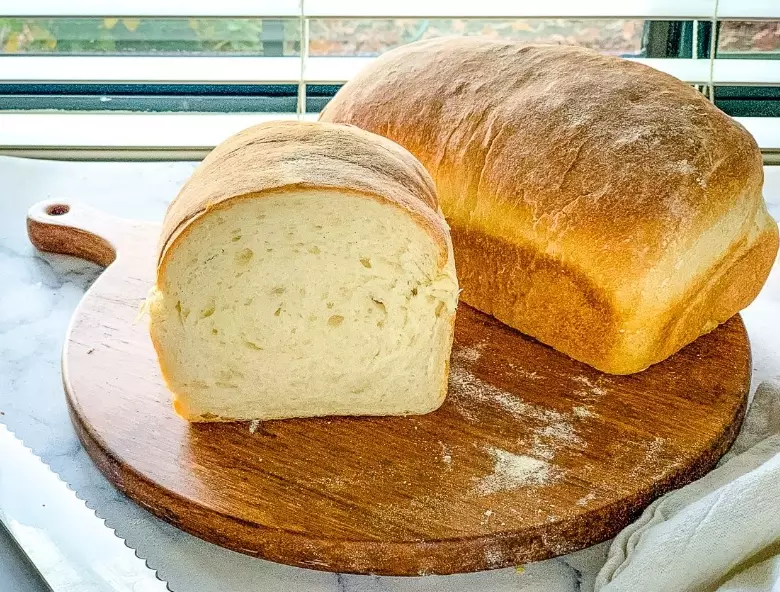
- Butter: My personal favorite. It adds incredible flavor and creates a beautifully tender, rich crumb. Use unsalted so you control the salt.
- Oil: A neutral-tasting option like vegetable or canola oil. It distributes easily and reliably softens the crumb.
- Eggs: The yolks are packed with fat and emulsifiers. Adding an egg or two to your dough is a fantastic way to boost softness, color, and nutritional value. Brioche, which is loaded with butter and eggs, is the poster child for this principle.
- Milk Powder or Tangzhong: More on this legendary technique later.
Sugar, Salt, and Liquid: The Supporting Cast
Sugar does more than sweeten. It's hygroscopic, meaning it attracts and holds onto water. This helps keep the bread moist. It also feeds the yeast, promotes browning, and yes, it tenderizes. Don't overdo it, but a couple of tablespoons can work wonders.
Salt strengthens gluten and regulates yeast, but in the right amount, it also enhances flavor profoundly. A well-seasoned bread simply tastes better and more satisfying.
Liquid is obviously key for moisture. Using milk instead of water adds fat, sugar (lactose), and proteins for better browning and a softer crust. Some bakers even use potato water (the water left from boiling potatoes) for its starch content, which can help retain moisture.
Mastering the Method: Techniques That Guarantee a Soft Crumb
Okay, you've got great ingredients. Now, how you handle them is where the real magic happens. This is the heart of learning how to make bread soft.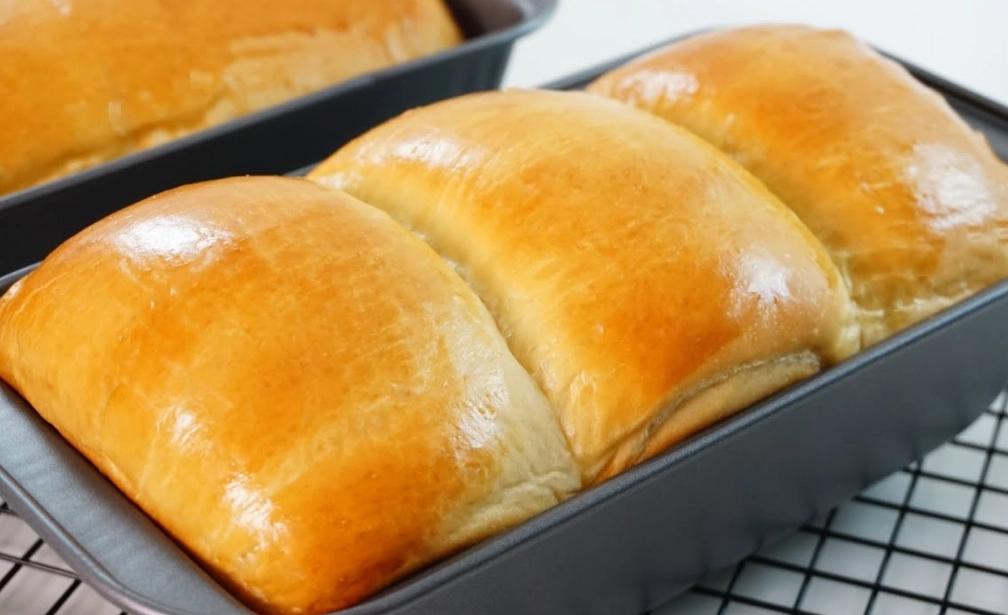
The Tangzhong or Yudane Method: A Game-Changer
If you only try one new technique from this guide, make it this one. Tangzhong (a Chinese/Japanese method) or Yudane (Japanese) is a pre-gelatinized flour paste. You cook a small portion of your recipe's flour with water (or milk) to form a thick pudding-like roux. This process gelatinizes the starch before it even enters the dough.
Why is this so revolutionary? The gelatinized starch can hold significantly more water than raw flour. When you mix this paste into your main dough, it supercharges the hydration without making the dough a sticky, unworkable mess. The result? Bread that is incredibly soft, moist, and stays that way for days. It resists staling like a champion. I was skeptical until I tried it. The difference in shelf-life and texture is night and day. The authoritative baking resource, King Arthur Baking, has excellent, tested recipes and explanations of this method that I've relied on.
Proper Kneading: Develop, Don't Destroy
Kneading develops the gluten network. You want it developed enough to trap gas and give structure, but not so much that it becomes tough. The windowpane test is your friend: take a small piece of dough and gently stretch it. If you can stretch it thin enough to see light through it without it tearing immediately, your gluten is well-developed. For soft bread, stop shortly after achieving this windowpane. Over-kneading, especially by machine, can lead to a tough crumb.
The Power of Time: Slow Fermentation
Rushing bread is a surefire way to get inferior flavor and texture. A long, slow rise, especially in the refrigerator (retardation), allows enzymes to break down complex starches into simple sugars. This not only develops amazing flavor but also creates a more tender crumb. The yeast has more time to produce gas slowly, creating smaller, more uniform bubbles that contribute to a soft, even texture. Try putting your shaped loaf in the fridge overnight for its final proof. Bake it straight from the fridge in the morning. The flavor is incredible.
Baking and Cooling: The Final Hurdle
Baking at the right temperature is key. A too-hot oven will set the crust before the inside has fully expanded, leading to a dense loaf. Most soft loaves do well at 350°F to 375°F (175°C to 190°C). Steam in the first few minutes of baking helps the crust stay elastic longer, allowing for maximum "oven spring" (the final burst of rising). You can create steam by placing a pan of hot water on the oven floor or spritzing the oven walls with water (carefully!).
And here's a critical mistake I see all the time: DO NOT slice your bread while it's hot. I know it's tempting. The smell is intoxicating. But that steam you see is moisture leaving the loaf. If you cut it, you release all that steam at once, accelerating the staling process. Let it cool completely on a wire rack. This allows the internal structure to set properly. It's worth the wait.
Keeping It Soft: Storage Solutions That Actually Work
You've baked the perfect soft loaf. Now, how do you keep it that way? Throwing it in a plastic bag on the counter is the standard, but it's not always the best.
For short-term storage (2-3 days), a bread box or a paper bag inside a plastic bag works well. The paper absorbs excess moisture from the crust, preventing sogginess, while the plastic slows overall moisture loss.
For longer storage, freezing is your best friend. Staling happens fastest at refrigerator temperatures (around 40°F / 4°C). Never store soft bread in the fridge unless it's very humid and you're worried about mold. Instead, slice the cooled loaf, wrap it tightly in plastic wrap and then foil, or use a heavy-duty freezer bag, and freeze. You can toast slices straight from the freezer, or let the whole wrapped loaf thaw at room temperature for a few hours.
The Soft Bread Formula: A Side-by-Side Comparison
To make it crystal clear, let's look at how different choices affect the final texture. This table summarizes the key decisions you'll make on your quest for softness.
| Ingredient/Technique Choice | Effect on Softness | Recommendation for Maximum Softness |
|---|---|---|
| Flour Type | Higher protein = chewier; Lower protein = tenderer. | Blend all-purpose (lower protein) with a touch of bread flour for structure. |
| Fat Added | Coats gluten, tenderizes, retains moisture. | Use 2-3 Tbsp butter/oil per standard loaf. Consider an egg. |
| Liquid Type | Water = neutral. Milk = adds fat/sugar for softness/browning. | Use whole milk or buttermilk for liquid. |
| Tangzhong/Yudane | Dramatically increases water retention, delays staling. | Highly recommended. Use 10% of total flour to make the paste. |
| Kneading | Under-knead = poor structure. Over-knead = toughness. | Knead just until a smooth windowpane is achieved. |
| Rising Time | Fast rise = less flavor, coarser texture. Slow rise = more flavor, tender crumb. | Use a longer, cooler fermentation (e.g., overnight in fridge). |
| Storage | Room temp = stale in days. Fridge = stale in hours. Freezer = pauses staling. | Store at room temp for 2 days, then freeze sliced. |
Answering Your Burning Questions (FAQs)
This is the classic staling problem we covered. The most likely culprits are: 1) Not enough fat in the recipe, 2) The bread was under-hydrated (not enough water), 3) It was stored improperly (like in the fridge or uncovered), or 4) You didn't use a moisture-retaining technique like Tangzhong. Retrogradation is natural, but these factors speed it up.
Sometimes, yes! If it's just stale (dry and firm) and not moldy, you can try to revive it. Lightly spritz the entire loaf with water, wrap it loosely in foil, and warm it in a 300°F (150°C) oven for 5-10 minutes. The heat and steam can help re-gelatinize some of the starches. It won't be like fresh, but it can make it palatable for toast or bread pudding. This is a great trick for leftover French bread.
Commercial bakeries often use additives like ascorbic acid (Vitamin C) or dough conditioners to strengthen gluten and improve texture. A tiny amount of vinegar (1/2 teaspoon per loaf) can slightly weaken gluten, potentially leading to a more tender crumb, and it doesn't affect the taste. However, I find that mastering the core techniques—proper hydration, fat, and Tangzhong—makes these additives completely unnecessary for the home baker. Focus on the fundamentals first.
Start simple. Look for a recipe labeled "sandwich bread," "milk bread," or "Pullman loaf." These are specifically designed for a soft, fine crumb. Ensure it includes fat (butter/oil), a sweetener, and milk. Even better, find one that uses the Tangzhong method. The USDA and various agricultural extensions, like those from land-grant universities, often provide tested, reliable basic recipes that are a fantastic, no-nonsense starting point for understanding ratios.
Putting It All Together: Your Action Plan for Soft Bread
It can feel like a lot of information. So here's a simple checklist for your next bake. Follow these steps, and you'll be amazed at the difference.
- Choose your recipe wisely: Pick one with fat, a bit of sugar, and milk. A Tangzhong recipe is the gold standard.
- Measure accurately: Use a kitchen scale if you can. Volume measurements for flour are notoriously inconsistent.
- Make the Tangzhong (if using) and let it cool to room temperature.
- Knead patiently until you get a smooth dough that passes the windowpane test—no more.
- Let it rise slowly. If you have time, let the first rise go for 1.5-2 hours at room temp, or overnight in the fridge.
- Shape gently. Don't degas the dough completely. Preserve some of those lovely bubbles.
- Proof until just puffy. It should spring back slowly when gently poked.
- Bake with steam for the first 10 minutes at the right temperature (usually 350-375°F).
- Cool completely on a wire rack. This is non-negotiable. Walk away.
- Store smart: Keep it at room temp in a bag for a couple days, then slice and freeze the rest.
Learning how to make bread soft is a journey. Each loaf teaches you something. Pay attention to how the dough feels, how it smells, how it rises. Your hands and eyes are your best tools. Start with a basic recipe, master it, and then start tweaking. Add a little more butter. Try the Tangzhong. Experiment with a long cold ferment.
Before you know it, you'll be pulling consistently soft, delicious, homemade bread from your oven. The kind that makes incredible toast, holds up to a hearty sandwich, and makes your kitchen smell like heaven. And honestly, that's one of life's simple, perfect pleasures. Now go preheat your oven.



Leave a Comment