Your Baking Roadmap
- Why Do We Even Bake Christmas Cookies? A Bite of History
- The Classic Christmas Cookie Lineup: Your Holiday All-Stars
- The Science of the Perfect Bake: It's Not Magic, It's Butter Temperature
- The Decorating Department: Royal Icing Demystified
- Your Christmas Cookie FAQ: Solving the Real Problems
- Beyond the Cookie Jar: Gifting, Storing & The Santa Plate
- Making It a Tradition (Without the Burnout)
Let's be honest. The smell of Christmas cookies baking in the oven is basically the official scent of December. It's nostalgia, it's joy, it's a little bit of chaos with flour everywhere, and it's absolutely worth it. But if you've ever ended up with cookies that spread into one giant sheet pan blob, or icing that runs right off the edges, you know the holiday baking spirit can take a hit.
I've been there. I've made gingerbread men that looked more like abstract art, and sugar cookies so hard you could probably use them as coasters.
So this isn't just another list of recipes. This is your backstage pass to getting it right. We're going to talk about the christmas cookies that have stood the test of time, the science behind the perfect bake, the tricks for decorating that actually work, and how to turn this into a tradition your family actually looks forward to—without the stress.
Why Do We Even Bake Christmas Cookies? A Bite of History
It feels like they've always been there, right? Piled on plates, hanging on trees, left out for Santa. The tradition of baking special treats for the winter solstice and Christmas goes way back. Some food historians trace it to Medieval European monasteries where spiced honey cakes were made. The modern idea of decorative Christmas cookies really took off with the popularity of gingerbread (which was often molded into shapes) and, later, with German immigrants bringing recipes like springerle and pfeffernüsse to America.
It became about more than just eating. It was about artistry (those intricate German cookies), about preservation (many old recipes are designed to last weeks), and about generosity. Giving a tin of homemade cookies is a personal gift of time and care.
Now, it's a cornerstone of family memory-making. The ritual of mixing, cutting, and decorating creates moments that stick with kids far longer than any store-bought gift. That's the magic we're trying to capture.
The Classic Christmas Cookie Lineup: Your Holiday All-Stars
Every family has their favorites. Maybe it's your grandma's spritz cookies pressed through that old metal gun, or the rum balls that only come out in December. But some christmas cookie recipes are classics for a reason—they're reliably delicious, often sturdy for shipping or gifting, and packed with holiday flavor.
Here's a breakdown of the heavy hitters you'll want in your repertoire. I've ranked them not just by taste, but by factors like difficulty, kid-friendliness, and how well they keep.
| Cookie Type | Key Flavor Profile | Best For | Difficulty Level | Storage Life |
|---|---|---|---|---|
| Gingerbread (Cut-Out) | Warm, spicy, molasses-rich | Decorating, building houses | Medium (dough can be tricky to roll) | Excellent (2-3 weeks in airtight tin) |
| Classic Sugar Cookie (Cut-Out) | Sweet, buttery, vanilla | Royal icing & sprinkles, kid decorators | Easy to Medium | Good (1-2 weeks) |
| Shortbread | Rich, buttery, crumbly | Elegant simplicity, tea-time, gifting | Very Easy | Excellent (3+ weeks) |
| Spritz (Pressed) | Buttery, delicate, mild | Quick shaping, festive looks | Medium (needs a cookie press) | Good (1-2 weeks) |
| Snickerdoodle | Soft, cinnamon-sugar, tangy | Crowd-pleasers, no decorating needed | Easy | Best fresh, but okay for a few days |
| Russian Tea Cakes / Mexican Wedding Cookies | Nutty, buttery, powdered sugar | Melt-in-your-mouth texture, no-fuss | Easy | Very Good (2 weeks) |
My personal can't-live-without? A really good gingerbread. The kind with a bit of black pepper in it for extra kick. It feels ancient and festive all at once. Shortbread is a close second because it's foolproof and feels fancy with minimal effort. You can find a fantastic, research-backed base recipe for gingerbread from a source like King Arthur Baking, which tests their recipes rigorously.
On the other hand, I find most online recipes for spritz cookies too vague. Getting the dough consistency right for the press is an art. Too soft and it blobs; too stiff and the handle is a workout. It's a cookie that demands practice.
The Science of the Perfect Bake: It's Not Magic, It's Butter Temperature
This is where most christmas cookie dreams go to die. You follow the recipe to the letter, but the results are... wrong. Let's fix that by understanding a few key principles.
Fat is Fate (Butter, Specifically)
The state of your butter dictates texture. Recipes usually call for it "softened" or "at room temperature." This does NOT mean melted or even slightly greasy. You should be able to press a finger into it and leave a clear indent without your finger sliding through. Why? Creaming softened butter with sugar traps tiny air pockets. Those pockets expand in the oven, giving you a lift and a tender crumb. Melted butter makes a denser, chewier cookie (great for chocolate chip, not for cut-outs).
Flour: To Measure or to Weigh?
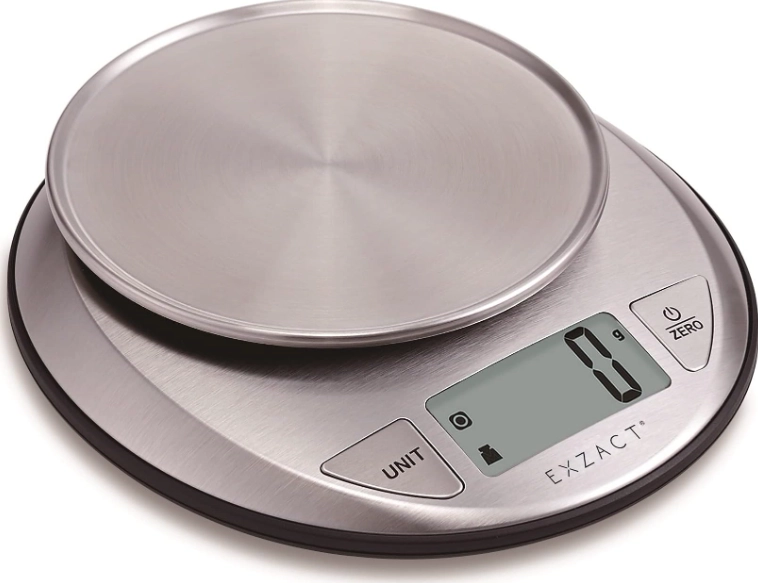
If you only take one tip from this whole guide, let it be this: weigh your flour. The "scoop and sweep" method can pack up to 25% more flour into your cup. Extra flour = dry, tough, crumbly cookies. A simple digital kitchen scale is cheap and a total game-changer. If you must use cups, fluff the flour in its bag, spoon it gently into the cup, and level it off with a knife. Don't tap the cup.
Chill Out, Dough
That instruction to chill the dough for 1 hour minimum? It's not a suggestion. It's a commandment. Chilling solidifies the fat. When cold fat hits the hot oven, it takes longer to melt, which gives the other ingredients time to set. This prevents catastrophic spreading. For cut-out cookies, chilling also makes the dough much easier to handle and roll without sticking. I often chill mine overnight. The flavor even improves.
Think of it as the dough's beauty sleep.
The Decorating Department: Royal Icing Demystified
This is the fun part, but also the intimidating part. Store-bought tubs of frosting are tempting, but they stay soft and smear. For those crisp lines and professional-looking Christmas cookies, you want royal icing.
Royal icing dries rock-hard because it's made with powdered sugar and egg whites or meringue powder. The trick is getting the right consistency: thick for outlining ("outline consistency"), and thinned with a few drops of water for flooding the center ("flood consistency").
You don't need fancy tools to start. A few disposable piping bags (or even sturdy ziplock bags with a tiny corner snipped off) and some toothpicks for guiding the flood icing will get you far. The key is to outline an area first, let that set for a minute, then flood inside the barrier.
Let cookies dry completely, which can take 4-8 hours or overnight. Rushing this leads to smudges and tears.
Your Christmas Cookie FAQ: Solving the Real Problems
Here are the questions I get asked most, the ones that pop up when you're elbow-deep in flour at 11 PM.
Why did my cookies spread flat like pancakes?
Usually, it's one of three culprits: 1) Butter too warm or melted. 2) Dough not chilled. 3) Baking sheet too warm. Always bake on cool, room-temperature pans. Hot pans start melting the dough before it even gets in the oven.
How do I make my cookies soft and chewy vs. crisp?
It's a recipe and bake time choice. More brown sugar or honey/molasses promotes chewiness. Baking for less time leaves them softer. For crisp cookies, use more white sugar and bake a minute or two longer until the edges are lightly golden all around.
Can I freeze Christmas cookie dough?
Absolutely! It's a brilliant time-saver. Form dough into disks (for roll-out) or logs (for slice-and-bake), wrap tightly in plastic, then foil. Freeze for up to 3 months. Thaw in the fridge overnight before using. You can also freeze baked, undecorated cookies.
My royal icing is too runny/thick. Help!
Too runny? Add more sifted powdered sugar, a tablespoon at a time. Too thick? Add water, but only a few drops at a time. It's a delicate balance. Test on the side of your bowl before committing to the cookies.
Are there any food safety concerns with raw cookie dough?
Yes, and this is important. Raw flour and raw eggs can carry bacteria like E. coli and Salmonella. The Centers for Disease Control and Prevention (CDC) advises against consuming raw dough or batter meant to be baked. If you or the kids can't resist the temptation, look for recipes that use heat-treated flour and pasteurized eggs or skip the eggs entirely. It's just not worth the risk.
Beyond the Cookie Jar: Gifting, Storing & The Santa Plate
You've made these beautiful christmas cookies. Now what?
Storing: Let all cookies cool completely before storing. Different types should be stored separately. Soft, moist cookies will make crisp ones soggy. Most decorated cookies with royal icing do best in a single layer in an airtight container at room temperature. You can place parchment between layers if needed. For general food storage guidelines, resources like the USDA Food Safety and Inspection Service offer solid, science-based advice.
Gifting: Tins, cellophane bags tied with ribbon, or festive paper boxes work great. Include a variety for texture and flavor contrast. A little note with the cookie types is a nice touch, especially if there are common allergens like nuts.
The Santa Cookie: The tradition of leaving cookies and milk for Santa is pure joy. Pick a sturdy one that won't get too soggy! A classic sugar cookie or a gingerbread man is perfect. Don't forget the carrot for the reindeer.
Making It a Tradition (Without the Burnout)
Finally, remember the "why." This is supposed to be fun, not a chore. Here's how to keep it that way:
- Don't do it all in one day. Make doughs one day, bake another, decorate on a third. Spread the joy (and the mess).
- Delegate. Let kids sprinkle jimmies. Ask your partner to handle the music playlist. Turn it into a party, not a solo mission.
- Embrace imperfection. The lopsided snowman decorated by a 4-year-old will be the one you remember most fondly.
- Start small. Pick one or two new christmas cookie recipes to try each year. You don't need a bakery's worth of varieties.
The best Christmas cookies aren't necessarily the most beautiful or technically perfect. They're the ones that come with a story, a laugh, or a memory of someone you love in the kitchen. They're a little piece of handmade holiday spirit you can actually taste.
So preheat that oven, get your butter softening, and get ready to make some memories. And maybe a few delicious mistakes along the way. That's all part of it.

Leave a Comment