Quick Guide
Let's be honest. The first time I tried to bake an eggless cake, it was a disaster. It came out of the oven looking sad, dense, and about as appetizing as a hockey puck. I followed some random blog post to the letter, but something was off. Was it the recipe? My technique? The phase of the moon? It took me more failed attempts than I'd like to admit to figure it out. And that's why I'm writing this – so you don't have to waste flour, sugar, and hope like I did.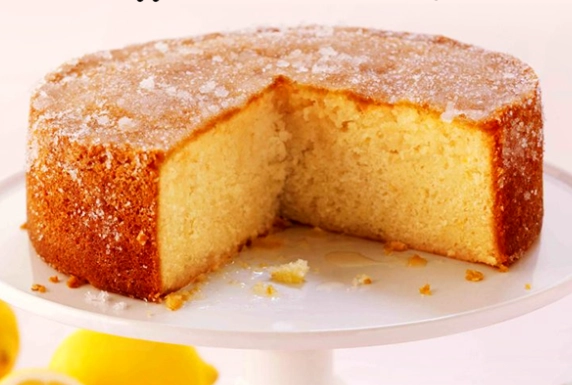
Maybe you're avoiding eggs because of an allergy. Maybe it's a dietary choice. Or perhaps you just ran out of eggs and have a serious cake craving. Whatever your reason, you've probably discovered that finding a reliable eggless cake recipe is trickier than it seems. A simple Google search throws a million options at you, from "5-minute mug cakes" to elaborate layer cakes, and it's hard to know which one actually works.
I'm not a professional pastry chef, just someone who loves baking and has made every mistake in the book. Through all those trials (and errors), I've learned what actually makes an eggless cake moist, light, and delicious – not just a passable substitute. This guide is everything I wish I'd known from the start. We'll move past the basic "use yogurt instead" advice and get into the real science and secrets.
Why Go Eggless? It's More Than Just Allergies
Most people assume egg-free baking is only for vegans or people with egg allergies. That's part of it, sure. Egg allergies are one of the most common food allergies, especially in children, as noted by resources like the U.S. Food and Drug Administration. So having a safe, dependable eggless cake recipe is crucial for inclusive celebrations.
But there are other reasons. Sometimes you're halfway through mixing dry ingredients and realize you're fresh out of eggs. A good eggless cake recipe is a pantry-saver. For some, it's about dietary preferences or cholesterol concerns. And honestly, once you master it, an eggless cake can stand proudly next to any traditional cake. The flavor is often richer, and the crumb can be incredibly tender.
The trick is understanding what eggs actually do in a cake. They bind ingredients, add moisture, help with leavening (making it rise), and contribute to structure. When you remove them, you need to replicate all those jobs. That's where most recipes fall short – they tackle one function but ignore the others.
The Top Reasons Your Eggless Cake Fails (And How to Fix Them)
Before we get to the good stuff, let's diagnose the common problems. If your last attempt was a brick or a gummy mess, you're not alone.
The Dense, Heavy Brick
This is the number one complaint. The cake doesn't rise, and eating a slice feels like a workout. Why? Usually, it's a leavening issue. Eggs provide some lift, and without them, you're relying solely on baking powder and soda. If they're old or not measured correctly, you get a brick. Another culprit is overmixing. Gluten development is the enemy of tenderness.
The Fix: First, make sure your baking powder is fresh. Test it by dropping a teaspoon in hot water – it should fizz vigorously. Second, mix the dry and wet ingredients just until combined. No more. A few lumps are fine. Finally, consider adding a tiny bit of vinegar or lemon juice to react with baking soda for an extra lift.
The Gummy, Wet Center
The toothpick comes out clean, but the middle of the cake feels soggy and undercooked. This often happens when using too much of a wet substitute like applesauce or yogurt without adjusting other liquids. The moisture has nowhere to go.
The Fix: Balance your wet and dry ingredients carefully. If your chosen egg substitute adds a lot of liquid (like 1/4 cup of applesauce), you might need to reduce the milk or oil in the recipe slightly. Also, don't skip the preheating step. A properly hot oven sets the structure quickly.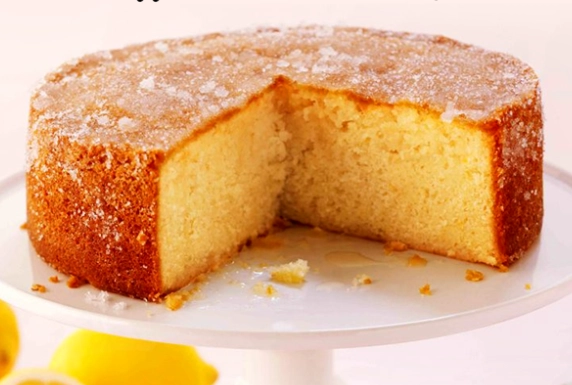
The Crumbly Disaster
The cake tastes okay but falls apart when you try to slice or frost it. Eggs are brilliant binders. Without their protein, the cake lacks structure. Using a substitute that only adds moisture but no binding power (like oil) is a common mistake.
The Fix: Choose an egg substitute that has binding properties. Flax eggs (ground flaxseed mixed with water) are fantastic for this. Chia seeds work similarly. These create a gel that mimics the binding action of egg proteins perfectly.
See, most problems aren't about the concept of an eggless cake recipe being bad. They're about imbalance. Getting the formula right is key.
Your Ultimate Guide to Egg Substitutes: A Side-by-Side Comparison
This is the heart of it. Picking the right substitute for your specific eggless cake recipe makes all the difference. Not all substitutes are created equal. What works for a dense chocolate cake might fail miserably in a light vanilla sponge.
Here’s a breakdown of the most popular options, based on my own (sometimes messy) kitchen experiments.
| Substitute (for 1 egg) | Best For | Flavor Impact | Binding Power | My Personal Rating |
|---|---|---|---|---|
| Flax Egg (1 tbsp ground flaxseed + 3 tbsp water, rested 5 min) | Dense cakes, brownies, muffins, cookies. Great for whole-grain bakes. | Adds a slight nutty, earthy taste. Can darken color. | Excellent. Creates a thick, binding gel. | 9/10. My go-to for reliable structure. |
| Chia Egg (1 tbsp chia seeds + 3 tbsp water, rested) | Similar to flax. Good in chocolate or spiced cakes where color doesn't matter. | Very neutral. Seeds can be visible if not ground. | Excellent, maybe even better than flax. | 8.5/10. Works great, but I prefer flax's texture. |
| Unsweetened Applesauce (1/4 cup) | Very moist cakes, spice cakes, carrot cake. Adds natural sweetness. | Mild apple flavor. Can make cake taste "fruity." | Poor. Adds moisture but little structure. | 7/10. Use with a binder (like extra starch) or in already-dense recipes. |
| Plain Yogurt or Buttermilk (1/4 cup) | Vanilla, lemon, or pound cakes. Creates a tender, fine crumb. | Tangy note. Lovely in vanilla cakes. | Moderate. The acidity tenderizes gluten. | 8/10. Consistently good results. My favorite for a classic vanilla eggless cake. |
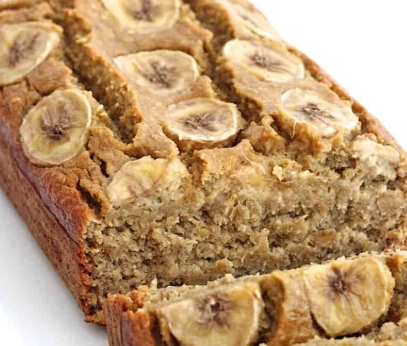
| Mashed Banana (1/4 cup) | Banana bread, chocolate cake, muffins. Mask the banana flavor is key. | Strong banana flavor. Obvious. | Moderate. | 6/10. Only if you want banana taste. Can be heavy. |
| Commercial Egg Replacer (like Bob's Red Mill, follow pkg) | Any cake where you want zero flavor interference. Good for beginners. | Neutral. | Very Good. Designed specifically for this job. | 8/10. Foolproof but feels less "from scratch." |
| Aquafaba (3 tbsp, whipped to soft peaks) | Angel food cake, sponge cake, anything needing serious lift and airiness. | Neutral (it's chickpea brine!). | Good for structure when whipped. | 9/10 for specific uses. A game-changer for light cakes, but extra step. |
My advice? Start with a flax egg or yogurt for your first few attempts. They're forgiving and easy.
The Can't-Fail, Moist Vanilla Eggless Cake Recipe
Alright, enough theory. Let's bake. This is my absolute favorite, most-requested eggless cake recipe. It's a simple vanilla cake that's unbelievably soft, moist, and holds up to stacking and frosting. It's the one I make for birthdays now.
Ingredients
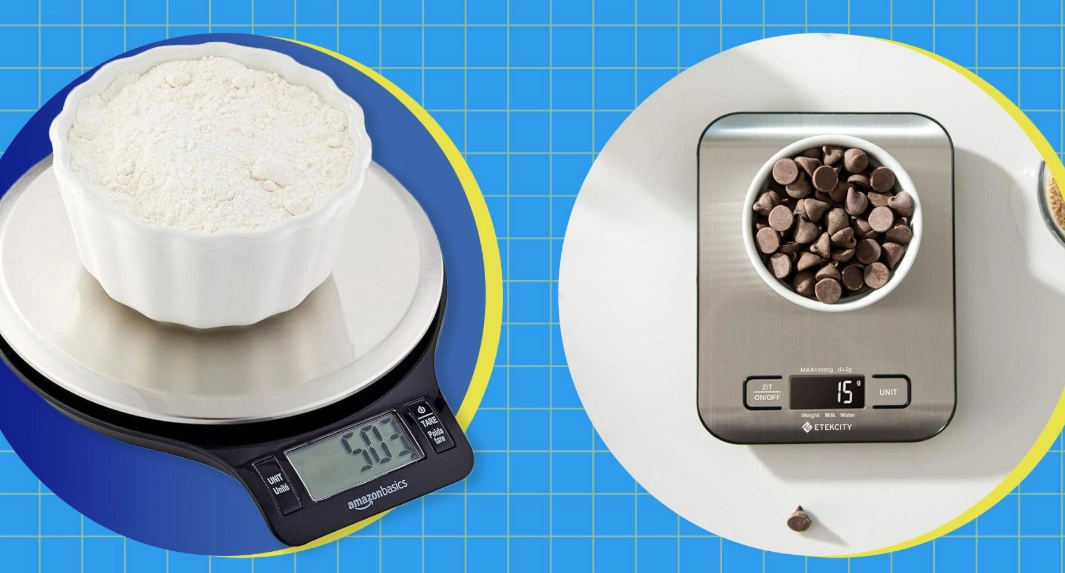
- Dry Stuff: 1 and ½ cups (190g) all-purpose flour, 1 cup (200g) granulated sugar, 1 tsp baking soda, ½ tsp baking powder, ½ tsp salt.
- Wet Stuff: 1 cup (240ml) plain whole milk yogurt (not Greek, it's too thick), ½ cup (120ml) vegetable oil or mild olive oil, ¼ cup (60ml) milk (any kind), 1 tbsp white vinegar, 2 tsp pure vanilla extract.
Method
- Prep: Preheat your oven to 350°F (175°C). Grease and flour an 8-inch round cake pan. Don't just grease – flour it well. This cake is moist and can stick.
- Mix Dry: In a large bowl, whisk together all the dry ingredients. Get the flour, sugar, baking soda, powder, and salt really well combined. This avoids overmixing later.
- Mix Wet: In another bowl, whisk the yogurt, oil, milk, vinegar, and vanilla until it's smooth and homogeneous. The vinegar might smell strong, but it will bake out and react with the baking soda.
- Combine: Pour the wet ingredients into the dry. Using a spatula, fold gently. Mix just until you no longer see dry flour pockets. The batter will be thick but pourable. Lumps are your friend here.
- Bake: Pour into the prepared pan and smooth the top. Bake for 30-35 minutes. Start checking at 30 minutes. The top should be golden, and a toothpick inserted in the center should come out with a few moist crumbs, not wet batter.
- Cool: This is critical. Let the cake cool in the pan on a wire rack for 15 minutes. Then, run a knife around the edges and invert it onto the rack to cool completely before frosting. If you try to frost it warm, it'll tear.
Why This Eggless Cake Recipe Works: The yogurt provides moisture, fat, and acidity for tenderness. The vinegar + baking soda gives a reliable rise. The oil keeps it moist for days. It's a perfectly balanced formula.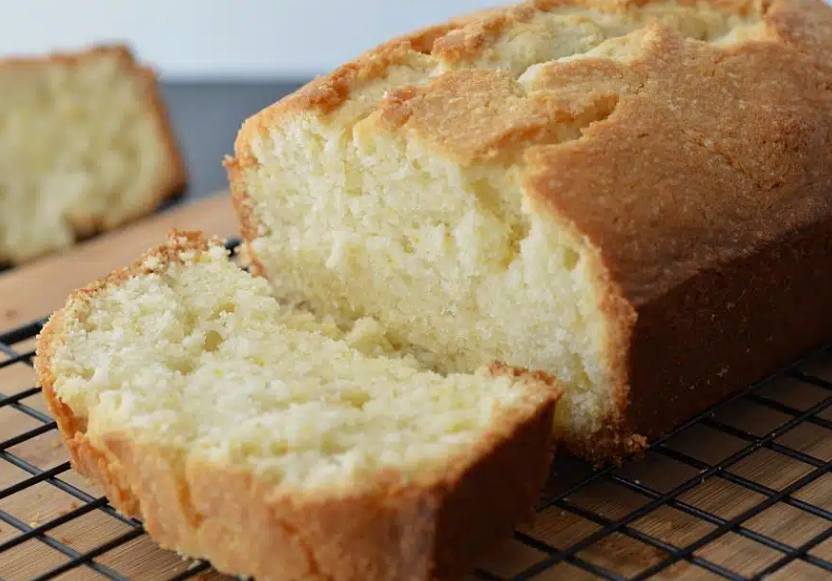
Variation: Decadent Eggless Chocolate Cake
For a chocolate version, replace ¼ cup of the flour with ¼ cup unsweetened cocoa powder. Add the cocoa to the dry ingredients. You can also increase the sugar by 2 tablespoons if you like it sweeter. The yogurt makes this chocolate cake incredibly fudgy. Honestly, I sometimes prefer it to traditional recipes.
Baking time is similar. A great resource for understanding the role of different fats and acids in baking, which is crucial for eggless recipes, can be found through the science-based explanations from institutions like the Exploratorium's Cooking Science section, which breaks down food chemistry in an accessible way.
Frosting and Storing Your Masterpiece
An eggless cake recipe doesn't stop at the bake. You've got a beautiful cake, now what?
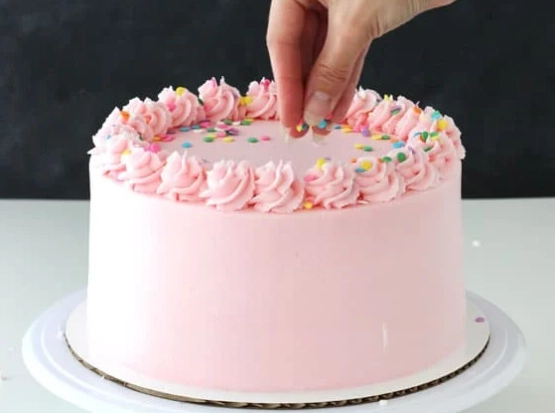
Frosting Pairings: The vanilla cake above is a blank canvas. A simple vanilla buttercream (butter, powdered sugar, vanilla, a splash of milk) is classic. For the chocolate version, a chocolate ganache (heat cream, pour over chopped chocolate, stir) is heavenly and easy. Cream cheese frosting also pairs wonderfully, especially if you added a spice like cinnamon to the batter.
Storing for Freshness: This is where eggless cakes often shine – they stay moist longer. Unfrosted, wrap the cooled cake tightly in plastic wrap and keep it at room temperature for 2 days, or freeze for up to 3 months. Frosted, it needs to be refrigerated because of the dairy in the frosting, but let it come to room temperature for an hour before serving for the best texture and flavor.
I once left a slice wrapped on the counter for three days as a test (don't judge my willpower). It was still perfectly edible on day three, just a tad drier at the edges. That's the power of the right moisture-holding ingredients.
Your Eggless Cake Questions, Answered
Baking without eggs isn't about making a "less than" cake. It's about exploring a different path to the same delicious destination. It requires a bit more attention to the why behind each ingredient, but that knowledge makes you a better baker overall.
So, preheat that oven.
Grab your yogurt or flaxseed. And trust the process. Your perfect, moist, celebratory eggless cake is waiting. Once you nail this basic formula, a whole world of egg-free baking opens up – from coffee cakes to elaborate layer cakes. The first time you serve a slice and someone says, "Wait, this has no eggs?" with genuine surprise, you'll know it was all worth it.

Leave a Comment