So you're standing in your kitchen, ready to make sugar cookies. You've got your mixing bowl, your measuring cups, and maybe even that old family recipe card. But before you start, let's talk about what actually goes into them. Because here's the thing: a sugar cookie is more than just a sweet treat. It's a blank canvas. The ingredients list is surprisingly short, but each one plays a crucial role. Get them right, and you'll have cookies that are tender, hold their shape when decorated, and melt in your mouth. Get them wrong, and... well, we've all been there.
I remember the first time I tried to wing it. I thought, "How hard can it be?" I ended up with hockey pucks that could have chipped a tooth. The culprit? Over-creaming the butter and sugar, which incorporates too much air and leads to excessive spreading. It's a subtle mistake that most beginner recipes don't warn you about.
What You'll Find in This Guide
The Complete Ingredient List
This is your shopping list. I recommend using a kitchen scale for accuracy, especially with flour. Measuring by volume can lead to dense cookies. But if you must use cups, here's the method I swear by: fluff your flour with a spoon, sprinkle it into your measuring cup, and level it off with a knife. Don't scoop directly from the bag.
| Ingredient | Quantity (for about 24 cookies) | Purpose & Expert Notes |
|---|---|---|
| All-purpose flour | 2 ¾ cups (345g) | The structure builder. Too much, and cookies become tough. Weigh it if you can. If using cups, fluff, spoon, and level. A common mistake is using bread flour by accident – it has more protein, leading to chewier, less tender cookies. |
| Granulated sugar | 1 ½ cups (300g) | Sweetness and tenderness. It also helps with browning and spreading. Some recipes use a mix of granulated and powdered sugar for a finer crumb. Powdered sugar can make cookies more tender and spread less, but granulated gives that classic crisp edge. |
| Unsalted butter | 1 cup (2 sticks or 226g), softened | Flavor, tenderness, and moisture. This is critical: "Softened" means it should hold a slight indentation when pressed, but not be greasy or melted. If it's too warm, your cookies will spread like crazy. Take it out of the fridge about 30-45 minutes before you start. |
| Large eggs | 2 | Bind the ingredients together and add moisture. Bring them to room temperature for better incorporation into the creamed butter and sugar mixture. Cold eggs can cause the batter to seize. |
| Vanilla extract | 2 teaspoons | Flavor. Pure vanilla extract is worth the investment over imitation. It makes a noticeable difference. |
| Baking powder | 1 teaspoon | A leavening agent that helps the cookies rise slightly and become tender. Using too much can give them a bitter, chemical taste. |
| Salt | 1 teaspoon | Enhances flavor and balances sweetness. This is non-negotiable. Even if you use salted butter, still add the salt called for in the recipe. |
You'll notice there's no baking soda in that list. That's because a classic sugar cookie recipe often relies on baking powder alone, or a combination of both, depending on the desired texture. The one above is a standard, reliable formula.
What Does Each Ingredient Do? (And What Happens If You Change It?)
Let's get into the nitty-gritty. Knowing the 'why' behind each ingredient is what separates a good baker from a great one.
Flour: The Foundation
All-purpose flour is the standard. It has a moderate protein content (around 10-12%) which gives structure without making the cookies tough. Cake flour has less protein, resulting in a more tender, crumbly cookie. Some recipes use a mix for a specific texture. But for your first dozen batches, stick with all-purpose. It's forgiving and reliable.
I made the switch to weighing flour years ago, and I haven't looked back. The difference in consistency is night and day. But if you're a cup-measurer, that fluff-spoon-level method I mentioned earlier is your best friend.
Sugar: More Than Just Sweetness
Granulated sugar is the workhorse. It sweetens, but it also tenderizes by interfering with gluten formation (that's the protein network in flour that makes things chewy). It helps with browning through the Maillard reaction and, of course, provides that satisfying crispness on the edges. Brown sugar can be used partially or wholly to replace granulated sugar. It adds moisture and a deeper, molasses-like flavor. Expect a softer, chewier cookie with more spread if you use all brown sugar.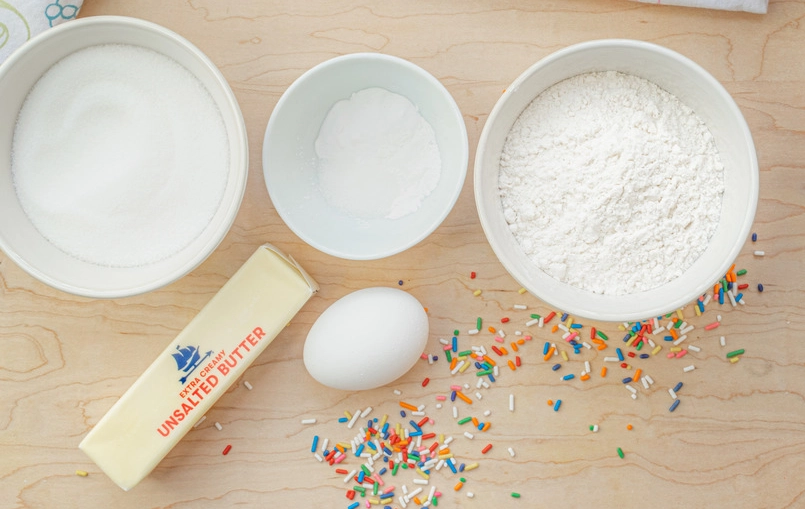
Butter: Flavor and Texture Master
Unsalted butter is preferred because it lets you control the exact amount of salt in your dough. Salted butter can work in a pinch, but you might want to reduce any added salt in the recipe slightly. The temperature of your butter is perhaps the most under-discussed, critical factor. Most recipes say "softened" or "room temperature." What they really mean is around 65-70°F (18-21°C). It should yield slightly to pressure but still hold its shape. If your finger leaves a deep impression and butter squishes out, it's too warm. This leads to flat, greasy cookies.
Here's a personal observation I've made over hundreds of batches: European-style butters (with a higher fat content, like 82% or more) can produce a slightly drier, more crumbly cookie compared to American-style butters (around 80% fat). They're both delicious, but it's a subtle texture difference. For the classic sugar cookie, I actually prefer the American-style for its slightly softer mouthfeel that still holds shape for rolling and cutting.
Eggs: The Binder and Leavening Helper
Eggs are multitaskers. They bind everything together, add moisture, and contribute to leavening and structure. Room temperature eggs incorporate more easily and create a smoother, more emulsified dough. Cold eggs can cause the butter to seize up in little bits, leading to a grainy texture.
Ingredient Substitutions: When You're in a Pinch
We've all been there. You're ready to bake, and you're out of something. Here's what you can and cannot swap out, and what to expect.
My biggest piece of advice: Substitutions often work, but they always change the final product. Baking is a science of ratios. If you need to make a substitution, do it with the understanding that your cookie might look or feel a bit different, but it can still be delicious. Don't expect a 1:1 replica.
Butter Substitutes
Margarine or shortening: Can be used, but the flavor will be different. Margarine often contains more water, which can affect spread. Shortening makes cookies softer and less likely to spread as much, but they lack the rich flavor of butter.
Vegan butter: Many brands work well in cookies. Look for one that is labeled as good for baking or frying, as some are formulated for spreading on toast and might not perform as well in the oven.
Flour Substitutes
Gluten-free flour blends: Many 1:1 substitutes work well in sugar cookies because the recipe doesn't rely heavily on gluten development. However, you might need to add a touch more moisture (like an extra egg yolk) if the blend absorbs more liquid. The cookies might also be slightly more crumbly.
Cake flour: As mentioned, it will produce a more tender, delicate cookie. They might spread a bit more due to the lower protein content.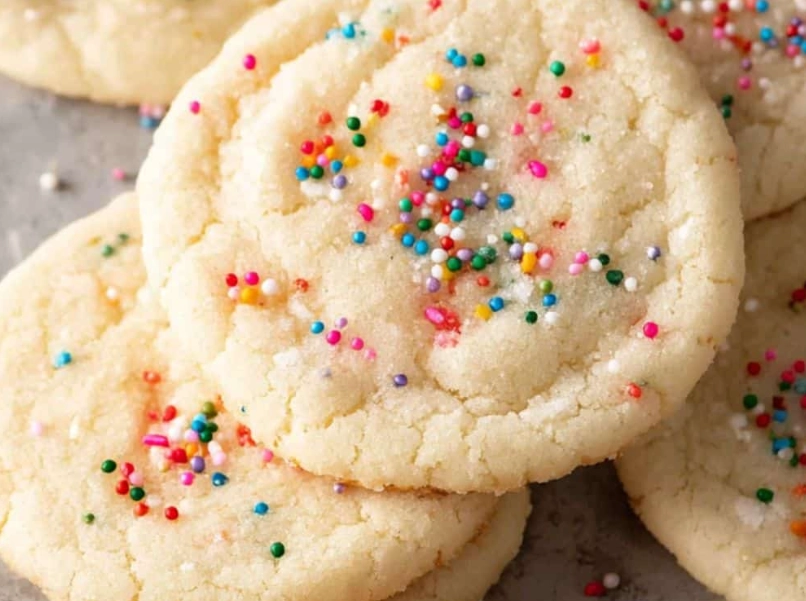
Sugar Substitutes
This is a tricky one. Sugar does a lot of work.
Honey, maple syrup, agave: These are liquid sweeteners. They add moisture and can make cookies spread more and brown faster. If substituting for granulated sugar, you typically need to reduce other liquids in the recipe. I don't recommend this for a beginner sugar cookie recipe.
Artificial sweeteners: Some are designed for baking (like those labeled "for baking" or "measure like sugar"). They can often be used 1:1 by volume, but again, expect texture and spreading changes. They might not caramelize the same way, affecting browning.
My personal, non-consensus opinion based on a lot of trial and error: If you're out of granulated sugar and only have brown sugar, go for it. The cookies will be fine, maybe even a bit more interesting. But if a recipe calls for a mix of white and brown sugar specifically for texture and moisture control (like in many chocolate chip cookie recipes), and you use all brown, just know they'll be chewier, softer, and darker. It's not wrong, it's just different.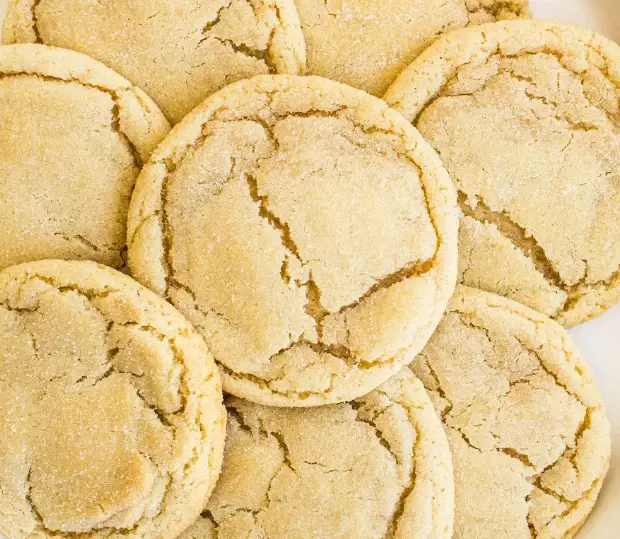
Common Sugar Cookie Questions (Answered)
Conclusion: It's All About Balance
Making sugar cookies is a simple pleasure, but understanding the ingredients elevates it to an art. Start with the classic recipe above. Master it. Then, and only then, start to experiment. Swap half the granulated sugar for brown sugar and see how you like that deeper flavor. Add a teaspoon of lemon zest to the dough for a bright, citrusy note. The possibilities are endless, but they all start with knowing what each ingredient brings to the table.
So go on, preheat that oven. You're ready.

Leave a Comment