You don't need fancy egg substitutes or expensive vegan butter to enjoy a sweet treat. Some of the best desserts are vegan by accident, born from simple, plant-based ingredients. If you're new to a plant-based lifestyle, allergic to dairy, or just curious, knowing what sweets are naturally vegan can feel like finding hidden treasure. It opens up a world of easy, accessible indulgence. Let's cut through the confusion and look at the categories and specific products that have been plant-based all along.
Your Sweet Tooth's Vegan Roadmap
Fruit: Nature's Original Candy
This seems obvious, but we often overlook its potential. A perfectly ripe mango, a handful of frozen grapes, or a bowl of berries isn't just a healthy snack—it's a dessert. The trick is in the preparation.
I remember thinking vegan desserts were complicated until I threw some sliced peaches on the grill. The heat caramelizes the natural sugars, creating a deep, rich flavor that needs nothing more than a pinch of cinnamon. It's a game-changer.
Here’s how to level up basic fruit into a proper treat:
- Grilled or Roasted: Peaches, pineapple, bananas, apples. The dry heat intensifies sweetness.
- Frozen & Blended: Frozen bananas become "nice cream"—a creamy, dairy-free soft serve. Try adding a spoonful of cocoa powder or peanut butter.
- Dehydrated: Dates, figs, apple rings, mango strips. Concentrated sweetness and chewy texture.
- Simmered: Compotes and jams made with just fruit and a little sugar or maple syrup.
A simple fruit crisp is a crowd-pleaser. Toss apples or berries with a bit of sugar and cornstarch, top with a crumble of oats, flour, nuts, and coconut oil, then bake. It's universally loved, vegan or not.
Dark Chocolate (Check the Label!)
High-quality dark chocolate is often vegan. The core ingredients are cocoa solids, cocoa butter, and sugar. No dairy needed.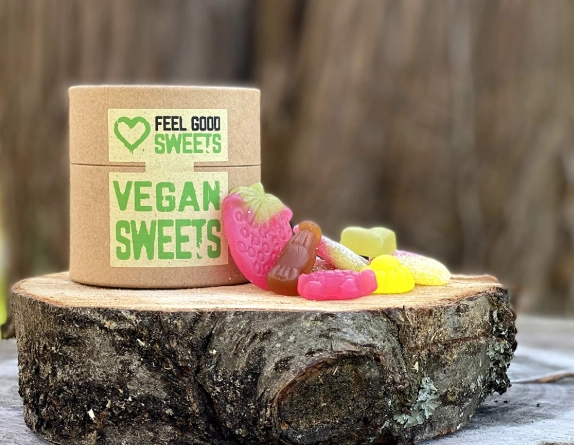
But here’s the catch I learned the hard way: "dark" doesn't automatically mean dairy-free. Some brands sneak in milk fat or milk solids for a creamier mouthfeel. You have to become a label detective.
Look for: A high cocoa percentage (70% and above is a safer bet). The ingredient list should be short. Avoid anything listing milk, milk powder, whey, casein, or lactose. Also, some vegans avoid sugar processed with bone char. For certainty, seek out brands explicitly labeled "vegan" like Enjoy Life, Hu Kitchen, or certain bars from Lindt Excellence (85% and 90% are usually safe, but always verify).
The "Accidentally Vegan" Snack Aisle
This is the fun part. Many mainstream candies and cookies are vegan because their recipes were designed to be cheap and shelf-stable, not to cater to a plant-based diet. They're "accidentally vegan."
Cookies & Crackers:
- Oreos: The classic example. No dairy or eggs in the standard original flavor. (Controversy exists around the sugar and palm oil, but ingredient-wise, they're plant-based).
- Biscoff (Speculoos) Cookies: Those crunchy, spiced cookies served on airlines? Vegan.
- Many Graham Crackers: Nabisco Original Grahams and Keebler Grahams Crackers are vegan. Honey Grahams are not.
- Certain Fig Newtons, Ginger Snaps, and Social Tea biscuits often make the list. Always check, as formulas change.
Candies & Gummies (Tricky Territory):
This is where most people get tripped up. Gelatin (from animal bones/skin) is the enemy here. However:
- Skittles: Original and most sour varieties are gelatin-free and vegan (confirmed by Mars Wrigley).
- Jolly Ranchers: Hard candies and lollipops are typically vegan.
- Smarties (US version), Dots, Blow Pops: Generally vegan-friendly.
- Swedish Fish: Their chewy texture comes from starch, not gelatin.
Important: Always double-check for confectioner's glaze (shellac, from insects) on shiny candies like jelly beans, and for carmine (red dye from beetles).
Traditional & Global Vegan Treats
Look beyond the supermarket. Many cultural desserts are naturally plant-based, relying on nuts, grains, and fruits.
- Halva: A dense, sweet confection from the Middle East made primarily from tahini (sesame paste) or other nut butters.
- Rice-based sweets: Like mochi (Japanese rice cakes) in some varieties, or Indian treats like coconut burfi (made with coconut, sugar, and cardamom).
- Dried fruit and nut bars: Like Larabars or Nakd bars, which are often just dates, nuts, and flavorings.
- Sorbet: Unlike ice cream, traditional sorbet contains no dairy—just fruit puree, sugar, and water. Ensure it doesn't contain egg white, which some brands use for texture.

The Ingredient Watchlist: What Makes a Sweet Non-Vegan?
Knowing what to avoid is half the battle. Here’s your quick-check list. If you see these, the item is not naturally vegan:
- Butter, Milk, Cream, Whey, Casein, Lactose: All dairy derivatives.
- Eggs, Egg Whites, Albumin: Common in cakes, meringues, and some frostings.
- Honey: An animal product, avoided by vegans.
- Gelatin: The big one for gummies, marshmallows, and some yogurts/frostings.
- Shellac (Confectioner's Glaze): A resin secreted by the lac bug, used for shine.
- Carmine/Cochineal: A red food coloring made from crushed beetles.
- Beeswax: Sometimes used as a coating on candies or fresh produce.
A common mistake is assuming "natural flavors" are always plant-based. They can be derived from dairy or meat. When in doubt, contact the manufacturer.
Your Vegan Sweets Questions Answered
The world of naturally vegan sweets is vast and delicious. It starts with reimagining fruit, becomes a scavenger hunt in the candy aisle, and expands into global cuisines. Armed with a keen eye for ingredients, you'll discover that satisfying your sweet tooth on a plant-based diet is far easier and more delightful than you might have thought. Start with the classics—a piece of dark chocolate, a bowl of grilled peaches, or a couple of Oreos—and explore from there.

Leave a Comment