In This Guide
- Before You Start: The Gingerbread Mindset
- The Ultimate Gingerbread Cookies Recipe: Ingredients Deep Dive
- Step-by-Step: Crafting the Perfect Dough
- Rolling, Cutting, and Baking: The Final Hurdle
- Decorating Your Masterpieces: Royal Icing 101
- Troubleshooting: Solving Common Gingerbread Woes
- Your Gingerbread Questions, Answered (FAQ)
- A Bit of History & Flavor Science
Let's be honest. I've messed up gingerbread cookies more times than I care to admit. You know the drill – cookies that spread into sad, shapeless blobs, ones so hard you could use them as doorstops, or the classic "tastes like cardboard with a hint of spice." It took me years, a mountain of failed batches, and some serious kitchen detective work to land on what I can now confidently call the best gingerbread cookies recipe. This isn't just another recipe card. It's the culmination of all those mistakes, packed with the why behind every step, so you can skip straight to the perfect, spicy, soft-yet-snappy gingerbread cookie that holds its shape for decorating.
Why should you listen to me? Well, after my tenth or so disappointing batch, I got obsessed. I started treating it like a science project, tweaking molasses types, fat ratios, resting times – you name it. I even pored over resources from places like the King Arthur Baking Company's guide to molasses to really understand the core ingredients. What I'm sharing here is the gold that came from all that trial and error.
The Core Promise: This recipe delivers gingerbread cookies that are deeply spiced, perfectly balanced between soft and crisp, hold sharp edges for decorating, and have that nostalgic, complex flavor we all chase. It's the best gingerbread cookies recipe for both beginners and seasoned bakers because it explains the *why*, not just the *how*.
Before You Start: The Gingerbread Mindset
Gingerbread isn't a throw-together-in-20-minutes kind of cookie. It demands patience, mostly because of the chilling time. Rushing this step is the number one reason for gingerbread disasters. Think of the dough needing a long nap to relax the gluten and solidify the fats. This is what gives you clean cuts and prevents spreading.
Also, embrace the spices. This is where you can make the recipe your own. Love a fiery kick? Up the ginger and black pepper. Prefer a warmer, rounder flavor? Let the cinnamon and allspice shine. The recipe below is my ideal balance, but it's a fantastic starting point for experimentation.
The Ultimate Gingerbread Cookies Recipe: Ingredients Deep Dive
Great baking starts with understanding your ingredients. Let's break down what goes into this best gingerbread cookies recipe and why each component matters.
| Ingredient | Quantity | The "Why" – Its Role in the Recipe |
|---|---|---|
| All-purpose flour | 3 ¼ cups (415g) | The structural backbone. It provides the gluten network that gives the cookie its body. Properly measured (spoon & level!) for consistency. |
| Unsalted butter (softened) | ¾ cup (170g) | Fat is flavor and tenderness. Unsalted lets you control the salt. Softened to room temp for proper creaming – not melted, not cold. |
| Dark brown sugar | ¾ cup, packed (150g) | Adds moisture, a deep molasses flavor, and chewiness. The molasses in the sugar works with the primary molasses. |
| Molasses (not blackstrap) | ½ cup (170g) | The soul of gingerbread. It provides the iconic dark color, rich flavor, and chewy texture. Blackstrap is too bitter. I prefer "robust" or "dark" molasses. |
| Large egg | 1 | A binder and leavener. It helps hold everything together and adds a bit of lift and richness. |
| Pure vanilla extract | 2 tsp | Enhances all the other flavors. Don't skip it – it rounds out the spice profile beautifully. |
| Baking soda | 1 tsp | The primary leavener. It reacts with the acidic molasses to give the cookies a slight rise and tender texture. |
| Ground ginger | 1 tbsp | The star spice. This generous amount provides the characteristic warm, pungent kick. Freshness is key here. |
| Ground cinnamon | 2 tsp | Warmth and sweetness. It complements the ginger without overpowering it. |
| Ground cloves | ¾ tsp | Intense, warm aroma. Use sparingly – it's powerful, but essential for that classic holiday scent. |
| Salt | 1 tsp | Flavor enhancer. It makes all the other flavors pop and balances the sweetness. |
| Black pepper (freshly ground) | ½ tsp | My secret weapon. It adds a subtle, almost undetectable warmth and complexity that takes the spice blend to the next level. |
| Allspice (optional) | ½ tsp | Adds a note reminiscent of cloves, cinnamon, and nutmeg combined. Great for extra depth. |
Molasses Matters: The type of molasses is crucial. Light molasses yields a milder cookie, dark or robust molasses gives that classic deep flavor, and blackstrap will make your cookies bitter. I always reach for the dark, robust kind. For a deeper dive into the science, the USDA has basic commodity specifications that highlight the differences in sugar content, which affects flavor and moisture.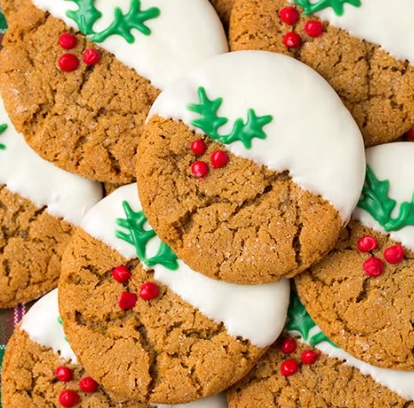
Step-by-Step: Crafting the Perfect Dough
Here’s where we put it all together. Follow these steps, and you're 90% of the way to the best gingerbread cookies of your life.
1. Whisk the Dry Team. In a medium bowl, whisk together the flour, baking soda, salt, ginger, cinnamon, cloves, black pepper, and allspice (if using). Whisking ensures the spices and leavener are evenly distributed so you don't get a bite of pure baking soda. Set this aside.
2. Cream the Butter and Sugar. In a large bowl, using a hand mixer or stand mixer with the paddle attachment, beat the softened butter and packed dark brown sugar on medium speed for 2-3 minutes. You want it light and fluffy. This step incorporates air, which contributes to the texture.
3. Incorporate the Wet Ingredients. Beat in the molasses, egg, and vanilla extract until the mixture is smooth and uniform. It might look a little curdled at first – that's okay, just keep mixing until it comes together.
4. Bring in the Dry Ingredients. With the mixer on low speed, gradually add the flour-spice mixture. Mix just until the flour disappears and a cohesive dough forms. Do not overmix! Overworking the dough develops gluten and leads to tough cookies.
The dough will be soft and slightly sticky. That's perfect.
The Non-Negotiable Step: CHILLING. Divide the dough in half, shape each into a flat disc (about 1-inch thick), wrap tightly in plastic wrap, and refrigerate for at least 3 hours, and preferably overnight. Overnight chilling allows the flour to fully hydrate and the flavors to meld into something magical. This is the single most important tip for a successful gingerbread cookies recipe that holds its shape.
Rolling, Cutting, and Baking: The Final Hurdle
You've waited patiently. Now for the fun part.
Preheat your oven to 350°F (177°C). Line baking sheets with parchment paper. Silicone mats work too, but I find parchment gives me the best bottom browning.
Take one disc of dough from the fridge. Let it sit on the counter for 5-10 minutes to become just pliable enough to roll. If it's too hard and cracks, give it a few more minutes. Roll the dough on a lightly floured surface (or between two sheets of parchment paper) to about ¼-inch thickness. Thinner cookies will be crisper; thicker ones will be softer and chewier. I like ¼-inch for the best of both worlds.
Dip your cookie cutters in flour before each cut to prevent sticking. Cut shapes close together to minimize re-rolling. Place the cutouts on the prepared baking sheets, leaving about 1 inch between them.
Re-roll the scraps once. After that, the dough gets overworked and tough.
Bake for 8-11 minutes. The cookies are done when the edges look set and the centers appear slightly puffed and dry. They will firm up as they cool. Do not overbake if you want a softer cookie! For crisp cookies, bake a minute or two longer until the centers look fully set.
Let the cookies cool on the baking sheet for 5 minutes before transferring them to a wire rack to cool completely. They are very soft when hot and will break.
Decorating Your Masterpieces: Royal Icing 101
A naked gingerbread man is a sad gingerbread man. The classic finish is royal icing. It dries hard and smooth, perfect for detailed work.
Simple Royal Icing: Combine 2 cups (240g) powdered sugar (sifted!), 1 ½ tbsp meringue powder, and 3-4 tbsp warm water. Beat on low, then high speed for 2-3 minutes until stiff, glossy peaks form. Too thick? Add water a drop at a time. Too thin? Add a bit more powdered sugar.
Divide and color as desired. For outlining and flooding (the fill-in technique), you'll thin portions of the icing with tiny amounts of water to a "10-second consistency" – where a drizzle of icing disappears back into the surface in about 10 seconds.
Use piping bags with small tips, or just snip the very tip off a zip-top bag. Outline first, then flood. Let each color dry before adding details next to it.
Low-Stress Decorating: If royal icing feels intimidating, a simple glaze of powdered sugar and milk or lemon juice works. Or, just sprinkle the cookies with coarse sugar *before* baking for a sparkly, no-fuss finish. Kids love this.
Troubleshooting: Solving Common Gingerbread Woes
Even with the best gingerbread cookies recipe, things can go sideways. Here's how to fix them.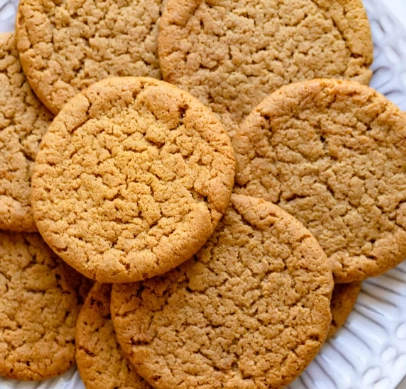
Problem: Cookies spread and lost their shape.
Likely Cause: Dough wasn't chilled long enough, oven wasn't hot enough, or too much butter was used/butter was too warm. Fix: Ensure a full, long chill. Check oven temp with a thermometer. Re-measure your flour (spoon and level).
Problem: Cookies are too hard/tough.
Likely Cause: Overmixed the dough, used too much flour, or overbaked. Fix: Mix dry ingredients just until combined. Be gentle when re-rolling scraps. Set a timer and watch for the set edges.
Problem: Cookies are too soft/cakey.
Likely Cause: Too much baking soda or not enough flour. Dough rolled too thick. Fix: Measure leavener precisely. Ensure proper ¼-inch thickness.
Problem: Spice flavor is weak or bitter.
Likely Cause: Old, stale spices. Spices lose potency over time. Using blackstrap molasses can cause bitterness. Fix: Buy fresh spices from a store with high turnover. Use robust, not blackstrap, molasses.
Your Gingerbread Questions, Answered (FAQ)
A Bit of History & Flavor Science
Ever wonder why gingerbread feels so festive? Its history is fascinating. Ginger itself has been prized for millennia. According to historical resources like the History Channel, gingerbread, in various forms, has been around since ancient times, but the spiced, honey-sweetened bread became popular in Europe in the 11th century. The gingerbread man as we know it is often credited to Queen Elizabeth I, who had them made in the likeness of visiting dignitaries. That's a fun fact to share while you're rolling out your dough!
The flavor profile is a masterpiece of food science. The warm spices (ginger, cinnamon, cloves) contain volatile compounds that are stimulating and comforting, often associated with warmth and memory. The deep, caramel-like notes from the molasses and brown sugar provide a comforting sweetness that balances the spice's heat. It's a combination that literally lights up different parts of our brain, triggering nostalgia and holiday cheer. When you bake this best gingerbread cookies recipe, you're baking a piece of history and neuroscience.
So there you have it. More than just a list of ingredients and steps, this is a roadmap to gingerbread success. It accounts for the pitfalls, explains the mysteries, and gives you a foundation you can tweak and call your own. The key is respecting the process – the chilling, the spice balance, the baking time. Do that, and you will have found your go-to, never-fail, absolutely best gingerbread cookies recipe. Now go preheat your oven. Your kitchen is about to smell incredible.

Leave a Comment