Baking Insights: Your Quick Guide
- Why This Chocolate Chip Cookie Recipe Works (The Science of Sweetness)
- The Step-by-Step Recipe for Chewy-Centered, Crispy-Edged Perfection
- Troubleshooting Your Chocolate Chip Cookie Recipe: Fixing Common Fails
- Advanced Tweaks: Customize Your Perfect Cookie
- Storing, Freezing, and Gifting Your Masterpiece
- Final Thoughts: It's More Than a Recipe
Let's be honest. We've all been there. You find a promising chocolate chip cookie recipe online, follow it to the letter, and end up with something... disappointing. Maybe they're too flat and spread into one giant cookie-sheet pancake. Maybe they're dry as sawdust. Or maybe they just taste bland, nothing like the bakery-style masterpiece you were dreaming of.
I've had more than my share of those failures. I remember one batch that was so hard you could literally knock on them. Another time, my cookies vanished into a buttery puddle. It's frustrating.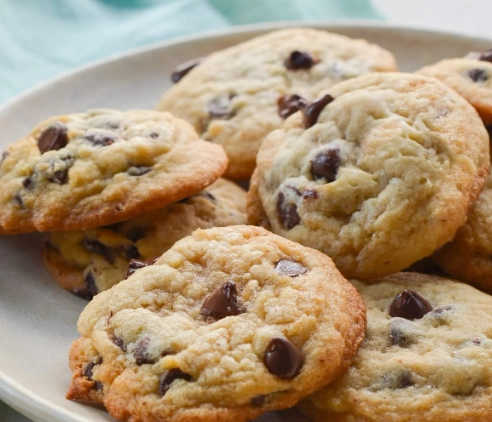
But what if you had a recipe that worked every single time?
This isn't just another recipe. This is a deep dive into the why behind the what. We're going to unpack the science, the secrets, and the little tweaks that transform a good chocolate chip cookie recipe into an absolutely legendary one. A recipe that gives you control over the outcome—chewy, crispy, or cakey—because your perfect cookie might not be the same as mine.
Why This Chocolate Chip Cookie Recipe Works (The Science of Sweetness)
Most recipes just give you a list and instructions. That's fine, but it doesn't help you fix things when they go wrong. Knowing the role of each ingredient turns you from a follower into a confident baker.
Take flour, for instance. It's not just a dry bulk ingredient. The protein in flour (gluten) forms the structure. More mixing develops more gluten, leading to a tougher cookie. Want a tender, cakey cookie? Use a lower-protein flour like cake flour and mix minimally. Want more chew? Bread flour's higher protein content can help, but you have to be careful. All-purpose is the happy medium most chocolate chip cookie recipes use, and for good reason—it's versatile.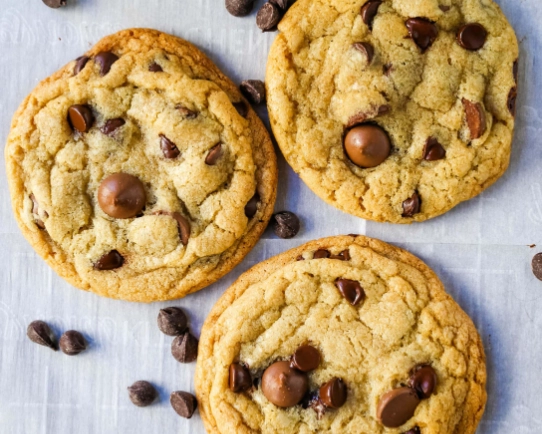
The U.S. Department of Agriculture provides detailed specifications on wheat and flour types, which can be fascinating for a baking nerd. For example, the protein content differences between hard and soft wheat directly impact your baking results, a fact underscored in their wheat sector overview.
Then there's the fat. Butter vs. shortening. Melted vs. creamed. This is a huge debate. Butter (creamed with sugar) gives you that classic flavor and a bit of spread. Using melted butter often leads to a chewier, denser texture because the water in the butter interacts with the flour differently. I prefer a mix of techniques, which we'll get to.
Sugars are your texture controllers. White sugar promotes spread and crispiness. Brown sugar (thanks to its molasses) adds moisture, acidity (which reacts with baking soda), and that signature chew and caramel note. The ratio is your dial for texture.
Eggs are binders and leaveners. The yolk adds richness and tenderness (fat and emulsifiers), while the white provides structure and moisture. Most standard chocolate chip cookie recipes use one whole egg for balance.
And leaveners? Baking soda needs an acid (like brown sugar or a touch of cream of tartar) to activate. It promotes browning and spread. Baking powder contains its own acid and gives more of a "lift." Many top recipes use both for the perfect rise and color.
The Core Ingredient Breakdown
Here’s what each component in your shopping list is actually doing for your final cookie. Think of this as your cookie blueprint.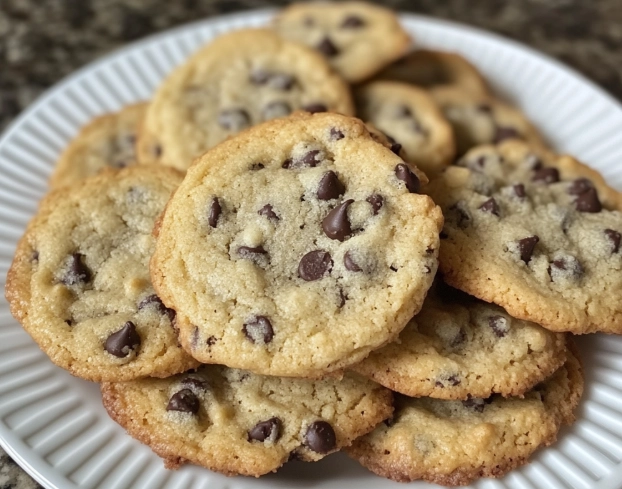
| Ingredient | Primary Role | What Happens If You Change It? |
|---|---|---|
| All-Purpose Flour | Structure, foundation. | Bread flour = chewier. Cake flour = more tender, cakier. Over-measuring = dry, dense cookies. |
| Unsalted Butter | Flavor, tenderness, spread. | Melted = chewier, denser. Chilled/creamed = more structured. Shortening = less spread, less flavor. |
| Brown & White Sugar | Sweetness, moisture, texture, browning. | More brown sugar = chewier, darker. More white sugar = crispier, lighter. |
| Eggs | Binding, moisture, leavening. | Extra yolk = richer, more tender. Extra white = drier, more structured. |
| Chocolate Chips | Flavor bursts, texture contrast. | Chips hold shape. Chunks/chopped bars give pools of chocolate. Quality drastically affects taste. |
| Baking Soda & Salt | Leavening (spread/brown) & flavor enhancer. | Old baking soda = flat cookies. No salt = tastes bland and overly sweet. |
See? It's like a chemistry set you can eat.
The Step-by-Step Recipe for Chewy-Centered, Crispy-Edged Perfection
Okay, enough theory. Let's bake. This is my go-to chocolate chip cookie recipe. It's designed for that ideal contrast: a slightly crisp edge giving way to a soft, chewy center with deep butterscotch notes.
Ingredients You'll Need
- 2 ¼ cups (280g) all-purpose flour (spooned and leveled, don't scoop!)
- 1 teaspoon baking soda
- 1 ½ teaspoons cornstarch (the secret weapon for chew)
- 1 teaspoon fine sea salt
- 1 cup (2 sticks / 225g) unsalted butter, partially melted*
- ¾ cup (150g) granulated sugar
- 1 ¼ cups (250g) packed dark brown sugar
- 2 large eggs, cold
- 2 teaspoons pure vanilla extract
- 2 cups (340g) semi-sweet chocolate chips or chunks
- *Partially melted means 1 stick melted, 1 stick softened to room temp. Trust me.
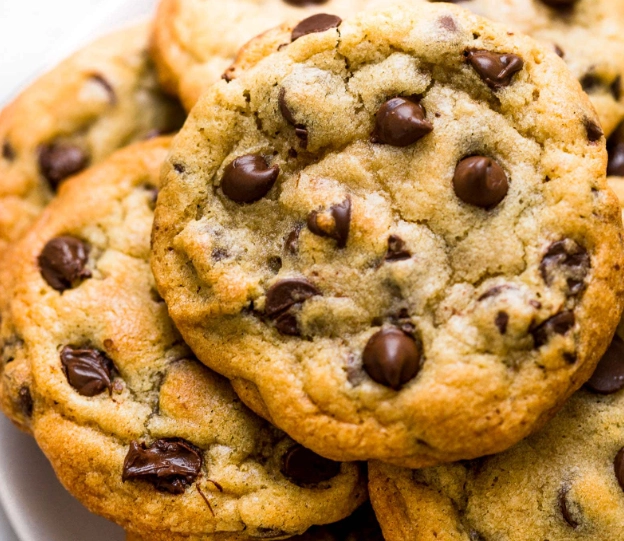
The Method: Where the Magic Happens
- Dry Team Whisk: In a medium bowl, whisk together the flour, baking soda, cornstarch, and salt. The cornstarch is my personal hack—it inhibits gluten formation and promotes a tender, soft-baked texture that stays that way for days. Set this aside.
- The Brown Butter-ish Hack: Here's where we cheat for flavor. Melt one stick of butter in a saucepan or microwave until it's liquid and just starting to bubble a bit. You'll see little brown milk solids at the bottom—that's flavor! Pour this into a large mixing bowl. Cut the other stick of softened butter into small pieces and stir it into the hot melted butter. It will mostly melt but leave some soft bits. This gives you the complex, nutty notes of brown butter without waiting for it to cool completely.
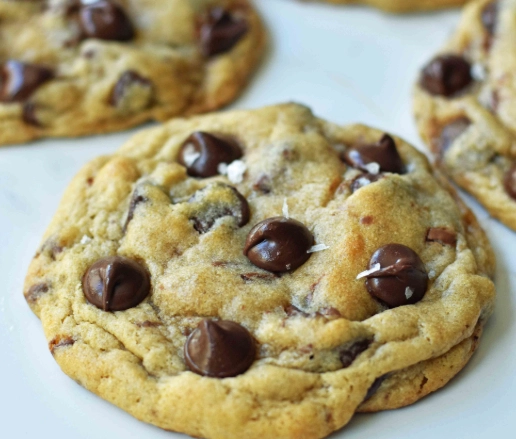
- Sugar Time: Add both sugars to the butter mixture. Whisk by hand for a full minute. You're not creaming, but you're dissolving the sugars into the butter and incorporating air. It should look like a thick, glossy paste.
- Eggs & Vanilla: Add the cold eggs one at a time, whisking vigorously after each until fully combined. The cold eggs help bring the warm butter mixture to a good temperature for the next step. Whisk in the vanilla.
- Bringing It Together: Switch to a spatula or wooden spoon. Add the dry ingredients all at once. Mix gently, just until the last streaks of flour disappear. Do not overmix. This is critical for tender cookies.
- The Main Event: Fold in the chocolate chips. I like a mix of chips and chopped chocolate bars for varied texture.
- The Non-Negotiable Rest: Cover the bowl and refrigerate the dough for at least 2 hours, preferably 24-48 hours. This allows the flour to fully hydrate, the flavors to meld, and the dough to firm up, preventing excessive spread. This step separates good cookies from great ones. You can bake some immediately, but the flavor development is real.
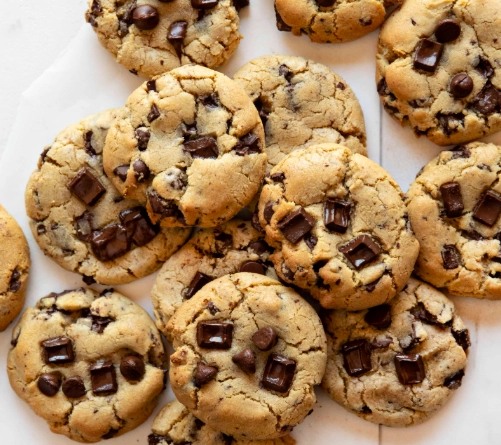
Waiting is the hardest part.
- Bake: Preheat your oven to 375°F (190°C). Line baking sheets with parchment paper. Scoop dough into 3-tablespoon-sized balls (a #20 cookie scoop is perfect). Place them 3 inches apart on the sheets. You can sprinkle a little flaky sea salt on top before baking if you're fancy.
- Bake for 10-12 minutes. The edges should be set and golden brown, but the centers will look soft, puffy, and underdone. They will set as they cool. For crispier cookies, bake a minute or two longer.
- Cool: Let the cookies cool on the baking sheet for 5 minutes. This lets them finish setting. Then transfer them to a wire rack to cool completely... or just eat them warm and gooey. No judgment.
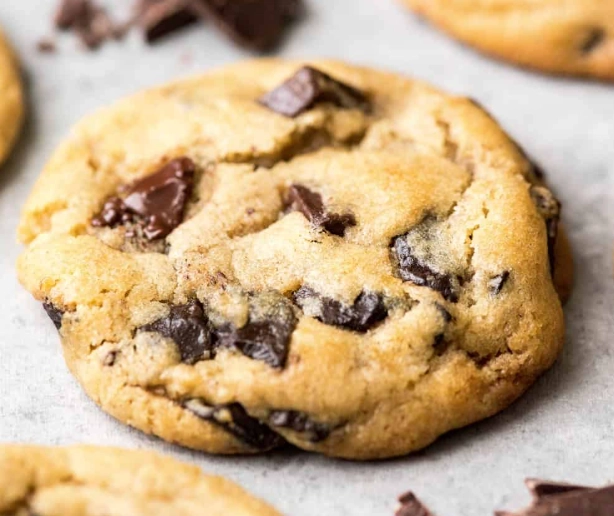
Troubleshooting Your Chocolate Chip Cookie Recipe: Fixing Common Fails
Even with a great recipe, ovens and ingredients vary. Here’s how to diagnose and fix the usual suspects.
Probable Causes:
- Butter too warm/not chilled dough: This is the #1 reason. Warm fat spreads instantly in the oven. Fix: Ensure your dough is thoroughly chilled. If your kitchen is hot, chill the scooped dough balls on the sheet pan for 10 minutes before baking.
- Too much sugar or butter: Double-check your measurements.
- Baking sheet too warm: Never place dough on a hot sheet. Use cool sheets or rotate between two.
- Old baking soda: Test it by dropping a bit in vinegar. If it doesn't fizz aggressively, replace it.
Probable Causes:
- Too much flour: Again, the arch-nemesis. You likely scooped the cup directly into the bag, packing in extra flour. Fix: Use the spoon-and-level method or a scale next time.
- Overbaking: They continue to cook on the hot tray. Pull them out when the centers look soft.
- Overmixing: After adding flour, mix just until combined.
- Not enough brown sugar/fat: Brown sugar adds moisture. The butter hack in our recipe helps lock in moisture.
Probable Causes:
- Not enough salt: Salt enhances all flavors, not just adds saltiness. Don't skip it.
- Low-quality vanilla or chocolate: Use real vanilla extract, not imitation. And splurge on chocolate you enjoy eating alone. It makes a world of difference.
- No brown sugar flavor: Using only white sugar yields a one-dimensional sweetness. The molasses in brown sugar is key.
The FDA has guidelines on food labeling, including what constitutes "pure" vanilla extract versus "imitation," which can help you make informed choices at the grocery store for better flavor outcomes. You can read more on their food labeling guide.
Advanced Tweaks: Customize Your Perfect Cookie
Once you've mastered the base, make it your own. Here are some popular variations.
For Thick, Bakery-Style Cookies: Use cold dough balls, bake at 425°F (220°C) for a shorter time (8-10 min). The high heat sets the edges quickly before they can spread much.
For Ultra-Chewy Cookies: Replace one egg with an extra egg yolk. Use bread flour instead of all-purpose. Bake at 325°F (160°C) for 12-14 minutes for a more even, soft set.
For Crispy-Thin Cookies: Use all melted butter, increase white sugar to 1 cup, reduce brown sugar to 1 cup. Press dough balls down slightly before baking. Bake until fully golden.
Flavor Add-Ins:
- Toasted chopped nuts (walnuts, pecans).
- A teaspoon of instant espresso powder dissolved in the vanilla to enhance chocolate flavor.
- Flaky sea salt sprinkled on top after baking.
- Swirl in a ribbon of peanut butter or caramel sauce in the dough ball.
Storing, Freezing, and Gifting Your Masterpiece
A great chocolate chip cookie recipe should tell you how to keep them great.
Storing Baked Cookies: Once completely cool, store in an airtight container at room temperature. A single piece of bread in the container can help keep them soft (the cookies draw moisture from the bread). They're best within 3-4 days.
Freezing Dough: This is the best trick! Scoop dough balls onto a parchment-lined tray, freeze solid (about 2 hours), then transfer to a freezer bag. You can bake them straight from frozen—just add 1-2 minutes to the bake time. Having frozen cookie dough on hand is a life-saver for unexpected guests or a 10-minute dessert craving.
Freezing Baked Cookies: They freeze well too. Layer them between parchment in an airtight container. Thaw at room temperature or warm in a 300°F oven for 5 minutes.
For food safety guidelines on storing baked goods, resources like the USDA's food storage charts offer reliable, science-based advice, though they focus more on safety than quality for baked sweets.
Final Thoughts: It's More Than a Recipe
Look, I know the internet is flooded with "the best" chocolate chip cookie recipes. Everyone claims to have the secret. Honestly? The secret is understanding that baking is a little bit science and a little bit personal preference.
This guide and the recipe within give you the tools and the knowledge. The cornstarch trick, the partial-melt butter method, the mandatory chill—these are techniques proven to deliver a specific, fantastic result. But maybe you like more crisp. Maybe you want less sweet. Now you know which knobs to turn.
That's the real goal: making you the expert of your own kitchen.
So grab your favorite chocolate, weigh your flour, and give that dough a long, patient rest. The wait is annoying, but the smell filling your kitchen and that first bite of a warm, perfect cookie? That’s the whole point. It’s not just a chocolate chip cookie recipe. It’s a little bit of happiness you made yourself.
Now go preheat your oven. You've got this.


Leave a Comment