You've seen those perfect French macarons—smooth tops, ruffled feet, vibrant colors. Then you try making them at home. Flat discs. Hollow shells. Cracked tops. It's a kitchen drama that leaves even seasoned bakers scratching their heads. So, what is so hard about making macarons? It's not one thing; it's a cascade of precise steps where tiny errors magnify. I've baked macarons for a decade, and my first batch was a disaster. I'll walk you through the real challenges, the stuff recipes often gloss over.
Your Roadmap to Macaron Mastery
The Delicate Balance: Why Macarons Are Finicky
Macarons are a chemical dance. Get the ratios wrong, and the structure collapses. Let's break down the core science.
Meringue Stability: The Foundation
French meringue is common, but it's fragile. Italian meringue is more stable but trickier. The sugar syrup must hit exactly 118°C (245°F). A few degrees off, and your meringue is either too soft or grainy. I once used a cheap thermometer—big mistake. The meringue wept sugar beads, and the macarons spread like pancakes.
Egg whites need to be aged. Not too fresh, not too old. Leave them on the counter for 24 hours. This reduces moisture and strengthens proteins. Sounds minor, but it's critical.
Macaronage: The Make-or-Break Technique
This is where most fail. Macaronage is folding the dry ingredients into the meringue. Underfold, and the batter is too stiff—you get peaks that don't settle. Overfold, and it's runny—the shells spread and have no feet.
The ideal consistency? Like lava. It should flow off the spatula in a ribbon that dissolves back into itself in about 30 seconds. Practice this. I ruined five batches before getting it right.
Humidity is a silent killer. On a rainy day, even perfect batter can fail. Almond flour absorbs moisture from the air, making the batter wet. I learned this living in Seattle. Now, I use a dehumidifier or avoid baking when humidity exceeds 60%.
Top 5 Macaron Mistakes You're Probably Making
Here's a quick list of errors I see all the time. Avoid these, and you're halfway there.
- Using cheap almond flour. It must be super-fine. Coarse flour leads to gritty shells. Brands like Bob's Red Mill work, but sift it twice. Better yet, use brands specifically for macarons.
- Ignoring oven temperature. Home ovens lie. Mine runs 15°C hot. Get an oven thermometer. Bake at 150°C (300°F), but adjust based on your oven's quirks.
- Skipping the rest period. After piping, let the shells sit for 30-60 minutes until they form a skin. This prevents cracking. No skin? Humidity is too high.
- Overloading with color. Liquid food coloring adds moisture. Use gel or powder. Even then, too much can weaken the meringue.
- Rushing the process. Macarons demand patience. From aging eggs to resting shells, each step has a purpose. Hurry, and you'll pay.
I made all these mistakes. My worst batch? I added liquid pink coloring—ended up with flat, sticky discs. Lesson learned.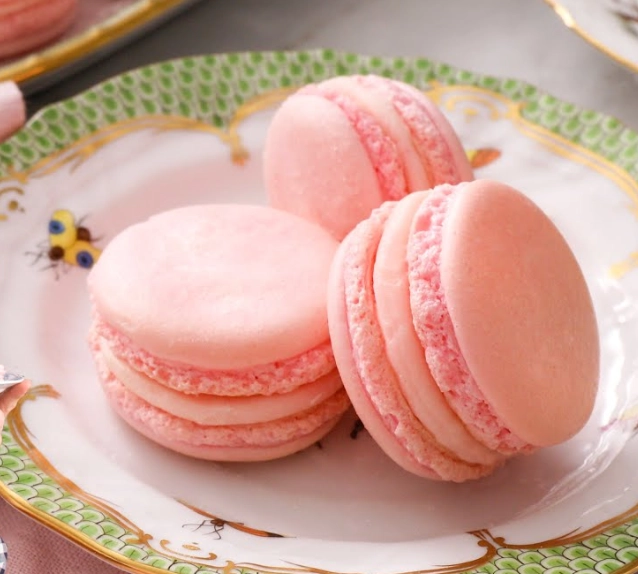
A Foolproof Macaron Recipe: Step-by-Step
Let's get practical. This recipe uses Italian meringue for stability. Assume you have basic tools: stand mixer, sieve, piping bag.
Ingredients (for about 30 shells):
- 100g egg whites (aged, divided into 50g each)
- 100g almond flour (super-fine)
- 100g powdered sugar
- 100g granulated sugar
- 30g water
- Gel food coloring (optional)
Step 1: Prepare Dry Mix
Sift almond flour and powdered sugar together. Twice. Discard any coarse bits. This ensures smooth tops. Mix in 50g egg whites and coloring to form a paste. Set aside.
Step 2: Make Italian Meringue
Combine granulated sugar and water in a saucepan. Heat to 118°C (245°F). Meanwhile, whip the other 50g egg whites to soft peaks. Once sugar syrup hits temp, slowly pour it into the whipping egg whites. Whip to stiff, glossy peaks. This takes about 5-7 minutes.
Step 3: Macaronage
Fold the meringue into the almond paste in three additions. Use a spatula and cut through the center, then sweep around the bowl. Test consistency frequently. It's ready when it flows like lava.
Step 4: Pipe and Rest
Pipe 3cm circles onto parchment-lined trays. Tap the tray to release air bubbles. Let sit for 40 minutes until a skin forms. Touch lightly—it shouldn't stick.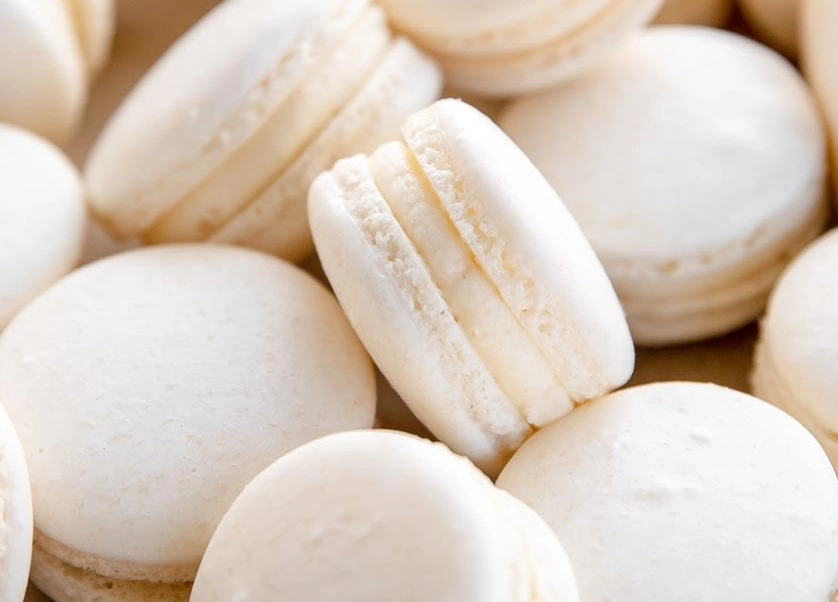
Step 5: Bake
Preheat oven to 150°C (300°F) with a rack in the middle. Bake for 12-15 minutes. Rotate tray halfway. Feet should form in the first 5 minutes. If they crack, oven is too hot.
Let cool completely before filling. This recipe took me years to refine. The first time I tried it, I underbaked—shells stuck to the paper. Now, I know to bake until they lift cleanly.
Pro Tips from a Decade of Baking Macarons
Beyond the basics, here are nuanced insights you won't find everywhere.
Oven spring is overrated. Many obsess over big feet. But overly puffy feet can mean hollow shells. Aim for modest, even feet—about 2-3mm tall. That indicates proper structure.
Use cream of tartar. A pinch (1/8 tsp) in the egg whites stabilizes the meringue, especially in humid climates. It's a cheat code I learned from a pastry chef friend.
Resting time varies. In dry weather, 20 minutes might suffice. In humidity, it can take 90 minutes. Don't go by the clock; go by the skin.
Bake on double trays. Place your baking sheet on top of another empty sheet. This insulates the bottom, preventing over-browning. My macarons used to have dark bottoms until I started doing this.
Record everything. Keep a baking journal. Note humidity, oven temp, resting time. Macarons are reproducible only if you track variables. I have a notebook filled with dates and outcomes—it's saved me countless times.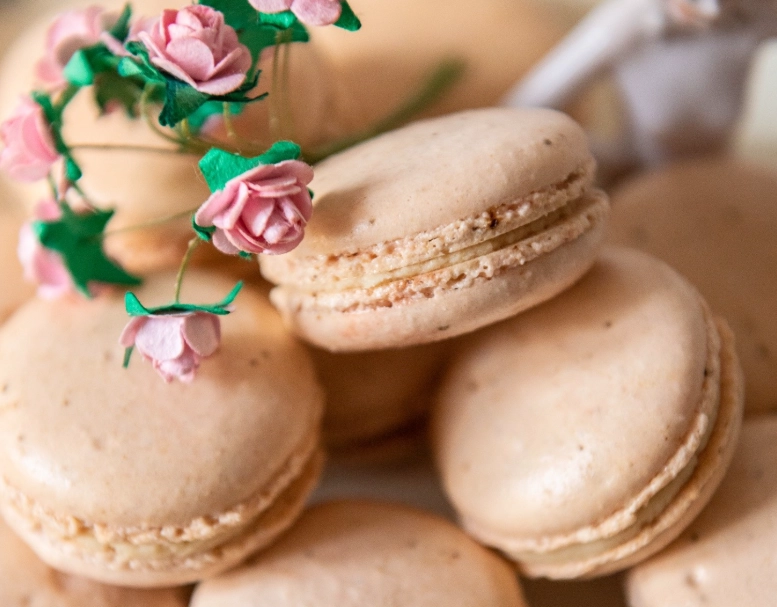
One more thing: almond flour quality matters more than you think. I switched to a brand like Blue Diamond super-fine, and my success rate jumped. It's pricier, but worth it for consistent results.
Macaron FAQ: Solving Your Specific Problems
Macarons are a journey. My first perfect batch felt like a miracle. Now, I bake them weekly for a local cafe. The key is embracing the precision. Treat it like a science experiment, not a casual bake. Control your variables, learn from each failure, and soon, those elusive feet will appear.
Remember, even pros have off days. Last month, I rushed the macaronage and ended up with flat discs. It happens. But with these insights, you're equipped to troubleshoot. Happy baking!

Leave a Comment