Let's be honest. Your kitchen drawers are probably a graveyard of single-use gadgets you used once. A garlic press from 2017. A melon baller with existential dread. When it comes to baking equipment, the marketing is even fiercer. Every shiny new pan promises perfect results. But after baking professionally and at home for over a decade, I've learned one brutal truth: most of it is noise.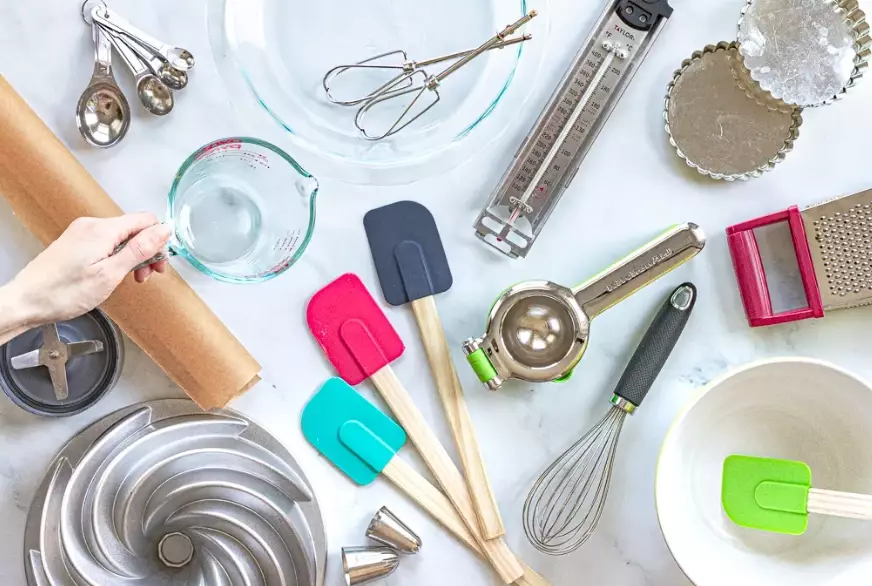
The real magic doesn't come from a $100 specialty pan. It comes from mastering a handful of fundamental tools. Get these right, and you can bake almost anything. Spend your money on the wrong stuff, and you're left with expensive countertop decor and frustration.
This isn't another generic list. This is a field guide based on what actually works, what actually fails, and how to build a kit that grows with you without wasting cash or space.
What's Inside This Guide
The 5 Non-Negotiable Baking Tools
If your kitchen burned down and you could only save five baking items, make it these. They form the absolute core.
1. A Digital Kitchen Scale
Forget cups and spoons. This is the single most important purchase for consistent results. Flour is compressible. A "cup" can vary by 20% or more depending on how you scoop. That difference is the gap between chewy and tough cookies, between light and dense cake.
Look for one that measures in grams and ounces, has a tare function, and goes up to at least 5kg (11 lbs). The OXO Good Grips Food Scale is a reliable workhorse. I've had mine for eight years. Just keep it away from water.
2. A Set of Mixing Bowls (That You Actually Like)
You need at least three: small, medium, and large. Glass or stainless steel are my go-tos. Glass is great for microwaving butter or watching egg whites whip. Stainless is lightweight and virtually indestructible.
Here's the subtle mistake: buying bowls that are too small. Your large bowl should hold at least 5 quarts. When you're creaming butter and sugar, you need room for it to aerate properly. A cramped bowl leads to poorly mixed batter and a messy counter.v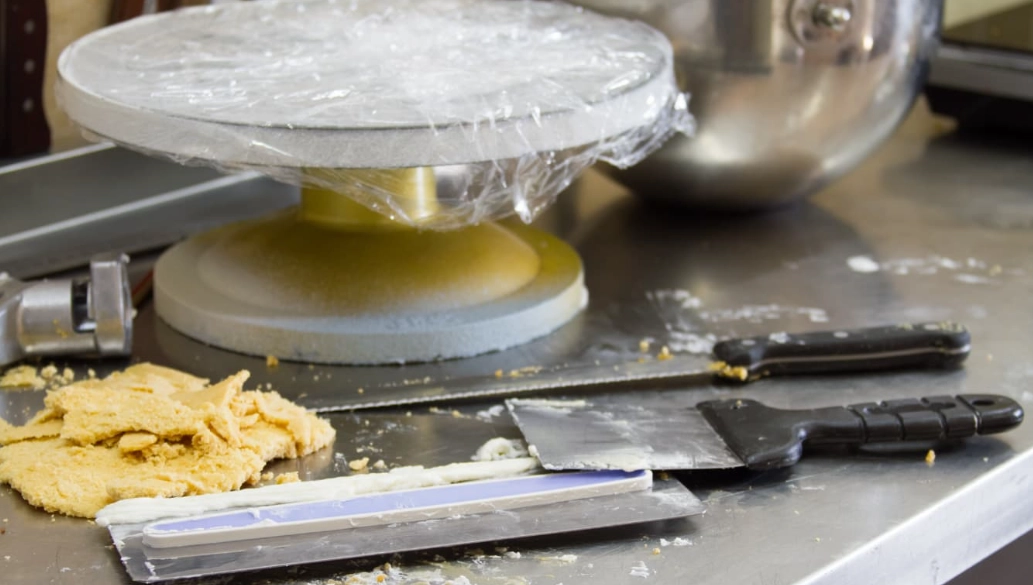
3. A Flexible Silicone Spatula (or Two)
Not the cheap, rigid ones. You need a spatula with a head that bends to scrape every last bit of batter from the sides and bottom of your bowl. This isn't just about saving batter; it's about ensuring your mixture is homogeneous. Unscraped pockets of flour or unmixed butter can ruin a bake.
Get one with a heat-resistant handle and head. You can use it for stovetop custards and curds too. I keep one for sweet batters and one for savory tasks, like scrambling eggs.
4. A Good Half-Sheet Pan & Parchment Paper
Skip the flimsy, dark non-stick pans that warp in the oven. A heavy-duty, light-colored aluminum half-sheet pan (roughly 18"x13") is the industry standard for a reason. It conducts heat evenly, preventing burnt bottoms on cookies and ensuring even roasting for nuts.
Pair it with unbleached parchment paper. It's your non-stick guarantee and makes cleanup a 5-second job. Silicone mats are fine for some things, but they can inhibit browning on cookies. Parchment is more versatile.
5. An Instant-Read Thermometer
Baking is applied chemistry, and chemistry depends on temperature. Is your yeast liquid the right warmth? Is your butter soft but not melted? Has your bread reached a safe internal temperature? Are your egg whites at the perfect stage for meringue?
Guessing is for amateurs. A Thermapen or similar fast, accurate thermometer removes the doubt. It's the difference between a glossy, stable buttercream and a greasy, split mess.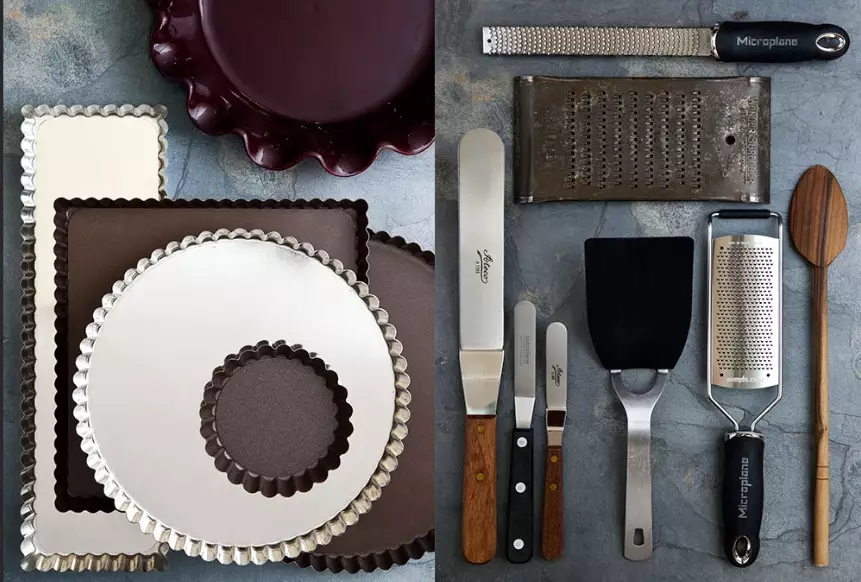
The 5 Tools You Can Probably Skip (For Now)
These are the items that crowd kitchen catalogs but often end up collecting dust. You might want them later, but don't start here.
| Tool | Why It's Often Unnecessary | A Better Alternative |
|---|---|---|
| Bread Machine | It does one thing, and it does it... okay. It limits your control over fermentation and crust development. The paddles often leave a hole in the loaf. | Your hands, a bowl, and your oven. The process is part of the joy and learning. |
| Unitasker Pans (e.g., Madeleine Pan, Whoopie Pie Pan) | They bake one specific shape. Unless you make that item weekly, it's wasted space. The results are rarely superior to a standard pan. | A muffin tin or a simple sheet pan. You can make excellent whoopie pie "cookies" by piping batter onto parchment. |
| Electric Knife Sharpener | Most are brutal on knife edges, removing too much metal. They can create an uneven, weak edge that dulls quickly. | A simple honing steel to maintain the edge between bakes, and a professional sharpening service once or twice a year. |
| Overly Fancy Stand Mixer Attachments | The pasta maker, grain mill, or ice cream maker attachments. They're expensive, cumbersome to store and clean, and often perform worse than a dedicated appliance. | Focus on mastering the paddle, whisk, and dough hook first. Buy dedicated appliances if you truly fall in love with making pasta. |
| Silicone "Everything" Molds | Silicone brownie pans, cake pans, etc. They're floppy, hard to store, and can impart a slight odor. Most importantly, they don't promote good browning because they insulate. | Stick with light-colored metal pans for cakes and brownies. Use silicone only for very sticky items like candy or freezing things. |
How to Shop Smart for Baking Equipment
Once you have the core five, you'll naturally want to expand. Here's how to do it without regret.
Bake First, Buy Later. Want to get into sourdough? Bake a few loaves using a Dutch oven you already own (or a heavy pot) before investing in a baking steel or cloche. Love macarons? Master the technique on parchment with a basic piping bag before buying a specialty silicone mat with circles.
Read Reviews, But Read Between the Lines. Look for reviews that mention using the item over time. "Works great!" after one use is meaningless. A review that says "the non-stick coating chipped after 6 months" or "the handle loosens with heavy dough" is gold.
Consider Multi-Function. A 9-inch round cake pan can also be used for deep-dish pies, quiches, and crisps. A square 8x8 pan is for brownies, bar cookies, and small batch crisps. Before buying, ask: what else can this do?
For sourcing, I mix and match. Restaurant supply stores are unbeatable for basics like sheet pans, bowls, and durable whisks. For more specialized items, brands like USA Pan make fantastic, durable bakeware available online. Resources like America's Test Kitchen and Serious Eats publish rigorous equipment reviews that are worth consulting for bigger purchases.
Your Burning Baking Tool Questions, Answered
 I see bakers using bench scrapers for everything. What's the big deal?
Leave a Comment