Quick Navigation
- Before You Even Pick a Recipe: The Foundation of Great Baking
- The Top 5 Can't-Fail Baking Recipes Cake for Every Skill Level
- The Science of Success: Why Cakes Rise (and Why They Fall)
- Your Cake Baking Troubleshooting Bible
- Leveling Up: Pro Techniques for Better Baking
- Baking Safely and Smartly: A Quick Note
- Answers to Your Burning Cake Questions (FAQ)
- Wrapping It Up: Your Path to Cake Confidence
Let's be honest. We've all been there. You find a promising baking recipes cake online, follow it to the letter, and end up with something that could double as a doorstop. Or it's dry. Or it sunk in the middle. It's frustrating, and it makes you want to just buy a cake from the store.
But what if I told you that baking a fantastic cake at home is absolutely within your reach? It's not magic, and you don't need to be a pastry chef. You just need the right information, a bit of understanding, and recipes that actually work. That's what this guide is for. I'm not just throwing a bunch of baking recipes cake links at you. I'm going to walk you through the why behind the steps, share the recipes I've tested (and the ones that failed), and give you a roadmap to go from nervous beginner to confident home baker.
I remember my first "from-scratch" cake. It was a vanilla birthday cake for a friend. It looked okay, but the texture was... weird. Gummy, dense, and oddly moist in a bad way. I had no idea what went wrong. Was it the recipe? My mixing? The oven? That experience sent me down a rabbit hole of baking science, and I've learned a lot since then. Some of it the hard way, so you don't have to.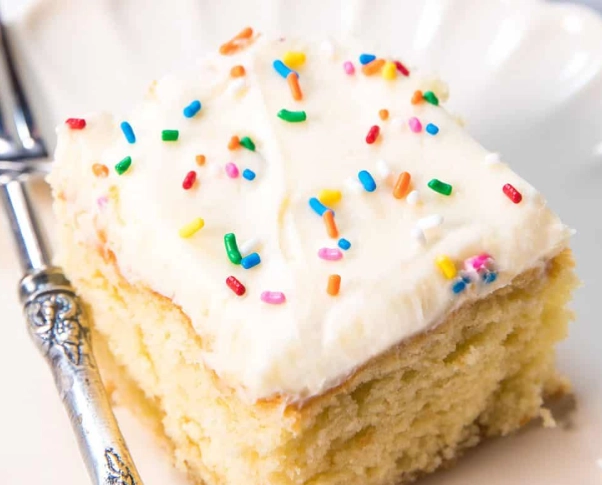
Before You Even Pick a Recipe: The Foundation of Great Baking
Jumping straight into a recipe is like building a house without a foundation. It might stand up, but it's likely to have problems. Let's talk about the non-negotiable basics.
Your Baking Arsenal: Tools That Actually Matter
You don't need a kitchen full of fancy gadgets. But a few key tools make a world of difference.
Here's what you really need:
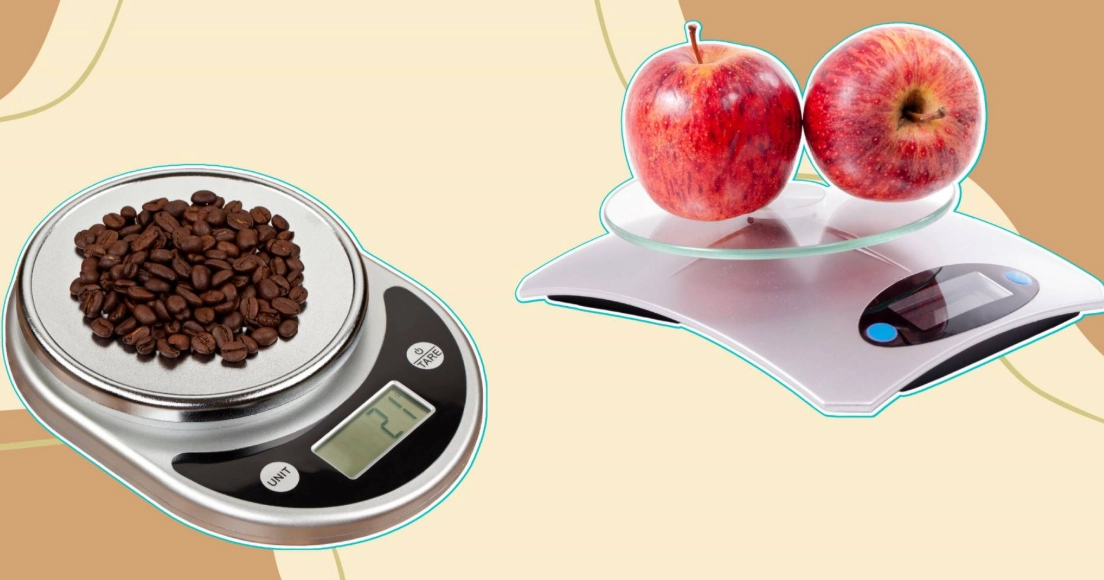
- Digital Kitchen Scale: I can't stress this enough. Use grams.
- Quality Mixing Bowls: A few in different sizes. Glass or stainless steel are great.
- Stand Mixer or Hand Mixer: A stand mixer is a dream for frequent bakers, but a good hand mixer works perfectly for most baking recipes cake projects.
- Silicone Spatulas: For scraping every last bit of batter. Batter left in the bowl is cake left uneaten.
- Fine-Mesh Sieve: For sifting dry ingredients together. This aerates the flour and prevents lumps.
- Cake Pans: Light-colored aluminum pans are best. Dark pans absorb more heat and can cause over-browning. If you only buy two, get 9-inch rounds.
- Parchment Paper: The ultimate insurance policy against sticking. Line your pans.
- An Oven Thermometer: Your oven's dial is probably lying to you. Mine runs 15 degrees hot. An independent thermometer tells you the truth.
The Ingredient Lowdown: Why Quality and Temperature Matter
Baking is a chemical reaction. The ingredients are your chemicals. Using the right ones, in the right state, is crucial.
Flour: All-purpose flour is the workhorse for most cakes. Cake flour has less protein, leading to a more tender crumb, and it's great for delicate cakes like angel food. For most all-purpose baking recipes cake, all-purpose is just fine. Just make sure you're measuring it correctly (weigh it!).
Sugars: White granulated sugar provides sweetness and tenderness. Brown sugar adds moisture and a hint of molasses flavor. Don't substitute one for the other unless the recipe says you can.
Fats: Unsalted butter is the king for flavor. You control the salt. Oil (like vegetable or canola) makes cakes incredibly moist because it's liquid at room temperature. Some recipes use a combination.
Eggs: They provide structure, leavening, and richness. Most baking recipes cake call for large eggs. Use them at room temperature. Cold eggs don't emulsify as well with butter, which can affect your cake's volume. To quickly bring eggs to room temp, place them in a bowl of warm (not hot) water for 10 minutes.
Leaveners: Baking powder and baking soda. They are NOT interchangeable. Baking powder contains both an acid and a base and activates with liquid and heat. Baking soda needs an acidic ingredient (like buttermilk, yogurt, or brown sugar) in the recipe to work. Using the wrong one is a surefire path to a flat cake.
Dairy: Buttermilk, milk, or sour cream. Buttermilk is acidic, which tenderizes gluten and reacts with baking soda. It's a secret weapon for moistness. No buttermilk? Add 1 tablespoon of lemon juice or white vinegar to a cup of milk and let it sit for 5 minutes.
The Top 5 Can't-Fail Baking Recipes Cake for Every Skill Level
Okay, let's get to the good stuff. Here are five foundational recipes. I've chosen these because they teach you different techniques and cover classic flavors. Master these, and you can bake almost anything.
The Ultimate Vanilla Butter Cake
This is your baseline, your go-to, the white t-shirt of cakes. It's moist, tender, and has a rich, pure vanilla flavor. It's perfect for birthdays, layer cakes, or just because. The technique here—creaming butter and sugar—is fundamental to many baking recipes cake.
The Technique (Creaming Method): Beat room-temperature butter and sugar together for a full 3-5 minutes until it's very pale and fluffy. This incorporates air, which is part of your leavening. Then add eggs one at a time. Alternate adding dry ingredients and milk. Don't overmix once the flour is added!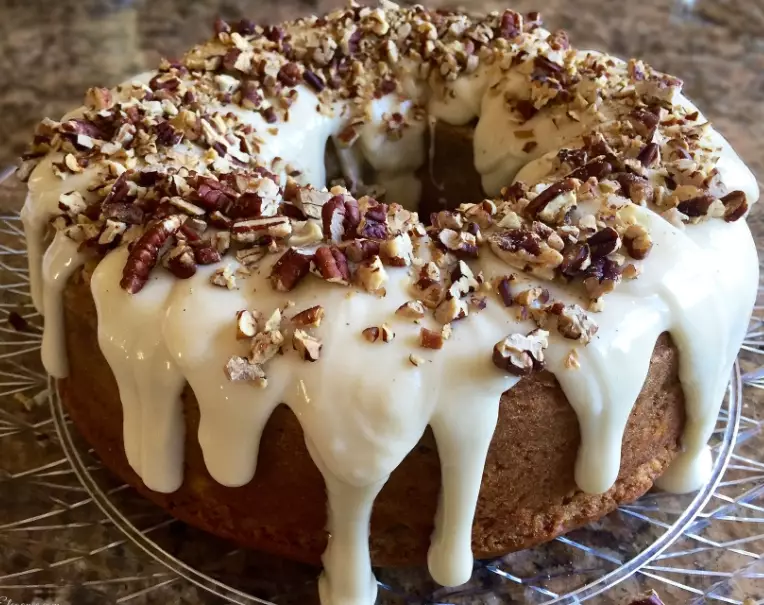
Super-Moist Chocolate Cake (Oil-Based)
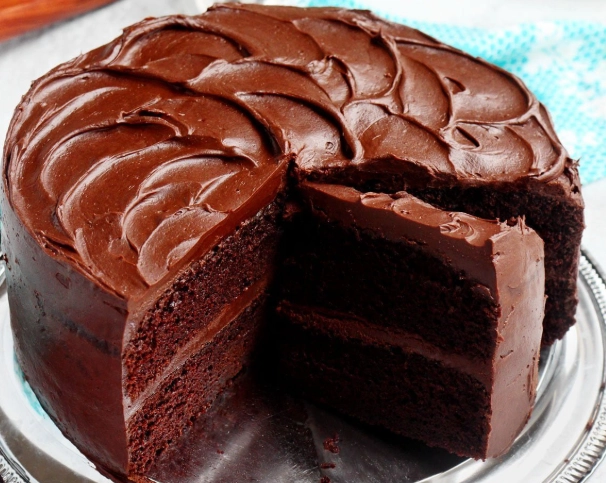
This is the chocolate cake recipe that made me believe I could bake. It's ridiculously easy—just mix wet and dry ingredients—and it's consistently moist, rich, and chocolatey. Because it uses oil instead of butter, it stays soft for days. This is a one-bowl wonder and a fantastic beginner baking recipes cake.
Let's compare these two foundational approaches side-by-side.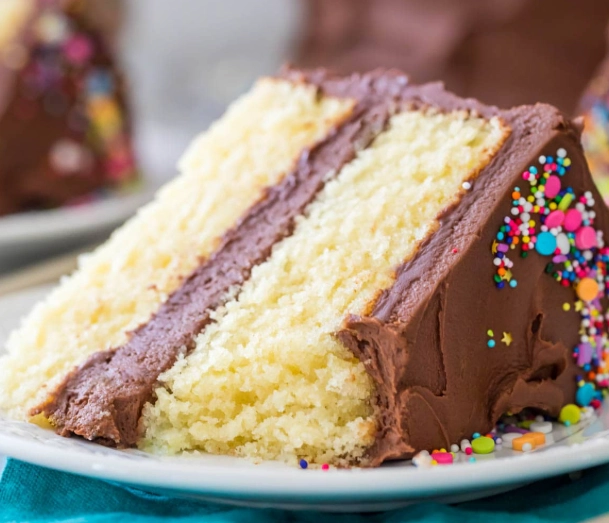
| Feature | Vanilla Butter Cake (Creaming Method) | Super-Moist Chocolate Cake (One-Bowl) |
|---|---|---|
| Primary Fat | Butter (for flavor) | Oil (for moistness) |
| Texture | Tender, fine crumb, lighter | Dense, fudgy, incredibly moist |
| Difficulty | Medium (technique-sensitive) | Easy (forgiving, hard to overmix) |
| Best For | Layer cakes, celebrations, where butter flavor is key | Everyday dessert, sheet cakes, cupcakes |
| Shelf Life | Good for 2-3 days | Stays moist for 4-5 days |
See? Different tools for different jobs. Having both a butter-based and an oil-based baking recipes cake in your repertoire is essential.
Other Essential Recipes to Explore
- Carrot Cake: Teaches you how to handle add-ins (nuts, raisins, carrots) and uses oil for moisture. The cream cheese frosting is a classic pairing.
- Lemon Pound Cake: A "high-ratio" cake (more sugar than flour), dense and moist. The reverse creaming method (mixing dry ingredients with butter first) creates a supremely tender crumb.
- Angel Food Cake: The master class in egg whites. It uses no fat, leavened solely by whipped egg whites. It's light as air and teaches you about meringue stability. You'll need a tube pan.
The Science of Success: Why Cakes Rise (and Why They Fall)
Understanding a little bit of the "why" makes you a much better baker. It helps you troubleshoot and adapt.
Cakes rise primarily through three forces:
- Trapped Air: From creaming butter and sugar or whipping egg whites.
- Steam: From the liquid ingredients in the batter heating up.
- Chemical Leaveners: Baking powder and baking soda producing carbon dioxide gas.
The structure of the cake (from gluten in the flour and proteins in the eggs) sets around these bubbles as it bakes. If the structure is too weak, the bubbles pop and the cake collapses. If it's too strong (from overmixing), the cake becomes tough and dense.
Your Cake Baking Troubleshooting Bible
Something went wrong. Don't panic. Here's what likely happened and how to fix it next time. This is the stuff most basic baking recipes cake don't tell you.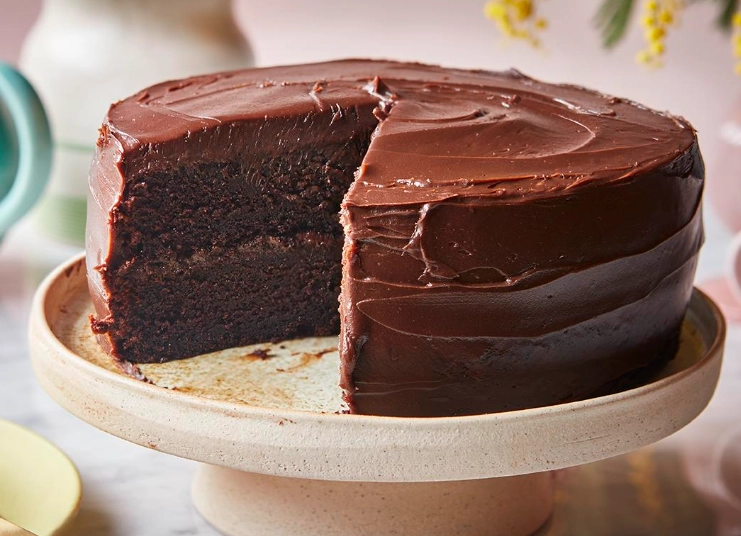
Problem: My cake is dense and heavy.
Likely Causes: Overmixing (developing too much gluten). Using expired baking powder or soda. Not enough leavener. Incorrect oven temperature (too low, so it doesn't rise fast enough). Measuring flour incorrectly (packing too much in).
Problem: My cake sunk in the middle.
Likely Causes: Underbaking (the center structure didn't set). Too much leavener (the bubbles get too big and pop). Opening the oven door too early (before the structure has set, causing a temperature shock and collapse). Overbeating the batter after adding flour.
Problem: My cake is dry.
Likely Causes: Overbaking (even 5 minutes can do it). Using too much flour (again, weigh it!). Not enough fat or liquid. Using only egg whites instead of whole eggs when the recipe calls for whole.
Problem: The top is domed and cracked.
Likely Causes: Oven temperature is too high. The cake is baking too quickly, setting the outer edges before the center has finished rising, forcing the center up and through the top. Try reducing your oven temp by 25°F (15°C).
Leveling Up: Pro Techniques for Better Baking
You've mastered the basics. Now let's make your cakes look and taste even more professional.
How to Get Flat Cake Layers (for stacking): Dome tops are annoying to level. Use "cake strips." You can buy them or make your own from aluminum foil and paper towels. Soak them in water, wrap them around the outside of your cake pan. This insulates the edges, so the cake bakes evenly from edge to center, resulting in a perfectly flat top.
The Art of Simple Syrup: Brushing your cake layers with a thin layer of simple syrup (equal parts sugar and water, heated until dissolved, then cooled) is a game-changer. It adds a touch of sweetness and, more importantly, moisture. It's insurance against dry cake, especially if you're assembling it a day ahead. You can infuse the syrup with flavors like citrus zest or vanilla.
Frosting Foundations: A crumb coat is your best friend. Before you do the final, beautiful layer of frosting, apply a very thin "crumb coat" all over the cake and chill it for 20-30 minutes. This traps all the loose crumbs. Then, when you apply the final frosting, it will be smooth and crumb-free.
Baking Safely and Smartly: A Quick Note
While we're talking ingredients and techniques, food safety is part of being a good baker. Always handle raw eggs carefully and wash your hands and surfaces. For authoritative information on food safety practices in the home kitchen, I always recommend checking resources like the USDA's Food Safety and Inspection Service website. It's a reliable source for guidelines on safe temperatures and handling. Furthermore, for deep dives into the science of ingredients, the Institute of Food Technologists (IFT) is an excellent professional organization with accessible resources.
Answers to Your Burning Cake Questions (FAQ)
These are the questions I get asked all the time, or the ones I desperately searched for when I started.
Wrapping It Up: Your Path to Cake Confidence
Look, the journey to finding and mastering great baking recipes cake is just that—a journey. You will have flops. I still do occasionally. But each one teaches you something. Start with the easy, forgiving recipes like the oil-based chocolate cake. Get comfortable with the process. Then move to the techniques like creaming.
The most important ingredient is your own curiosity and willingness to try. Don't get bogged down by perfection. A slightly lopsided, homemade cake filled with real ingredients and made by you will always taste better than a perfect store-bought one.
Print out a couple of the recipes we talked about. Get your ingredients to room temperature. Preheat your oven (with a thermometer inside!). And just start. Before you know it, you'll be the person everyone asks for the cake recipe. You've got this.
Leave a Comment