Let's cut right to the chase. When someone asks "What pies are traditional for Thanksgiving?" they're not just looking for a list. They're planning a menu, trying to please a crowd, and maybe feeling a bit of pressure to get it right. The short answer is a trio: pumpkin, pecan, and apple. But that's just the start. The real story is about why these pies became iconic, how to make them shine, and what other contenders deserve a spot on your holiday table. I've baked more Thanksgiving pies than I can count, and I've learned a few things the hard way—like the year my pecan pie turned into a sugary soup. We'll get to that.
Your Quick Guide to Thanksgiving Pies
The Essential Thanksgiving Pie Trio
These three are the non-negotiables for most American tables. Their dominance isn't random; it's a mix of history, ingredient availability in autumn, and pure, crowd-pleasing flavor.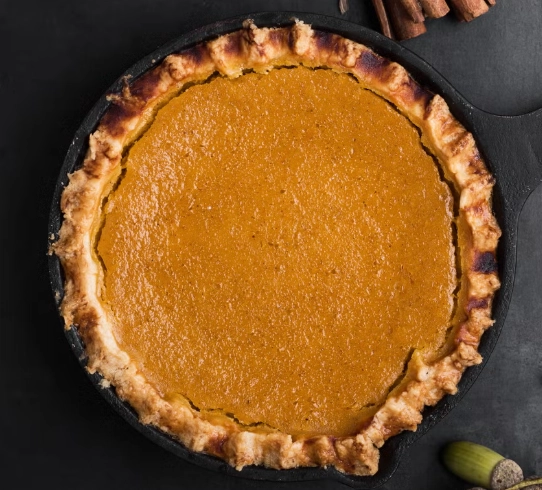
1. Pumpkin Pie: The Undisputed Champion
No pie says "Thanksgiving" louder. But the pumpkin pie we know—a smooth, spiced custard in a flaky crust—is a relatively modern invention. Early colonists likely stewed pumpkin with milk and honey, more of a pudding. The big shift came with canned pumpkin and evaporated milk in the early 20th century, making it a convenient, standardized star.
The biggest mistake? A soggy bottom crust. Par-baking your crust (also called blind baking) is the secret weapon nobody talks about enough. Brush the hot, par-baked crust with a beaten egg white for an extra moisture barrier. It's a game-changer.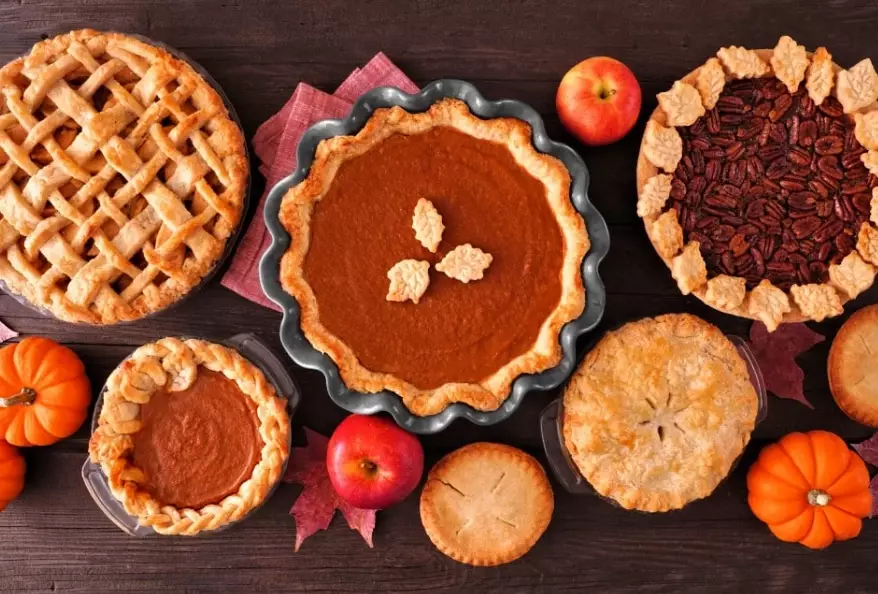
2. Pecan Pie: The Sweet, Sticky Southern Icon
This is the pie that divides rooms. Some find it cloyingly sweet; others wouldn't have Thanksgiving without it. Originating in the South, its key is the gooey filling of corn syrup (or maple syrup, or honey), eggs, butter, and sugar that sets around the toasted pecans.
My sugary soup disaster? I didn't bake it long enough. The center must reach a safe temperature (around 200°F) to properly set. It will look very jiggly but not liquid when it's done. Let it cool completely—like, for hours—before you even think about slicing. Patience is part of the recipe.
For a deeper flavor, toast your pecans beforehand. And consider using a mix of dark corn syrup and maple syrup instead of just light corn syrup. The flavor complexity it adds is profound.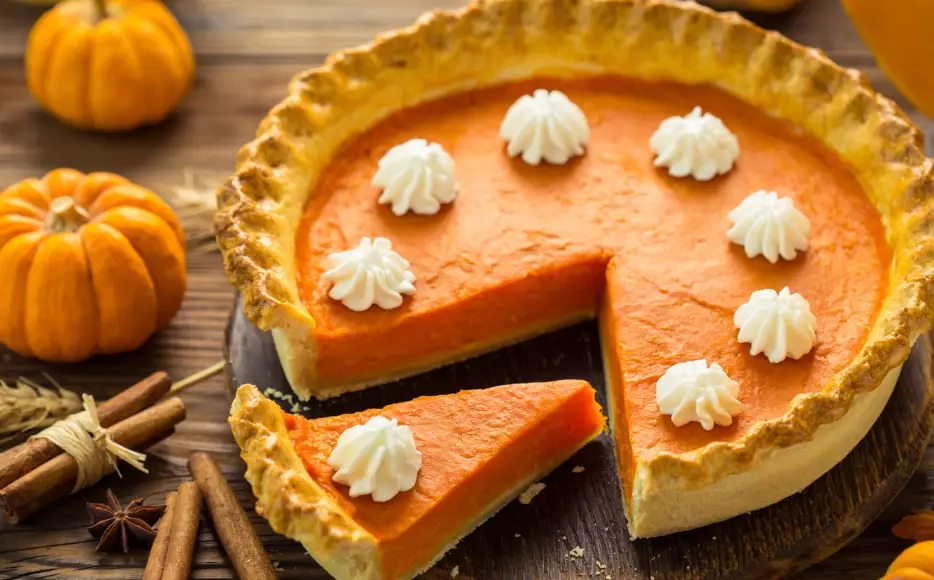
3. Apple Pie: The All-American Comfort Classic
While apple pie is a year-round favorite, its place at Thanksgiving is secured by the autumn apple harvest. It's the most customizable of the big three.
The single most important decision: your apple choice. A blend of tart and firm (like Granny Smith) with sweet and soft (like Honeycrisp or Braeburn) gives you the best texture and flavor balance. Using only one type often leads to a mushy or overly firm filling.
Lattice top or full crust? Lattice lets more steam escape, preventing a soggy top and giving you those beautiful caramelized edges. It's worth the extra five minutes of effort.
| Pie | Core Flavor Profile | Texture | Key Historical Note | One Pro Technique |
|---|---|---|---|---|
| Pumpkin Pie | Earthy, warm spices (cinnamon, ginger, nutmeg) | Silky, creamy custard | Popularized by 20th-century canned goods & marketing | Par-bake crust & egg wash seal |
| Pecan Pie | Buttery, caramelized sugar, toasted nut | Firm, sticky-sweet filling with crunch | Southern roots, likely 19th-century creation | Bake until center reaches 200°F, cool completely |
| Apple Pie | Sweet-tart fruit with cinnamon | Tender fruit in flaky crust | Brought by European settlers, adapted with New World apples | Use a 2:1 ratio of firm/tart to soft/sweet apples |
Beyond the Basics: Regional & Modern Favorites
Travel across the U.S., and you'll find pies that are just as traditional in their homes.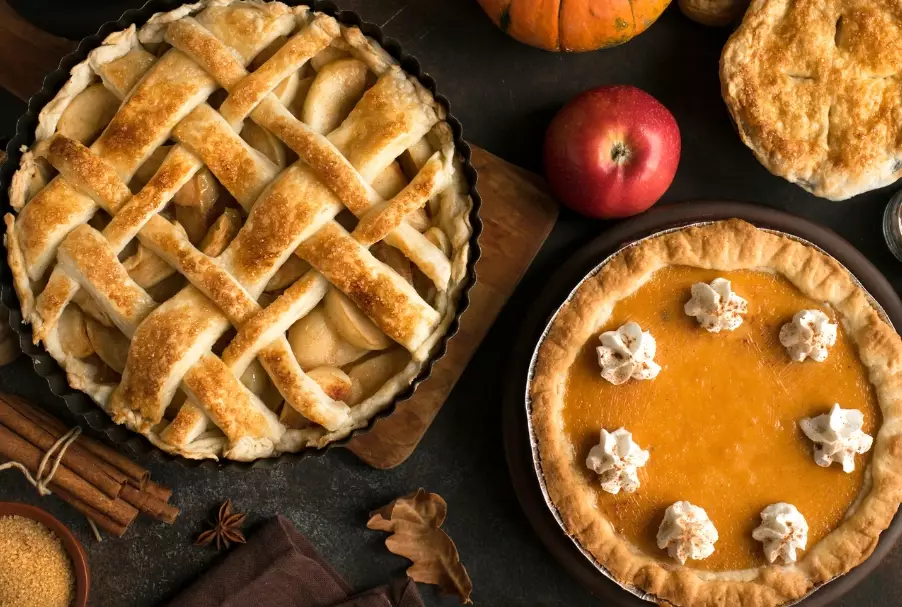
Sweet Potato Pie is a staple, especially in Southern and African American traditions. It's often confused with pumpkin, but it's distinct—sweeter, denser, and with a deeper, more complex flavor from the roasted sweet potatoes. It's usually spiced more subtly, letting the vegetable shine.
In parts of the Northeast, you might find Mincemeat Pie. The historical version contained actual meat, but today it's a spiced mixture of dried fruits, apples, citrus peel, suet or butter, and often a splash of brandy. It's an acquired taste, but for many families, it's the taste of history itself.
Shoofly Pie is a Pennsylvania Dutch molasses-based pie with a crumb cake-like topping. It's less common now but speaks to the immigrant traditions that shaped the holiday.
And let's not forget the modern contenders. Chocolate Cream Pie or a Salted Caramel Apple Pie might not have centuries of history, but if they bring your family joy, they've earned a place at the table. Tradition is what you make it.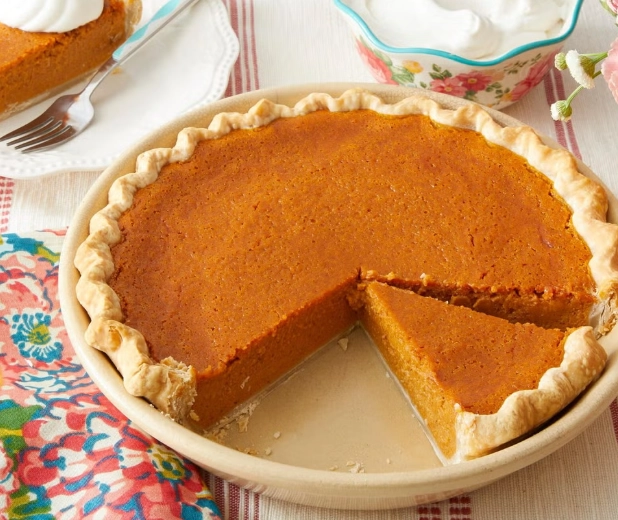
How to Make the Perfect Thanksgiving Pie (Without the Stress)
Here’s the truth: you don't have to make everything from scratch. A great store-bought crust can save your sanity. But if you do go homemade, keep your butter and water ice-cold, and don't overwork the dough. Those visible flakes of butter are what create flaky layers.
Timing is everything. Most pies can be baked 1-2 days ahead. Pumpkin and pecan pies actually taste better the next day after the flavors meld. Apple pie is best served the day it's baked, but you can prep the filling and crust separately a day early.
What about the big meal logistics? Your oven is the hottest commodity. I bake my pies in the morning, let them cool, and then gently re-warm them (except cream pies) at 200°F for 15-20 minutes before dessert. It works.
The final touch? Don't skip the garnish. A dollop of freshly whipped cream (sweetened just slightly with maple syrup), a scoop of vanilla bean ice cream, or a drizzle of bourbon caramel can elevate even a simple pie into a memorable finale.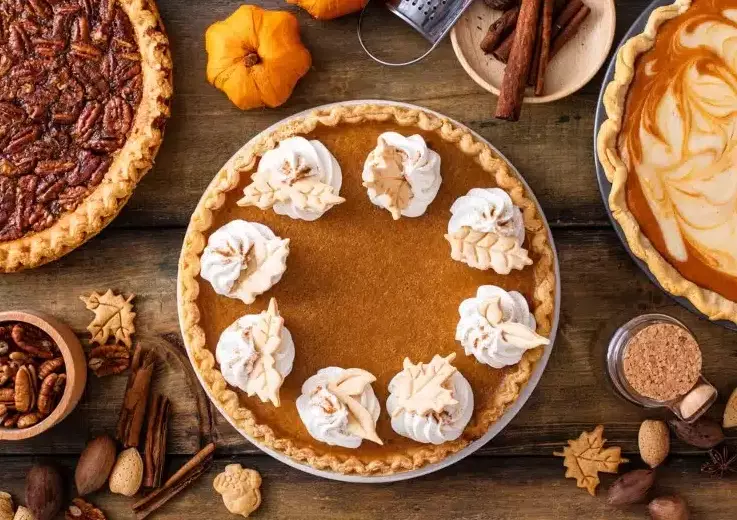
Leave a Comment