Let's be honest. You've probably baked a cake that didn't rise, cookies that spread into one giant blob, or bread that was dense as a brick. I've been there, staring into the oven with that sinking feeling. For years, I blamed my oven, the humidity, the brand of flour—anything but my technique. Then I started using a digital kitchen scale for baking, and it was like someone turned the lights on. My baking transformed from a guessing game into a reliable science. If you're serious about baking, this isn't just another gadget. It's the single most important upgrade you can make to your kitchen.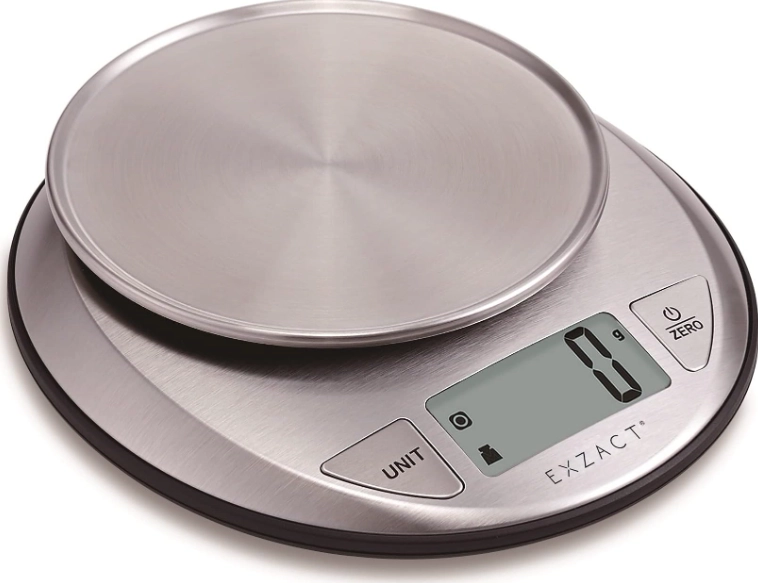
What You'll Learn Today
Why Your Measuring Cups Are Secretly Sabotaging Your Bakes
This is the hill I'll die on: volume measuring is the number one cause of home baking inconsistency. A "cup" of flour is not a standard unit. It's a suggestion. Scoop it directly from the bag, and you might pack in 150 grams. Spoon it lightly into the cup, and it could be 120 grams. That's a 25% difference before you've even added anything else.
Think about it. Professional bakers and patisseries worldwide don't use cups. They use grams. Recipes from authoritative sources like King Arthur Baking or the culinary textbooks from Le Cordon Bleu provide weights for a reason. Precision. When you bake by weight, you're using the same language.
How to Choose the Best Digital Kitchen Scale for Baking
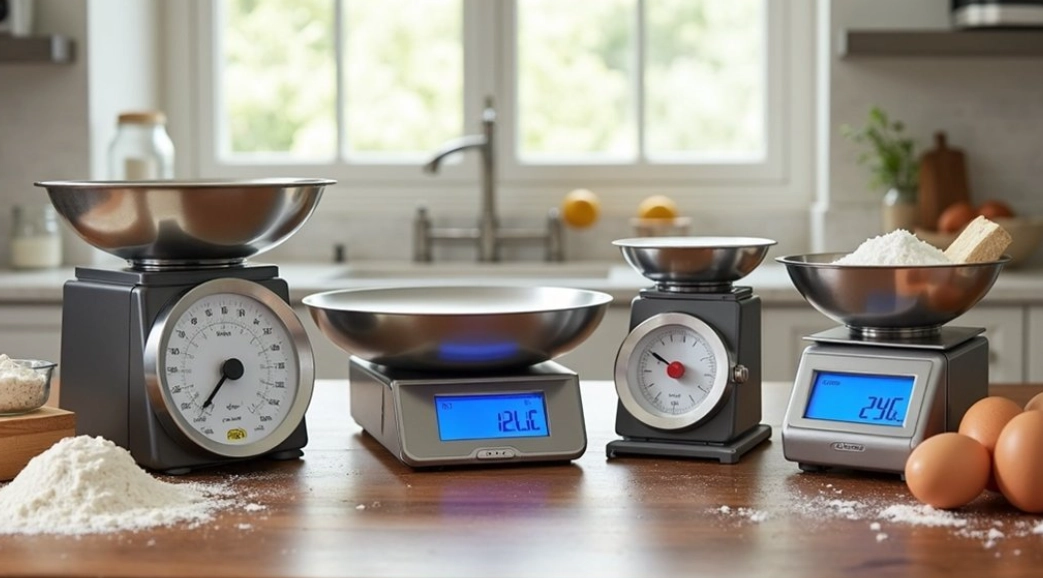
Not all scales are created equal. Buying the first one you see on Amazon is a mistake. Here’s what actually matters, based on what I’ve burned through (figuratively and literally) over the years.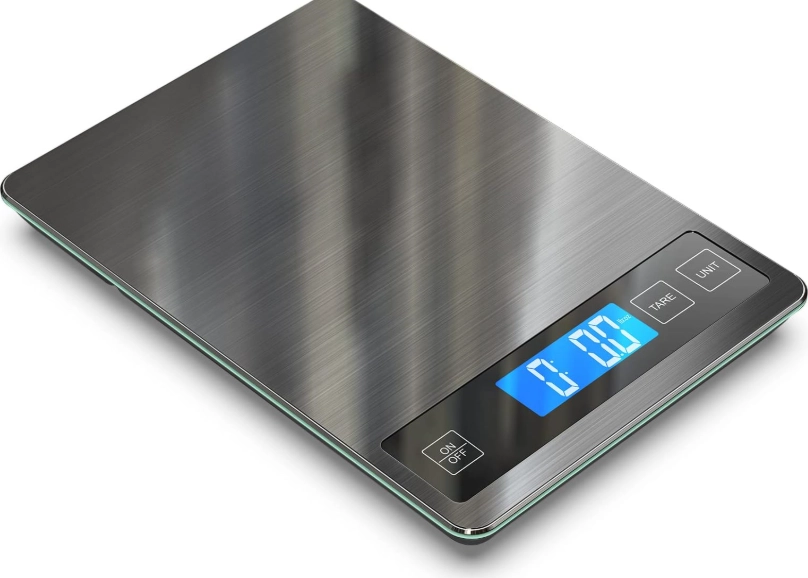
Non-Negotiable Feature #1: Precision and Capacity
You need a scale that can measure small amounts (like 1 gram of yeast or salt) and large amounts (like 2kg of dough). Look for a 0.1-gram increment for small weights and a capacity of at least 5kg (11 lbs). A scale that only measures in 1-gram or 5-gram increments is useless for baking powder or spices.
Non-Negotiable Feature #2: The "Tare" or "Zero" Function
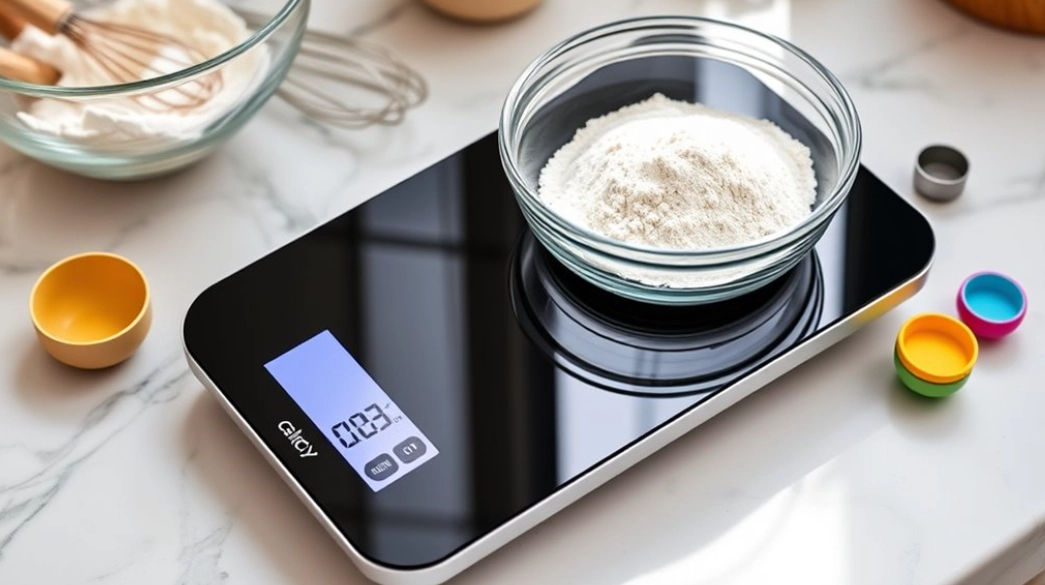
This is the button that resets the display to zero with a bowl on it. It lets you add multiple ingredients to the same bowl without doing math. Place bowl > hit Tare (reads 0g) > add flour > hit Tare again (reads 0g) > add sugar. Essential. Any scale without a responsive, easy tare function isn't a baking scale.
Other Critical Considerations
- Platform Size: Big enough for your stand mixer bowl. A tiny platform is frustrating.
- Power Source: I prefer AAA battery models over button-cell batteries. They last longer and are easier to replace.
- Auto-Off: A must, but with a long enough delay (3-5 minutes) so it doesn't shut off while you're slowly pouring honey.
- Display: Clear, backlit if possible. You don't want to squint with flour-covered hands.
| Scale Type | Best For |
|---|---|
| Basic Digital Scale (0.1g / 5kg) | Most home bakers. Perfect for cakes, cookies, bread. |
| High-Precision Jewelry Scale (0.01g / 100g) | Measuring tiny amounts of potent ingredients (saffron, citric acid, yeast for very small batches). |
| Waterproof Scale | Messy bakers or busy kitchens. Easy cleanup. |
My personal workhorse for the last 6 years has been a simple OXO model with a pull-out display. It's not fancy, but it's accurate and the platform is huge. I've dropped it twice and it still works.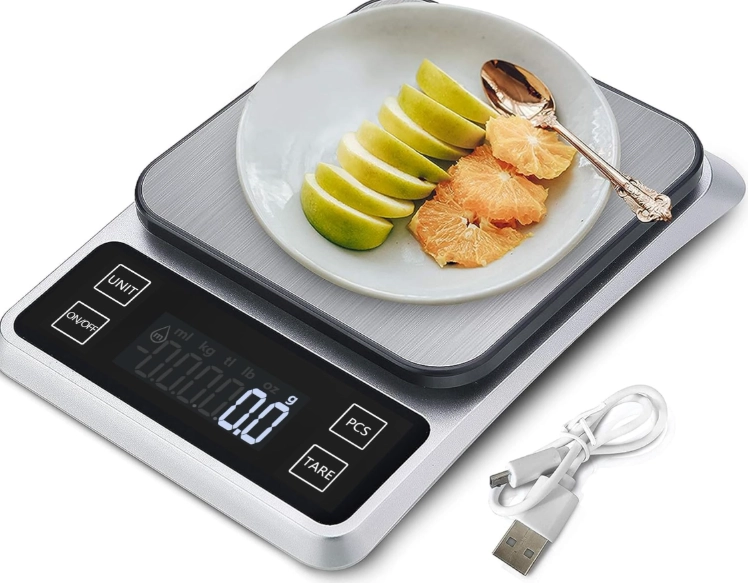
Mastering Your Scale: Beyond Just Weighing Flour
Okay, you have the scale. Now what? Using it is intuitive, but a few pro-tips will change your workflow.
First, convert your favorite recipes. Don't guess. Use standard conversion references. For example, one cup of all-purpose flour is generally 120-125 grams. But for bread flour, it's closer to 130g. Honey is about 340g per cup. Write the grams directly into your cookbook. Next time, you're using your definitive version.
The "Reverse Tare" Trick for Sticky Ingredients: Weighing honey or peanut butter is messy. Instead, place your entire jar of honey on the scale. Hit Tare (it reads 0g). Scoop out what you need. When you put the jar back, the display will show a negative number (e.g., -100g). That's the exact amount you removed. No sticky measuring cups to wash.
Weighing Eggs and Liquids Directly: Many professional recipes list eggs and liquids in grams too. Crack your eggs into a bowl on the scale. Pour milk straight from the carton. It's faster and more accurate than using multiple liquid measuring cups.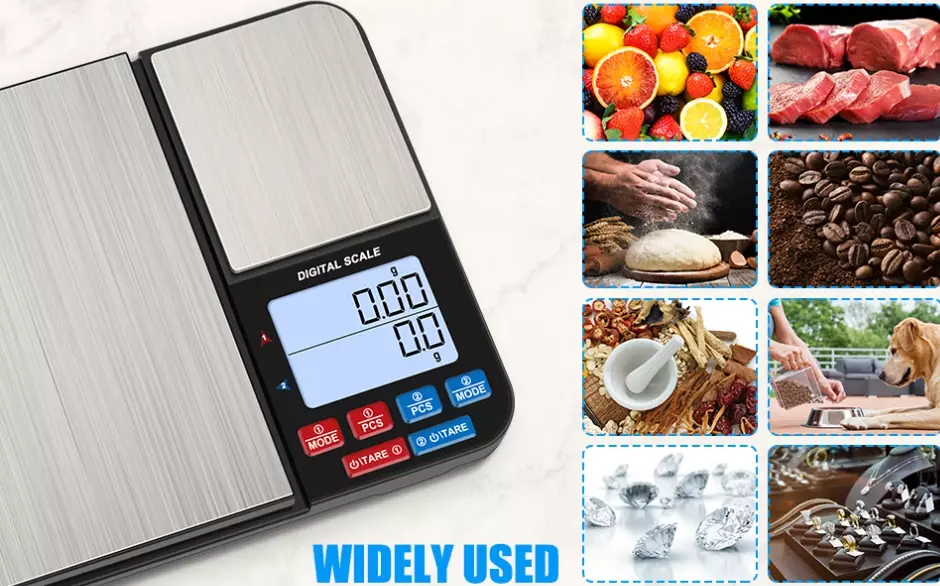
The Real-World Impact: See the Difference in Your Bakes
Let's get concrete. Here’s how a digital kitchen scale directly fixes common baking fails.
Scenario: Tough, Dense Cookies. The culprit is almost always too much flour, packed into the cup. By weighing 140g of flour instead of a heaped cup (which could be 160g+), you get a more hydrated dough that spreads properly and stays chewy.
Scenario: Sunken Cake Center. Too much leavening agent relative to flour. Baking soda is powerful. A recipe might call for "1 teaspoon." A level tsp might be 5g, a heaped one 7g. That 2g difference can cause the structure to rise too fast and collapse. Weighing 5g of baking soda guarantees the correct reaction.
Scenario: Sourdough that Never Rises. Sourdough is a microbial ecosystem. Feeding your starter a precise 1:1:1 ratio (e.g., 50g starter, 50g water, 50g flour) is impossible with cups. Consistency in feeding leads to a predictable, active starter. My sourdough success rate went from 50% to 95% after I started weighing feeds.
It also makes scaling recipes up or down trivial. Want to make half a recipe? Just divide all the gram weights by two. No awkward "3/4 of an egg" calculations.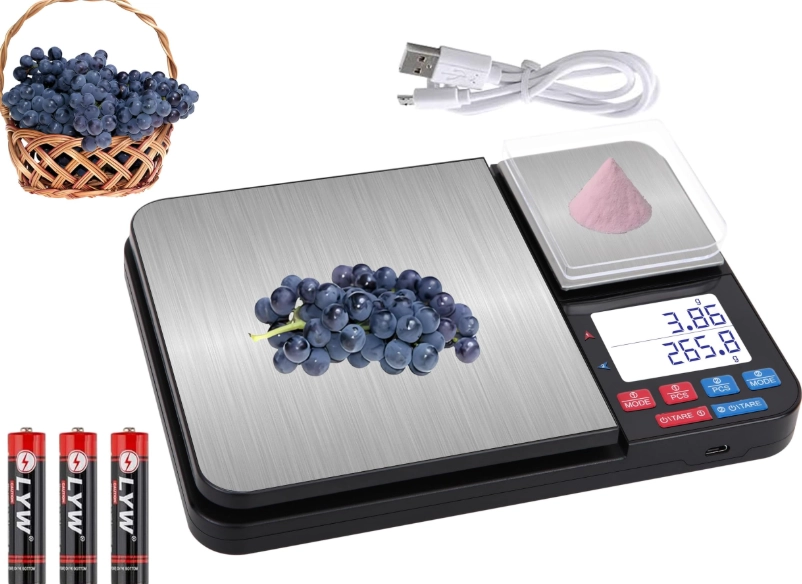
Baking Scale Questions Answered (By Someone Who's Messed Up)
My old family recipe only has cups. How do I convert it without ruining it?
Start by weighing what a "cup" means in your kitchen. Take your usual measuring cup, use your usual scooping method, and weigh the result. Do this three times and average it. Use that as your baseline gram weight for that ingredient in that recipe. For liquids, 1 cup = 240ml (which weighs 240g for water/milk). Write the new gram measurements in the margin. The first time is a bit of work, but you now have a permanent, reliable version.
Is a cheap $15 scale just as good as a $50 one for home baking?
Often, yes—for a while. The core sensor technology is similar. The difference is in durability, platform stability, and button responsiveness. A cheap scale might have a wobbly platform that throws off readings, or a tare button that lags. I wore out two cheap scales in three years before investing in a mid-range one that's lasted six. If you bake weekly, spend a little more. If you're just trying it out, a cheap one will prove the concept, but expect to upgrade.
 I'm making a recipe that says "3 large eggs (about 150g)." Should I weigh the eggs or just use 3?
Weigh them. This is a classic example of precision. A "large" egg can range from 50g to 60g out of the shell. Three could be 165g, throwing off your batter's liquid content. Crack them into a bowl on your tared scale. If you have 170g, you can whisk them and pour off a tiny bit, or add a teaspoon of flour to compensate. This level of control is what separates good bakes from great ones.
My scale readings seem to drift or change. What's happening?
First, check the surface. It must be completely level and hard (not on a soft silicone mat or uneven counter). Second, ensure your batteries aren't dying—low power causes erratic behavior. Third, drafts from an oven vent or air conditioner can affect ultra-sensitive scales. Finally, make sure nothing is touching the bowl or platform (like your apron or a cord). If it persists, the scale's sensor might be failing.
Do I really need to weigh liquids like water and milk? A liquid measuring cup seems easier.
You don't *have* to, but there's a hidden advantage: fewer dishes. I place my mixing bowl on the scale, tare it, add all my dry ingredients by weight, tare again, then pour in milk straight from the carton until I hit the gram target. One bowl, no spouts to pour from, no line to eyeball. It's genuinely faster and more accurate, especially for thick liquids like buttermilk or yogurt where air bubbles in a measuring cup can distort volume.
Look, I'm not saying a digital kitchen scale will make you a Michelin-star pastry chef overnight. But it will eliminate the most common, frustrating source of error in your kitchen. It turns baking from a hopeful art into a repeatable craft. You stop wondering "what did I do wrong?" and start knowing exactly what you did right, so you can do it again. That confidence is priceless. Go dig that scale out of the back of your cupboard, or order a decent one. Your next batch of cookies will thank you.


Leave a Comment