Let's be honest. Baking can feel like a high-stakes science experiment sometimes. You follow the recipe to the letter, but your cake is dense, your cookies spread into a single sheet, and your bread could double as a doorstop. What gives? More often than not, it's not the recipe's fault. It's a handful of common baking mistakes that trip up everyone from beginners to seasoned home bakers. I've been baking professionally for over a decade, and I've seen these same errors pop up time and again. The good news? Once you know what they are, they're incredibly easy to fix. This guide will walk you through the top ten culprits and, more importantly, how to avoid them for bakery-quality results in your own kitchen.
What You'll Learn
The Top 10 Most Common Baking Mistakes (and How to Fix Them)
This isn't just a list of errors. Think of it as a troubleshooting manual for your bakes. Each mistake here can completely alter the texture, rise, and flavor of what you're making.
1. Inaccurate Measuring – The #1 Culprit
This is the granddaddy of all baking mistakes. Baking is a chemical reaction, and the ratios matter. Scooping flour directly from the bag with your measuring cup packs it down, leading to up to 25% more flour than the recipe intends. The result? Dry, tough cakes and breads.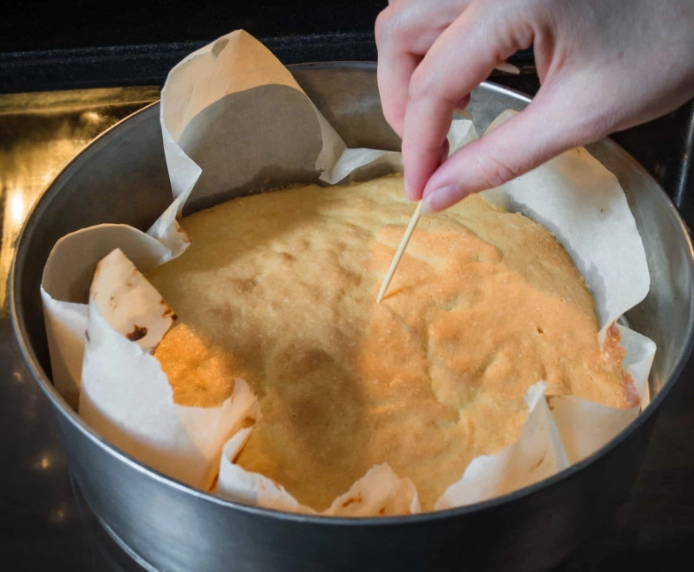
The Fix: For dry ingredients like flour, cocoa, and powdered sugar, use the "spoon and level" method. Lightly spoon the ingredient into your measuring cup until it's heaping, then use the flat edge of a knife to sweep off the excess. For true precision, especially in bread baking, invest in a digital kitchen scale. A gram is a gram, no matter how you scoop it. For liquids, use clear liquid measuring cups on a flat surface.
2. Ignoring Ingredient Temperatures
"Room temperature" isn't a suggestion; it's a requirement for ingredients like eggs, butter, and milk. Cold butter won't cream properly with sugar, which means less air incorporation and a denser cake. Cold eggs can cause your batter to curdle, breaking the emulsion.
The Fix: Plan ahead. Take butter and eggs out of the fridge at least 1-2 hours before you start baking. If you're in a pinch, you can quickly bring eggs to room temperature by placing them in a bowl of warm (not hot) water for 10 minutes. For butter, cut it into small cubes and let it sit for 15-20 minutes. Microwaving is risky and often leads to melted spots.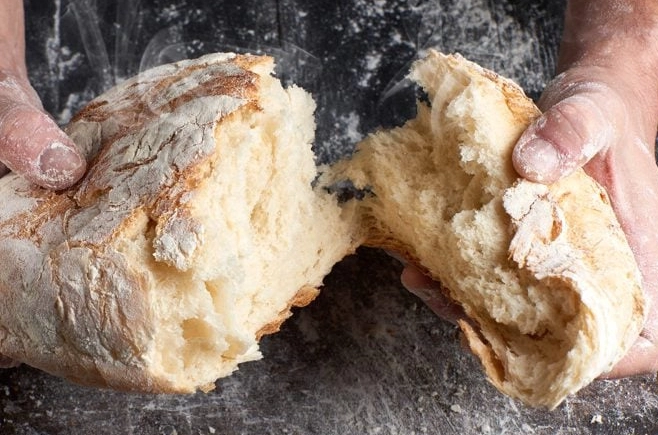
3. Overmixing the Batter or Dough
There's a huge difference between mixing muffin batter and kneading bread dough. Overmixing a cake or muffin batter after the flour has been added develops the gluten, leading to a tough, chewy crumb instead of a tender, soft one. I see this all the time with pancakes.
The Fix: Once you add the dry ingredients, mix just until the flour is incorporated and no dry streaks remain. A few small lumps in muffin batter are perfectly fine. For pie crust and biscuits, you want to see visible pieces of fat (butter/shortening) in the dough—that's what creates flakiness.
4. Not Preheating Your Oven
Sliding your cake into a cold oven is a recipe for disaster. The leavening agents (baking powder/soda) start working the moment they get wet and warm. If the oven isn't hot, they'll expend most of their power before the structure sets, resulting in a flat, dense bake.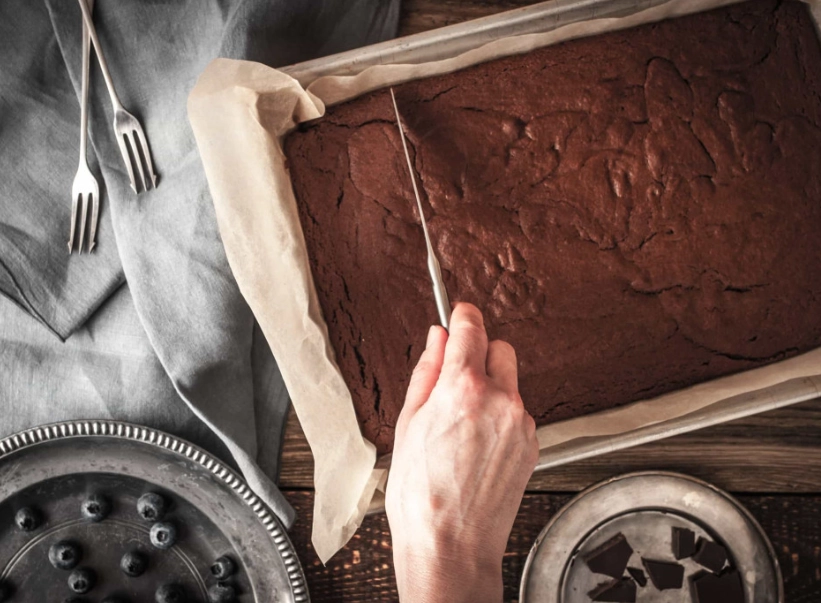
The Fix: Always, always preheat. Turn your oven on before you even take out your ingredients. Give it a full 15-20 minutes to reach the correct temperature. An oven thermometer is a cheap and invaluable tool—many ovens run 25°F hot or cold, which can ruin delicate recipes.
5. Overcrowding the Oven or Incorrect Rack Position
Stuffing multiple trays of cookies on every rack blocks airflow. The heat can't circulate properly, leading to uneven baking. The cookies on the top rack may burn while the bottom ones are pale and underdone.
The Fix: Bake in batches. For even browning, place a single rack in the center of the oven for most cakes and cookies. If you must bake two sheets at once, rotate them front-to-back and top-to-bottom halfway through the baking time. Leave at least 2 inches of space around your pans.
Pro Tip from a Pastry Chef: One mistake I rarely see mentioned is not reading the entire recipe before starting. You get halfway through and realize you need chilled dough for 4 hours or a special pan you don't own. Always read the recipe from start to finish, gather all your ingredients (mise en place), and preheat your oven. This simple habit saves more bakes than any fancy technique.
6. Opening the Oven Door Too Often
Every time you peek, you let out a massive blast of hot air. This causes the temperature to plummet, which can make rising cakes and soufflés collapse. It's so tempting, I know.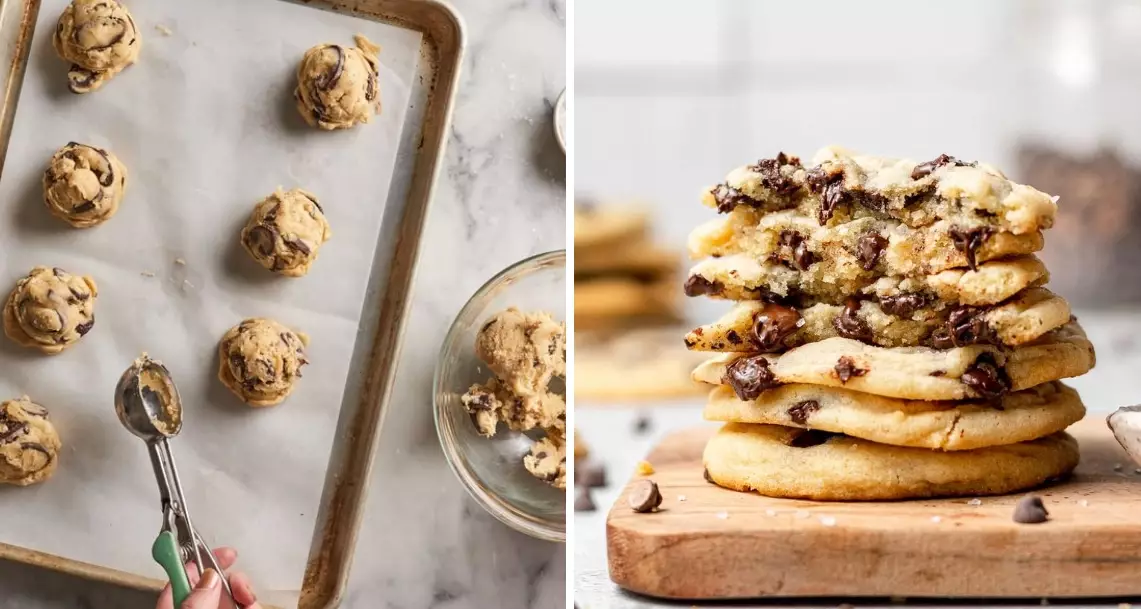
The Fix: Use the oven light and window to check on progress. Only open the door during the last 25% of the baking time if you need to rotate a pan or test for doneness. Trust the timer you set.
7. Substituting Ingredients Willy-Nilly
Baking is not cooking. You can't just swap baking powder for baking soda, or all-purpose flour for cake flour, without understanding the science. Milk is not buttermilk. Using oil instead of melted butter will change the texture completely.
The Fix: Follow the recipe exactly the first time. Once you understand the role of each ingredient, you can make informed substitutions. Need buttermilk? Add 1 tablespoon of vinegar or lemon juice to 1 cup of milk and let it sit for 5 minutes. Out of cake flour? For 1 cup, measure 1 cup all-purpose flour, remove 2 tablespoons, and add 2 tablespoons of cornstarch.
8. Using Old or Expired Leaveners
Baking powder and baking soda lose their potency over time. An old canister is often the silent reason your muffins didn't rise. Baking soda should be replaced every 6 months, baking powder every year.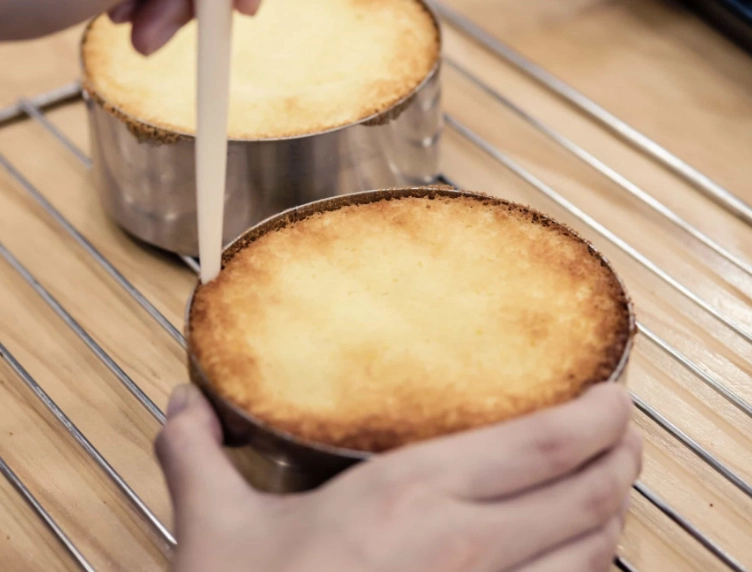
The Fix: Write the purchase date on the container with a marker. To test baking powder, mix 1 teaspoon with 1/3 cup hot water. It should fizz vigorously. To test baking soda, sprinkle some over vinegar—it should bubble immediately.
9. Underbaking or Overbaking
Relying solely on the timer in the recipe is a gamble. Ovens vary, pan colors affect baking (dark pans bake faster), and ingredient temperatures play a role. A toothpick test on a gooey brownie can be misleading.
The Fix: Learn the visual and tactile cues. Cakes are done when they spring back lightly to the touch and a toothpick comes out with a few moist crumbs (not wet batter). Cookies are done when the edges are set and the centers look just barely underdone—they'll firm up as they cool. For bread, an internal temperature of 190-210°F (depending on the type) is the most reliable test. A digital instant-read thermometer is your best friend here.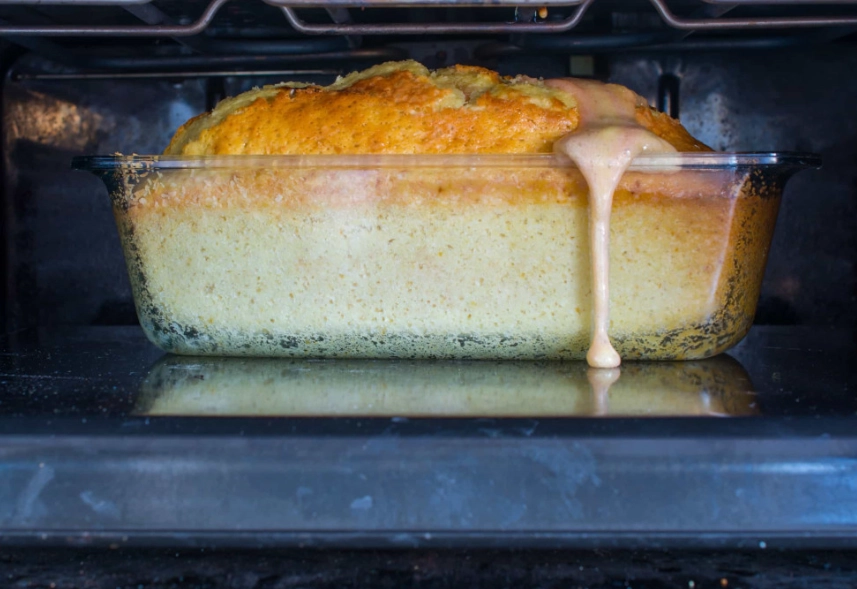
10. Not Letting Baked Goods Cool Properly
Icing a warm cake is a mess. Cutting into a loaf of bread straight from the oven turns it gummy. That resting period is when the structure finishes setting.
The Fix: Let items cool in the pan for the time specified in the recipe—usually 10-15 minutes. Then transfer them to a wire rack to cool completely. This allows steam to escape and prevents a soggy bottom. Patience is part of the recipe.
How to Develop Better Baking Habits
Fixing these mistakes is about building better kitchen habits. Start by choosing one or two areas to focus on. Maybe this week, you'll master the "spoon and level" method and finally buy that oven thermometer. Next week, you'll work on your mise en place and trust the process enough to stop opening the oven door.
Remember, even professional bakers have flops. The key is to understand why it happened. Did your butter leak out of the pie crust? Probably too warm. Did your cupcakes have giant tunnels? Likely overmixed. Treat each bake as a learning experience. Resources like the King Arthur Baking Company's website have fantastic, scientifically-backed guides that go deeper into the "why" behind baking techniques.
Leave a Comment