My first pumpkin pie was a disaster. The filling was watery, the crust was pale and soft as cardboard, and the whole thing wept a sad orange puddle on the plate. I followed a recipe from a famous magazine to the letter. What went wrong? Everything, as I later learned. That failure sent me down a rabbit hole of pastry science, and after a decade of Thanksgiving trials (and errors), I've landed on a method that works every single time. This isn't just a list of ingredients and steps; it's the culmination of all those lessons, designed to give you a pie with a shatteringly flaky, buttery crust and a filling so silky and perfectly spiced it will redefine your expectations. Let's get into it.
What's Inside This Guide
The Ingredients Breakdown: Why Each One Matters
Great pie starts with understanding your components. Swapping things willy-nilly is the fast track to my first pie disaster. Here’s the non-negotiable roster and why they're there.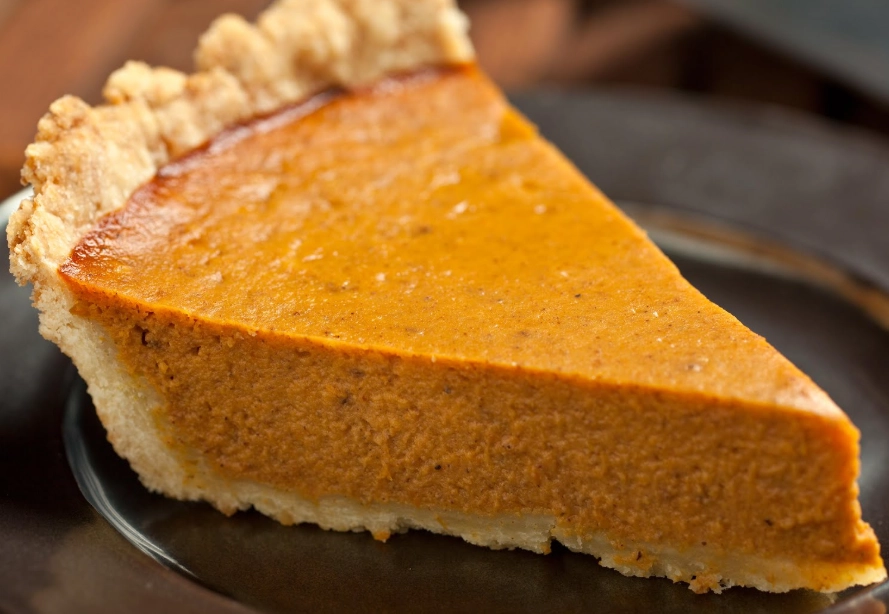
For the Crust:
- All-Purpose Flour: The structure. Don't use bread flour (too much gluten) or cake flour (too little).
- Unsalted Butter, cold: This is non-negotiable. Cold butter creates steam pockets as it melts in the oven, which is what gives you flaky layers. I use European-style butter (like Kerrygold or Plugrà) for its higher fat content and richer flavor. It makes a noticeable difference.
- Ice Water: Just enough to bring the dough together. Too much, and you activate gluten, making the crust tough.
- Salt & Sugar: Salt balances flavor, a pinch of sugar promotes browning.
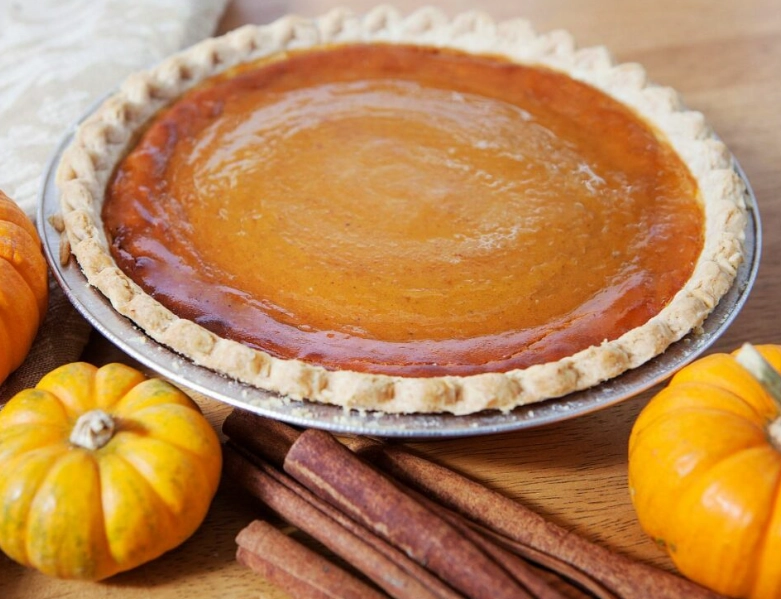
For the Filling:
- Pumpkin Puree: This is the big one. Do not use pumpkin pie filling. You want 100% pure pumpkin puree. Libby's is the classic and reliable. If you roast and puree your own sugar pumpkin (which is fantastic), you must drain the puree in a cheesecloth-lined strainer for an hour to remove excess water. Wet puree = soupy pie.
- Eggs: They set the filling. Use large, room temperature eggs for even incorporation.
- Heavy Cream & Whole Milk: The dairy duo. Cream provides luxurious richness, milk lightens it just enough. Using all cream can be too heavy. Some recipes use evaporated milk; I find the fresh cream/milk combo has a cleaner, fresher taste.
- Spices: Cinnamon, ginger, nutmeg, cloves. Use fresh, high-quality spices. Pre-mixed "pumpkin pie spice" is fine in a pinch, but blending your own lets you control the balance. I use a heavy hand on the ginger.
- Brown & White Sugar: Brown sugar adds molasses depth, white sugar gives clean sweetness. This combo is perfect.
Step-by-Step: The Foolproof All-Butter Crust
Fear of pie crust stops more home bakers than anything else. Let's demystify it.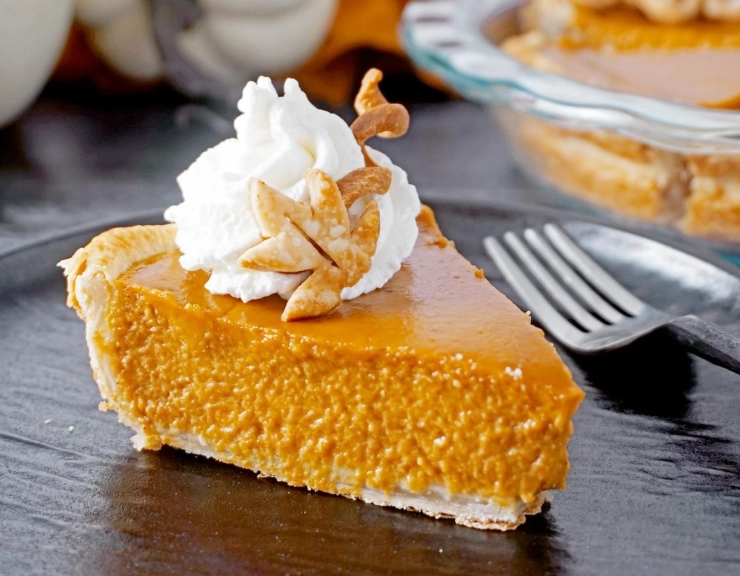
How to Mix the Dough (Without Overworking It)
Cube your cold butter and toss it with the flour and salt. Now, use your fingers or a pastry cutter to press and snap the butter into flat, irregular pieces. You're not looking for uniform crumbs. You want a mix of sizes, from pea-sized down to oat flakes. This variety creates the flaky texture. Sprinkle in the ice water, a tablespoon at a time, tossing with a fork. Stop when the dough holds together when pinched. It will look shaggy, not smooth. Dump it on the counter, gather it into a ball, then flatten it into a disc. Wrap and refrigerate for at least 2 hours, preferably overnight. This relaxes the gluten and re-chills the butter.
Rolling and Blind Baking: The Soggy-Bottom Savior
Roll the dough out on a lightly floured surface to about 12 inches in diameter. Don't roll back and forth endlessly; start from the center and roll outward, turning the dough a quarter turn after each roll. Transfer it to your pie plate. Trim and crimp the edges. Now, freeze the shaped crust for 15 minutes. This is critical—it firms the butter back up.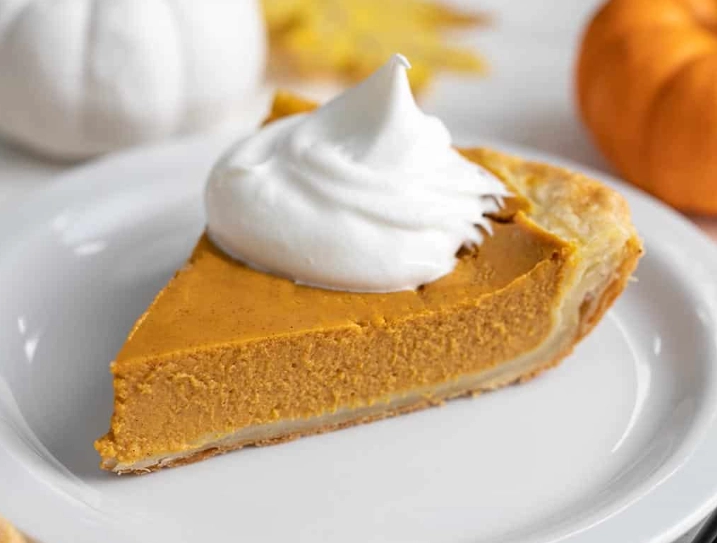
While it chills, preheat your oven to 375°F (190°C) with a rack in the lower third. Line the frozen crust with parchment paper and fill with pie weights (dry beans or rice work). Bake for 20 minutes. Remove the parchment and weights, then bake for another 10-15 minutes until the crust is dry and just starting to turn golden. This "blind baking" creates a barrier against the wet filling. Let it cool slightly while you make the filling.
Crafting the Perfect Pumpkin Filling
This is where magic happens. The goal is a homogeneous, silky-smooth custard.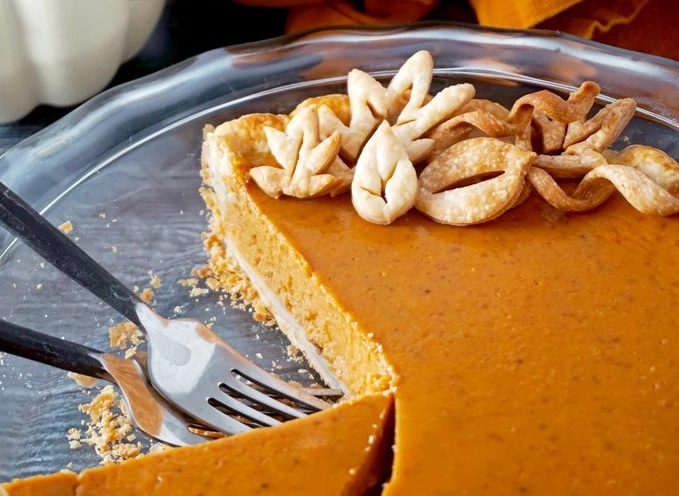
In a large bowl, whisk the eggs until they're uniform. Add both sugars, salt, and all the spices. Whisk vigorously for a full minute—you want the sugar to begin dissolving and the spices fully incorporated. Now, whisk in the pumpkin puree until it's completely smooth, with no orange streaks. Finally, slowly stream in the heavy cream and milk while whisking constantly.
Here's the expert move most recipes skip: Let the filling sit for 15 minutes. This allows the sugar to fully dissolve and the spices to "bloom" into the liquid. You'll see tiny bubbles rise to the surface. Skim them off with a spoon. This results in a smoother, more unified texture after baking.
| Ingredient | Role in the Filling | What Happens If You Change It |
|---|---|---|
| Canned Pumpkin Puree | Base flavor, body, color | Fresh puree (if drained) adds depth; "Pie Filling" will be overly sweet/spiced and ruin texture. |
| Heavy Cream | Richness, fat for smooth mouthfeel | All milk = less rich, can be slightly rubbery. All cream = overly dense, may crack more. |
| Brown Sugar | Molasses flavor, moisture | All white sugar = lighter color, less complex flavor. Reducing sugar can affect set. |
| Fresh Ginger | Bright, spicy kick | A microplane of fresh ginger (1 tsp) added with the dry spices is a game-changer vs. only dried. |
Baking, Cooling, and the Grand Finale
Place your blind-baked crust on a rimmed baking sheet (this catches any drips). Give the filling one final gentle stir, then slowly pour it into the warm crust. Fill it right up to the crimped edge.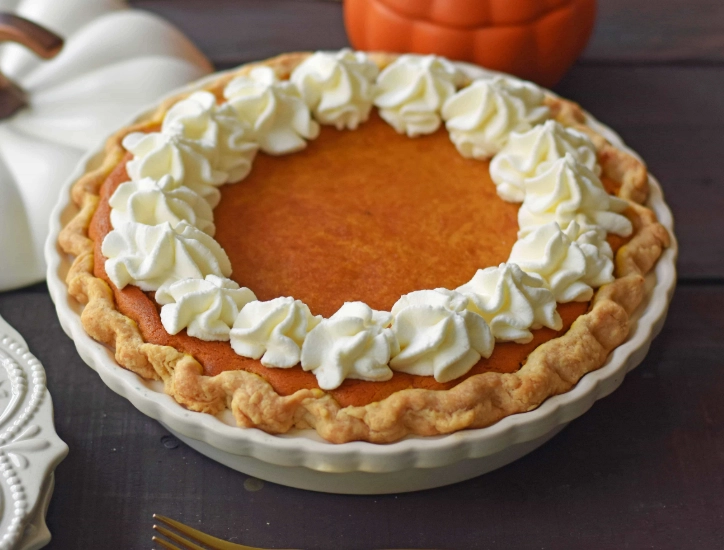
Carefully transfer the baking sheet to the oven (lower third rack, remember?). Bake at 375°F (190°C) for 45-55 minutes. The pie is done when the edges are puffed and the center still has a slight, gentle wobble—like set Jell-O—when you nudge the pan. It will continue to set as it cools. If the crust edges brown too quickly, shield them with strips of aluminum foil.
This next step is arguably more important than the baking: Cooling. Let the pie cool on a wire rack for at least 4 hours, ideally overnight in the fridge. Cutting into a warm pumpkin pie is the #1 reason for a soupy slice. The custard needs time to fully set its structure. Patience rewards you with clean, beautiful slices.
Serve with barely sweetened whipped cream. That's it. You've done it.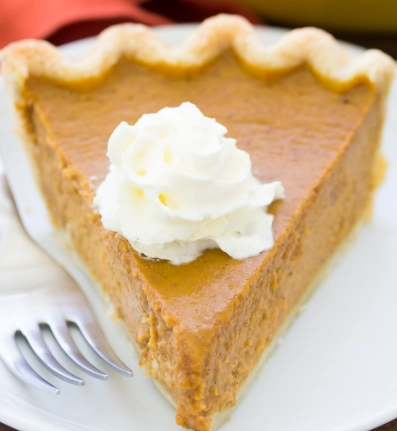
Leave a Comment