My first attempt at homemade cinnamon rolls was a disaster. The dough was tough, the center was dry, and the frosting was a grainy, sweet mess. I followed a popular recipe to the letter, but it left out the little things—the feel of the dough, the look of the yeast foam, the sound of a gentle roll. After more burnt pans and hockey-puck rolls than I care to admit, I cracked the code. This isn't just a recipe; it's the collected wisdom of every mistake, leading to a batch of cinnamon rolls that are unfailingly soft, deeply spiced, and swirled with just the right amount of goo.
Forget the ones from the mall. This is about creating something better in your own kitchen.
What's Inside?
The Dough Foundation: It's All About the Feel
Most recipes talk about cups and grams. I want to talk about texture. The goal is an enriched dough—soft, slightly sweet, and tender from butter, milk, and eggs. The single biggest error beginners make is killing their yeast with liquid that's too hot. Your milk and melted butter mixture should feel warm to your wrist, like a baby's bottle, not hot. If it's uncomfortable for your skin, it's murder for the yeast.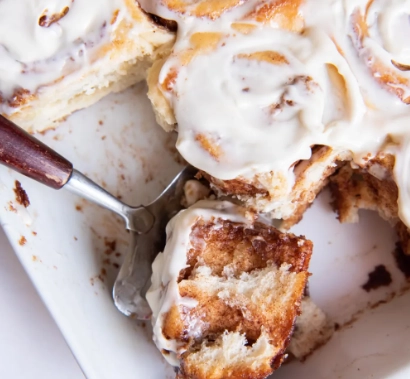
Here's the non-negotiable: proof your yeast. Sprinkle it over the warm liquid with a pinch of the sugar. Wait 5-10 minutes. If you don't see a foamy, creamy layer on top (like the head of a beer), your yeast is dead. Start over. No foam, no rise. It's that simple.
The kneading is where you develop the gluten network that gives the rolls structure. In a stand mixer with a dough hook, this takes 5-7 minutes on medium speed. By hand, plan for 8-10 minutes of kneading. You're done when the dough is smooth, elastic, and just barely tacky to the touch—not sticky. If it's sticking to your hands like glue, add a tablespoon of flour at a time. If it's dry and cracking, add a teaspoon of milk. Adjust by feel.
Step-by-Step Recipe for Perfect Cinnamon Rolls
This recipe makes 12 generous rolls. It's designed for a standard 9x13 inch baking pan.
Pro-Tip for Planning: The entire process, including rises, takes about 3 hours. For a relaxed weekend bake, start in the late morning. For fresh breakfast rolls, use the overnight refrigerator method detailed in the FAQ below.
Ingredients You'll Need
| For the Dough | For the Filling | For the Frosting |
|---|---|---|
| 1 cup whole milk, warmed | 1/2 cup (1 stick) unsalted butter, very soft | 4 oz (113g) full-fat cream cheese, softened |
| 1/3 cup granulated sugar | 1 cup packed dark brown sugar | 1/4 cup (1/2 stick) unsalted butter, softened |
| 2 1/4 tsp (1 packet) active dry yeast | 2 1/2 tbsp ground cinnamon | 1 cup powdered sugar, sifted |
| 2 large eggs, at room temp | 1/4 tsp fine sea salt | 1/2 tsp pure vanilla extract |
| 1/3 cup unsalted butter, melted | Pinch of salt | |
| 4 1/2 cups all-purpose flour, plus more for dusting | 1-2 tbsp milk, if needed | |
| 1 tsp fine sea salt |
The Method: A Visual Guide
1. Make the Dough: Whisk the warm milk, sugar, and yeast in the bowl of a stand mixer. Let it proof for 5-10 minutes until foamy. Add the eggs and melted butter, whisk to combine. Fit the dough hook. Add 4 cups of flour and the salt. Mix on low until combined, then on medium for 5-7 minutes. The dough should clear the sides of the bowl. If it's very sticky, add the remaining 1/2 cup flour, a little at a time.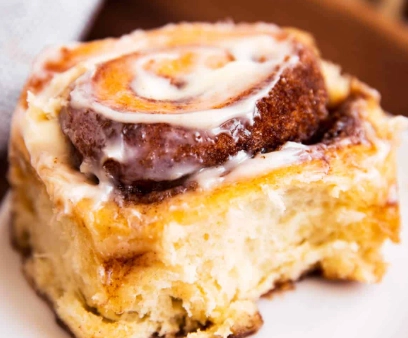
2. First Rise: Shape the dough into a ball. Place it in a lightly greased bowl, turning to coat. Cover with a damp kitchen towel or plastic wrap. Let it rise in a warm, draft-free spot until doubled in size, about 1 to 1.5 hours. A good test: gently poke the dough with a finger. If the indentation remains, it's ready.
3. Shape the Rolls: Punch down the dough. Turn it onto a lightly floured surface. Roll it into a 16x12 inch rectangle. Spread the 1/2 cup of very soft butter evenly over the surface, leaving a 1/2-inch border on one long edge. Mix the brown sugar, cinnamon, and salt. Sprinkle it evenly over the butter, pressing it in gently.
Starting with the long edge opposite the clean border, roll the dough into a tight log. Pinch the clean edge to seal. Using a sharp serrated knife or unflavored dental floss, cut the log into 12 even pieces. Place them cut-side up in a greased 9x13 inch pan. They should be snug but not crammed.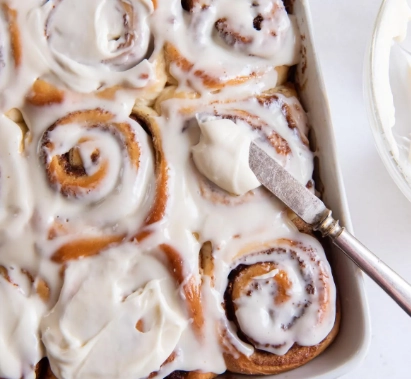
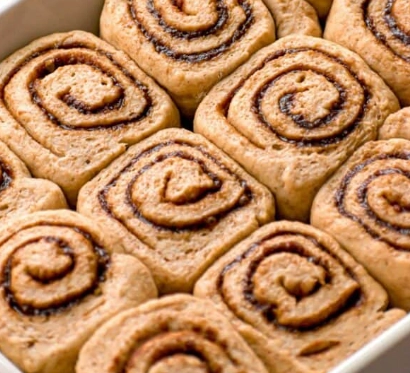
4. Second Rise: Cover the pan and let the rolls rise again until puffy and nearly doubled, about 30-45 minutes. They should look relaxed and be touching each other.
5. Bake: Preheat your oven to 350°F (175°C). Bake the rolls for 22-26 minutes, until they are golden brown on top. An instant-read thermometer inserted into the center of a roll should read at least 190°F (88°C).
6. Frost: While the rolls bake, make the frosting. Beat the cream cheese and butter until smooth. Beat in the powdered sugar, vanilla, and salt until creamy. If it's too thick, add milk a teaspoon at a time. Let the rolls cool in the pan for 10-15 minutes before spreading the frosting over the top. The residual heat will melt it just enough to create a glorious, drippy glaze.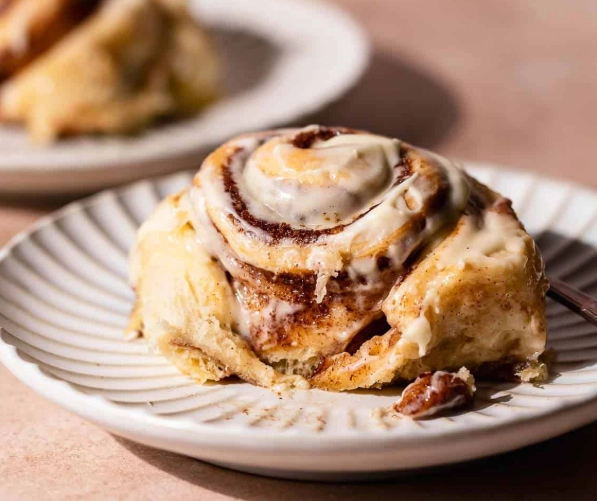
3 Common Mistakes That Ruin Cinnamon Rolls
Let's move beyond the recipe and talk about what can go wrong. I've made these errors so you don't have to.
Mistake 1: Using Cold Ingredients. Yeast is a living organism. Adding cold eggs or milk to your warm yeast mixture will shock it and slow fermentation. Always use room-temperature eggs. Take them out an hour before you start, or place them in a bowl of warm water for 10 minutes.
Mistake 2: Rolling the Log Too Tight. It seems logical—tight roll, tight swirl. Wrong. If you roll the dough too tightly, the center of the log has nowhere to go during the second rise and baking except out the sides. You get blowouts and misshapen rolls. Roll firmly but with a gentle hand. The swirl should be snug, not strangled.
Mistake 3: Overbaking. This is the death knell for tenderness. The moment the tops turn a rich golden brown, they're done. The carryover heat will finish the job. Overbaking by even 3-4 minutes will give you dry, bready edges. Use a timer and trust the color, not just the clock.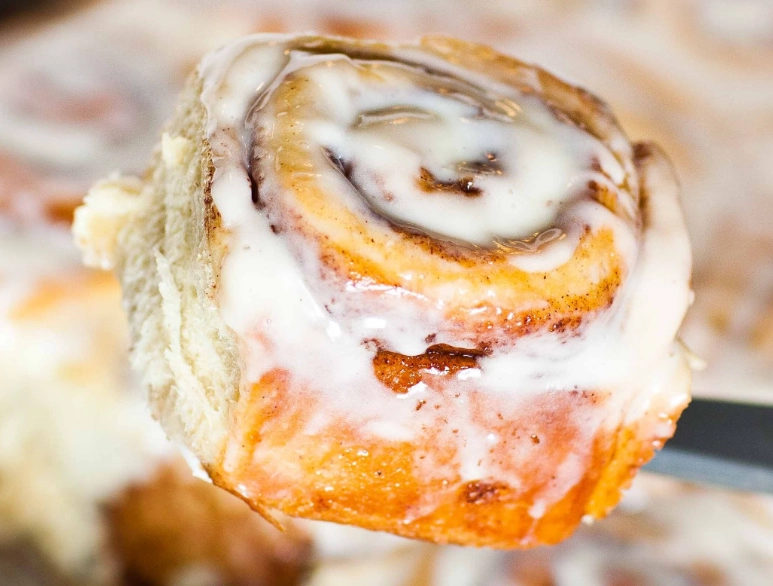
The Frosting Finale: Cream Cheese Perfection
The frosting isn't an afterthought. A grainy, overly sweet glaze can ruin the experience. The key is full-fat, brick-style cream cheese. The spreadable tub kind has stabilizers and more water, leading to a runny frosting.
Ensure your cream cheese and butter are truly softened. Leave them on the counter for a good hour. If you try to beat cold chunks, you'll never get a smooth consistency. Sift your powdered sugar. It seems fussy, but it eliminates lumps instantly.
My ratio is less sugar than most. I want a tangy, creamy complement to the sweet roll, not a sugar avalanche. That pinch of salt in the frosting is crucial—it balances the sweetness and enhances all the flavors.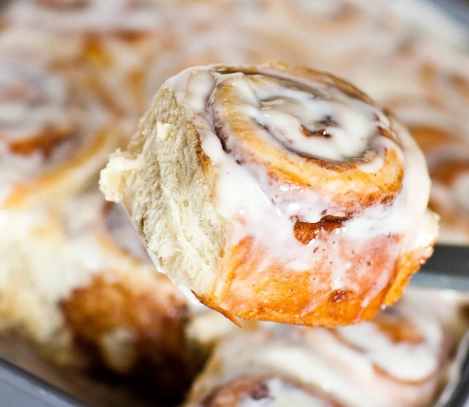



Leave a Comment