Let's be honest. The phrase "healthy snacks for kids" can feel like a trap. You picture beautiful veggie platters that get ignored, or you spend an hour on something only to hear "I'm not hungry." I've been there. After years of packing lunches and navigating the 3 PM meltdown (which is often just disguised hunger), I've realized the secret isn't fancy superfoods. It's about simple, no-bake snacks that are fun, fast, and actually get eaten. This guide ditches the complexity and focuses on what works: recipes that balance nutrients with the kind of appeal that wins over even the pickiest eaters.
What's Inside This Snack Guide?
The Core Principles of Kid-Friendly Snacking
Before we get to the recipes, let's talk strategy. Most advice focuses solely on nutrition, which misses the point. If the snack doesn't get eaten, its nutritional value is zero. The goal is consumption first, perfection later.
Here’s the non-consensus part: stop trying to "hide" vegetables in everything. Kids are smarter than we give them credit for. The long-term win is helping them recognize and like healthy foods, not tricking them. Instead of hiding spinach in a brownie (which often alters the taste and texture), pair a familiar favorite with a new, visible healthy element.
A useful framework is the "Pairing Principle" recommended by many child nutritionists, which aligns with the USDA's MyPlate guidance for balancing food groups. Think of combining two elements:
- Protein/Fat + Fiber: This combo provides lasting energy and stabilizes blood sugar, preventing the next crash. Think apple slices with peanut butter, or cheese with whole-grain crackers.
- Familiar + Novel: Serve a food they love (yogurt) with one they're learning to like (a few berries or a sprinkle of chia seeds).
The Biggest Mistake I See
Offering snacks too close to a main meal. It kills their appetite for dinner and turns snack time into a bargaining war. Aim for a solid 1.5 to 2 hours between snacks and meals. If they're "starving" 30 minutes before dinner, offer cucumber slices or a small handful of snap peas—something light that won't ruin the meal.
5-Minute No-Bake Snack Recipes
These are my workhorses. No oven, minimal mess, maximum payoff. The key is to have the ingredients on hand. I keep a "snack station" in the pantry and fridge with these staples.
| Snack Idea | What You Need | How to Make It (Let Them Help!) | Why It Works |
|---|---|---|---|
| Fruity Yogurt Bark | 2 cups plain Greek yogurt, 2 tbsp honey/maple syrup, 1/2 cup mixed berries (chopped), 1/4 cup granola. | Mix yogurt and sweetener. Spread on a parchment-lined tray. Sprinkle berries and granola. Freeze for 3 hours. Break into pieces. | High in protein, calcium. The freezing process makes it fun and slows down eating. Customizable with any fruit. |
| No-Bake Energy Balls | 1 cup rolled oats, 1/2 cup peanut butter, 1/3 cup honey, 1/4 cup mini chocolate chips, 2 tbsp ground flaxseed. | Stir everything in a bowl until mixed. Chill for 30 mins. Roll into 1-inch balls. Store in fridge. | Perfect balance of complex carbs, protein, healthy fats. Portable. The flaxseed adds fiber and omega-3s they'll never notice. |
| Apple "Cookies" | 1 apple, 2 tbsp nut/seed butter, toppings: raisins, coconut flakes, crushed cereal. | Core apple, slice horizontally into thick rounds. Spread with nut butter. Let kids decorate with toppings. | Transforms a simple fruit into an engaging activity. The crunch of the apple is satisfying. Uses the Pairing Principle perfectly. |
| Cucumber Sandwich Bites | 1 large cucumber, 1/2 cup cream cheese or hummus, 1 slice of turkey or ham (optional). | Peel cucumber, slice into thick rounds. Spread with cream cheese. Add a small fold of turkey if using. Top with another cucumber round. | Hydrating, crunchy, and savory. A great alternative to carb-heavy crackers. The assembly line process is fun for little hands. |
See the pattern? Each recipe has a hands-on element. When kids help make the snack, they are infinitely more likely to eat it. My youngest used to refuse oatmeal but will devour three energy balls because he rolled them himself. Ownership matters.
How to Make Snack Time Fun (and Healthy)
Presentation is everything for the under-8 crowd. You don't need fancy bento boxes. A simple ice cube tray or muffin tin can revolutionize snack time.
The "Snack Plate" Method
Instead of serving one item, create a small plate with 3-4 different components in little piles. Think: a few cheese cubes, 5-6 whole-grain pretzels, three strawberry halves, and two broccoli florets with a tiny dip. It feels like a buffet, reduces pressure to eat any one thing, and exposes them to variety. This method is backed by the idea of repeated exposure, which is key to developing food acceptance.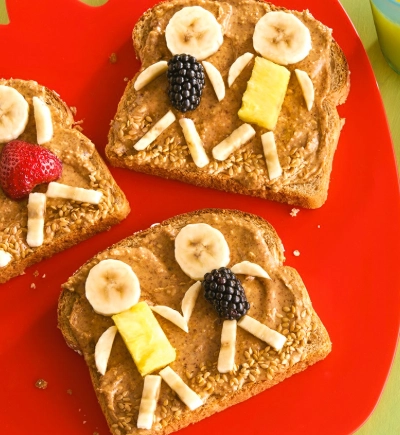
Dip It, Spread It, Stack It
Kids love interaction. Provide a vehicle and a dip. It's not "eat these carrots," it's "let's see how much hummus you can get on this carrot stick." Other winning combos:
- Plain yogurt mixed with a bit of ranch seasoning for veggie dipping.
- Mashed avocado with a squeeze of lime as a spread for rice cakes.
- Warm bean dip (just canned beans, warmed and mashed) for tortilla triangles.
The goal is to move away from pre-packaged, uniform snacks and towards foods with different textures, colors, and jobs to do. It's more engaging and naturally more nutrient-dense.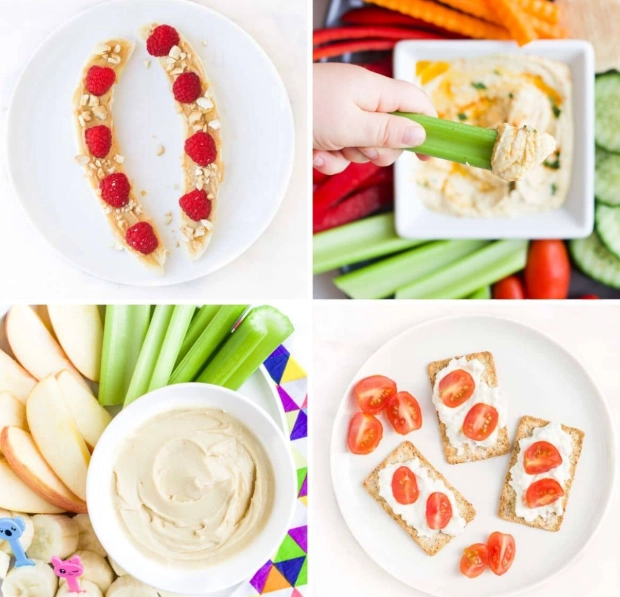
Your Snack Time Questions, Answered
Remember, the objective isn't to create a perfect, Instagram-worthy snack every time. It's to provide consistent, mostly wholesome options without driving yourself crazy. Keep the recipes simple, involve the kids when you can, and don't stress over the occasional goldfish cracker. Building a healthy relationship with food is a marathon, not a sprint. Start with one new recipe this week and see what happens.

Leave a Comment