That question used to haunt me. A decade ago, when I first had to cut out gluten, my kitchen saw more crumbly, dense failures than I care to admit. I thought baking was over. Turns out, I was just asking the wrong question. It's not "what can I bake," but "how do I bake it right?" The answer? Almost anything. Chocolate cake so fudgy no one misses the wheat. Bread with an actual crumb. Cookies that snap and chew. Let's get you there.
What’s Inside This Guide
The Non-Negotiable Flour Basics (Skip This & Fail)
Forget one-to-one swaps with all-purpose wheat flour. That's a shortcut to disappointment. Gluten-free baking is about building a team of ingredients that work together.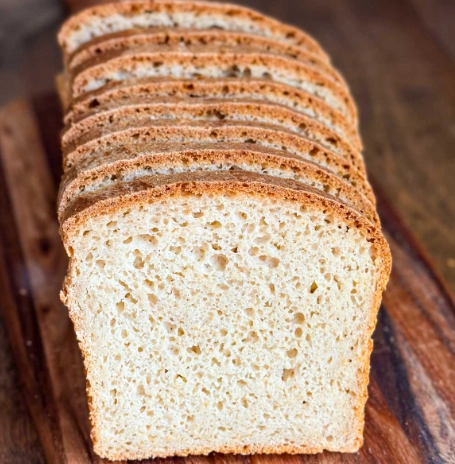
You need a mix of flours (for structure and flavor) and starches (for tenderness and lift).
Pro Tip: Don't buy a dozen individual bags. Start with a reliable store-bought 1:1 all-purpose gluten-free blend (like Bob's Red Mill, King Arthur, or Cup4Cup). They've done the blending science for you. Once you're comfortable, then experiment with making your own.
Here’s the breakdown of the usual suspects:
>Not potato flour! Very different.| Flour/Starch | Best For | Flavor & Texture Note |
|---|---|---|
| Almond Flour | Cookies, dense cakes, crusts | Nutty, moist, adds fat. Can be dense. |
| Oat Flour (certified GF) | Cookies, muffins, crumbles | Heartier, chewy texture. Great flavor. |
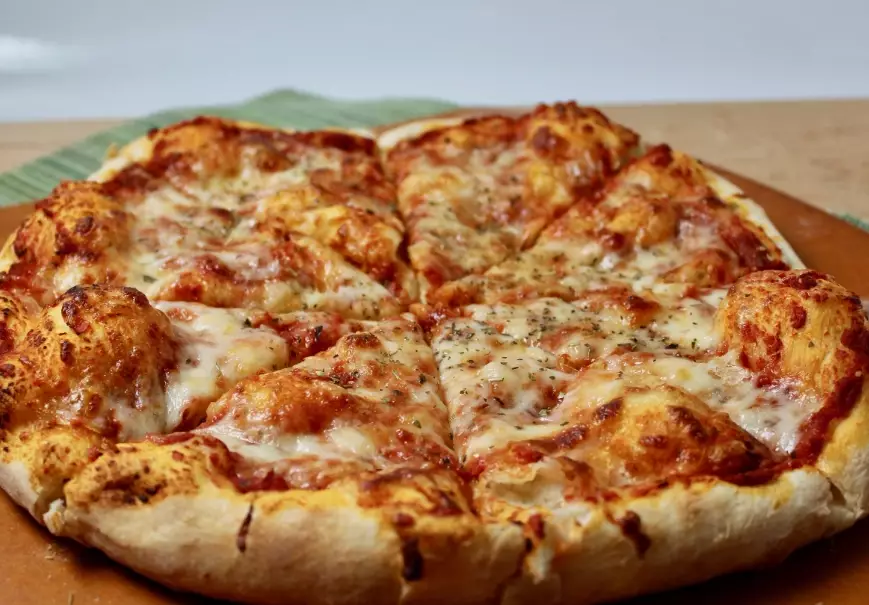
| Brown Rice Flour | Breads, pizza crusts (in blends) | Neutral flavor, can be gritty if not fine. |
| Tapioca Starch/Flour | Chewiness in breads, crispness | Adds elasticity and a slight stretch. |
| Potato Starch | Moisture, tenderness in cakes |
The magic glue? Binders. Xanthan gum or guar gum (usually 1/4 to 1/2 tsp per cup of flour) is in most blends. For bread, psyllium husk powder is a game-changer—it creates a dough you can actually handle.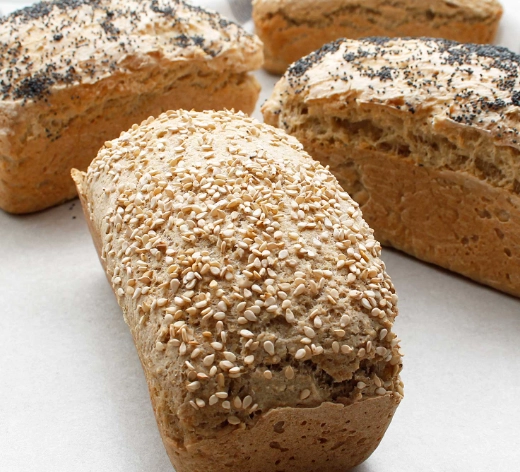
3 Gluten-Free Baking Mistakes Everyone Makes
I’ve made these. You probably will too. Let's skip that phase.
1. Not measuring by weight. Gluten-free flours vary wildly in density. A cup of almond flour weighs nothing like a cup of rice flour. A $20 digital kitchen scale is your best investment. It removes all guesswork.
2. Under-mixing, then over-mixing. With no gluten to over-develop, you'd think you can't over-mix. Wrong. Over-mixing a batter with lots of starch can make it gummy. Mix until the ingredients are just combined and smooth. No more.
3. Relying on visual cues alone for doneness. That toothpick test can lie. Gluten-free goods often need to bake longer at a slightly lower temperature to set in the center without burning edges. A digital thermometer is your truth-teller. Cakes and quick breads are done at 205-210°F (96-99°C) internally.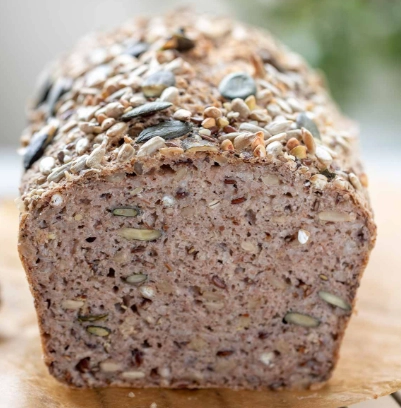
What to Bake: Recipes & Categories
Start where success is easiest and build confidence.
Beginner-Friendly Wins
Flourless Chocolate Cake: It's naturally gluten-free and always impressive. Just chocolate, butter, eggs, sugar.
Macarons: Made with almond flour and egg whites. A technical challenge, but gluten isn't one of them.
Cheesecake: Use a gluten-free cookie or nut crust, and the filling is naturally safe.
Mug Cakes: Single-serving, fast, and easy to experiment with.
Everyday Favorites (Easily Adapted)
These are your workhorses. Use a good 1:1 flour blend.
Muffins & Quick Breads: Banana bread, zucchini bread, blueberry muffins. The added moisture from fruit/veg is forgiving.
Brownies & Blondies: Dense and fudgy textures translate beautifully.
Pancakes & Waffles: Often better gluten-free! The batter benefits from resting for 10 minutes to hydrate the flours.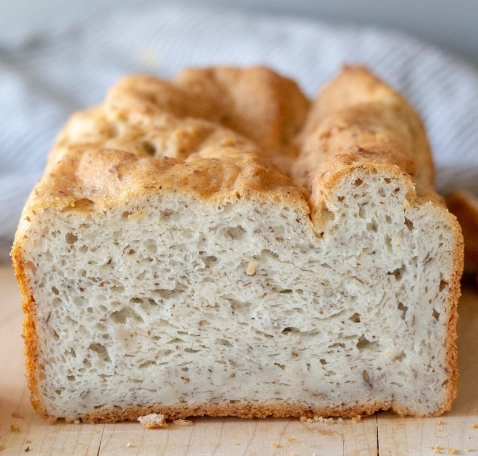
The Ultimate Test: A Foolproof Gluten-Free Chocolate Cake
This is my go-to. It’s adapted from a classic, but with a few tweaks that make it bulletproof. It’s moist, rich, and no one will guess it’s gluten-free.
You'll need:
- 1 3/4 cups (220g) high-quality 1:1 gluten-free flour blend (with xanthan gum)
- 3/4 cup (65g) unsweetened cocoa powder (not Dutch-process for this one)
- 1 1/2 tsp baking powder, 1 1/2 tsp baking soda, 1 tsp salt
- 2 cups (400g) granulated sugar
- 2 large eggs, at room temperature
- 1 cup (240ml) whole milk (or buttermilk for extra tang)
- 1/2 cup (120ml) vegetable oil
- 2 tsp pure vanilla extract
- 1 cup (240ml) hot, strong brewed coffee (the secret ingredient—it deepens the chocolate flavor)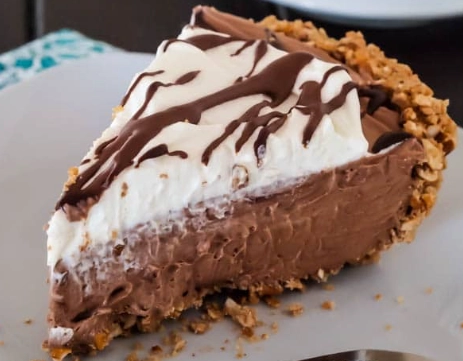
Do this:
1. Preheat oven to 350°F (175°C). Grease and line two 9-inch cake pans.
2. Whisk dry: In a large bowl, sift together the flour blend, cocoa, baking powder, baking soda, and salt. Whisk in the sugar.
3. Add wet: Make a well. Add eggs, milk, oil, and vanilla. Beat with a hand mixer on medium for 2 minutes. The batter will be thick.
4. The key step: Reduce mixer speed to low. Carefully pour in the hot coffee. The batter will become very thin. That’s perfect.
5. Divide batter between pans. Bake for 30-35 minutes. Don't trust the toothpick. Use a thermometer—it's done at 205°F.
6. Cool in pans for 10 minutes, then turn out onto a rack. Frost when completely cool.
Conquering Gluten-Free Bread
This is the holy grail. The trick isn't just the flour; it's creating a structure that can trap air.
My breakthrough came with psyllium husk powder. Mixed with water, it forms a gel that gives the dough elasticity and allows it to rise without collapsing. A recipe from the Beyond Celiac resource library was my starting point.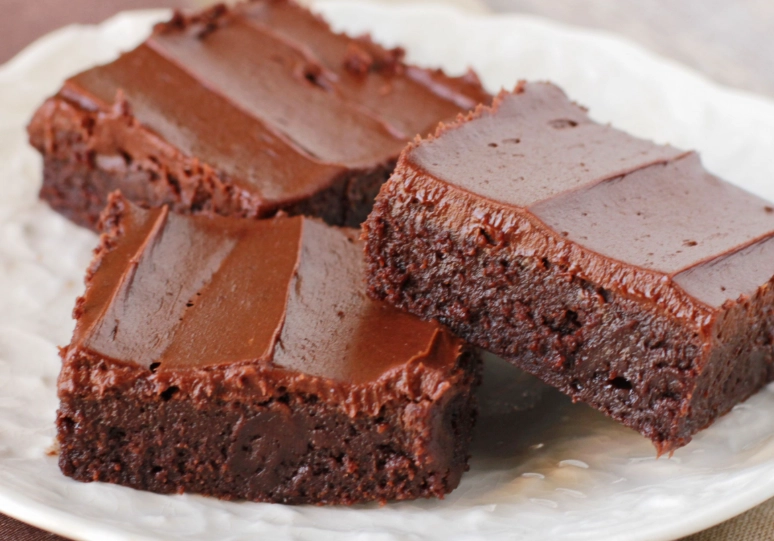
Simple Sandwich Bread Approach:
Find a recipe that uses a blend of brown rice flour, tapioca starch, and potato starch. It should include psyllium (about 2 tbsp for a loaf), and likely an egg or two for structure. The dough will be like a very thick batter—pour it into the loaf pan, don't knead it. Let it proof until it crests just above the pan rim (this takes longer than wheat bread, maybe 60-90 minutes). Bake until deeply golden and it sounds hollow when tapped.
It won't be identical to fluffy white bread. It's denser, more nutrient-dense, and makes incredible toast.
Cookies, Bars & No-Bake Treats
This is where gluten-free baking truly shines.
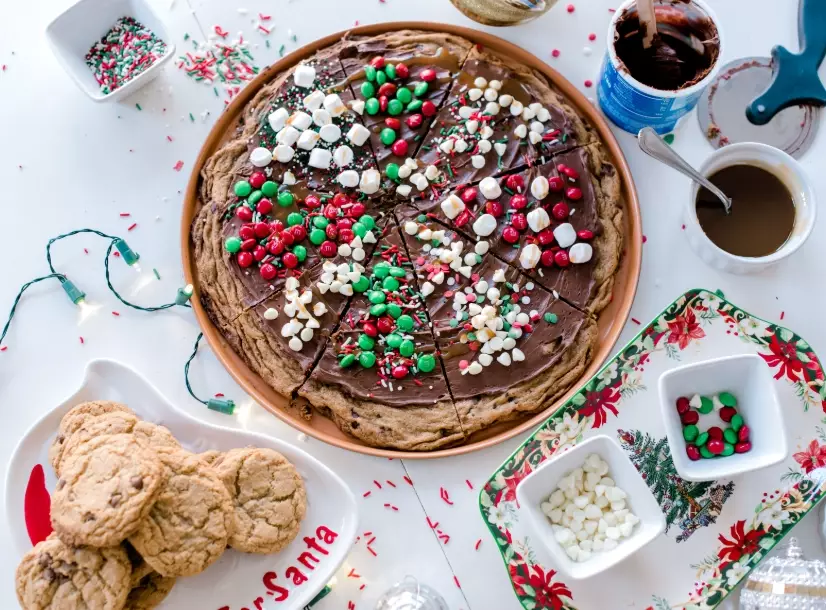
For Chewy Chocolate Chip Cookies: Use a blend with oat flour or almond flour. Chill the dough for at least 2 hours—this is non-negotiable for preventing spread and developing flavor.
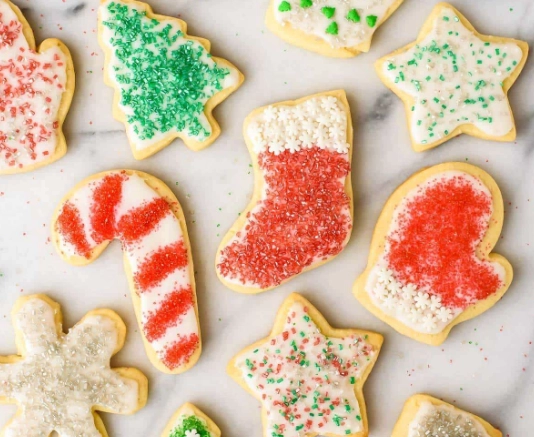
For Snickerdoodles or Sugar Cookies: A standard 1:1 blend works great. Roll the dough balls in sugar, flatten slightly, and bake.
No-Bake Options: Energy balls (dates, nuts, cocoa), rice crispy treats (with certified GF crisped rice cereal), and chocolate bark are all naturally gluten-free and require zero baking skills.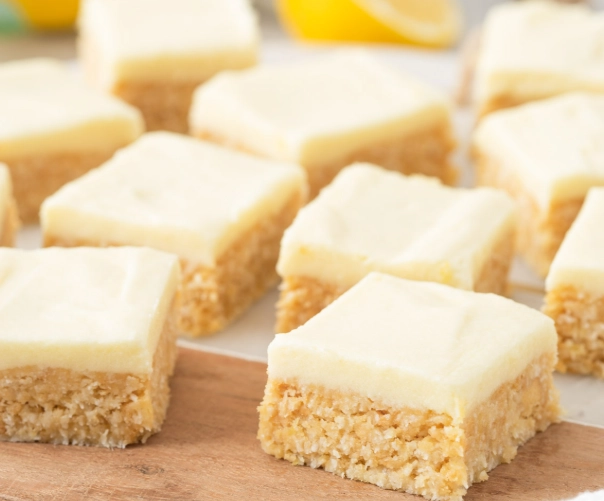
Your Gluten-Free Baking Questions, Answered
So, what can you bake gluten-free? The real list is what you can't bake—and that list is incredibly short. It's not about limitation anymore. It's about understanding a new set of rules. Start with a forgiving recipe, measure by weight, and embrace the tools (thermometer, psyllium, good blends). Your oven is ready for you.
Leave a Comment