Let's cut to the chase: most pie dough recipes overcomplicate things. You don't need fancy tools or a pastry degree. After burning through more butter than I care to admit over a decade of baking, I've nailed a simple pie dough recipe that delivers flaky, tender crusts every single time. Forget the fear—this is about understanding why each step matters, so you can stop relying on luck and start baking with confidence.
What You'll Find Inside
Why This Simple Pie Dough Recipe Works (The Science Made Simple)
I used to think pie dough was magic. Then I ruined a batch by using warm butter. The key is cold fat—butter or shortening—that creates steam pockets during baking, leading to flakiness. This recipe focuses on minimal handling to prevent gluten development, which makes crusts tough. A study from the American Institute of Baking highlights that overworking dough is the top cause of failure in home baking. We'll keep it simple: mix, chill, roll.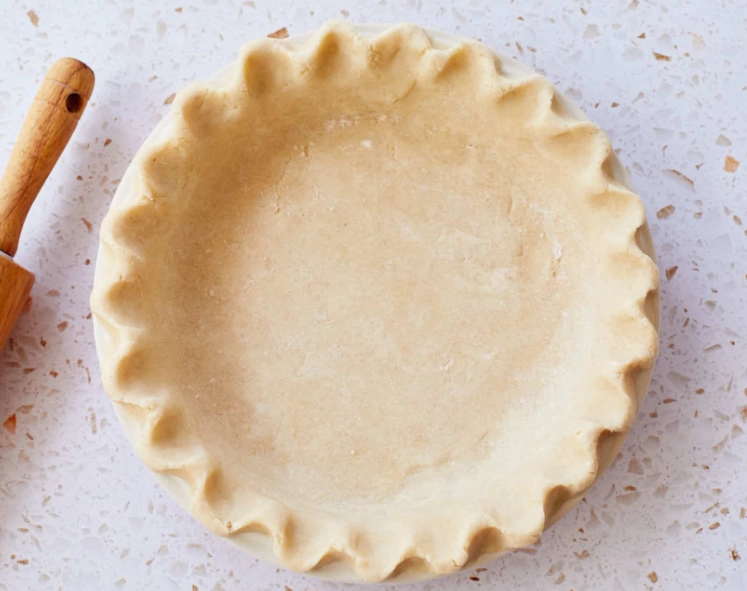
Most recipes skip the "why." Here's mine: cold ingredients keep the fat solid until it hits the oven. That steam lifts the layers. It's not rocket science, but it's easy to mess up if you're not paying attention.
Ingredients Breakdown: What You Need and Why
You only need four basics: flour, fat, water, and salt. Let's break it down so you know what each does.
| Ingredient | Amount (for a double crust) | Role in the Dough | Pro Tip |
|---|---|---|---|
| All-purpose flour | 2 1/2 cups (300g) | Provides structure; too much makes it tough. | Use a scale for accuracy—cups vary wildly. |
| Unsalted butter | 1 cup (226g), cold | Creates flakiness; cold fat is non-negotiable. | Freeze it for 15 minutes before using. |
| Ice water | 1/4 to 1/2 cup (60-120ml) | Binds dough without activating gluten. | Add tablespoon by tablespoon; stop when it clumps. |
| Salt | 1 teaspoon | Enhances flavor and controls gluten. | Fine sea salt dissolves evenly. |
Some recipes add sugar or vinegar, but they're optional. I skip them—this simple pie dough recipe relies on technique, not extras. If you want a sweeter crust for fruit pies, add a tablespoon of sugar. But for savory quiches, keep it plain.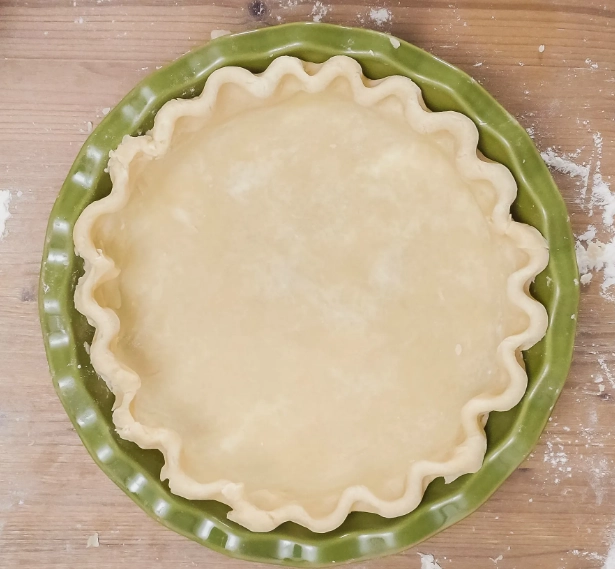
Personal Aha Moment: I once used salted butter and forgot to adjust salt. The crust tasted like the ocean. Lesson learned: unsalted butter gives you control. Now I keep a stick in the freezer just for pie days.
Step-by-Step Guide to Perfect Pie Dough
Follow these steps slowly. Rushing is the enemy. I'll walk you through it as if we're in my kitchen together.
Step 1: Combine Dry Ingredients
Whisk flour and salt in a large bowl. Do this first so everything is evenly distributed. No need to sift unless your flour is lumpy.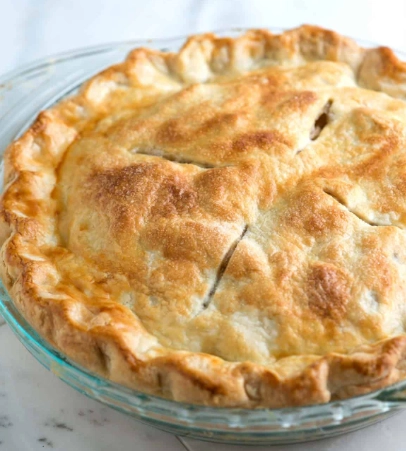
Step 2: Cut in the Fat
Add cold, cubed butter. Use a pastry cutter or your fingers—just work quickly. You want pea-sized pieces of butter coated in flour. If the butter starts to melt, pop the bowl in the fridge for 5 minutes.
I prefer a pastry cutter because it keeps hands cool. But fingers work if you're fast. The goal is not to cream the butter; leave chunks for flakiness.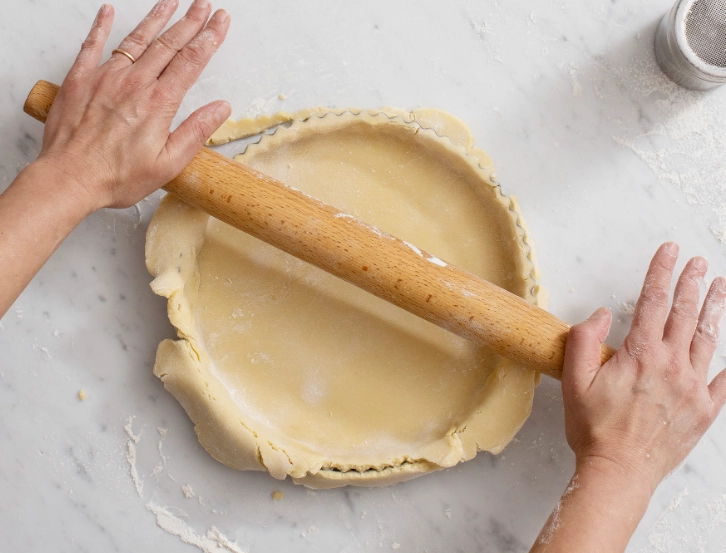
Step 3: Add Ice Water
Sprinkle ice water over the mixture, one tablespoon at a time. Toss with a fork until the dough just comes together. It should look shaggy, not wet. Stop when you can squeeze a handful and it holds shape.
This is where most people fail. They add too much water, making the dough sticky. If that happens, sprinkle a bit more flour, but don't overmix.
Step 4: Chill and Roll
Divide dough into two discs, wrap in plastic, and chill for at least an hour. This relaxes the gluten and firms up the fat. Roll out on a floured surface to about 1/8-inch thick.
Chilling is non-negotiable. I've tried skipping it—the dough shrinks like crazy in the oven. An hour minimum, but overnight is fine too.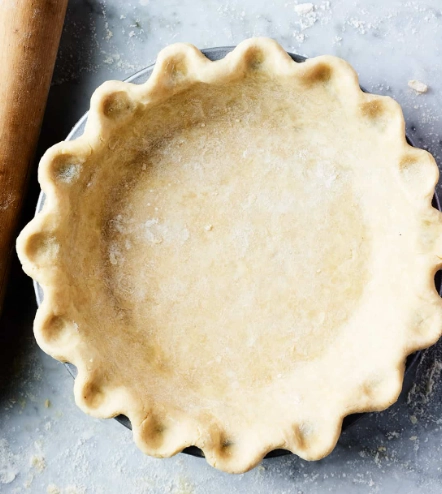
Common Mistakes and How to Sidestep Them
Even with a simple pie dough recipe, pitfalls abound. Here are the big ones I've seen (and made myself).
Overworking the Dough: You mix until it's smooth like bread dough. Stop earlier. It should be rough. Gluten development equals toughness.
Using Warm Ingredients: Butter melts, water isn't icy. Everything must be cold. I keep a bowl of ice water nearby to dip my hands.
Not Chilling Long Enough: Impatience leads to shrinkage. Set a timer. Go watch a show.
Rolling Too Thin or Thick: Aim for 1/8-inch. Too thin burns; too thick stays doughy. Use guide sticks or a rolling pin with rings.
A resource from King Arthur Baking Company emphasizes that proper chilling reduces shrinkage by up to 50%. It's worth the wait.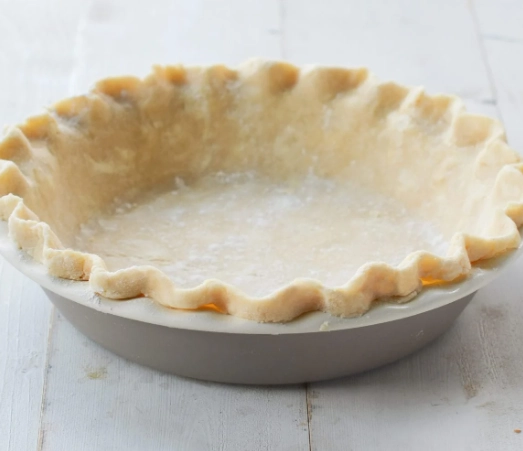
Your Pie Dough Questions Answered
Baking should be fun, not stressful.
This simple pie dough recipe is your foundation. Master it, and you can tackle any pie—sweet or savory. Remember: cold ingredients, minimal handling, and patience. Go bake something amazing.


Leave a Comment