You see those perfectly decorated cookies online and think you could never do that. I thought the same thing a decade ago. The truth is, stunning cookie art starts with a few fundamental skills anyone can learn. It's less about innate talent and more about understanding your materials—specifically, royal icing—and practicing a handful of core techniques. This guide strips away the intimidation and gives you the exact roadmap I wish I'd had when I started, focusing on the tools, the icing, and the moves that matter.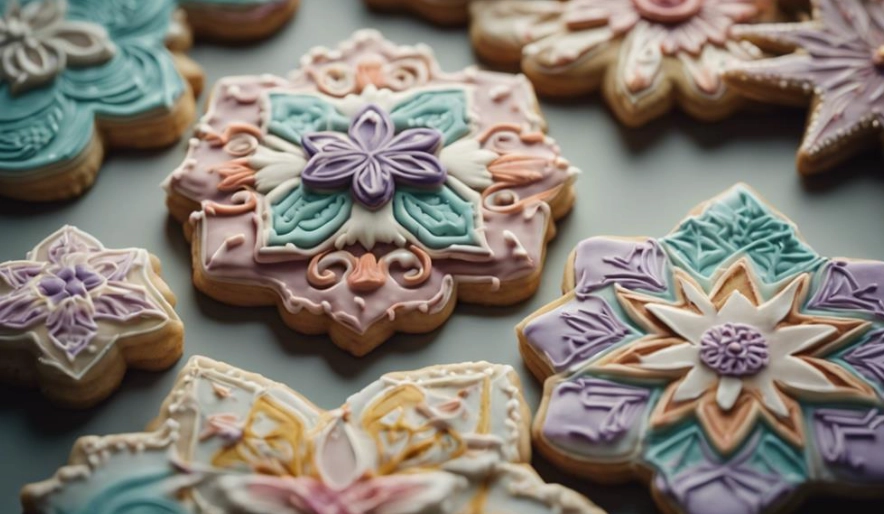
What You'll Learn in This Guide
The Non-Negotiable Starter Toolkit
You don't need a pro kitchen. You need the right few items. Skip the giant 100-piece set. Here's what actually works.
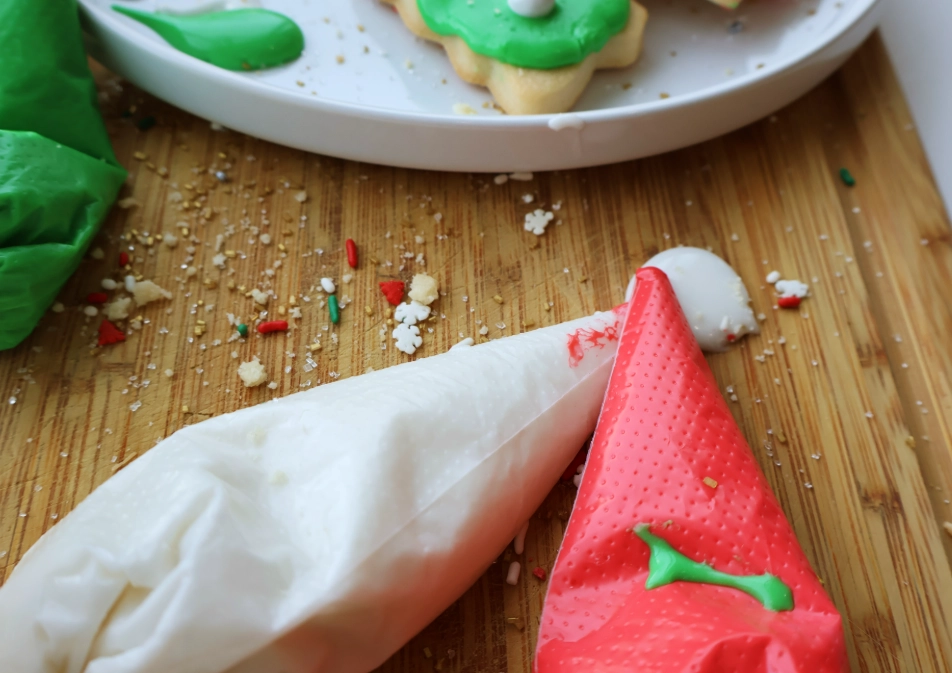
Piping Bags and Tips: Disposable bags are a lifesaver for cleanup. For tips, start with just three: a #2 round tip for fine outlines and details, a #3 or #4 round tip for slightly thicker outlines and writing, and a #12 round tip for filling larger areas. Brands like Wilton or Ateco are reliable and easy to find.
Couplers: This little plastic piece is a game-changer. It lets you switch tips on the same bag of icing without emptying it. Get a pack.
Squeeze Bottles: For flood icing (the runny icing that fills spaces), a few plastic squeeze bottles with fine tips are far easier for beginners than piping bags. You have more control over the flow.
Toothpicks or Scribe Tool: This is your secret weapon for fixing mistakes and guiding icing into corners. A toothpick works perfectly.
Gel Food Coloring: Liquid coloring waters down your icing. Use gel pastes like AmeriColor or Chefmaster. They're vibrant and won't change your icing's consistency. Start with red, blue, yellow, green, and black—you can mix almost anything from these.
Your Icing Foundation: Recipe & Consistency
Royal icing is your paint. It dries hard and smooth. A standard recipe uses confectioners' sugar, meringue powder (a safe, shelf-stable egg white substitute), and water. The Wilton royal icing recipe is a fantastic, tested starting point.
The magic—and the hurdle—is achieving the right consistency. Think of it in two stages:
| Consistency | What It Does | How to Test It |
|---|---|---|
| Outline / Stiff Peak | Holds its shape for piping borders, details, and writing. It should form a sharp peak that doesn't flop over. | Scoop some icing with a knife or spatula and lift it straight up. The peak should stand straight up. |
| Flood / 10-Second Icing | Flows smoothly to fill an area but isn't so runny it spills over the outline. This is what gives you that smooth, glassy finish. | Drag a knife through the icing in your bowl. Count how long it takes for the line to disappear. Aim for 10-15 seconds. |
Here's my process: I make one big batch of stiff icing. I take out what I need for outlining into one bowl. Then, to the remaining icing, I add water—literally drop by drop—mixing thoroughly between each addition, until it reaches that 10-second flood consistency. It's easier to thin icing than to thicken it.
Three Core Decorating Techniques Explained
With your tools ready and icing divided, let's decorate. Imagine you're decorating a simple round cookie for a friend's birthday.
1. Outline and Flood (The Bread & Butter)
This is the fundamental two-step process for any filled area.
Step 1: Outline. Using your #3 tip with stiff icing, pipe a continuous line around the edge of your cookie. This acts as a dam for the flood icing. Connect the end to the beginning smoothly. If you break the line, the flood will leak.
Step 2: Flood. Switch to a squeeze bottle with your 10-second icing. Fill the outlined area, starting from the middle and working outwards. Don't overfill right to the brim of the outline—get it close, then use your toothpick to gently nudge the icing into any gaps and pop air bubbles. This part is oddly satisfying.
Let this base layer dry completely. I mean, completely. This can take 4-6 hours at room temperature. Touching it too soon is a recipe for dents and smudges.
2. Wet-on-Wet
This technique creates beautiful blends and patterns without multiple drying stages. You work while everything is still wet.
After you flood your cookie base (Step 2 above), immediately add dots, lines, or shapes of a different colored flood icing directly onto the wet surface. Use a toothpick to swirl or marble the colors together. The designs will settle and dry as one smooth layer.
It's perfect for simple marbled hearts, psychedelic swirls, or making little “confetti” sprinkles inside the cookie.
3. Piping Details and Layers
Once your flooded base is bone dry, you add the personality. This is where your #2 tip shines.
Switch back to stiff icing. You can now pipe faces, intricate patterns, lettering, or additional layers (like adding a white snowball on top of a dried blue mitten cookie). Because the base is hard, your details sit neatly on top.
The key here is pressure control. Squeeze gently from the top of the bag, using your other hand to guide the tip. Practice piping dots, lines, and curves on a piece of parchment paper first.
Taking It to the Next Level
Once you're comfortable with the big three, these refinements make a huge difference.
- Cookie Canvas: Start with a good, flat sugar cookie that doesn't spread. Chill your dough, roll it evenly, and let cookies cool fully before decorating. A domed or warm cookie makes icing slide off.
- Color Mixing: Always mix your colors in a separate bowl before adding them to your piping bag or bottle. Trying to mix in the bag leads to streaks and air bubbles.
- The 30-Second Rule: When adding details on a dry base, if you mess up a line, you have about 30 seconds to wipe it off carefully with a damp brush or your finger before it sets. Don't panic, just act quickly.
Simple Design Ideas to Get You Started
Don't stare at a blank cookie. Try these foolproof themes using the techniques above:
Polka Dots: Flood a cookie in one color. Let dry. Use a #2 tip to pipe evenly spaced dots in a contrasting color.
Simple Flowers: Flood a round cookie in green (the leaves). Let dry. Pipe five small pink dots in a circle with a #12 tip, then a yellow dot in the center.
Rainbows: Outline an arch. Flood each color section (red, orange, yellow...) one at a time, letting each dry for 15 minutes before adding the next to prevent bleeding. Or, try a wet-on-wet rainbow for a softer look.
Monograms: Flood a cookie. Let dry. Use a #2 tip to pipe a single elegant letter in the center. It looks sophisticated but takes seconds.
Answers to Your Decorating Questions
 My colors bleed into each other. How do I stop that?



Leave a Comment