You’ve mixed, kneaded, proofed, rolled, filled, and sliced. Your cinnamon rolls are snug in the pan, ready for their final transformation in the oven. Then you come across a recipe—maybe from an old family card or a seasoned baker’s blog—that throws you a curveball: “Pour ½ cup of warm milk evenly over the rolls before baking.”
Wait, what? You’re adding more liquid to dough that’s about to go into a hot, dry oven? It feels counterintuitive, almost like a mistake. I thought the same thing the first time I saw it. I was convinced it would make the rolls soggy. But I tried it, skeptically, and the result was a revelation. The tops were impossibly tender, the color was a perfect deep gold, and the spices smelled richer. It wasn’t a gimmick; it was science.
Let’s cut through the baking myths. Pouring milk (or another liquid) over unbaked cinnamon rolls isn’t just an old wives’ tale. It’s a deliberate technique that solves specific problems home bakers face, leading to a superior texture and flavor. If you’ve ever pulled out a pan where the edges were a bit too dark and dry, or the sugar filling crystallized into a hard layer, this step is your secret weapon.
Let's Unpack the Mystery
The Science in the Pan: What Milk Actually Does
Think of your oven as a fiercely efficient dehydrator. It wants to pull moisture out of everything inside it. The exposed surfaces of your cinnamon rolls—the tops and sides where the dough and cinnamon-sugar mixture meet the hot air—are the most vulnerable. Without protection, they can set and harden quickly, leading to a tougher crust and potentially burnt sugar before the center is fully baked.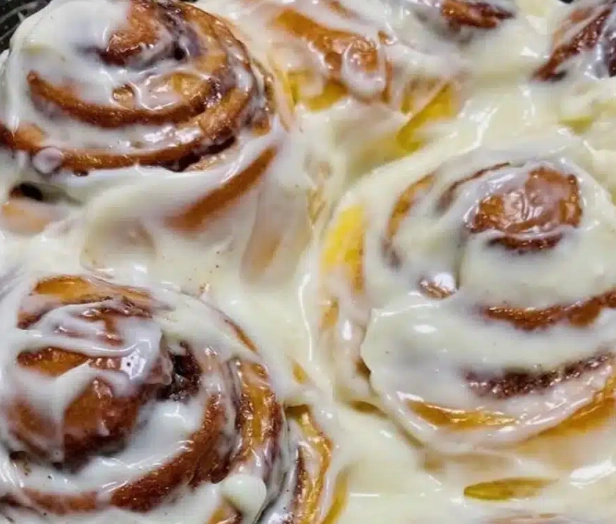
Pouring milk creates a micro-environment. It does three key things simultaneously:
1. It’s a Moisture Shield
The liquid creates a buffer. As the oven heats up, the milk on the surface steams, keeping the dough directly beneath it supple and delaying the formation of a hard crust. This steam is also absorbed back into the dough’s outer layer, contributing to an exceptionally tender, almost melt-in-your-mouth crumb right under the topping. It’s the difference between a roll that’s uniformly soft and one with a slightly leathery top.
2. It Supercharges Browning (The Maillard Reaction)
Browning isn’t just about color; it’s about flavor. The Maillard reaction is the complex chemical process between amino acids and reducing sugars that gives baked goods their delicious, toasty, nutty notes. Milk is packed with both—lactose (a sugar) and proteins (like casein). By adding milk, you’re essentially painting a thin layer of extra browning agents onto the rolls. The result is a more complex, caramelized flavor and a consistently beautiful, deep golden-brown hue that you can’t always achieve with dough alone.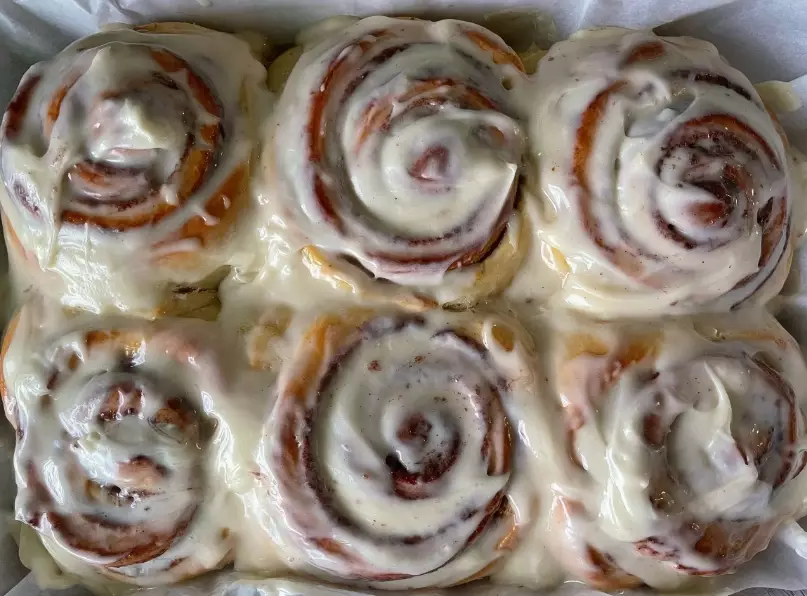
3. It Manages the Sweet Stuff
This is a big one, especially if you sprinkle extra cinnamon-sugar on top or use a sanding sugar. That dry sugar wants to stay dry and can become unpleasantly gritty or, worse, burn. The milk dissolves it just enough, turning it into a wet sand consistency that bakes into a delightful, crackly-sweet glaze. If you’re the type who adds a simple powdered sugar glaze before baking (another underrated trick), the milk helps it integrate instead of sitting on top as a separate, pasty layer.
In a nutshell: Milk prevents dryness, enhances browning and flavor, and tames sugary toppings. It’s a holistic fix for common cinnamon roll texture issues.
Milk vs. The Alternatives: A Quick Guide
Whole milk is the standard for good reason—it has a balanced fat-to-water ratio. But your fridge might hold other options. Here’s what happens when you switch it up.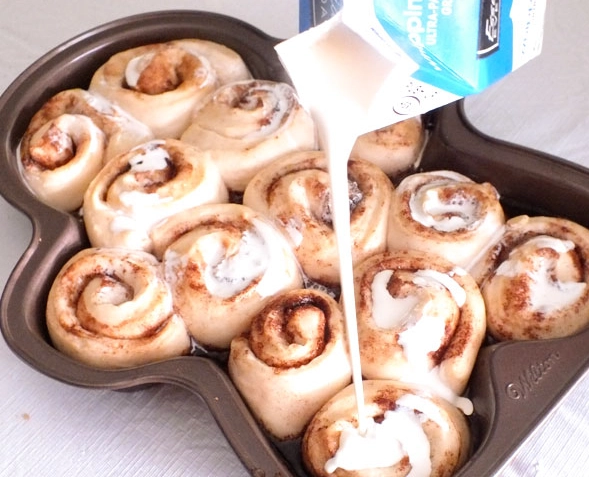
Heavy Cream or Half-and-Half: This is the luxury upgrade. The higher fat content yields an even richer, more tender result with a slightly thicker, more decadent "crust." The trade-off? It can sometimes mute the sharpness of the cinnamon spice a tiny bit. Perfect for a special occasion batch.
Buttermilk: Adds a very subtle tang that can beautifully complement the sweetness. It browns well due to its acidity and sugar content. Your rolls will have a distinct, old-fashioned diner vibe. A fantastic choice.
Dairy-Free Milks:
Canned Coconut Milk (full-fat) is the champion here. Its fat and protein content mimic dairy milk closely, offering great browning and moisture.
Unsweetened Almond or Oat Milk will work in a pinch but expect less dramatic browning and a slightly less rich flavor because they’re lower in fat and protein.
Avoid watery options like rice milk. They’ll steam and add moisture but do little for color or flavor.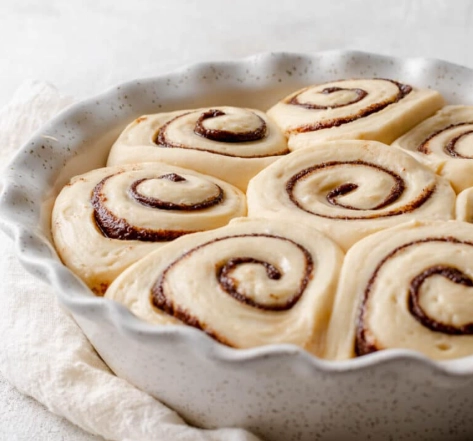
How to Pour Milk on Cinnamon Rolls (The Right Way)
It’s simple, but a few details make all the difference. This isn’t a dumping exercise.
- Temperature is Key: Use room temperature or slightly warm milk (around 100°F / 38°C). Cold milk can shock the yeast in your carefully proofed dough, potentially hindering that last bit of oven spring. I warm mine in the microwave for 15-second bursts until it’s just warm to my finger.
- Measure: Most recipes call for ¼ to ½ cup for a standard 9x13 pan. You want enough to moisten the surface without creating a swimming pool at the bottom. Start with ⅓ cup as a safe middle ground.
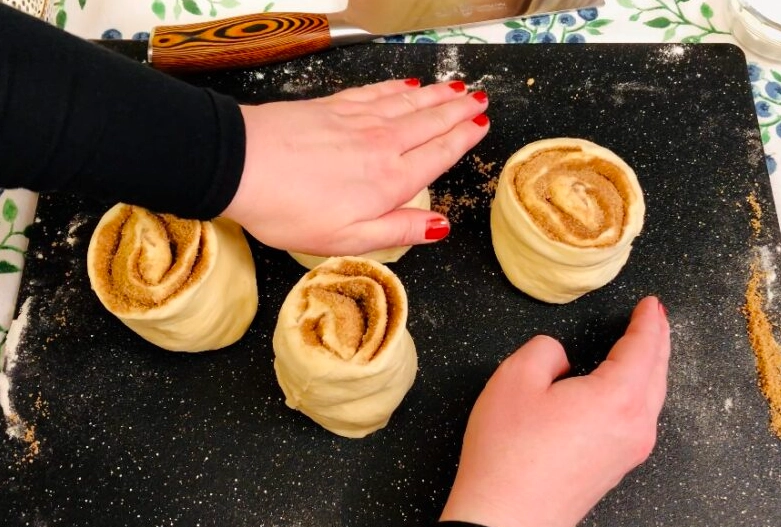
- The Pour: After your rolls have had their final rise in the pan and just before they go in the oven, take a spoon or a small measuring cup. Drizzle the milk slowly and deliberately over the surface, trying to cover the tops evenly. Pay special attention to the edges and any exposed cut sides, as these dry out fastest.
- Bake as Usual: Pop them in the oven. You might notice they take a minute or two longer to bake because of the added moisture—rely on your internal temperature thermometer (aim for 190-200°F in the center) more than the clock.
Common Pitfalls and How to Avoid Them
I’ve made the mistakes so you don’t have to.
Pitfall #1: The Soggy Bottom. This happens if you use way too much milk. The pan can’t evaporate it all, and the bottom steams instead of bakes. Fix: Stick to the ¼-½ cup range. If your dough is particularly wet or you’re in a humid climate, lean toward the lower end.
Pitfall #2: Pale, Anemic Tops. You used the milk, but the rolls still look blond. Fix: Check your milk’s protein content. Non-dairy milks or skim milk lack the building blocks for good browning. Also, ensure your oven is fully preheated. A slow start gives moisture time to evaporate without browning.
Pitfall #3: The Milk Sloshes to One Side. You pour, but it all runs off the domed tops into the valleys. Fix: Pour more slowly. Use the back of a spoon to gently guide the milk over the high points. It’s okay if some pools in the crevices—it will steam up and help the rolls bake together.
The most common error I see? People skip this step because it seems odd. They default to an egg wash for shine. But an egg wash creates a distinctly different, firmer crust—great for pastry, but not the classic, soft, pillowy cinnamon roll texture we’re after.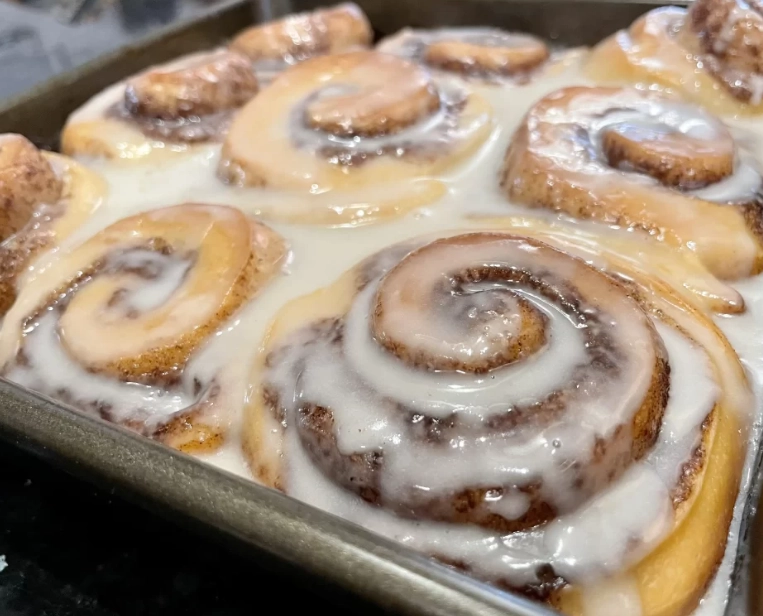
Your Burning Questions, Answered
So, the next time a recipe tells you to pour that cup of milk over the rolls, do it with confidence. You’re not just following an instruction; you’re employing a simple, time-tested technique that bridges the gap between good homemade cinnamon rolls and great ones. It’s the kind of small detail that separates a routine bake from something truly memorable. Give it a try on your next batch. Pay attention to the texture, the color, the smell. I think you’ll find that this one quirky step is worth its weight in baked gold.

Leave a Comment