You know that look. Your kid is bored, maybe a little restless, and the phrase "I'm hungry" has been uttered for the third time in an hour. Or maybe they've seen a baking show and their eyes are wide with the idea of creating something delicious. The thought of baking with them is equal parts exciting and... daunting. Will it be a fun memory or a flour-covered disaster?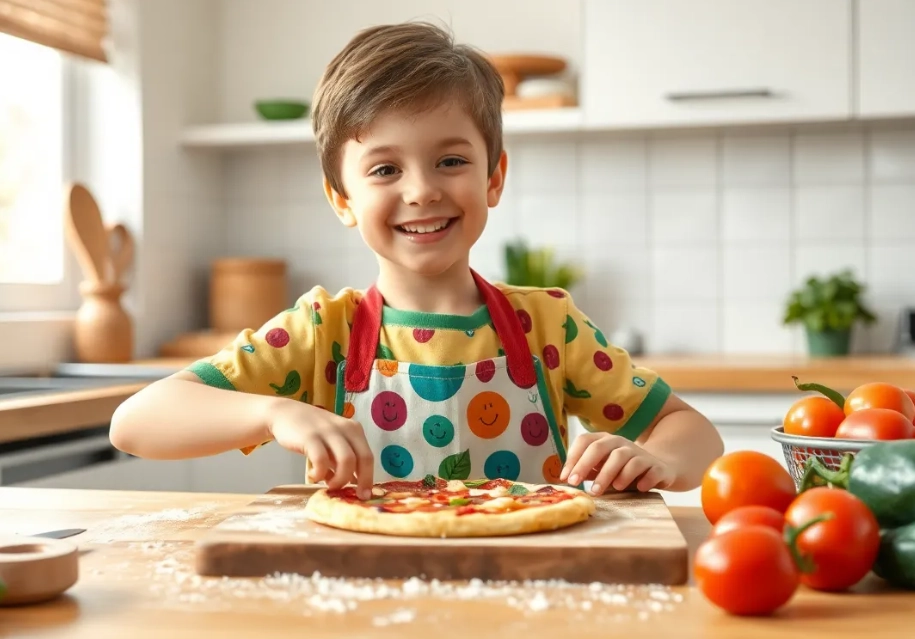
I've been there. I've also been teaching kids to bake for over a decade, from messy preschool cookie decorating to guiding pre-teens through their first solo cake. The secret isn't finding "kid" recipes—it's finding the right recipes. Ones with clear wins, minimal fuss, and maximum fun. That's what this is all about. We're skipping the complicated techniques and focusing on recipes where success is almost guaranteed, building your child's confidence one delicious treat at a time.
What’s Inside This Baking Adventure?
Why Baking is a Secret Superpower for 10-Year-Olds
At ten, kids are at this perfect sweet spot. They can follow multi-step instructions, their fine motor skills are solid enough for measuring, and they crave independence. Baking taps into all of that. It's not just about making cookies. It's a stealth lesson in math (fractions with measuring cups), science (watching baking soda react), reading comprehension, and patience. The best part? The reward is edible and shareable, which builds a huge sense of accomplishment.
I've seen shy kids light up when they present a plate of brownies they made themselves. It's a tangible "I did this" moment that screen time can't replicate.
5 Can't-Mess-Up Recipes for First-Time Bakers
These recipes are chosen for their high success rate, minimal equipment needs, and the sheer joy they bring. They move from absolutely no-bake to using the oven with supervision. I've included a pro-tip with each one—something I've learned from watching hundreds of kids make these.
1. No-Bake Peanut Butter Oat Balls (The Ultimate Starter)
Why it's perfect: Zero heat required, minimal tools, and it feels more like playing with edible dough than "cooking." It's forgiving—if the mixture is too wet, add more oats; too dry, a bit more honey.
You'll need: 1 cup rolled oats, 1/2 cup peanut butter (or sunflower seed butter), 1/3 cup honey or maple syrup, 1/4 cup mini chocolate chips, 1 tsp vanilla extract, a pinch of salt.
Child's job: Measuring all ingredients, mixing vigorously in a large bowl with a sturdy spoon, rolling into 1-inch balls.
Adult's job: Supervision, maybe helping to scrape the sticky mixture off the spoon.
2. 3-Ingredient Shortbread Fingers (Less is More)
Why it's perfect: It demystifies baking. With just butter, sugar, and flour, kids see how simple ingredients transform. The dough is sturdy and great for little hands to press into a pan.
You'll need: 1 cup (2 sticks) softened unsalted butter, 1/2 cup sugar, 2 1/4 cups all-purpose flour.
Child's job: Creaming butter and sugar (a stand mixer or hand mixer is fun here!), mixing in flour, pressing dough evenly into a parchment-lined 8x8 pan, using a butter knife to score lines for cutting before baking.
Adult's job: Operating the oven (325°F/160°C for 30-35 mins), supervising with mixer, helping to cut the scored shortbread after it's baked but still warm.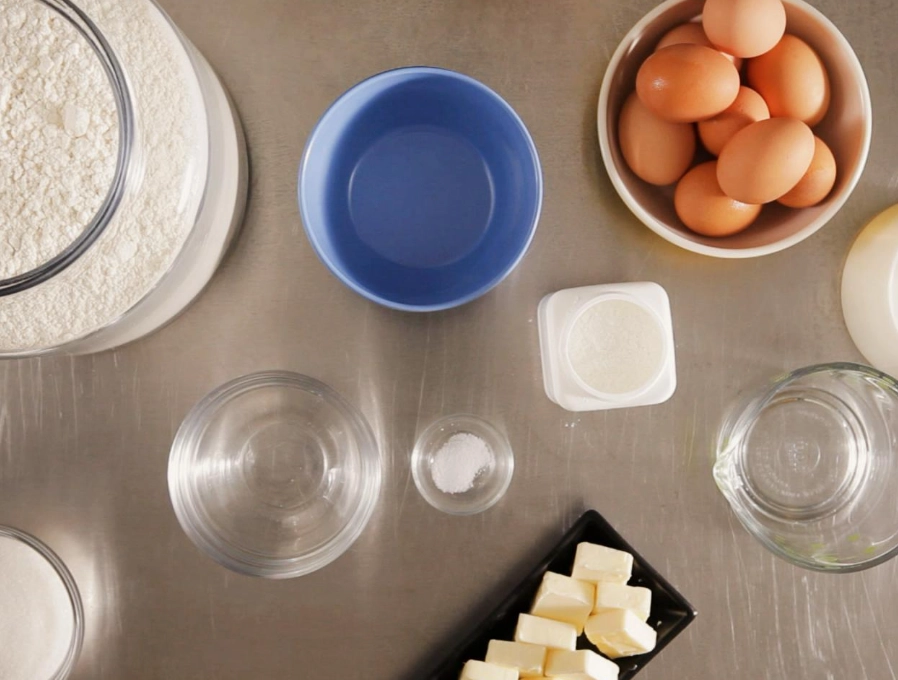
Here’s a quick guide to help you choose the next recipe based on your child's interest and the time you have:
| Recipe | Best For... | Key Skill Learned | Time Commitment |
|---|---|---|---|
| Mug Cake in 5 Minutes | Instant gratification, solo project | Precise measuring, microwave safety | 5 mins |
| Impossible-to-Mess-Up Banana Bread | Using up old bananas, a weekend project | Mashing, folding wet & dry ingredients | 60 mins (mostly baking) |
| Decorator's Sugar Cookies | Creative expression, party activity | Rolling dough, cookie cutting, decorating patience | 90 mins (with decorating) |
The mug cake is a fantastic next step. It feels like magic—a cake in a minute! The recipe is simple: In a large mug, mix 4 tbsp flour, 3 tbsp sugar, 1/2 tsp baking powder. Add 3 tbsp milk, 2 tbsp oil (or applesauce), and a few drops of vanilla. Mix well and microwave for 60-70 seconds. Let it cool for a minute. The empowerment is real.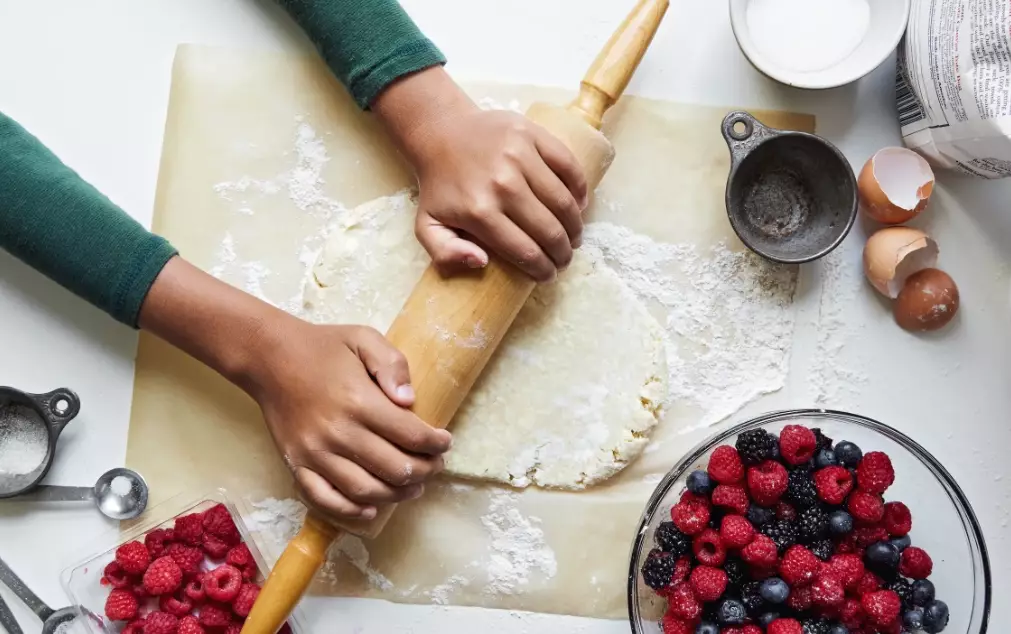
The Non-Negotiable Safety Rules (Beyond "Be Careful")
We all say "be careful with the oven." That's too vague. Kids need specific, actionable rules. Here’s the safety briefing I give every young baker:
- The Oven Mitt Rule: Always use two oven mitts, not just a kitchen towel. Towels can drag and catch on oven racks. Make sure the mitts are dry.
- The "Hot Zone" Visualization: Draw an imaginary box on the floor 2 feet in front of the oven. No playing, running, or standing idly in this zone when the oven door is open or something hot is coming out.
- Mixer Safety: Never, ever stick a spoon, spatula, or finger into a running mixer. Turn it off and wait for the beaters to stop completely before scraping the bowl. This seems obvious, but curiosity can lead to accidents.
- Knife Skills 101: For cutting soft things like bananas or butter, use a small, non-serrated table knife. Teach the "claw grip"—curling their fingertips in so the knife blade rests against their knuckles, not their fingertips.
For comprehensive food safety guidelines, especially when working with raw ingredients, I always recommend parents check resources like the U.S. Department of Health & Human Services food safety website. It's a great way to integrate a real-world lesson on why we wash our hands and keep surfaces clean.
How to Set Up a Kid-Friendly Baking Zone
A little prep prevents a lot of mess. Don't just hand them a recipe. Set the stage for success.
1. The "Mise en Place" Station: This is just a fancy term for "everything in its place." Get out ALL the ingredients, measuring cups/spoons, bowls, and tools before they start. This prevents the frantic search for the vanilla extract with sticky hands.
2. Lower the Workspace: If you have a kitchen island, great. If not, clear a spot at the kitchen table. It's more comfortable and stable than having them strain on tiptoes at the counter.
3. The Mess Management System: Place a damp kitchen towel under their mixing bowl to keep it from sliding. Have a dedicated "scrap bowl" for eggshells, used wrappers, and messy spoons. Keep a roll of paper towels and a wet cloth within arm's reach. Accept that some flour will escape—it's part of the fun. A small hand-held vacuum cleaner nearby is a parent's best friend.
This setup isn't just about neatness. It teaches organization and process, skills that go far beyond the kitchen.
Your Top Baking-with-Kids Questions, Answered
So, grab that apron, pick a recipe from the list, and embrace the potential for a little mess. The flour on the floor will vacuum up. The memory of your child proudly handing you something they made all by themselves? That sticks around a lot longer.

Leave a Comment