Let's be honest. Most simple pizza dough recipes online promise the world but leave you with a sad, cracker-like disc or a dense, doughy mess. I've been there. After years of baking (and plenty of failed Friday night pizza attempts), I realized the problem isn't the cook—it's the recipe. They skip the crucial why behind the what.
This guide is different. We're making a truly simple pizza dough recipe that works every single time. We'll use just four pantry staples, zero special equipment, and focus on technique over complexity. The goal? A crust that's crisp on the bottom, tender and chewy inside, with those beautiful air pockets you see at real pizzerias.
What's Inside This Guide
What You Need to Make Simple Pizza Dough
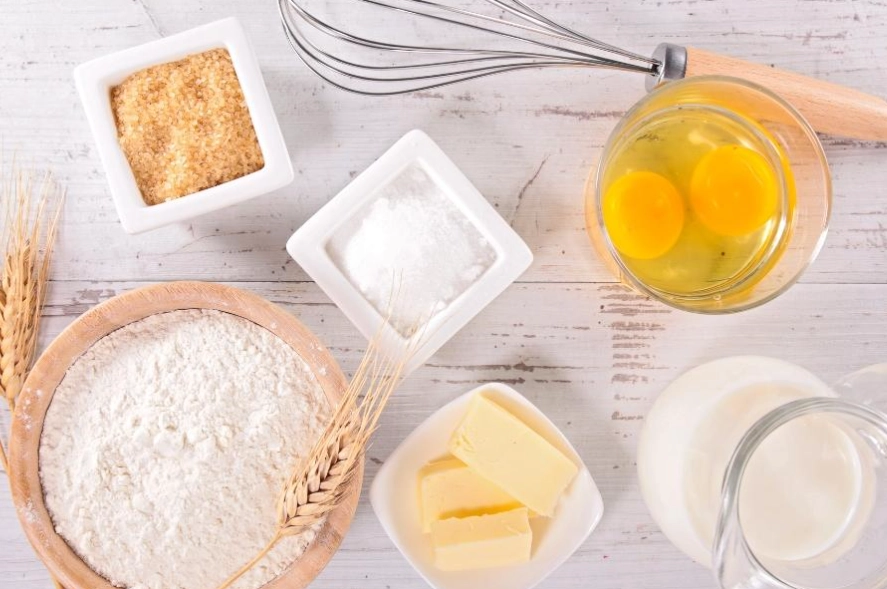
Forget complicated ingredient lists. Here's your shopping list, with a breakdown of why each one is non-negotiable.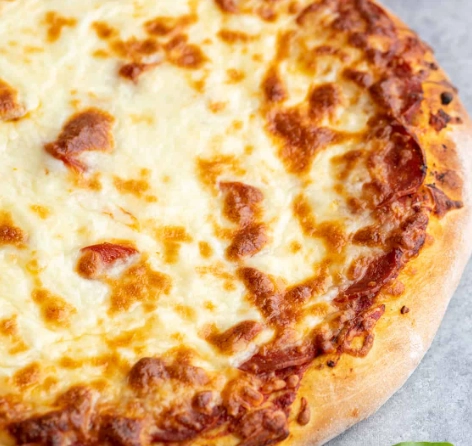
| Ingredient | Role in the Dough | Best Type to Use |
|---|---|---|
| Flour | Provides structure and gluten. The protein content is key. | Bread Flour (12-13% protein). All-purpose works, but bread flour gives a superior chew. Avoid cake flour. |
| Water | Hydrates the flour and activates the yeast. | Lukewarm (105-110°F / 40-43°C). Too hot kills yeast; too cold slows it down. |
| Yeast | Makes the dough rise by producing gas. | Active Dry Yeast or Instant Yeast. Instant can be mixed directly with flour. Active dry needs to be "proofed" in water first. |
| Salt | Strengthens gluten, controls yeast, and adds flavor. | Fine Sea Salt or Table Salt. Never skip salt—your dough will taste bland and have a weak structure. |
What about sugar and oil? Many recipes add them. Sugar feeds yeast for a faster rise, and oil makes the crust tender. They're helpful but not essential for a basic, simple pizza dough recipe. We'll keep it pure for now. You can add 1 tbsp olive oil for flavor and 1 tsp sugar if your kitchen is cold.
How to Mix and Knead Pizza Dough (The Easy Way)
This is where people get intimidated. Kneading isn't about brute force; it's about developing gluten. Here's a foolproof method.
The "Stir and Rest" Method
Combine 500g bread flour, 7g instant yeast (one standard packet), and 10g salt in a large bowl. Whisk it together. Pour in 325ml of lukewarm water.
Stir with a wooden spoon or your hand until it forms a shaggy, messy ball. It will look rough. That's perfect. Cover the bowl with plastic wrap or a damp towel.
Now, walk away for 20 minutes. This is the autolyse rest. The flour fully hydrates, and gluten starts forming on its own. When you come back, the dough will be smoother already.
After the rest, wet your hands (to prevent sticking) and fold the dough over itself in the bowl 8-10 times. That's it. No marathon kneading session. The combination of autolyse and folding builds plenty of strength for a great homemade pizza crust.
The Real Secret: Fermentation Time
This is the most overlooked step in any simple pizza dough recipe. Time is your most important ingredient.
Quick Rise vs. Slow Rise: You can let the dough double in size in a warm place for 1-2 hours. It will work. But if you want flavor—that slightly tangy, complex taste—let it rise slowly in the fridge for 24-72 hours. The cold fermentation develops flavor dramatically. Plan a pizza night? Make the dough two days before.
Place your dough ball in a lightly oiled container, cover tightly, and refrigerate. You'll notice it smells sweeter and more alcoholic when it's ready. This slow rise is the single biggest upgrade you can make.
Shaping, Topping, and Baking Your Pizza
Take the dough out of the fridge 2 hours before baking. Divide it if needed (this recipe makes two 12-inch pizzas).
Shaping: Never use a rolling pin. It squeezes out all the gas. Place the dough ball on a lightly floured surface. Press it flat with your fingers, starting from the center. Then, gently lift and stretch, letting gravity do the work, rotating as you go. If it resists, let it rest for 5 minutes and try again.
Topping: Less is more. A thin layer of sauce (I like crushed San Marzano tomatoes with a pinch of salt), a moderate amount of cheese. Overloading a pizza is the fastest way to a soggy center.
Baking: Heat is everything. Preheat your oven as hot as it goes (500°F/260°C or higher) for at least 45 minutes. Use a baking steel or an inverted heavy baking sheet placed on the top rack. The intense bottom heat mimics a pizza oven. Bake for 8-12 minutes until the crust is puffed and charred in spots.
3 Common Mistakes Everyone Makes (And How to Fix Them)
- Using boiling water to "speed up" the yeast. This is a death sentence. Yeast is a living organism. Water over 130°F will kill it. Use a thermometer or test it on your wrist—it should feel warm, not hot.
- Adding salt directly on top of the yeast. In high concentrations, salt can inhibit yeast. Always mix your salt thoroughly with the flour first to create a buffer.
- Stretching the dough until it tears. If your dough keeps snapping back or tears easily, the gluten is too tight. It needs to relax. Walk away for 10-15 minutes, then try again. Gluten relaxes over time.
Recipe Variations & Your Questions Answered
Whole Wheat Version: Substitute up to 50% of the bread flour with whole wheat flour. Add an extra tablespoon or two of water, as whole wheat absorbs more.
No-Knead Overnight Dough: Use the same ingredient ratios. Mix until just combined. Cover and let it sit at room temperature for 8-12 hours (overnight). It will be bubbly and ready to shape with a quick fold. This is the ultimate hands-off simple pizza dough recipe.
For further reading on flour science, resources from the Wheat Foods Council and baking guides from the King Arthur Baking Company offer great depth.
Frequently Asked Questions
Can I use all-purpose flour instead of bread flour?
Why is my pizza dough too sticky to handle?
My dough didn't rise at all. What happened?
How long can I store pizza dough?
Do I really need a baking steel or stone?

Leave a Comment