Let's be honest. The French macaron recipe has a reputation. It's the diva of the pastry world—temperamental, precise, and capable of reducing a confident baker to a pile of cracked shells and frustration. I know because my first batch looked like tiny, colorful UFO crash sites. No feet, hollow insides, a complete mess. But after a decade of obsessive testing (and more than a few failures), I've cracked the code. The traditional method isn't about magic; it's about understanding a handful of non-negotiable physical and chemical rules. Forget the vague online tutorials. This guide will walk you through the French macaron recipe with the clarity of a lab manual and the hard-won tips of someone who's been there.
Your Macaron Roadmap
Why Your Ingredients Aren't Just Suggestions
You can't build a stable house with warped wood. The same goes for macarons. Every ingredient has a specific job, and substitutions often lead to collapse.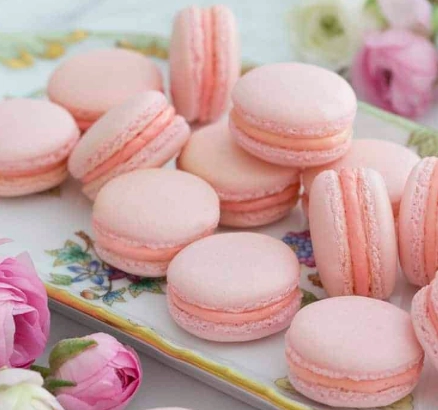
| Ingredient | Role & Why It's Critical | Pro-Tip / What to Avoid |
|---|---|---|
| Almond Flour | Provides structure and the signature chewy texture. Its fat content must be balanced with the sugar. | Must be super-fine and sifted TWICE. I use brands like Blue Diamond or Bob's Red Mill "super-fine." Avoid oily or coarse flour—it creates bumpy shells. |
| Powdered Sugar (Icing Sugar) | Sweetens, dries out the almond flour, and helps create a smooth surface. | Sift with the almond flour. Don't use homemade powdered sugar that may contain cornstarch lumps. |
| Aged Egg Whites | The engine. Aged whites (separated 24-48 hrs ahead, kept covered in fridge) are less elastic and whip to a more stable meringue. | Bring to room temperature before using. This is not a "nice-to-have"—it drastically improves volume. |
| Granulated Sugar | Stabilizes the meringue. Creating a simple syrup (Italian method) or adding it slowly (French method) is key. | For the traditional French method outlined here, add it gradually once whites are frothy. |
| Cream of Tartar (optional) | Acid stabilizes the meringue further, especially on humid days. It's a cheap insurance policy. | A tiny pinch (1/8 tsp per 3 egg whites) makes a noticeable difference in consistency. |
See that note about aging egg whites? Most home bakers skip it. They see "room temperature" and think that's enough. But the slow dehydration of aging changes the protein structure. It's the difference between a meringue that holds its shape and one that weeps or deflates during folding. It's one of those silent, rarely shouted-about steps that separates okay macarons from great ones.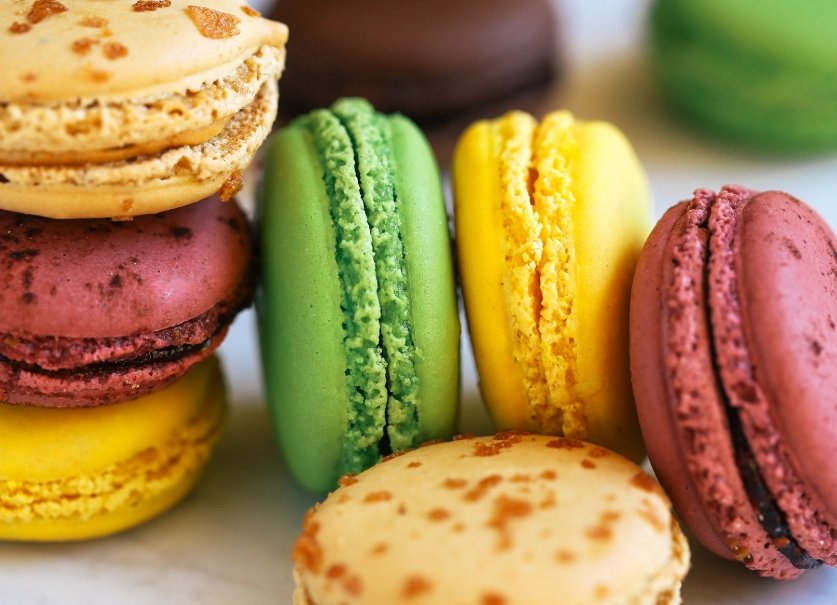
The Macaronage: Where Most Recipes Go Wrong
"Fold until the batter flows like lava" or "forms a ribbon." Helpful? Not really. That's the kind of vague instruction that causes panic. Macaronage is the process of folding the dry ingredients into the meringue. Under-mix, and your batter will be too thick, creating peaked tops and no feet. Over-mix, and it will be too runny, spreading into flat puddles or creating hollow shells.
Here's the concrete test nobody talks about: the "Figure-8" test.
- After about 40-50 folds, scoop up some batter with your spatula.
- Let it fall back into the bowl, trying to draw a continuous figure "8" with the falling batter.
- If the batter breaks before you finish the "8," it's too thick. Fold 3-4 more times and test again.
- If the figure-8 holds its shape for about 10 seconds before melting back into the surface, stop immediately. This is the sweet spot.
- If it immediately dissolves back, you've likely gone too far. (You can sometimes salvage it by adding a spoonful of extra sifted almond flour, but it's risky).
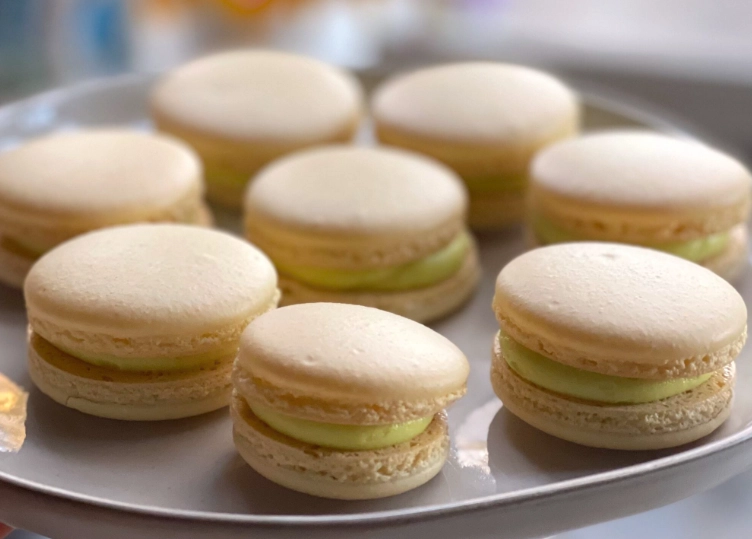
The Foolproof Step-by-Step Process
1. Prep is 80% of the Work
Line heavy baking sheets with parchment paper or silicone mats. Have a piping bag fitted with a 1/2-inch round tip ready. Sift the almond flour and powdered sugar together twice. Discard any large bits. This is non-negotiable for smooth tops. Weigh your ingredients. Cups are unreliable here.
2. The Meringue: Building Stability
In a scrupulously clean, grease-free bowl, start whipping your aged, room-temperature egg whites. Add the cream of tartar if using. When frothy, start adding the granulated sugar a tablespoon at a time. Whip to stiff, glossy peaks. The meringue should stand straight up when you lift the whisk. Don't go beyond this to "dry" peaks.
3. The Fold & The Figure-8
Add about one-third of the sifted dry ingredients to the meringue. Fold roughly to incorporate—this deflates the meringue a bit on purpose. Add the remaining dry ingredients and begin the macaronage process. Use a firm, sweeping motion from the bottom up and around. Test for the figure-8 regularly.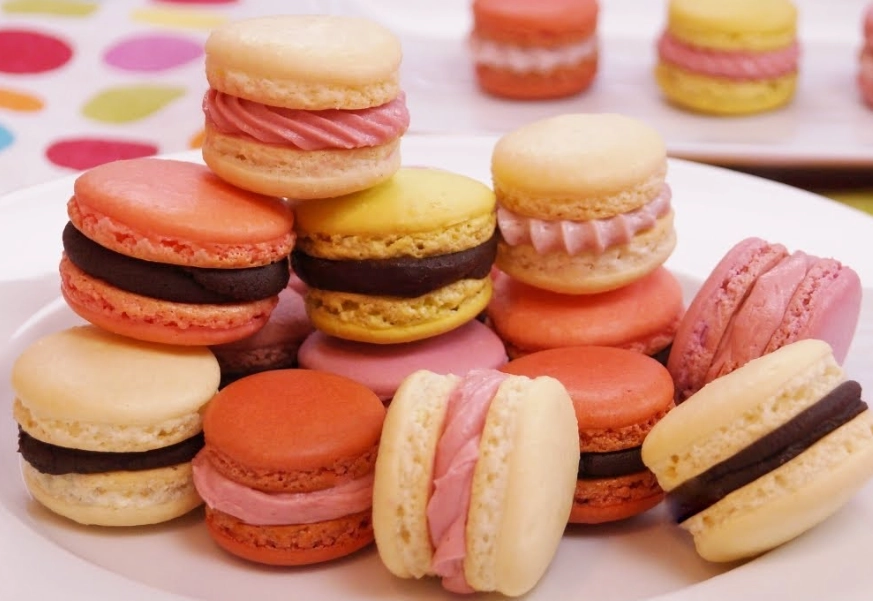
4. Piping & The Rest
Pipe 1.5-inch circles onto your prepared sheets. Firmly tap the sheets 3-4 times on the counter to release air bubbles. Use a toothpick to pop any remaining bubbles you see. This prevents hollow shells. Now, let them rest at room temperature until a skin forms. This can take 20-60 minutes depending on humidity. They should feel dry to a light touch. This skin is what forces the batter to rise upwards during baking, creating the feet.
5. The Bake
Preheat your oven well. I find 300°F (150°C) is a reliable starting point, but oven temperature is the #1 variable. Bake one sheet at a time in the middle rack for 14-18 minutes. To test, gently wiggle a macaron. If the top slides from the foot, it needs more time. Let cool completely on the sheet before attempting to remove them.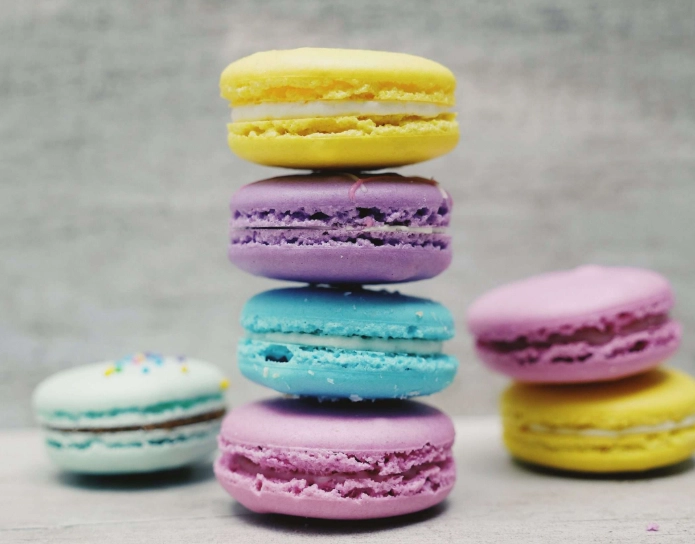
Diagnose Your Macaron: The Troubleshooting Table
Something went wrong. Don't worry. Use this table to figure out why and fix it next time.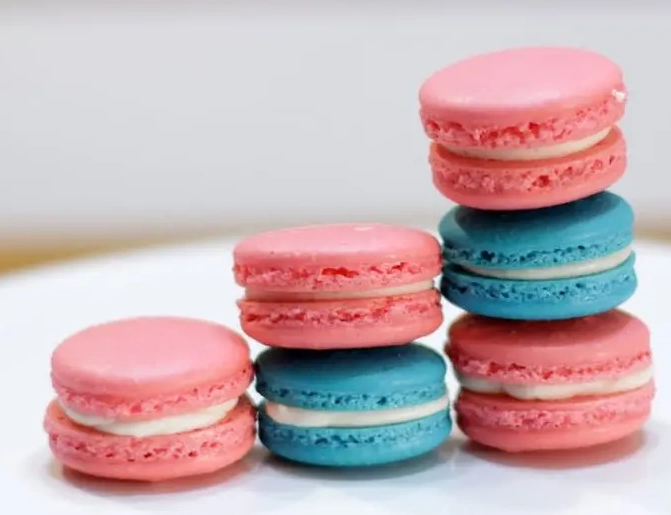
| Problem | Most Likely Cause | How to Fix It |
|---|---|---|
| No Feet | 1. Batter under-mixed (too thick). 2. No skin formed before baking (rest time too short/humid). 3. Oven temperature too low. |
Master the figure-8 test. Rest until truly dry. Verify oven temp with a thermometer. |
| Hollow Shells | 1. Over-mixed batter. 2. Under-whipped meringue. 3. Air bubbles not tapped out. 4. Oven temperature too high. |
Fold less aggressively. Whip to stiff peaks. Tap sheets firmly. Lower oven temp slightly. |
| Cracked Tops | 1. Skin not formed properly. 2. Too much moisture in batter (egg whites not aged, humid day). 3. Oven too hot, causing rapid rise. |
Ensure longer resting. Use aged whites, add cream of tartar. Reduce oven temp. |
| Lopsided/Uneven Feet | Uneven oven heat or baking sheet warping. | Rotate sheet halfway through baking. Use a heavy, light-colored aluminum sheet. |
| Sticky Bottoms | Under-baked. | Bake 1-2 minutes longer. They should release cleanly from parchment when fully baked. |
Expert Answers to Your Macaron Headaches
The path to perfect macaron shells is paved with cracked attempts. But each failure is a clue. Was the meringue weak? Did the batter feel like wet sand or runny cake mix? Did you rush the rest? Use this guide as your reference. Weigh, sift, age, test, and trust the process. When you pull that first tray of smooth, footed, perfectly round macarons from your own oven, the effort makes sense. It's not just a cookie; it's a edible piece of precision engineering. And you built it.

Leave a Comment