Quick Navigation
- The Holy Trinity: Flour, Fat, and Liquid
- The Three Pillars of Pastry Dough Basics
- The Non-Negotiable Techniques
- Your Pastry Dough Troubleshooting Guide
- Essential Tools (You Don't Need Fancy Gear)
- Answering Your Pastry Dough Questions
- Putting It All Together: A Simple Shortcrust Workflow
- Where to Go from Here
Let's be honest. The thought of making pastry dough from scratch can be intimidating. You picture a flour-dusted counter, a sticky mess, and a final product that's somehow both tough and crumbly. I've been there. My first attempt at a pie crust was a disaster—it shrank terribly and tasted like cardboard. But here's the thing: once you grasp the core pastry dough basics, it stops being magic and starts being a reliable, even enjoyable, process. It's less about being a pastry chef and more about understanding how a few simple ingredients behave when you treat them a certain way. This guide is for anyone who wants to move beyond store-bought shells and into the world of real, homemade pastry.
We're going to break it down, step by step, feeling by feeling. We'll talk about the why behind the instructions, not just the what. By the end, you'll have a mental toolkit for handling the main types of dough: the sturdy shortcrust for your quiche, the flaky puff for your turnovers, and the airy choux for your cream puffs. Mastering these pastry dough basics truly is the foundation for about 80% of the wonderful baked goods you might crave.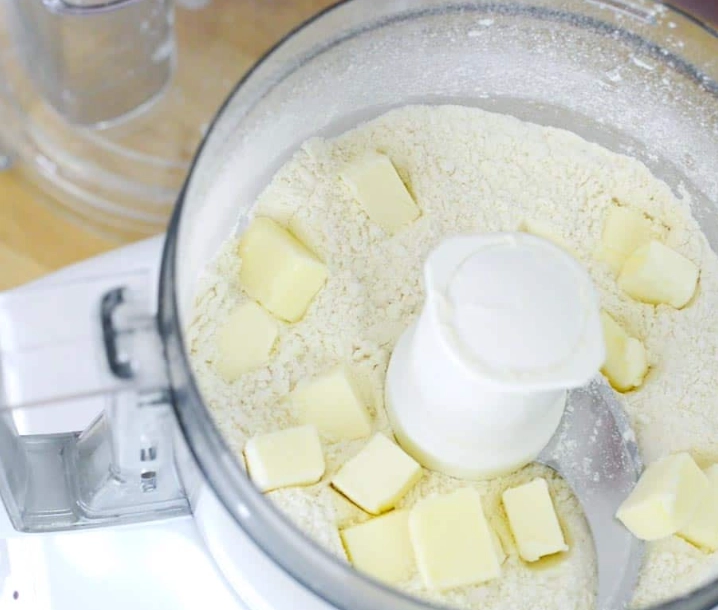
What exactly is pastry dough? At its heart, it's a simple mixture of flour and fat, bound with a liquid (often water or egg). The magic—and the challenge—lies in how you combine them. The goal is to manipulate the gluten (the protein in flour) and distribute the fat in specific ways to create wildly different textures: tender, flaky, or crisp.
The Holy Trinity: Flour, Fat, and Liquid
Every pastry dough begins with these three. Your choices here set the stage for everything that follows.
Flour: All-purpose flour is your best friend for most pastry dough basics. It has a moderate protein content (usually 10-12%), which gives you enough structure without making things tough. Cake flour is too weak; bread flour is too strong. Some bakers swear by a mix of all-purpose and a touch of pastry flour for extra tenderness. The key is to measure it correctly. Spoon it into your measuring cup and level it off. Don't scoop directly from the bag—you'll pack in too much flour and end up with a dry dough. I learned this the hard way.
Fat: This is the superstar. The type of fat and how you incorporate it defines the pastry's character.
- Butter: The gold standard for flavor. It melts in the mouth and creates steam during baking, which helps with flakiness. But it has a low melting point, which can be tricky in warm kitchens.
- Shortening or Lard: These have a higher melting point, making them easier to handle and often resulting in a more tender, flaky crust. They lack butter's flavor, though. My personal preference? I often use a 50/50 blend of butter (for taste) and very cold lard or a high-quality shortening (for texture). It's a game-changer for pie crusts.
Liquid: Usually ice-cold water. The cold temperature is non-negotiable. It keeps the fat solid. Sometimes recipes use milk, sour cream, or even vinegar (which can help tenderize gluten). You add just enough to bring the dough together. More on that later.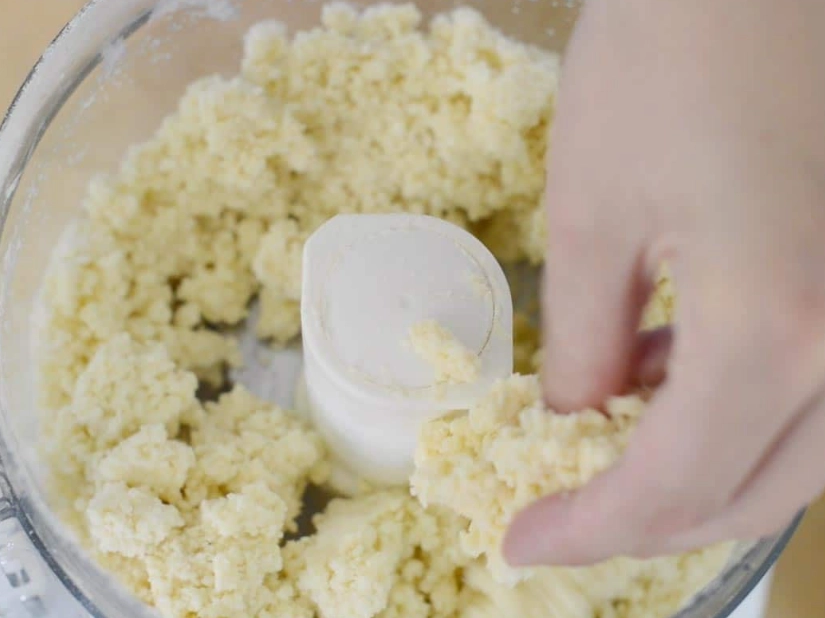
A pro tip I picked up from an old baking book: Freeze your butter and grate it on a box grater directly into the flour. It gives you perfect, pea-sized pieces with minimal handling and zero warm-up time from your hands.
The Three Pillars of Pastry Dough Basics
You can group most pastries into three main families. Understanding their core differences is the biggest leap you can make.
| Dough Type | Core Principle | Key Ingredients | Final Texture | Common Uses |
|---|---|---|---|---|
| Shortcrust (Pâte Brisée) | Minimal gluten development, fat coats flour. | Flour, cold fat, ice water, salt. | Tender, crumbly, sturdy. | Pie crusts, tarts, quiches. |
| Flaky / Puff (Pâte Feuilletée) | Layers of dough separated by layers of fat. | Flour, butter, ice water, salt. | Hundreds of crisp, buttery layers. | Croissants, palmiers, turnovers. |
| Choux (Pâte à Choux) | Cooked flour-water paste expands with steam. | Water, butter, flour, eggs. | Hollow, crisp shell, airy interior. | Éclairs, profiteroles, gougères. |
Shortcrust Pastry: Your Go-To Workhorse
This is where everyone should start. The method is simple: cut cold fat into flour until it looks like coarse breadcrumbs, then drizzle in ice water just until it holds together. The critical part? Don't overmix. You want little pockets of fat intact. When the dough bakes, these fat pockets melt, leaving spaces and creating tenderness, while the flour-water mixture forms the structure.
I remember thinking I needed to knead it like bread. Big mistake. Overworking develops the gluten network, which makes the dough elastic and tough—the opposite of what you want for a tender tart shell. Handle it as little as possible. Wrap it in plastic and let it rest in the fridge for at least an hour. This relaxes the gluten and re-chills the fat, making it much easier to roll out without shrinking.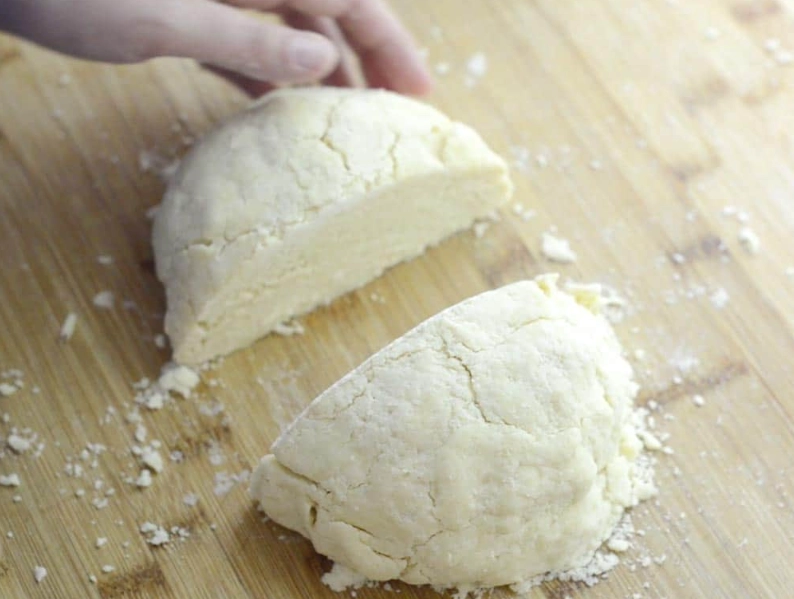
The number one cause of a tough pie crust? Overworking the dough after adding water. Once you add the liquid, use a gentle folding/pressing motion, not a kneading one. It should look shaggy, not smooth.
Flaky and Puff Pastry: The Art of Layers
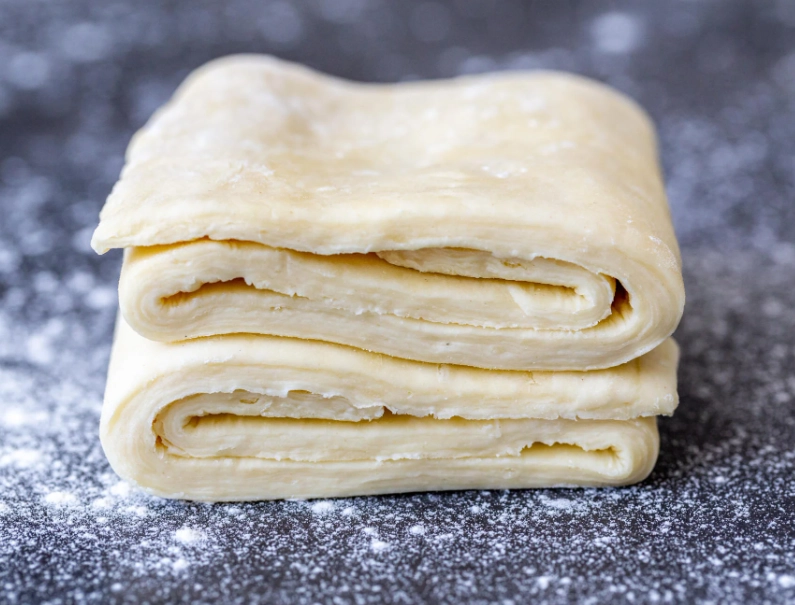
This is the glamorous one. The principle is layering. For rough puff (a great shortcut), you start similarly to shortcrust but leave the butter in larger, flat pieces. Then you roll, fold, and chill—repeating this process creates distinct layers of dough and butter. When baked, the water in the butter turns to steam, pushing the layers apart. True puff pastry has even more folds and is more labor-intensive, but the store-bought frozen stuff is actually excellent if you're short on time.
The enemy here is warmth. If your butter melts into the dough, you lose the layers. If your kitchen is warm, work in short bursts and don't be afraid to pop the dough back in the fridge for 15 minutes if it feels soft or sticky. Patience is a key ingredient.
Choux Pastry: The Science Project
Choux feels completely different. You cook flour in boiling water and butter to gelatinize the starch, then beat in eggs off the heat. This creates a thick, glossy paste. When piped and baked, the high moisture content creates immense steam, puffing the pastry up and leaving a hollow center. It's less about delicate handling and more about precise cooking and mixing. Under-cook the initial panade (the flour-water mix), and it'll be too wet. Over-beat the eggs, and it might not puff properly. It's finicky but incredibly satisfying when it works.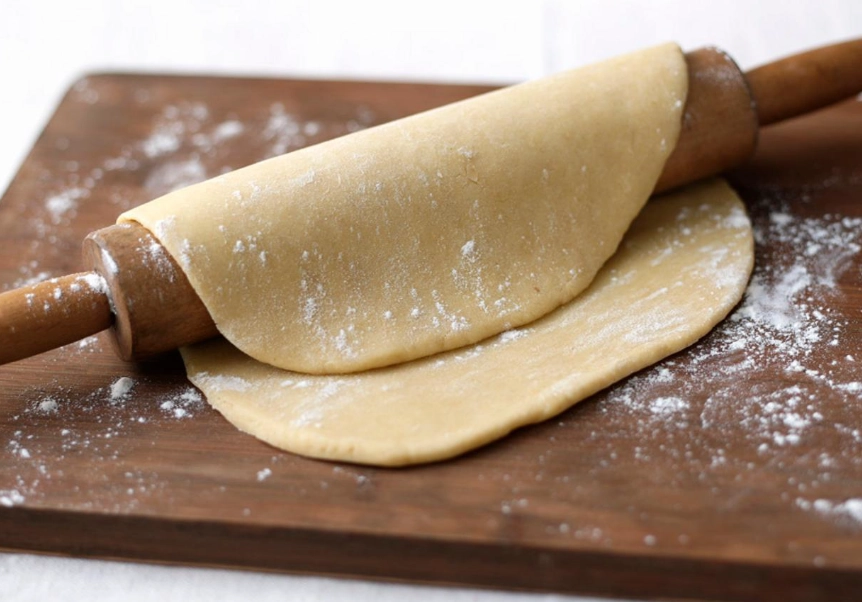
See? Each one has its own personality.
The Non-Negotiable Techniques
Beyond the recipes, some universal techniques form the backbone of good pastry dough basics.
Keeping Everything Cold: I can't stress this enough. Cold fat, cold water, cold bowls, cold hands. I even sometimes run my countertop under cold water and dry it before rolling. A warm kitchen is your adversary. Why? Cold solid fat stays in distinct pieces. When those pieces hit the hot oven, they melt *later*, creating the steam pockets for flakiness and preventing the fat from soaking into the flour (which would make it greasy and tough).
The Resting Stage (A.K.A. Why Your Dough Shrinks): Skipping the fridge rest is like skipping warm-up before a run. When you mix and roll dough, you develop tension in the gluten network. Baking it immediately causes it to contract violently—shrinkage city. A good chill (1 hour minimum, overnight is best) allows the gluten to relax and the moisture to distribute evenly. It makes rolling easier, too.
Blind Baking: This is pre-baking a crust before adding a wet filling (like a custard for quiche or a cream pie). You line the dough with parchment, fill it with pie weights or dried beans, and bake it partway. This sets the structure so the bottom doesn't get soggy. For a fully cooked shell, you remove the weights and finish baking until golden. It's an extra step, but it's the difference between a soggy bottom and a crisp, professional one. The King Arthur Baking website has fantastic, detailed tutorials on blind baking that I reference often.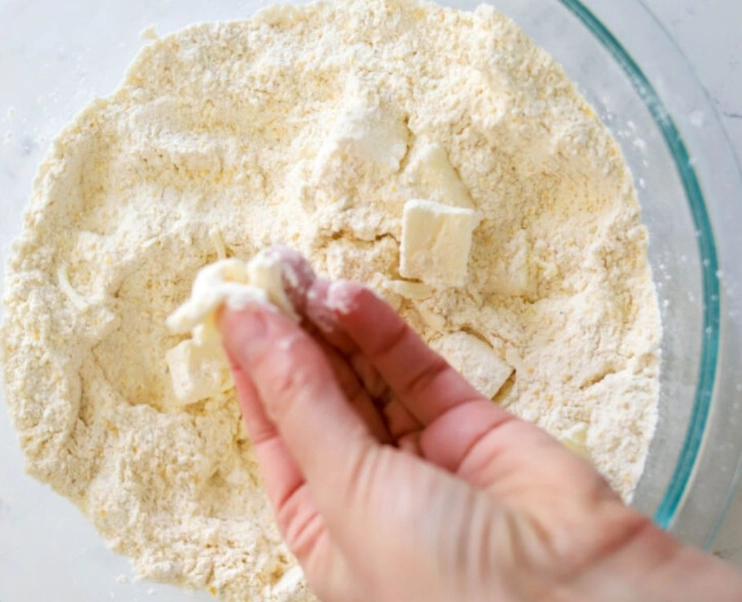
Your Pastry Dough Troubleshooting Guide
Things will go wrong. They do for everyone. Here's how to diagnose the common issues.
Sometimes, the problem is the recipe itself. I've found that many older recipes call for way too much water. Start with less than you think—you can always add a few more drops.
Essential Tools (You Don't Need Fancy Gear)
A food processor is hailed as the ultimate tool, and it's great for keeping things cold and fast. But you can make perfect dough by hand—it's how you develop the feel for it. Here's what I actually use:
- A large, wide bowl: For easy mixing.
- Pastry blender or two butter knives: For cutting in fat. Your fingertips work too, but they're warm.
- Flexible silicone spatula: For mixing in water without over-handling.
- Rolling pin: A simple French-style wooden pin without handles gives you more control.
- Ruler: To check thickness. Consistency matters.
- Parchment paper & pie weights: For blind baking. Dried beans or rice work fine.
That's really it. A stand mixer with a paddle attachment can work for shortcrust, but I find it's easy to overdo it. For choux, a saucepan and a wooden spoon are mandatory.
Answering Your Pastry Dough Questions
Let's tackle some specific things bakers often wonder about when digging into pastry dough basics.
Can I make pastry dough ahead of time? Absolutely. In fact, it's encouraged. Most doughs freeze beautifully for up to 3 months. Wrap them tightly in plastic wrap and then in foil. Thaw overnight in the fridge. Shortcrust dough can sit in the fridge, well-wrapped, for 2-3 days.
Why do some recipes use vinegar or vodka? Vinegar (a teaspoon) helps inhibit gluten formation, promoting tenderness. Vodka (or another high-proof spirit) is a genius trick. It provides liquid to bring the dough together, but because alcohol doesn't form gluten and evaporates quickly in the oven, it allows you to use more "liquid" for an easier-to-roll dough without the toughness. The Serious Eats team did a famous deep dive on this, and it really works.
What's the difference between European-style and American butter? European butters generally have a higher fat content (82-86%) compared to American butter (80%). This means less water. Less water in the butter can mean a more tender, flaky crust and better flavor. For puff pastry or where butter is the star, it's worth the splurge. For a basic shortcrust, your regular butter is just fine.
My dough is too sticky to roll. Help! Don't just dump more flour on it. That will throw off your ratio. Instead, roll it between two sheets of parchment paper or plastic wrap. No sticking, no extra flour. Peel off the top sheet, flip it into your pan, and peel off the second sheet. It's a foolproof method, especially for beginners.
Putting It All Together: A Simple Shortcrust Workflow
Let's walk through a fail-safe process for a basic pie dough, incorporating all these pastry dough basics.
- Prep: Measure 1 ¼ cups (160g) all-purpose flour into a bowl. Dice ½ cup (115g) of unsalted butter (or your butter/lard blend) and put it back in the freezer for 10 minutes. Get a small bowl of ice water ready.
- Cut In: Add the frozen butter cubes to the flour with a pinch of salt. Using a pastry blender, cut until the mixture has mostly pea-sized pieces with some larger flakes.
- Hydrate: Drizzle in 3-4 tablespoons of ice water, one tablespoon at a time, mixing gently with a spatula after each. Stop when you can pinch a bit of dough and it just holds together. It will look shaggy, not like a smooth ball.
- Form and Chill: Dump the shaggy mass onto a piece of plastic wrap. Use the wrap to help you press it into a flat disc. Wrap tightly and refrigerate for at least 1 hour, preferably overnight.
- Roll and Bake: On a lightly floured surface (or between parchment), roll from the center out, turning occasionally, to a 12-inch circle. Transfer to your pie dish, trim, and crimp edges. Chill again for 20 minutes. Blind bake or fill as your recipe directs.
That's it. The process is simple. The mastery is in the details: the cold, the gentle hand, the patience.
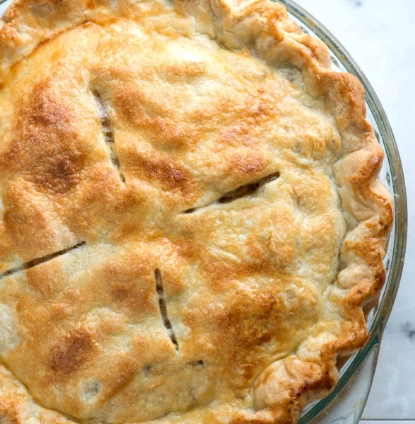
The feeling of pulling a golden, homemade pie crust out of the oven is worth every minute.
Where to Go from Here
Once you're comfortable with these pastry dough basics, the whole world opens up. You can add cheese or herbs to a shortcrust for a savory tart. You can laminate your own croissant dough (a weekend project, for sure). You can pipe perfect éclairs. The foundation is the same.
Don't be afraid to fail. My first choux looked like deflated balloons. My first puff pastry layers merged into one sad, dense slab. It happens. Each time, you learn a little more about how the dough should feel, look, and behave. That tactile knowledge is priceless and something no recipe can fully convey.
For further reading and incredibly reliable recipes, I always turn to a few trusted sources. The science-backed recipes and explanations from Serious Eats are phenomenal. For classic techniques and a vast library of tested formulas, the King Arthur Baking site is an indispensable resource. And for the true French culinary foundation, the techniques documented by institutions like Le Cordon Bleu set the standard.
So, grab some flour and some cold butter. Start simple. Pay attention to the feel of the dough. Respect the chill. You've got this. The journey to mastering pastry dough basics is one of the most rewarding skills a home baker can have.
Leave a Comment