Recipe Roadmap
Let's be honest. Every December, the internet explodes with claims of the "best Christmas cookies recipe ever." It's enough to make your head spin. Do you go for the fancy one with six types of chocolate and a gold leaf garnish? The one your great-aunt swears by, handwritten on a stained index card? Or the trendy viral one that promises to change your life? After years of testing, burning, under-baking, and triumphantly pulling perfect batches from the oven, I'm here to cut through the noise. I'm not a fancy pastry chef. I'm someone who wants cookies that taste like Christmas, fill the house with that iconic smell, and make people's eyes light up. This recipe is that. It's a sturdy, forgiving, infinitely adaptable dough that produces what I genuinely believe is the best Christmas cookies recipe ever for home bakers. It's the one I come back to every single year.
Why does this one work when others fail? It's not magic, though it feels like it sometimes. It's balance. The right ratio of butter to sugar to flour. Instructions that understand your kitchen might be cold, your butter might be too soft, and your kids might be begging to help. This recipe accounts for real life. It's the workhorse of holiday baking, ready to be dressed up with sprinkles, dipped in chocolate, or enjoyed starkly simple with a glass of milk.
Why This Recipe Earns the "Best Ever" Title
You don't have to take my word for it. Let's break down what makes a Christmas cookie recipe truly great, and how this one ticks every box.
First, the flavor. It's rich but not cloying, buttery with a hint of vanilla and a subtle warmth. It's a perfect blank canvas. Second, the texture. The edge has a slight crispness that gives way to a soft, tender, almost melt-in-your-mouth center. It holds its shape when you decorate it but doesn't become a jawbreaker the next day. Third, the reliability. I've made this in humid summers and dry winters, with different brands of flour, and it's never once failed me. That's the hallmark of a great recipe.
Many recipes are either too cakey or too shortbread-like. This one walks the line perfectly. It has enough structure for cut-out cookies (Santa's beard won't break off!) but is tender enough for a simple drop cookie. It's the versatility that really cements its status as the best Christmas cookies recipe ever for most people. One dough, a dozen possibilities.
One dough to rule them all? Pretty much.
The Core Recipe: Your New Holiday Foundation
Alright, let's get to it. This is the master recipe. Print it, save it, spill eggnog on it. It's meant to be used.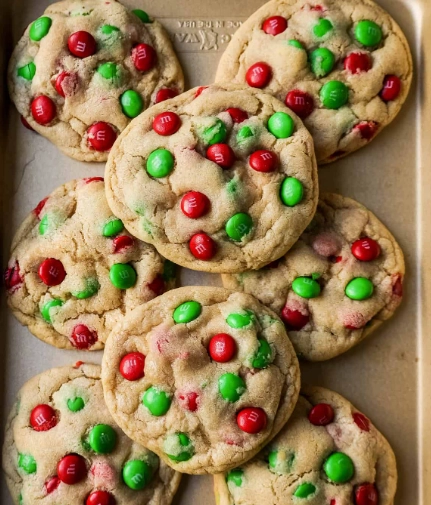
The Ultimate Christmas Cookie Dough
Yields: About 3-4 dozen cookies, depending on size.
Prep: 20 mins (plus chilling) | Bake: 8-11 mins per batch
Ingredients You'll Need
Gathering your ingredients is step one. Using good quality stuff here makes a difference, but don't stress if you only have store-brand. It'll still be great.
- Unsalted Butter (1 cup / 2 sticks / 226g): This is the soul of the cookie. Take it out about 45-60 minutes before you start. You want it cool to the touch but soft enough that your finger leaves a clear indent. Not melted, not cold. This "just-right" stage is the single biggest trick to perfect texture.
- Granulated Sugar (3/4 cup / 150g): For sweetness and that slight crispness.
- Light Brown Sugar, packed (3/4 cup / 150g): The brown sugar adds moisture, a deeper flavor, and that classic chewy factor. Don't skip it.
- Large Eggs (2): They bind everything together. Crack them into a separate bowl first to avoid shell surprises.
- Pure Vanilla Extract (2 teaspoons): The real stuff, please. Imitation vanilla can taste artificial and sharp. This is a flavor you'll actually taste.
- All-Purpose Flour (3 cups / 375g): The backbone. I don't usually sift, but I do fluff it up in the bag and spoon it lightly into my measuring cup. Scooping packs it down and can lead to dry cookies.
- Baking Soda (1 teaspoon): Our leavening agent. Make sure it's not years old! If you're unsure, test it: add a pinch to vinegar. It should fizz vigorously.
- Salt (1 teaspoon): Crucial. It balances the sweetness and makes all the other flavors pop. Don't use salted butter and then add this salt—it'll be too much.
The Step-by-Step Process (No Fancy Equipment Needed)
You can use a stand mixer, a hand mixer, or a wooden spoon and some elbow grease. I've done all three.
- Cream the Butter and Sugars: In a large bowl, beat the softened butter, granulated sugar, and brown sugar together on medium speed for about 2-3 minutes. You're not just mixing; you're incorporating air. The mixture should become pale, fluffy, and look almost like a smooth frosting. This step is non-negotiable for texture.
- Add Eggs and Vanilla: Beat in the eggs, one at a time, making sure the first is fully incorporated before adding the second. Scrape down the sides of the bowl. Mix in the vanilla.
- Combine Dry Ingredients: In a separate bowl, whisk together the flour, baking soda, and salt. Whisking is better than sifting here—it evenly distributes the baking soda so you don't get bitter pockets.
- Bring It All Together: With your mixer on low speed, gradually add the dry ingredients to the wet ingredients. Mix just until the flour disappears. The dough will be soft and maybe a bit sticky. That's perfect. Do not overmix. Overmixing develops gluten and leads to tough cookies.
- The Chill: This is where patience pays off. Cover the bowl and refrigerate the dough for at least 1 hour, or up to 3 days. Chilling solidifies the butter, which prevents cookies from spreading into sad, flat puddles in the oven. It also allows the flour to fully hydrate, improving flavor and texture.
Now, your dough is ready. Here's where the fun begins. This best Christmas cookies recipe ever can go in three main directions.
Three Ways to Bake Your Master Dough
Option 1: Classic Drop Cookies (The Easy Win)
Preheat your oven to 350°F (175°C). Line baking sheets with parchment paper (a game-changer for easy cleanup and even baking). Scoop dough using a tablespoon or a small cookie scoop (about 1.5 tablespoons of dough per cookie). Roll into balls and place about 2 inches apart on the sheet. You can leave them as balls for a thicker cookie, or gently press the tops down a bit for a wider one.
Bake for 8-11 minutes. The edges should be set and just starting to turn a light golden brown. The centers will look soft and slightly underdone. This is key! They continue to cook on the hot baking sheet. Let them cool on the sheet for 5 minutes before transferring to a wire rack. This method is foolproof and yields the quintessential soft-batch style cookie.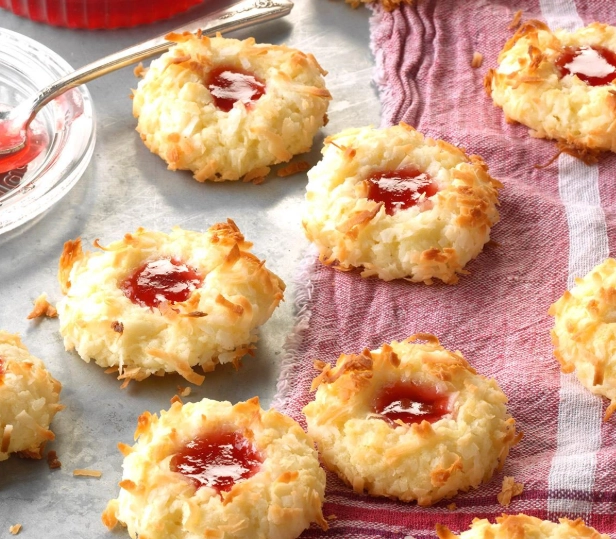
Option 2: Roll-Out Cut-Out Cookies (For Decorating)
This is where this dough shines. Many cut-out cookie recipes are either too bland or too fragile. This one holds sharp details from your cookie cutters but stays tender to eat.
Take your chilled dough and divide it in half. On a lightly floured surface (or between two sheets of parchment paper), roll the dough to about 1/4-inch thickness. Use your favorite cutters. Dip the cutter in flour between cuts to prevent sticking. Transfer shapes to a parchment-lined sheet. Re-roll scraps once. If the dough gets too warm and sticky, pop it back in the fridge for 10 minutes.
Bake at 350°F for 9-12 minutes, until the edges are just barely colored. Cool completely before decorating with royal icing, buttercream, or simple sprinkles pressed in before baking.
Option 3: Slice-and-Bake Refrigerator Cookies (The Make-Ahead Hero)
Shape the chilled dough into logs, about 2 inches in diameter. Wrap tightly in plastic wrap. You can keep these logs in the fridge for up to 5 days, or freeze them for 3 months. When you're ready to bake, simply slice rounds about 1/4-inch thick, place on a baking sheet, and bake at 350°F for 8-10 minutes. It's the ultimate "bake on demand" strategy for unexpected guests or a last-minute cookie craving.
Baking Science & Problem-Solving
Sometimes things go wrong. Let's troubleshoot common issues so you can claim the title of best Christmas cookies recipe ever with confidence.
| Problem | Likely Cause | How to Fix It Next Time |
|---|---|---|
| Cookies spread too much | Butter too warm/soft; dough not chilled; oven too cool; baking sheet still warm from last batch. | Chill dough properly. Let baking sheets cool completely between batches. Ensure oven is fully preheated. |
| Cookies are too hard or tough | Overmixing the dough after adding flour; too much flour measured; overbaking. | Mix dry ingredients just until combined. Use the spoon-and-level method for flour. Set a timer. |
| Cookies are too cakey or puffy | Too much baking soda or egg; dough balls were too perfect/not flattened. | Measure leavening accurately. Gently press dough balls before baking. |
| Cookies are burnt on bottom | Dark-colored baking sheet; oven rack too low; baking too long. | Use parchment paper. Bake on middle rack. Check a minute early. |
| Uneven baking | Oven hot spots; rotating pan too late. | Rotate baking sheet front-to-back halfway through baking time. |
Oven temperatures can be wildly inaccurate. An inexpensive oven thermometer is one of the best investments a baker can make. I was shocked to find mine was running 25 degrees hot! It explained years of slightly overdone edges. For food safety and best practices on handling raw dough (especially with kids), it's always good to review guidelines from trusted sources like the USDA's Food Safety and Inspection Service.
Decorating & Flavor Variations: Make It Your Own
The base recipe is classic, but the fun is in the customization. Here are my favorite twists.
- Chocolate Chip Holiday: Fold in 1.5 cups of semi-sweet chocolate chips and 1/2 cup of chopped pecans or walnuts.
- Festive Funfetti: Fold in 3/4 cup of festive sprinkles (jimmies hold up better than nonpareils). The dough becomes a colorful confetti.
- Spiced Molasses Twist: Reduce the vanilla to 1 tsp. Add 1 tbsp of molasses and 1 tsp of ground ginger + 1/2 tsp each of cinnamon and allspice to the dry ingredients.
- Peppermint Crunch: Fold in 1/2 cup of crushed candy canes or peppermint baking chips.
For decorating, a simple glaze of powdered sugar and milk or lemon juice works wonders. For more advanced decorating, royal icing is the gold standard for a smooth finish. If you're looking for reliable tools, brands like Wilton have been a staple in cake and cookie decorating for decades.
The Final Verdict
So, is this the best Christmas cookies recipe ever? For my kitchen, my family's cravings, and the balance of simplicity and spectacular results, yes, it absolutely is. It won't demand obscure ingredients or techniques you only use once a year. It's a foundational recipe that builds confidence. It welcomes helpers of all ages. It fills your home with the unmistakable, comforting scent of the holidays.
The true test of any recipe is whether you make it again. I've made this one every December for the past seven years. It's been scribbled on and shared. It's the recipe friends text me for after trying a cookie at my house. That, more than anything, tells me it's a keeper.
Baking shouldn't be a source of holiday stress. It should be a joyful part of the celebration. This recipe gets that. It provides a delicious, reliable, and flexible foundation for your holiday traditions. Give it a try this season. Mix up a batch, get that dough chilling, and get ready for the best Christmas cookies ever to come out of your own oven.
Happy Baking, and Merry Christmas!


Leave a Comment