Let's be honest. You've probably made a batch of cinnamon rolls that looked the part but fell short on texture. Maybe they were a bit dense. Or dry. The filling leaked out into a burnt sugar mess at the bottom of the pan. I've been there. After years of baking them professionally and at home, I can tell you the "secret" isn't a single magic ingredient. It's a chain of small, deliberate choices from start to finish. Forget the hype about a special spice blend—the true magic lies in understanding the dough, the filling's physics, and the bake itself.
What You'll Discover
The Dough Foundation: More Than Just Flour and Yeast
This is where the battle for a soft, tender, yet structured roll is won or lost. Most recipes get the ingredients right: flour, yeast, sugar, butter, eggs, milk. The devil is in the details of handling.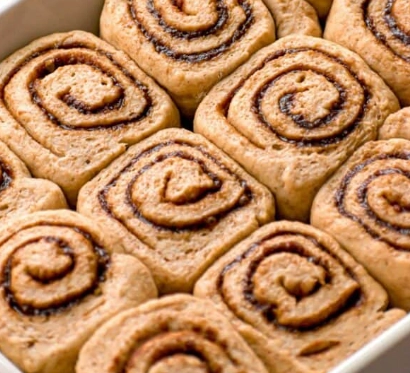
Temperature is Your Secret Weapon
Yeast is a living thing. Kill it with too-hot liquid, and your dough won't rise. Wake it up too slowly with cold liquid, and you'll be waiting forever. The sweet spot for your liquid (milk, water) is between 105°F and 115°F (40°C-46°C). Warm to the touch, not hot. I use a digital thermometer every single time. Guessing here is the first domino to fall.
Butter and eggs should be genuinely at room temperature. Not just "sat out for 10 minutes." Cold butter won't incorporate evenly, and cold eggs can shock the yeast. Plan ahead.
The Flour Finesse
All-purpose flour works great. Bread flour gives more chew. But the biggest mistake? Over-measuring. Spoon your flour into the measuring cup and level it off. Don't scoop directly from the bag—you can pack in 20% more flour without realizing, leading to a dry, tough dough.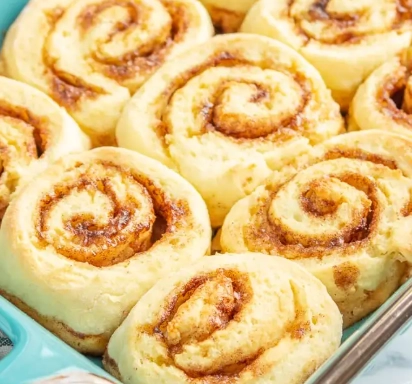
Kneading: Know When to Stop
You want a smooth, elastic dough that passes the "windowpane test"—stretch a small piece, and you should be able to see light through it without it tearing immediately. But over-kneading develops too much gluten, making rolls tough. With a stand mixer, this can happen faster than you think, often in 6-8 minutes on medium speed. Watch the dough, not the clock.
Filling Alchemy: Why Yours Leaks (And How to Fix It)
Here's a mistake I see constantly: recipes calling for melted butter for the filling. It's a trap. Melted butter soaks into the dough, dissolving the brown sugar. During baking, this liquid sugar syrup boils and runs straight out of your beautifully coiled roll, caramelizing into a hard, sticky pan-bottom nightmare.
The fix is simple: use very soft, but not melted, butter. Whip it for a minute until it's creamy and spreadable. Then mix in your brown sugar and spices to form a paste. This paste acts as a barrier, staying in place and melting slowly to create a gooey layer between the dough spirals, not a puddle below.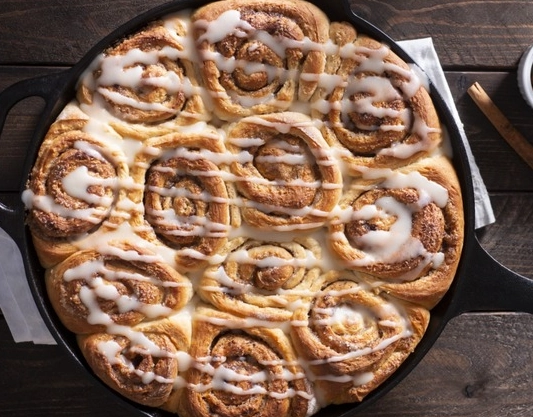
| Filling Type | Butter State | Result | Recommendation |
|---|---|---|---|
| Traditional Paste | Softened, Room Temp | Stays put, even layer, minimal leakage | Best for beginners & consistent results |
| Melted Butter + Sugar Sprinkle | Melted | High risk of syrup leakage, burnt bottoms | Avoid unless specified in a tested recipe |
| Additional Add-ins | N/A | Varied texture and flavor | Toasted pecans or walnuts (pressed in), a thin layer of orange zest, or a sprinkle of instant espresso for depth. |
On cinnamon: don't be shy. Pre-ground cinnamon loses potency fast. For the best flavor, buy whole Ceylon or Saigon cinnamon sticks and grind them yourself in a coffee grinder. The difference is night and day.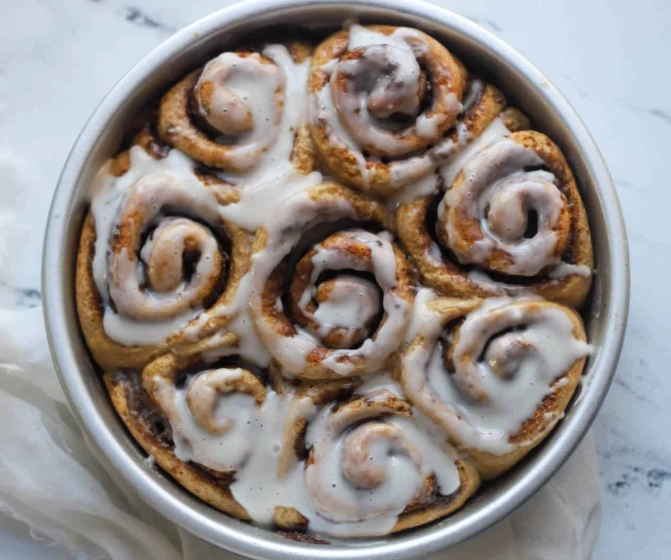
Shaping, Proofing & Baking: The Final Hurdle
You've got a perfect dough ball and a perfect filling paste. Now, don't ruin it by rushing.
The Second Rise is Non-Negotiable
After you roll up the dough log and cut it into rolls, they need a second rise in the pan. This is the proof. Cover them and let them get puffy and nearly doubled again. This usually takes 30-45 minutes. If you skip this and put cold, dense rolls in the oven, they'll bake up dense. Patience here is the secret to that iconic fluffy pull-apart texture.
Baking Temperature: The Internal Truth
Ovens lie. Yours has hot spots. Relying on "golden brown" as your only doneness cue is risky. The most reliable tool in your kitchen for this? An instant-read thermometer. Bake your cinnamon rolls at 350°F (175°C) until the internal temperature at the center of a middle roll hits 190°F (88°C). At this temperature, the starches are fully set, the yeast has done its job, and you have perfect doneness without over-baking. They'll continue to cook a bit from residual heat as they cool.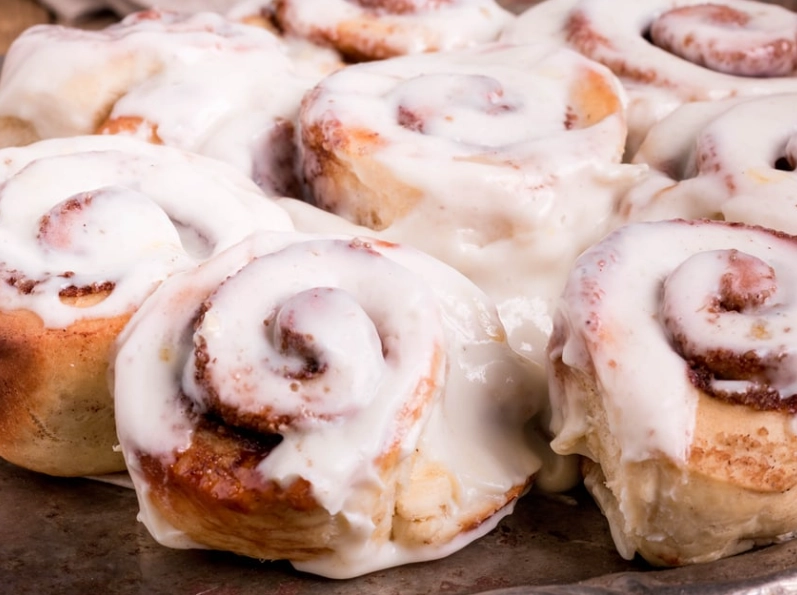
The Frosting & Finish
The glaze or cream cheese frosting is the first thing you taste. A grainy, overly sweet frosting can ruin the balance.
For cream cheese frosting, ensure both the butter and cream cheese are at the same soft temperature before beating. Add a pinch of salt to cut the sweetness. For a simple glaze, use real maple syrup or a splash of heavy cream instead of just milk—it adds richness and a better mouthfeel.
Apply the frosting while the rolls are still warm, not piping hot. The warmth helps it melt just slightly and seep into the top layers.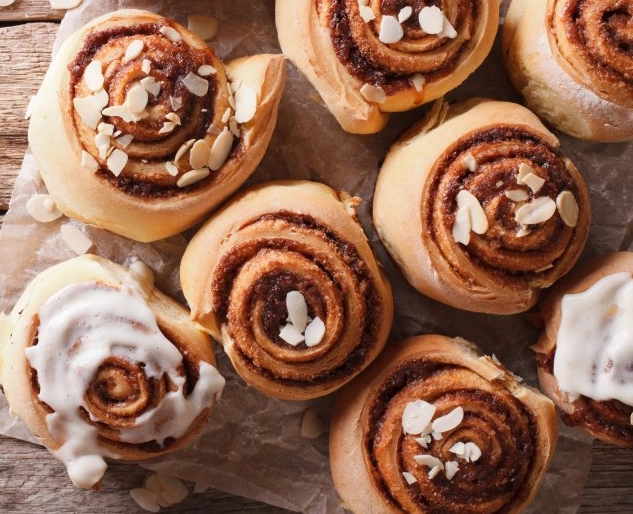
Your Cinnamon Roll Questions, Answered
So there you have it. The secret isn't a secret ingredient. It's paying attention to the temperature of your components, treating the filling like a paste, respecting the proofing time, and using a thermometer to nail the bake. Master these interconnected steps, and you'll move from making good cinnamon rolls to creating legendary ones that have people asking for your "secret" recipe.
Leave a Comment