Let's be honest. Most macaron recipes fail because they're vague. "Add enough powdered sugar" or "whip the meringue until stiff" leaves too much room for error. After a decade of teaching pastry classes and fixing more batches than I can count, I've learned that success lives in the details—specifically, the exact measurements and the specific techniques that most recipes gloss over. This isn't just another macaron recipe. It's a blueprint. We're going to use a digital scale (non-negotiable) and walk through every gram and every movement.
My first batch? A complete disaster. Cracked, hollow, and stuck to the parchment. I blamed my oven, the weather, everything but the recipe. The truth was, my almond flour wasn't fine enough, and I had no idea what "ribbon stage" actually looked like. I'm going to make sure you don't make those same mistakes.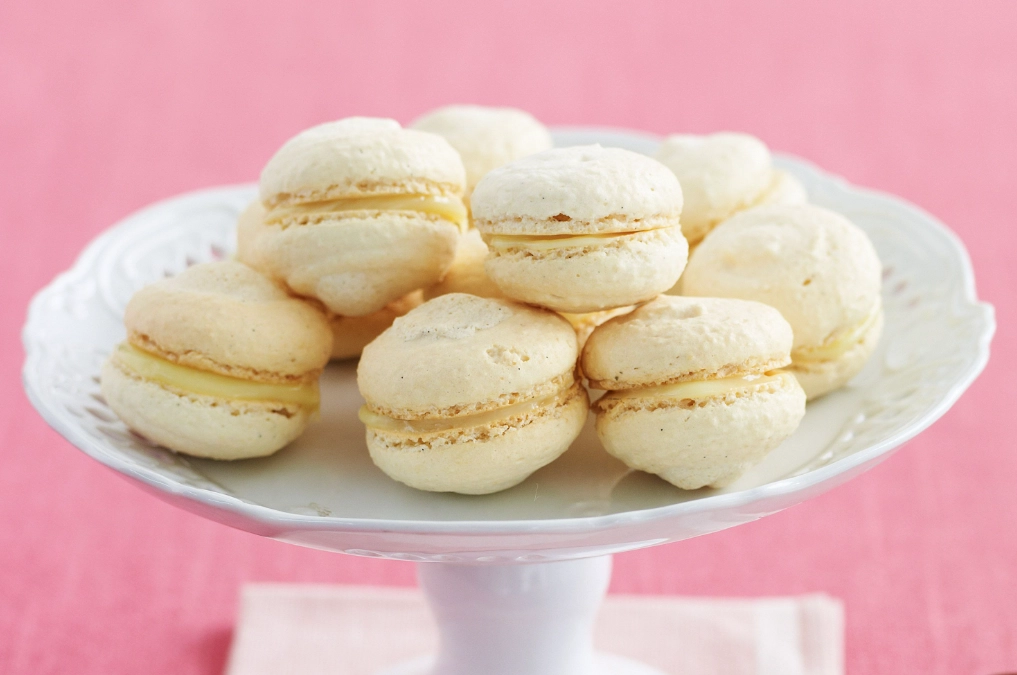
What You'll Find in This Guide
Ingredients & Tools: The Non-Negotiables
You can't build a stable house with poor materials. Same goes for macarons. Here’s exactly what you need, and more importantly, why you need it.
| Ingredient | Exact Measurement | Purpose & Quality Note |
|---|---|---|
| Superfine Almond Flour | 150 grams | Provides structure and flavor. Must be blanched and superfine. Bob's Red Mill or Blue Diamond work well. Sift it twice. |
| Powdered Sugar (Icing Sugar) | 150 grams | Sweetens and contributes to smooth tops. Avoid brands with added cornstarch if possible. |
| Large Egg Whites (approx. 3-4) | 110 grams | The leavening agent. Must be at room temperature (70°F/21°C) for maximum volume. Weigh them after separating. |
| Granulated White Sugar | 100 grams | Stabilizes the meringue. Do not reduce. |
| Cream of Tartar (optional) | 1/4 teaspoon | Helps stabilize the meringue, especially useful in humid climates. |
| Gel Food Coloring | A few drops | Liquid coloring adds moisture and can ruin the batter. Use gel or powder only. |
Why Weighing is Critical: A cup of almond flour can vary by 20 grams depending on how it's packed. That's enough to throw off the entire dry-to-wet ratio. A $20 digital kitchen scale is the single best investment for macaron success. Trust me on this.
Essential Tools: Digital scale, fine-mesh sieve, stand mixer or powerful hand mixer, rubber spatula, piping bag fitted with a 1/2-inch round tip (like Wilton 1A), parchment paper or silicone mats, and an oven thermometer. Your oven's display is often a liar.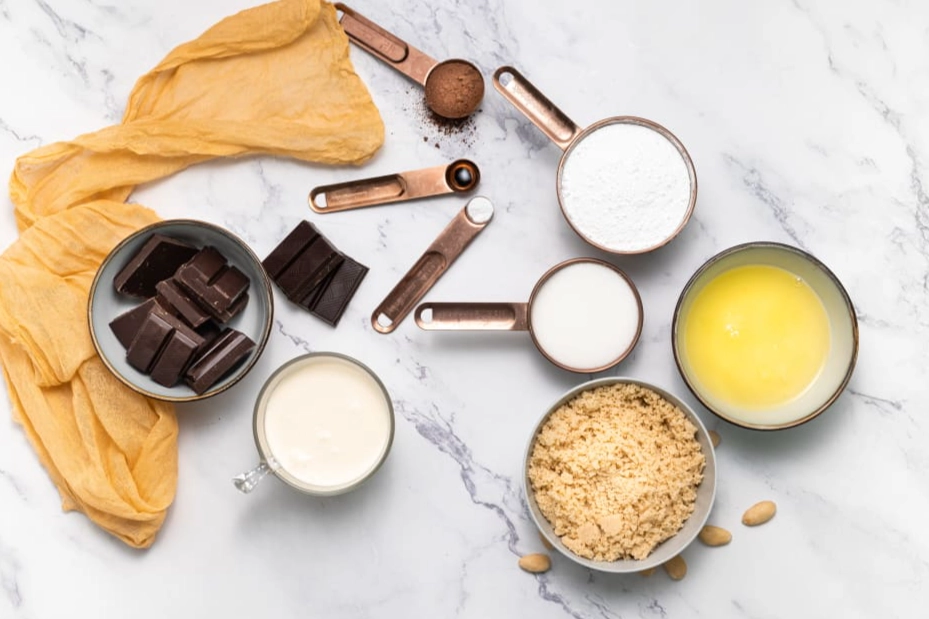
How to Measure & Prepare Your Ingredients
This is where most people rush. Don't. Misprepped ingredients are the root of 50% of failures.
Preparing the Dry Ingredients (The TPT)
In French pastry, the combined almond flour and powdered sugar is called "TPT" (tant pour tant). Weigh your 150g almond flour and 150g powdered sugar directly into a bowl. Sift them together through a fine-mesh sieve into a larger bowl. This is non-negotiable. Any large almond bits left behind? Discard them. They'll cause lumpy shells.
Do this sifting twice. It aerates the mixture and ensures a perfectly homogenous blend.
Preparing the Egg Whites
Separate your eggs when they're cold—it's easier. Then, let the whites sit in a covered container on the counter for at least 2 hours to come to room temperature. Cold whites won't whip to their full volume. Weigh out exactly 110 grams into the bowl of your stand mixer.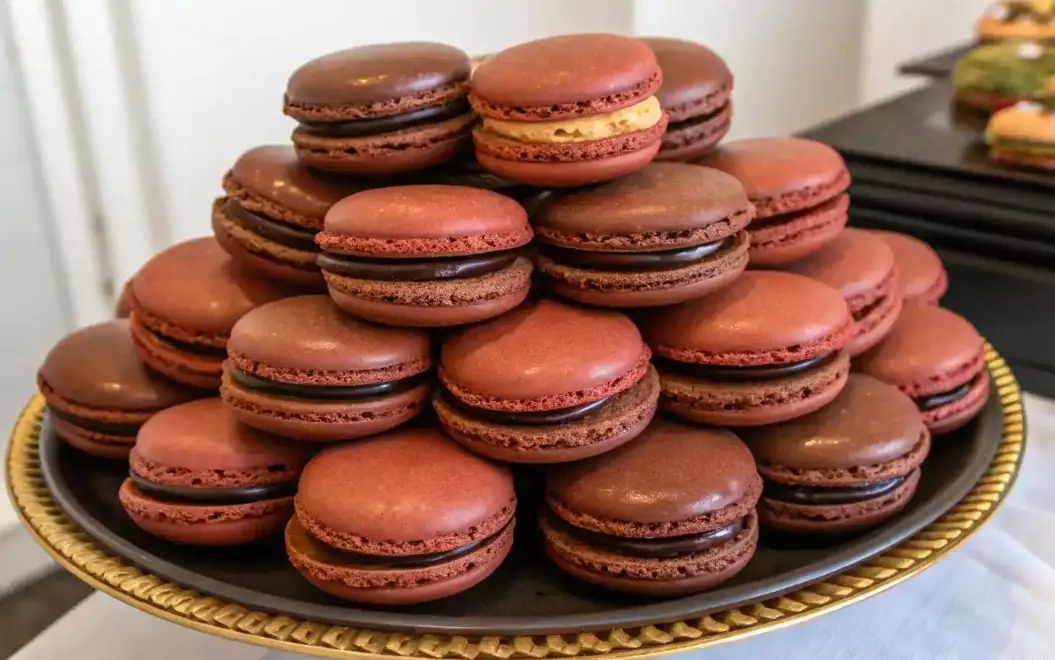
A Pro's Secret: If you're in a dry climate, some chefs "age" egg whites by leaving them in the fridge for 2-3 days. It reduces moisture content. In a humid climate, I find room-temp fresh whites work just fine. The real key is the weight and temperature.
The Step-by-Step French Macaron Recipe
Now, the action. Clear your workspace. Have everything measured and ready to go (mise en place).
Step 1: Making the French Meringue
Add the optional cream of tartar to your 110g of egg whites. Start mixing on medium speed (KitchenAid setting 4) until frothy. Gradually add the 100g of granulated sugar, about a tablespoon at a time. Once all sugar is added, increase speed to medium-high (setting 8) and whip until you reach stiff, glossy peaks.
What does that mean? The meringue should stand straight up when you lift the whisk. The tip should not curl over. If you invert the bowl, nothing should move. Add your gel food coloring in the last 30 seconds of whipping.
Step 2: The Macaronage (The Folding)
This is the heart of the process. Add about one-third of your sifted TPT (almond/sugar mix) to the meringue. Fold it in roughly with a spatula—it's okay to be vigorous here to start combining. Add the remaining dry ingredients.
Now, switch to a precise, gentle folding motion. Scrape from the bottom of the bowl, up the side, and press the batter against the side of the bowl. Rotate the bowl 90 degrees. Repeat.
You're looking for the "lava" or "ribbon" stage. Lift your spatula and let the batter fall back into the bowl. It should flow off in a thick, continuous ribbon that holds its shape for a few seconds before melting back into the rest. The surface should be very shiny.
The most common mistake? Under-mixing. People are so scared of over-mixing that they stop too soon. Under-mixed batter is too thick, leads to peaked tops and no feet. Over-mixed batter is too runny and spreads into puddles. It takes practice. When in doubt, do 2-3 more folds and test again.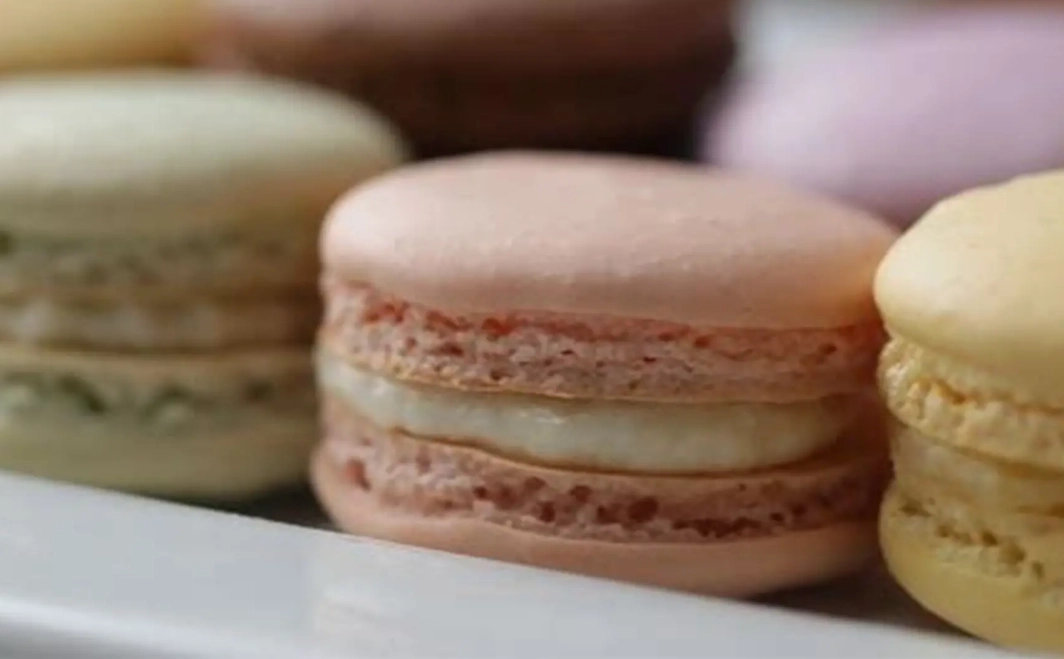
Step 3: Piping the Shells
Fit your piping bag with the round tip. Place it upright in a tall glass and cuff the top over the rim for easy filling. Pour in the batter.
On parchment-lined baking sheets, pipe 1.5-inch rounds, holding the bag vertically about 1/2 inch above the sheet. A quick, firm squeeze, then stop pressure and swirl your wrist to cut off the batter. They will spread a little. Leave about 1.5 inches between them.
Firmly tap the baking sheet against the counter 3-4 times. This releases any large air bubbles. Use a toothpick to pop any visible bubbles on the surface.
Resting & Baking: The Final Hurdle
This is the other 50% of the battle.
The Resting Period
Let the piped shells sit at room temperature until they form a dry skin. You should be able to lightly touch the surface without any batter sticking to your finger. This can take 20-60 minutes, depending on humidity.
No skin? The tops will crack in the oven as the steam escapes violently. Too long in very humid weather? They might never form a proper skin—this is when you'd need a dehumidifier or just pick a drier day.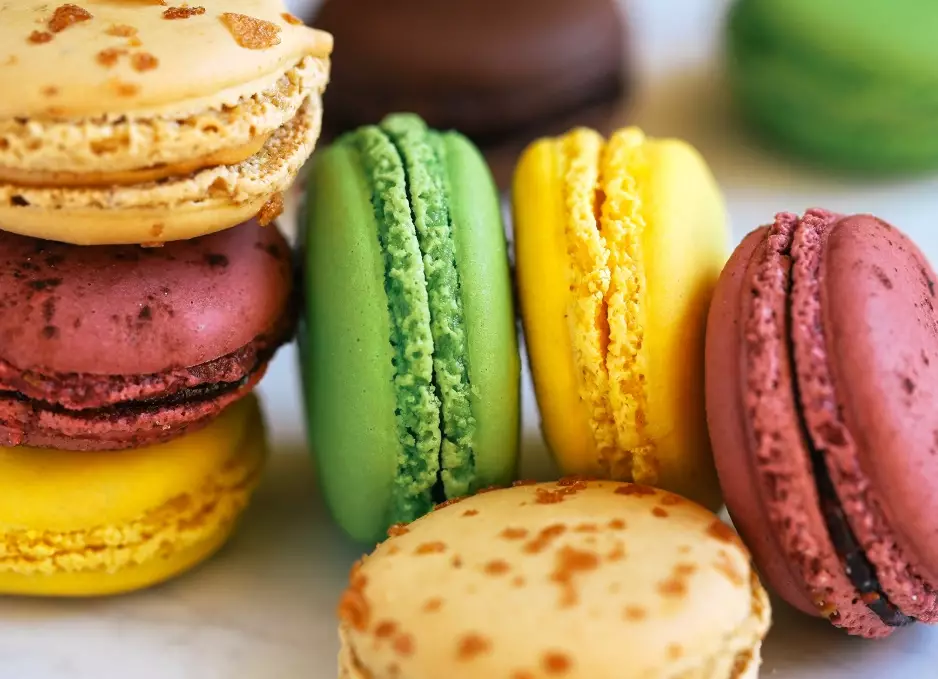
Baking to Perfection
While the shells rest, preheat your oven. Here's the controversial part: There is no universal perfect temperature. My oven is best at 300°F (150°C). Yours might be 295°F or 305°F. This is why the oven thermometer is crucial. Know your actual oven temperature.
Bake one sheet at a time in the center rack for 14-16 minutes. They are done when they barely wiggle when you gently nudge the top. If they slide on their feet, they need more time.
Let them cool completely on the baking sheet before attempting to remove them. Fill with your favorite buttercream, ganache, or jam.
Your Macaron Questions, Answered
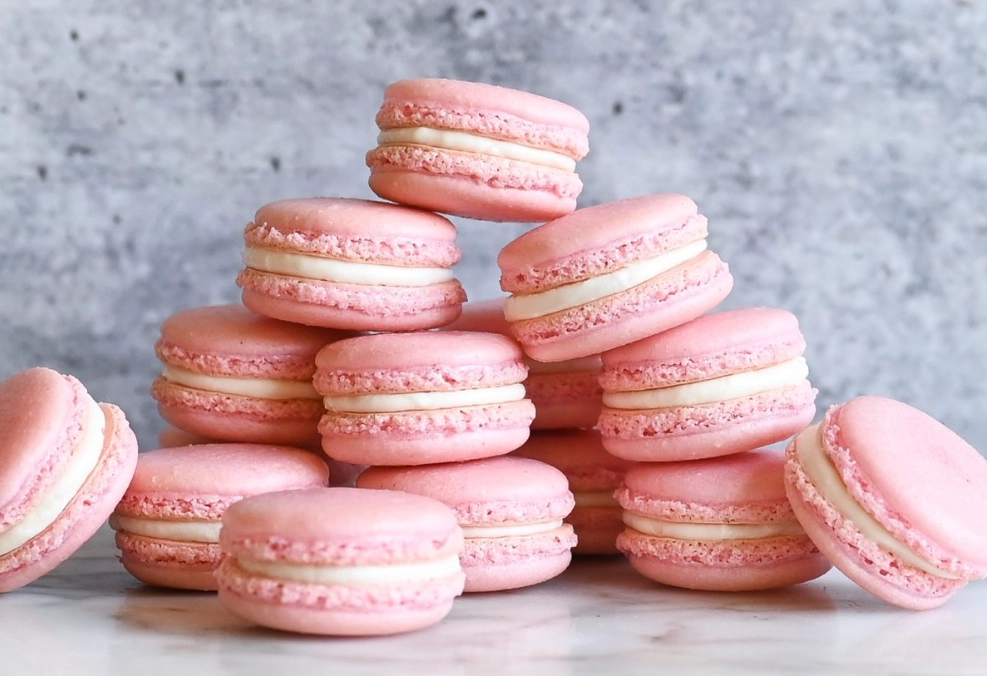 My macarons have no feet. What went wrong?

Leave a Comment