I still cringe thinking about my first batch of macarons. They were lumpy, cracked, and had feet that spread out like pancake batter. It took me years of trial, error, and learning from pastry chefs in Lyon to crack the code. If you're tired of unreliable recipes, this professional macaron recipe strips away the fluff and gives you the real deal—ingredients that matter, steps that work, and fixes for when things go wrong.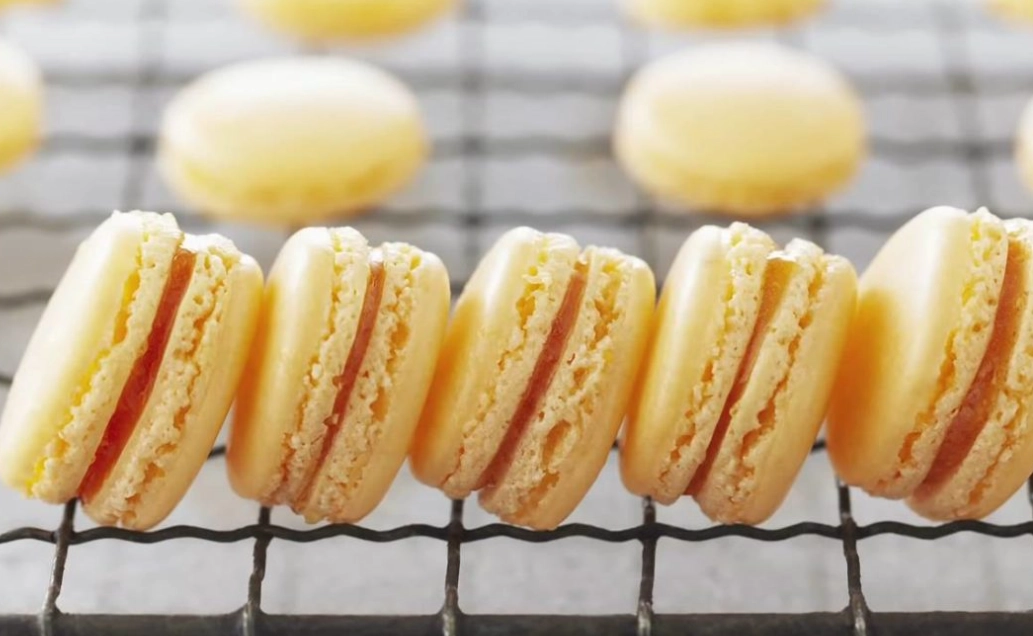
Jump to What Matters
The Ingredients That Actually Make a Difference
Most recipes list almond flour, sugar, and egg whites. But the devil's in the details. Get these wrong, and your macarons will fail before they even hit the oven.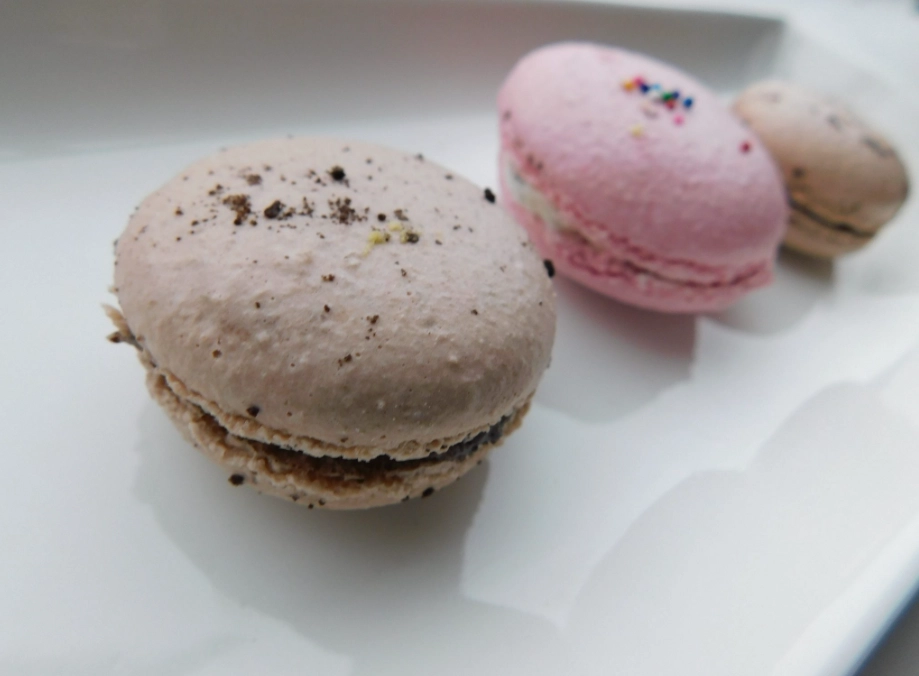
Almond Flour: It's All About Fineness
I used to buy any almond flour off the shelf. Big mistake. Cheap brands often have oily residues or uneven grinds, leading to grainy shells. For professional results, sift your almond flour twice—yes, twice—through a fine-mesh sieve. Brands like Bob's Red Mill or Blue Diamond work well, but if you're serious, grind your own blanched almonds with powdered sugar in a food processor for 30 seconds. It makes the texture silkier.
Pro tip: Weigh your ingredients. Volume measurements are unreliable. For 20 shells, use 100g almond flour, 100g powdered sugar, 70g egg whites, and 90g granulated sugar. A digital scale costs less than a failed batch.
Egg Whites: The Aging Myth Debunked
Many guides insist on aging egg whites for days. I've found it's overrated. Fresh egg whites whip just fine if they're at room temperature and free of yolk traces. The real key? Don't add cream of tartar too early. Whip the whites to soft peaks first, then gradually add sugar and a pinch of cream of tartar for stability. This prevents over-whipping, which causes hollow shells.
Sugar: Granulated vs. Powdered
Granulated sugar goes into the meringue; powdered sugar mixes with almond flour. But here's a nuance: use extra-fine granulated sugar if possible. It dissolves faster, creating a smoother meringue. For powdered sugar, avoid brands with cornstarch additives—they can alter the texture. Make your own by blending granulated sugar briefly if needed.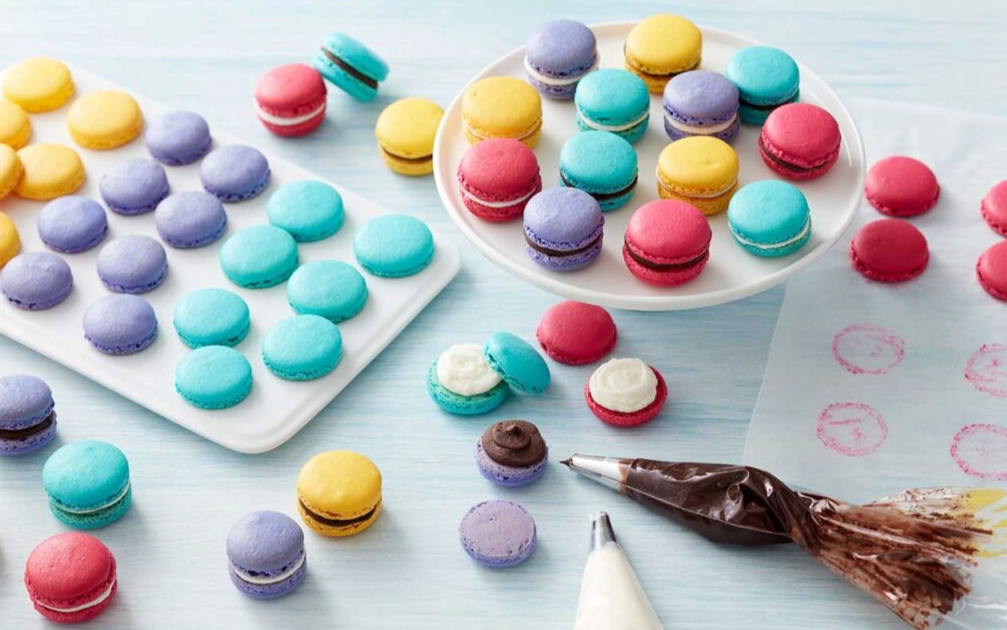
Step-by-Step: From Meringue to Assembly
This isn't just mixing and baking. It's a dance of precision. Follow this sequence, and you'll see why professional macaron recipes work.
Making the Meringue: French Method Simplicity
I prefer the French method—it's simpler for home bakers. Whip room-temperature egg whites until frothy, then add granulated sugar in three parts. Whip to stiff peaks, but stop when the meringue forms sharp ridges. Over-whipping introduces too much air, leading to cracks. Under-whipping, and the shells won't rise. Test by tipping the bowl; if the meringue slides, keep going.
Macaronage: The Folding Technique Everyone Gets Wrong
This is where most people fail. Fold the almond flour mixture into the meringue using a spatula. Not stirring, not beating—folding with a J-shaped motion. The batter should flow like lava, not be runny. A trick: after 30 folds, check consistency. Lift the spatula; the batter should fall in a ribbon that dissolves back into itself in 10 seconds. Any longer, it's under-mixed; shorter, over-mixed. I ruined five batches before nailing this.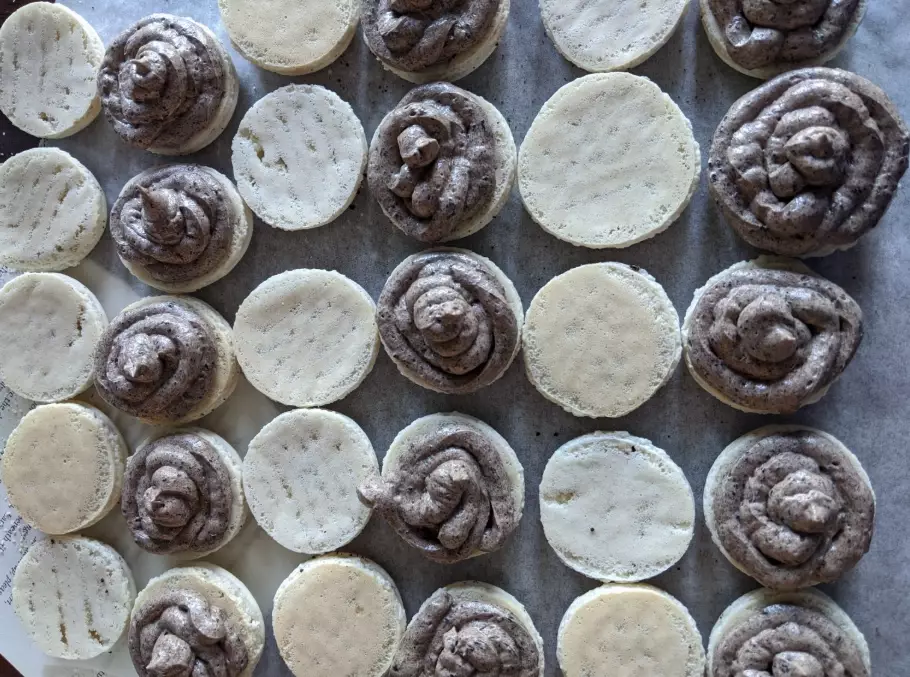
Piping and Resting: Patience is Non-Negotiable
Pipe onto silicone mats or parchment paper. Tap the tray firmly on the counter to release air bubbles—use a toothpick to pop any visible ones. Then, let them rest at room temperature for 30-60 minutes until a skin forms. In humid climates, use a fan or dehumidifier. Skip this, and your macarons will crack or lack feet.
Baking: Temperature Secrets from a Pastry Kitchen
Preheat your oven to 300°F (150°C). Bake for 12-15 minutes, rotating halfway. But ovens vary. Mine runs hot, so I drop to 290°F. Use an oven thermometer. The shells are done when they don't wiggle when touched. Under-baking causes stickiness; over-baking browns them. Let cool completely before removing.
Watch out: Don't open the oven door during baking. Temperature fluctuations cause uneven rising. Set a timer and trust the process.
Common Macaron Mistakes (And How to Avoid Them)
Even with a professional macaron recipe, things go sideways. Here's how to fix common issues.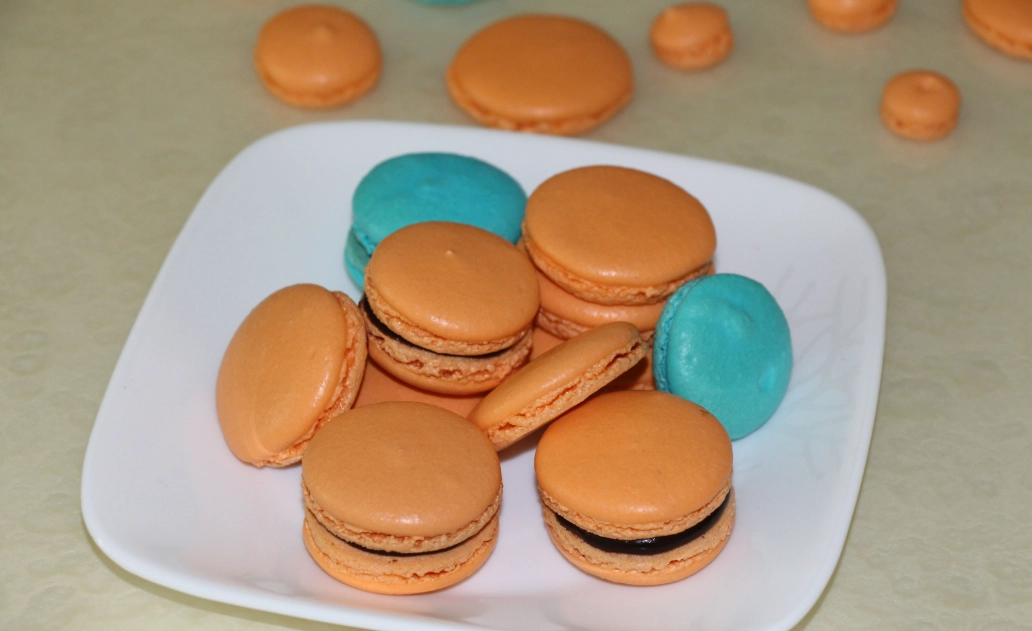
Cracked shells: Usually from under-resting or high oven heat. Ensure a proper skin forms before baking, and calibrate your oven.
Hollow macarons: The silent killer. Often from under-whipped meringue or over-mixing batter. Whip to stiff peaks and fold carefully.
Sticky feet: Shells stick to the mat? They're under-baked. Add 2-3 minutes to baking time, but check for browning.
I once had a batch where half were hollow. Turns out, my batter was too thick from humid flour. Now, I store almond flour in the freezer and bring it to room temperature before use.
Pro Tips for Flavor and Presentation
Once you master the basics, play with flavors. Infuse egg whites with vanilla bean or citrus zest. For fillings, buttercream works, but ganache is more stable. Try dark chocolate ganache with a pinch of sea salt.
Color-wise, use gel food coloring, not liquid. Add it during macaronage. Start with a drop; you can always add more.
Store macarons in an airtight container in the fridge for up to 5 days. They taste better after maturing for 24 hours—the shells soften and meld with the filling.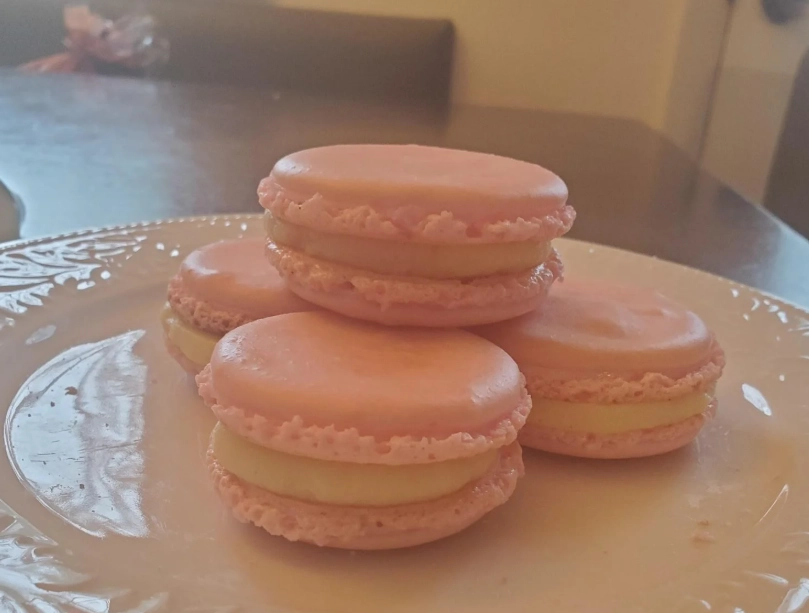
Your Macaron Questions Answered
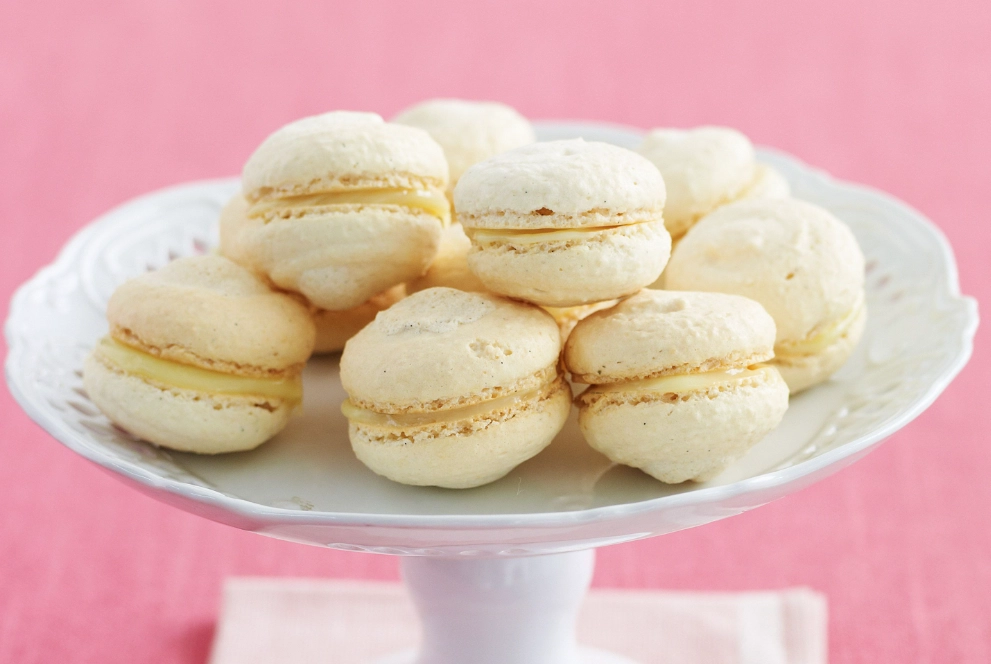 Mastering a professional macaron recipe isn't about magic—it's about nailing the basics and learning from mistakes. Start with precise ingredients, follow the steps without rushing, and don't fear failures. My worst batches taught me more than any perfect one. Now, go bake something beautiful.




Leave a Comment