Quick Guide
- Why This Specific Macaron Recipe for Beginners Works
- Gathering Your Tools & Ingredients: No Compromises
- The Step-by-Step, Hold-Your-Hand Macaron Recipe for Beginners
- Filling, Maturing, and Storing Your Masterpieces
- Macaron Troubleshooting: Your Quick-Fix Guide
- Beginner Macaron FAQs: Answering What You're Really Thinking
- Final Thoughts Before You Start
Let's be honest. The first time I tried to make macarons, it was a disaster. Cracked tops, no feet, stuck to the parchment paper... you name it, I probably created it. I almost gave up. But then I realized most recipes and videos were made by pros who forgot what it's like to be a total newbie. They'd say "just macaronage until it flows like lava" and I'm sitting there thinking, what does lava even flow like?
So I went back to the drawing board. I tested, failed, adjusted, and failed some more. After what felt like a hundred batches (okay, maybe fifty-something), I finally cracked the code. This macaron recipe for beginners is the result. It's the one I wish I had when I started. It's not the fanciest, but it's the most reliable. We're going to walk through every single step, call out every potential pitfall, and get you those perfect, shiny, footed little sandwiches.
Why trust me? Because I've made every mistake in the book so you don't have to. And I'll point them out as we go.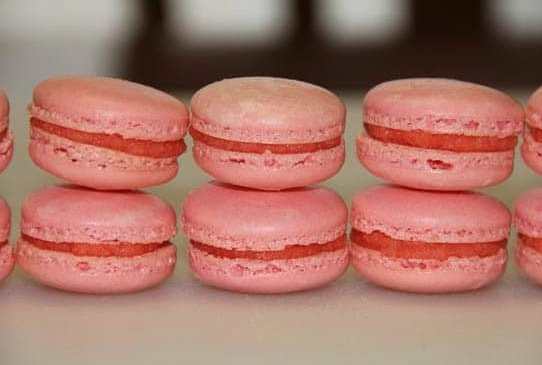
Why This Specific Macaron Recipe for Beginners Works
Most beginner recipes are just simplified pro recipes. That's a problem. They skip over the tiny details that make or break a batch when you're inexperienced. This one is built differently.
The core of the issue is that macarons are a meringue-based cookie. They're incredibly sensitive to humidity, ingredient temperature, and mixing technique. A tiny change can throw everything off. This recipe uses the French method (no cooking sugar syrup) because, frankly, it's the most straightforward for a first-timer. The Italian method is more stable, but the sugar syrup stage adds a whole new layer of things that can go wrong.
I've also chosen ingredients and ratios that are forgiving. A bit more almond flour? It'll probably be okay. A slightly undermixed batter? We can recover it. The goal here is a foolproof macaron recipe that builds your confidence.
The Golden Rule for Beginners: Precision first, creativity later. For your first few batches, follow this recipe to the letter. Don't swap ingredients, don't eyeball measurements. Once you've nailed the basic technique, then you can start playing with colors and flavors. Trust me on this.
Gathering Your Tools & Ingredients: No Compromises
This is where many first attempts fail before they even start. Using the wrong almond flour or a flimsy baking sheet sets you up for a struggle.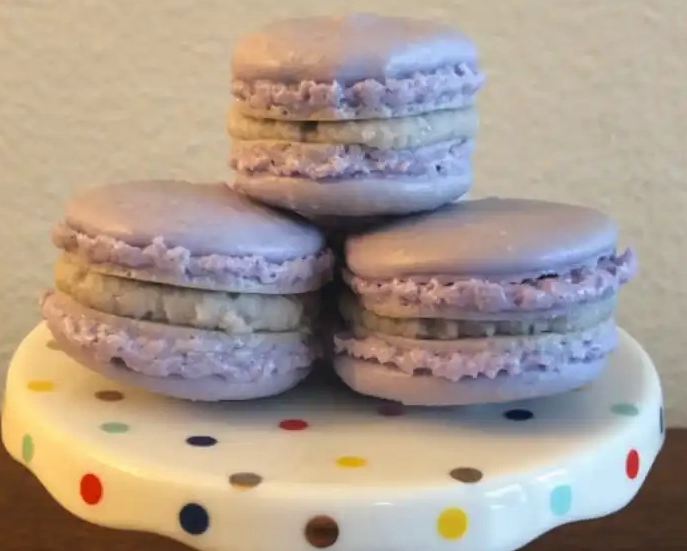
The Non-Negotiable Ingredients
Let's talk about what you need to buy. Yes, you need to buy specific things. Substitutions here are a recipe for flat, cracked cookies.
- Almond Flour: This is the big one. You need super-fine, blanched almond flour. Not almond meal. The meal has the skins on and is coarser, which will give you a grainy, speckled shell. I've had the best consistent results with brands like Blue Diamond or Bob's Red Mill super-fine variety. It should feel like powder, not sand. Sifting is non-optional, but starting with fine flour makes it easier. The Almond Board of California has great resources on why almond quality matters in baking.
- Powdered Sugar (Icing Sugar): Just regular, plain powdered sugar. Don't get the kind with cornstarch added for anti-caking—wait, most have it. That's actually fine. The cornstarch is usually already in there and it's not an issue.
- Egg Whites: Aged egg whites are a classic tip. Separate your eggs 24-48 hours ahead, cover the whites, and let them sit in the fridge. This lets some water evaporate, making them more stable for meringue. Is it absolutely mandatory? For this beginner recipe, I highly recommend it. It's a safety net. Bring them to room temperature before using.
- Granulated Sugar: Plain white sugar. Don't use coarse sugar.
- Cream of Tartar (optional but helpful): A tiny pinch (like 1/8 tsp) helps stabilize the meringue, especially on humid days. It's a beginner's friend.
Pro Tip from My Failures: Weigh your ingredients. Seriously. Cups are unreliable for macarons. A small kitchen scale is the best $15 you'll spend for baking. It removes all the guesswork. If you must use cups, spoon the flour and powdered sugar into the cup and level it off—don't scoop.
The Essential Equipment
You don't need a stand mixer, but it helps. A good hand mixer works fine.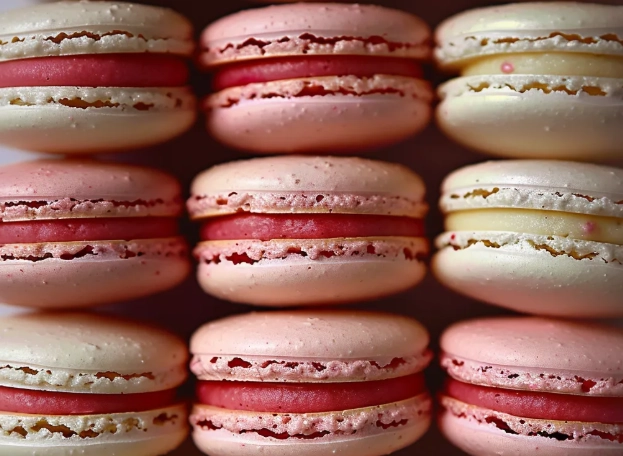
| Tool | Why You Need It | Budget-Friendly Alternative |
|---|---|---|
| Digital Kitchen Scale | Absolute precision for dry ingredients. The #1 tool for success. | None. This is non-negotiable for consistency. |
| Stand Mixer or Hand Mixer | You need to whip the meringue to stiff, glossy peaks. Doing this by hand is... ambitious. | A good quality hand mixer works perfectly. |
| Sieve/Fine-Mesh Strainer | To sift the almond flour and powdered sugar together. Removes lumps. | A basic wire mesh strainer from any store. |
| Heavy Baking Sheets | Thin sheets warp in the oven, causing uneven baking. | Use two thin sheets stacked together. |
| Silicone Macaron Mat or Parchment Paper | Provides a non-stick, consistent surface. Mats have guides for size. | Parchment paper is cheaper and works great. Draw circles on the underside as guides. |
| Piping Bag & Round Tip | For piping uniform circles. A zip-top bag with a corner cut off is messy. | A disposable piping bag is very cheap. Use a Wilton 1A or 12 tip. |
| Oven Thermometer | Your oven's dial is probably lying. Macarons are temperature-sensitive. | A $5 oven thermometer is a game-changer. Check its accuracy against a known standard like the guidelines from NIST. |
See? Nothing too crazy. The scale and oven thermometer are the secret weapons.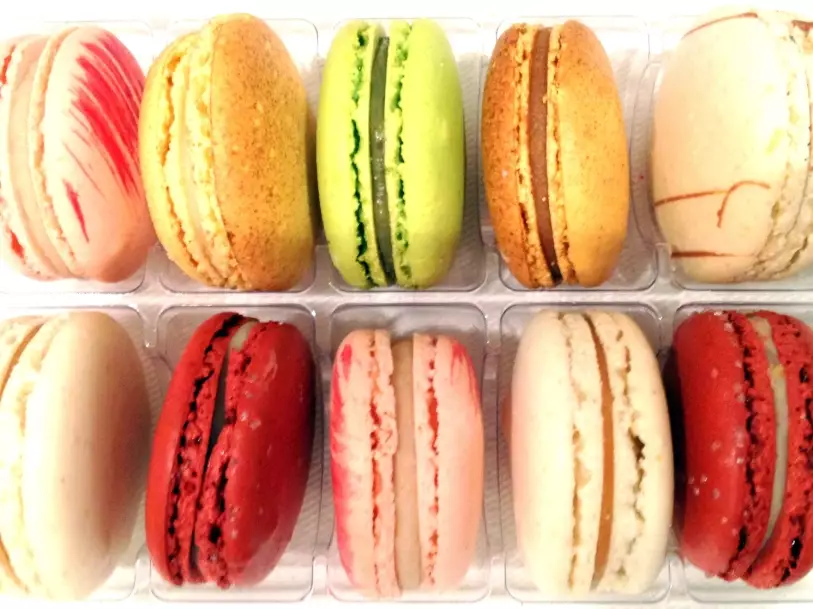
The Step-by-Step, Hold-Your-Hand Macaron Recipe for Beginners
Okay. Ingredients are weighed, tools are out, oven thermometer is in place. Let's bake. Set aside a good 2 hours without rushing. Read all steps first.
Part 1: The Dry Mix (The Foundation)
This is the easy part, but do it carefully.
- Sift, then sift again. Put 100g of super-fine almond flour and 100g of powdered sugar into a sieve over a large bowl. Tap and press it through. You'll be left with some coarse bits of almond. You can try to push them through, or just discard them (this is why buying fine flour saves you money!). This step ensures a perfectly smooth shell. Do it twice if you can bear it.
- Whisk the dry ingredients. Give the sifted almond flour and powdered sugar a good whisk to combine them evenly. Set this bowl aside.
Part 2: The French Meringue (The Heart of It)
Here's where the magic and the anxiety happen. Take a deep breath.
- Prepare your egg whites. Into the super-clean, grease-free bowl of your mixer, add 75g of aged egg whites (about 2-3 large eggs' worth) at room temperature. Add that tiny pinch of cream of tartar.
- Start whipping. Start mixing on medium speed. Once the eggs are frothy (like a bubble bath), start adding 100g of granulated sugar very gradually, about a tablespoon at a time. Don't dump it in.
- Increase speed and watch. Once all the sugar is in, increase the speed to medium-high. Now you watch. You're looking for stiff, glossy peaks. This can take 5-10 minutes. What does "stiff peaks" mean? Stop the mixer, lift the whisk straight up. The meringue should form a sharp peak that stands straight up and doesn't droop at the tip. The bowl should be tipped upside-down without the meringue moving (maybe don't test that on your first try). The meringue should look glossy and smooth, not grainy.

Common Meringue Mistake: Under-whipping is more common than over-whipping for beginners. If your peaks are soft and curl over, keep mixing. Check every 30 seconds. Over-whipping makes it look dry and clumpy. If that happens, you can try to salvage it by adding one fresh egg white and whisking briefly, but it's tricky. It's better to be patient.
Part 3: Macaronage (The Make-or-Break Technique)
This is the most important step. Macaronage is the process of folding the dry ingredients into the meringue. It deflates the meringue just enough to create a batter that flows smoothly.
- Add the dry mix. Dump all of your dry flour/sugar mixture onto the meringue.
- Initial folds. Using a flexible silicone spatula, start folding. Cut through the center, scrape around the side, and fold over. Rotate the bowl. Do this firmly but not aggressively. The goal is to incorporate the dry ingredients. It will look thick and clumpy at first. That's okay.
- Test for the "figure-8" or "lava" stage. After about 25-30 folds, the batter will start to come together. Now, test it. Scoop up some batter with your spatula and let it fall back into the bowl. It should fall in a thick ribbon. The ultimate test: lift the spatula and try to draw a figure "8" with the falling batter. If the ribbon of batter holds its shape long enough for you to draw the "8" before melting back into the surface, it's perfect. If it breaks immediately, keep folding (a few folds at a time). If it's so runny it immediately dissolves, you've gone too far.

This is the part that feels like witchcraft.
My personal take? The figure-8 is a good guide, but for a true easy macaron recipe, I aim for a batter that flows slowly off the spatula in a thick, continuous ribbon. It should have a slight shine. When in doubt, stop a little early. You can always fold a few more times, but you can't un-fold.
Part 4: Piping, Tapping, and Resting
- Prepare your pans. Fit your piping bag with a round tip. Place your silicone mat or parchment (with drawn guides) on a heavy baking sheet.
- Pipe the shells. Hold the bag perpendicular to the pan, about half an inch above it. Squeeze steadily to form a circle, then stop squeezing and swirl your tip away quickly to avoid a peak. They will spread a little, so leave space.
- Bang the tray. This is fun. Lift the tray a few inches off the counter and drop it flat. Do this 3-5 times. This releases air bubbles that would cause hollow shells or cracks. You should see tiny bubbles come to the surface and pop.
- Let them rest. This is CRUCIAL. Let the piped macarons sit at room temperature until they form a skin. This can take 30-60 minutes, depending on humidity. You should be able to lightly touch the surface without any batter sticking to your finger. This skin is what helps them rise upwards in the oven, creating the iconic "feet." No rest = no feet, or cracked tops.
Part 5: Baking and Cooling
- Preheat correctly. While they rest, preheat your oven to 300°F (150°C). Use that oven thermometer! My oven says 300°F but is actually 285°F. I now bake at 315°F on the dial to get a true 300°F.
- Bake one tray at a time. Place the tray in the middle rack. Bake for 15-18 minutes. They are done when they don't wobble if you gently touch the top. Don't let them brown.
- Cool completely. Let them cool completely on the baking sheet before trying to remove them. They will release easily when cool. If they stick, they're underbaked.
You did it. Take a look. Shiny tops? Check. Ruffly feet? Check. Smooth bottoms? Check. Celebrate. The first batch is always the hardest.
Filling, Maturing, and Storing Your Masterpieces
You can't eat them yet! Well, you can, but they're better tomorrow.
Filling: Use anything thick and delicious. American buttercream is easy. Swiss meringue buttercream is less sweet. Ganache is divine. Lemon curd is fantastic but must be thick. Pipe or spread a small amount on the flat side of one shell and sandwich with another.
Maturing: This is the real secret of macarons. After filling, store them in an airtight container in the fridge for 24-48 hours. This process, called maturation, allows the filling to soften the shells from the inside out. The texture transforms from slightly crisp to uniformly chewy and melded. It's a night-and-day difference.
Storing: Matured macarons keep in the fridge for up to 5 days, or you can freeze unfilled shells for a month. Thaw in the fridge.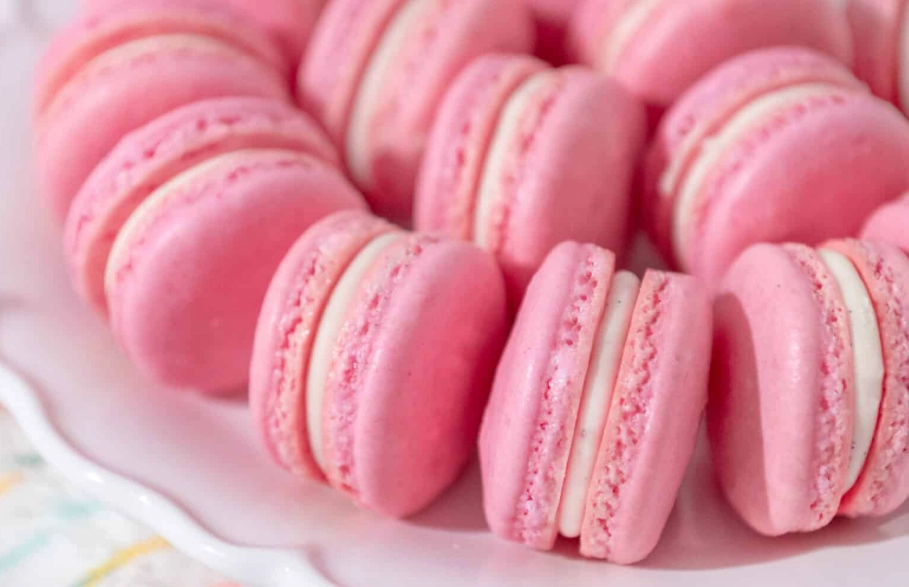
Macaron Troubleshooting: Your Quick-Fix Guide
Something went wrong? Don't panic. It's data, not failure. Here's the most common stuff.
| Problem | Likely Cause | How to Fix It Next Time |
|---|---|---|
| No Feet / Spread Out | 1. Batter was overmixed (too runny). 2. The shells did not rest long enough to form a skin. 3. Oven temperature too low. | Stop mixing earlier. Test for figure-8. Ensure a dry skin forms before baking. Verify oven temp with a thermometer. |
| Cracked Tops | 1. Under-whipped meringue. 2. Air bubbles not banged out. 3. Oven temperature too high, causing rapid rise. | Whip to stiff, glossy peaks. Bang trays firmly. Lower oven temp slightly. |
| Hollow Shells | 1. Over-whipped meringue. 2. Overmixed batter. 3. Oven temperature too high. | Don't overwhip the meringue. Mix just to the figure-8 stage. Try lowering the temp 5-10°F. |
| Sticking to Parchment | Underbaked. | Bake 1-2 minutes longer. Let cool completely before removing. |
| Lopsided / Uneven Feet | 1. Uneven oven heat (hot spot). 2. Warped baking sheet. 3. Piping at an angle. | Rotate tray halfway through baking. Use heavy, flat pans. Hold piping bag straight up and down. |
See? Most problems have a logical fix. It's usually one of three things: mixing, resting, or oven temperature.
Beginner Macaron FAQs: Answering What You're Really Thinking
Let's tackle the questions that pop up when you're covered in powdered sugar.
Can I use liquid food coloring?
I wouldn't recommend it for your first batch. Liquid coloring adds moisture, which can throw off the batter consistency. If you want color, use gel or powder food coloring. Add it to the meringue right before you finish whipping it. A little goes a long way.
Why do my macarons have little points on top?
That means you pulled the piping bag away too slowly or at an angle. When you finish piping a circle, stop squeezing first, then quickly swirl the tip away in a little circular motion to cut off the batter flow. Practice makes perfect.
How humid is too humid to make macarons?
This is a real headache. If the humidity is above 65%, the shells may struggle to dry and form a skin. They might take hours, or never properly dry. On very humid days, try turning on your air conditioner or a dehumidifier in the kitchen. Or, just pick a drier day. The National Weather Service climate data can help you plan your baking day.
Can I make this macaron recipe for beginners without almond flour due to allergies?
This is tough. Macarons are defined by almond flour. Substitutes like pumpkin seed flour or sunflower seed flour can work, but they behave differently—they're oilier, have different protein contents, and can change color when baked. It's a whole new experiment. For a nut-free start, I'd suggest looking for a recipe specifically designed for the alternative flour you want to use.
My oven doesn't have a precise temperature setting. What do I do?
You're not alone. Many older ovens cycle on and off, creating hot and cold spots. This is why the oven thermometer is your best friend. Find the dial setting that gives you a steady(ish) 300°F. You'll likely need to rotate your trays more frequently. Baking on the middle rack and using a pizza stone or baking steel on the bottom rack can help stabilize the temperature.
Final Thoughts Before You Start
Look, this macaron recipe for beginners is detailed because the process needs detail. It's not a difficult recipe, but it is a precise one. It rewards patience and punishes haste.
My biggest piece of advice? Don't get discouraged by batch one. Or even batch two. View each one as a learning experience. Take notes on what you did, what the weather was like, how long you rested them. That data is gold for your next try.
The feeling when you pull a perfect tray out of the oven is incredible. That moment when you bite into a chewy, flavorful macaron that you made? It's worth every cracked shell that came before it.
So go on. Weigh your almond flour. Whip that meringue. Fold with confidence. You've got this.

Leave a Comment