What You’ll Learn in This Guide
Let's be honest. The internet is full of macaron recipes that promise perfection but deliver frustration. You follow the steps, weigh everything perfectly, and still end up with hollow shells, cracked tops, or worse—no feet at all. I've been there. After a decade of teaching pastry classes and more failed batches than I care to admit, I've refined a single method that works. This isn't just another recipe; it's a system built on understanding the why behind each step. Forget the mystique. Let's make reliable, beautiful French macarons.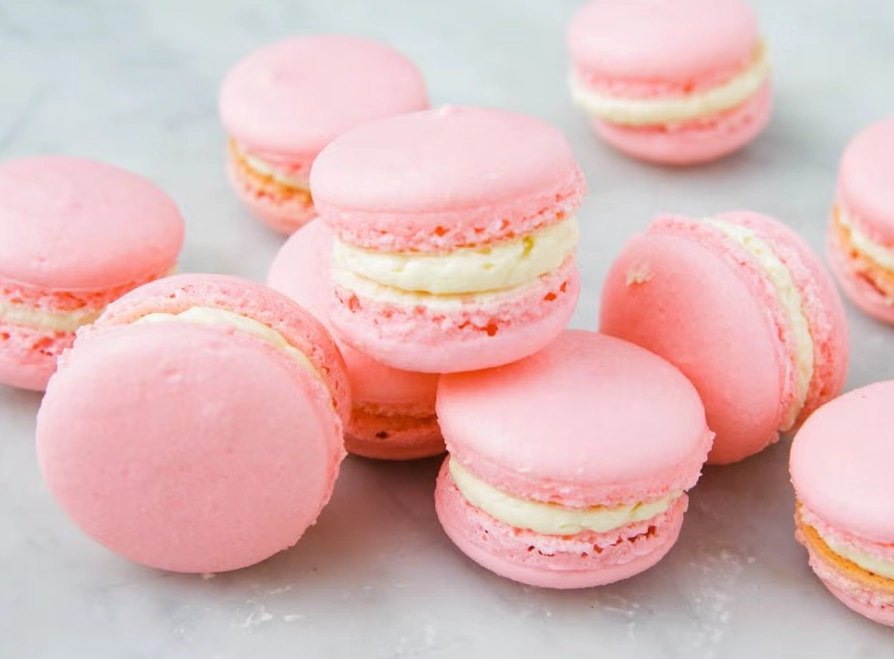
Why Most Homemade Macarons Fail (And How to Avoid It)
Macarons are finicky because they're a delicate balance of chemistry and technique. Most failures stem from three core issues that recipes often gloss over.
Humidity is your silent enemy. Egg whites are hygroscopic. On a humid day, they absorb moisture from the air, making them harder to whip to stiff peaks and leading to a runny batter. If your kitchen feels sticky, consider it a red flag. Run a dehumidifier or pick a drier day.
Over-mixing the macaronage. This is the number one mistake. That instruction to achieve "lava-like" consistency? It's vague and dangerous. Under-mix, and your batter is too thick, causing peaked tops. Over-mix by just 5-10 strokes, and the batter becomes too runny, spreading into flat, footless puddles. We'll define the exact visual cues later.
Inaccurate oven temperature. Your oven's dial is a liar. Most home ovens run hot or cold. A 25-degree difference can mean cracked shells versus perfect ones. An oven thermometer is not optional; it's the most important $10 you'll spend.
The Non-Negotiable Ingredients & Tools
You can't build a stable house with weak bricks. Here’s what you need and why specific choices matter.
Ingredients: Precision Over Substitution
| Ingredient | Weight (Grams) | Critical Notes & Brand Suggestions |
|---|---|---|
| Almond Flour | 150g | Must be super-fine. Bob's Red Mill works, but for smoother tops, I sift it twice. Avoid oily brands. |
| Powdered Sugar | 150g | Also called icing sugar. No cornstarch-free substitutes here. |
| Egg Whites | 110g (approx. 3-4 large eggs) | Age them. Separate eggs 2-3 days ahead, store whites in a sealed container in the fridge. Bring to room temperature before use. This reduces water content. |
| Granulated Sugar | 100g | Regular white sugar is fine. Caster sugar dissolves faster but isn't essential. |
| Cream of Tartar | 1/4 tsp | Stabilizes the meringue. A tiny pinch of salt can also help. |
| Gel Food Coloring | A few drops | Liquid food coloring adds water and will ruin your batter. Use gel or powder only. |
See the pattern? Everything is weighed. Volume measurements (cups) for almond flour are notoriously inconsistent. A digital kitchen scale is your best friend.
The Essential Tool Kit
A stand mixer or a very good hand mixer. Whipping egg whites by hand is a recipe for inconsistency. You'll also need:
- Silicone baking mats OR parchment paper: I prefer mats for consistent heat distribution. If using parchment, dab a bit of batter under each corner to stick it down.
- Round piping tip (Wilton 1A or Ateco 806): A large opening for uniform circles.
- Sifter/fine-mesh sieve: For combining almond flour and powdered sugar.
- Oven thermometer: I'm saying it again because it's that important.
The Step-by-Step Foolproof Process
1. Prep Work: The Foundation
Prepare your piping bag with the tip. Line baking sheets with mats or parchment. Sift the almond flour and powdered sugar together into a large bowl. Do this twice. Toss any large almond bits that won't pass through—they'll create bumpy shells. Now, measure out your aged, room-temperature egg whites. This isn't busywork; it prevents frantic scrambling later.
2. The French Meringue: Building Structure
In a scrupulously clean, grease-free mixer bowl, combine egg whites and cream of tartar. Start whipping on medium speed until frothy. Gradually add the granulated sugar, about a tablespoon at a time. Once all sugar is in, increase speed to medium-high and whip until you get stiff, glossy peaks. This means when you lift the whisk, the meringue stands straight up and doesn't droop. Add gel coloring in the last 30 seconds of whipping.
A common subtle error? Stopping at soft peaks. Your meringue should feel thick and marshmallow-like, not soft and pourable.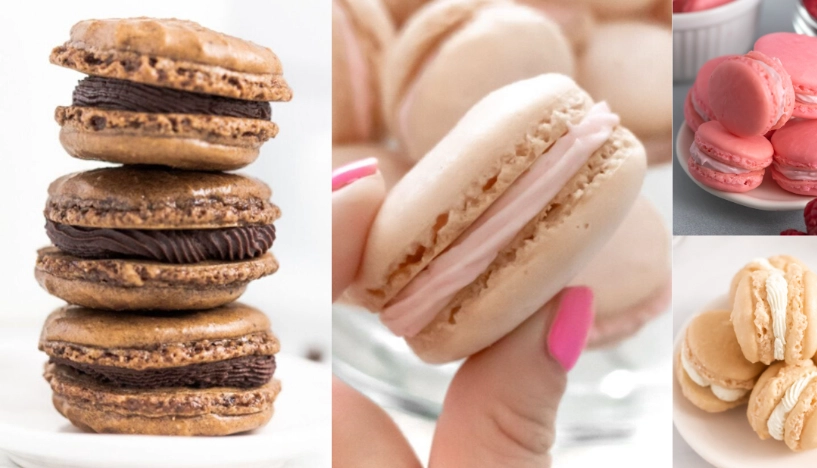
3. Macaronage: The Make-or-Break Step
Add about one-third of the sifted dry ingredients to the meringue. Fold gently with a spatula—you're just incorporating at this stage, not deflating. Add the remaining dry ingredients.
Now, the critical phase. Using a firm, sweeping motion, fold the batter against the side of the bowl. The goal is to deflate the meringue just enough. The batter is ready when it flows off your spatula in a continuous, thick ribbon that slowly dissolves back into the mass in the bowl after about 10 seconds. It should look like molten lava. Test frequently after 30 folds.
If you draw a figure-eight with the batter dripping off your spatula, the ribbon should hold its shape briefly before melting. Stop immediately once you see this.
4. Piping, Tapping, and Resting
Pipe 1.5-inch circles onto your prepared sheets. Hold the bag vertically and pipe, stopping pressure before lifting to avoid peaks. Firmly tap the baking sheet on the counter 3-4 times to release air bubbles. Use a toothpick to pop any visible bubbles on the surface.
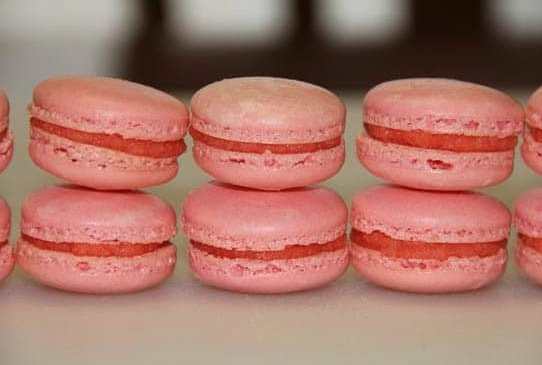
Now, let them rest. This forms the skin. They're ready when you can lightly touch the surface without any batter sticking to your finger. This can take 20-60 minutes, depending on humidity. Don't rush it. A proper skin is what forces the batter to rise upwards, creating the iconic feet.
5. Baking: Low and Slow
Preheat your oven to 300°F (150°C). Verify this with your oven thermometer. Bake one sheet at a time on the middle rack for 16-18 minutes. They're done when they don't wobble if you gently touch the top. Let them cool completely on the sheet before attempting to remove them. Trying to peel a warm macaron off the mat is a sure way to break it.
6. Filling and Maturing
Pair similar-sized shells. Fill with your choice of buttercream, ganache, or fruit curd. The final, often-skipped step? Maturation. Store filled macarons in an airtight container in the refrigerator for 24 hours. This allows the shells to absorb moisture from the filling, becoming tender and chewy throughout, eliminating any residual crunch or hollow center.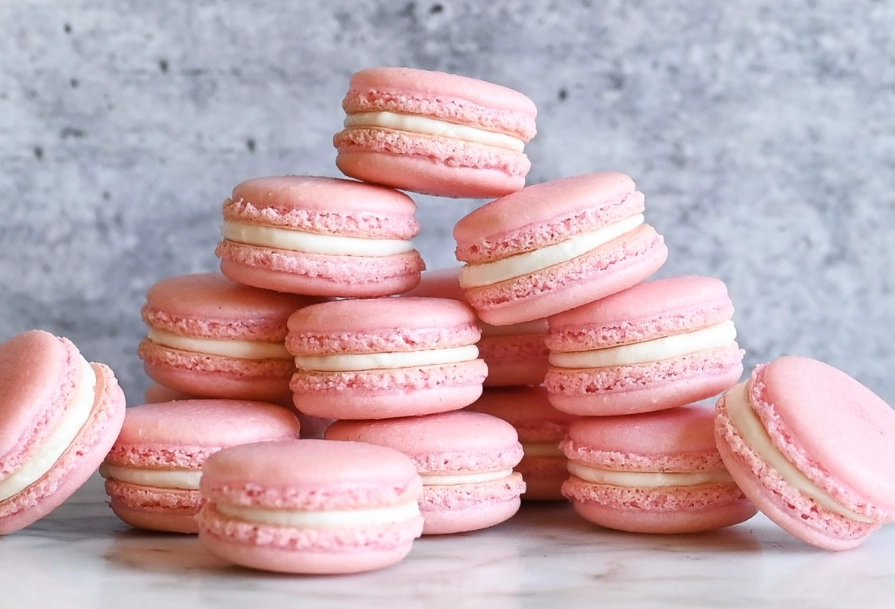
Your Macaron Troubleshooting FAQ
Next-Level Tips for Flawless Macarons
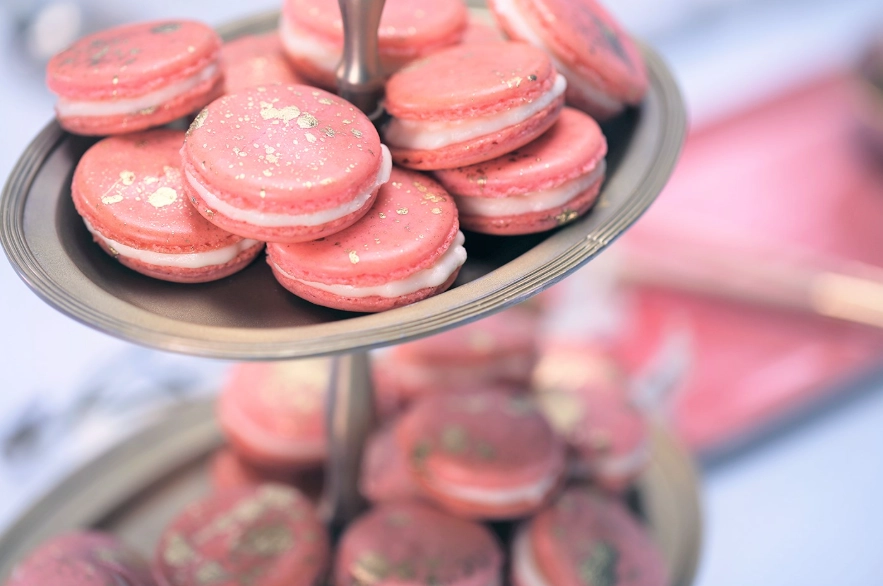 Once you've mastered the basic recipe, these pro-tweaks can elevate your results.
Consider the Italian Meringue Method. This involves making a hot sugar syrup poured into whipping egg whites. It's more technical but yields a sturdier, more forgiving meringue that's less susceptible to over-mixing and humidity. It's my go-to for professional batches.
Track your variables. Keep a simple notebook: Date, humidity level, brand of almond flour, exact resting time, oven temp from your thermometer, and result. You'll start to see patterns specific to your kitchen.
Flavor the shells subtly. Replace 5-10g of powdered sugar with sifted, freeze-dried fruit powder (like raspberry or strawberry) for natural color and flavor. For chocolate macarons, replace 15g of almond flour with 15g of unsweetened cocoa powder, sifted with the dry ingredients.
The journey to a perfect macaron is paved with a few flat, cracked, or hollow attempts. Don't get discouraged. Each batch teaches you something. Stick to this system—weigh everything, respect the meringue, master the macaronage fold, trust the skin, and verify your oven heat. Suddenly, those elusive, smooth, footed, chewy Parisian macarons will be coming out of your own kitchen.
Leave a Comment