Your Baking Journey Map
The smell of butter, sugar, and spices baking in the oven – that’s the smell of Christmas to me. It’s not really the holidays until the kitchen counter is covered in flour and the cookie tins are piling up. We all have that one recipe, maybe from a grandmother or a tattered old community cookbook, that defines the season. But have you ever stopped to wonder where these traditional Christmas cookies came from? Or why we go through the annual ritual of baking dozens of them, even when store-bought is easier? This isn't just about sweets; it's about history, family, and a little bit of kitchen magic.
I remember one year, determined to be the perfect holiday host, I tried to make Springerle. You know, those beautiful German cookies with the intricate stamped designs. Let's just say my first batch looked more like abstract blobs than the detailed scenes they were supposed to be. The dough was stubborn, the rolling pin was my enemy, and I learned a hard lesson about patience. But that's the thing about these recipes – they have a personality. They connect us to generations past in a way few other things can.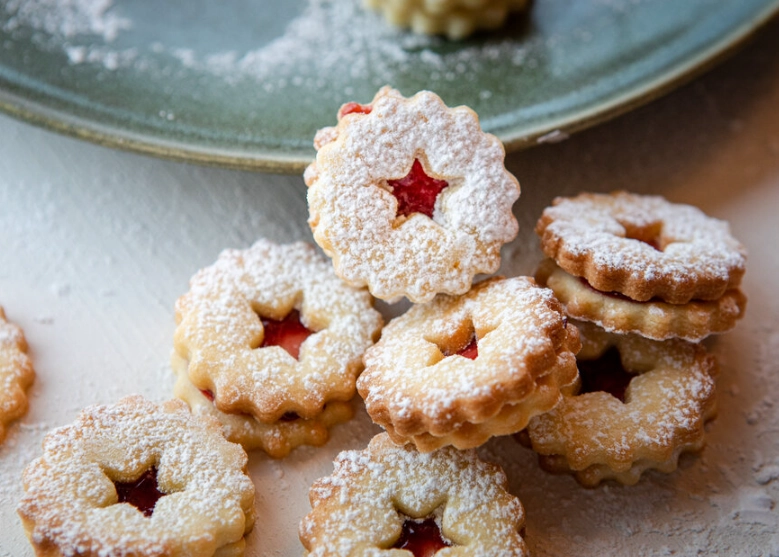
It’s fascinating to think that many of the traditional Christmas cookies we know today have roots stretching back centuries, often born from practicality. Spices like ginger, cinnamon, and nutmeg weren't just for flavor; they were used to preserve foods and mask the taste of ingredients that weren't always fresh in winter. Baking became a way to use up harvest ingredients like nuts, honey, and dried fruit before they spoiled. What started as a preservation method slowly transformed into a celebratory tradition, with each region of Europe developing its own signature treats.
The Stories Behind the Classics
You can't just throw ingredients in a bowl and call it a traditional cookie. There's a story in every bite. Take Gingerbread, for instance. This spicy, molasses-rich treat has a history that’s almost as rich as its flavor. It traveled from the Middle East to Europe, where it became a festival favorite. In Germany, the creation of elaborate gingerbread houses (Lebkuchenhäuser) is said to have been inspired by the fairy tales of the Brothers Grimm. Making gingerbread men isn't just kid's play; it's participating in a tradition that's hundreds of years old.
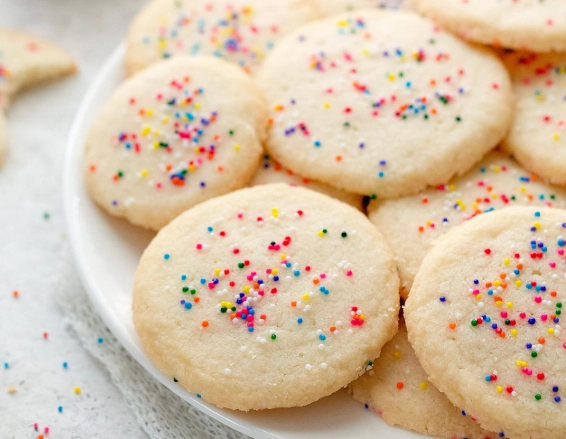
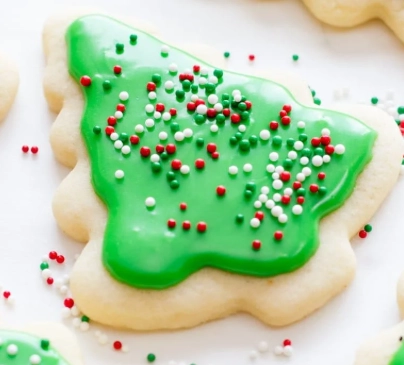
Then there's the simple Sugar Cookie. Its beauty lies in its blank canvas quality. Before fancy cutters, people used whatever they had – thimbles, glasses, knives – to shape the dough. The real fun, of course, is the decoration. Royal icing, sprinkles, sanding sugar… it’s a creativity contest on a cookie sheet. But getting that perfect roll-out dough that holds its shape? That's the real challenge every baker faces. Too much flour, and they're tough. Too little, and they're a sticky mess.
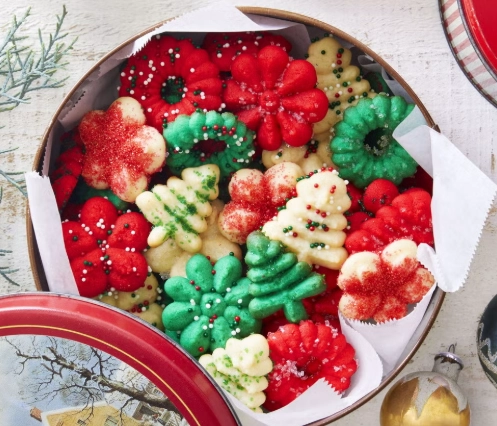
Let's talk about the workhorse of many cookie platters: the Spritz cookie. Pressed through a cookie press into whimsical shapes, these buttery morsels are a staple of Scandinavian and German holiday baking. They're deceptively simple. The dough needs to be just the right temperature – too warm and it oozes, too cold and it jams the press. When you get it right, though, they practically melt in your mouth. I have a friend from Wisconsin whose family makes hundreds of these every year. It’s their non-negotiable tradition.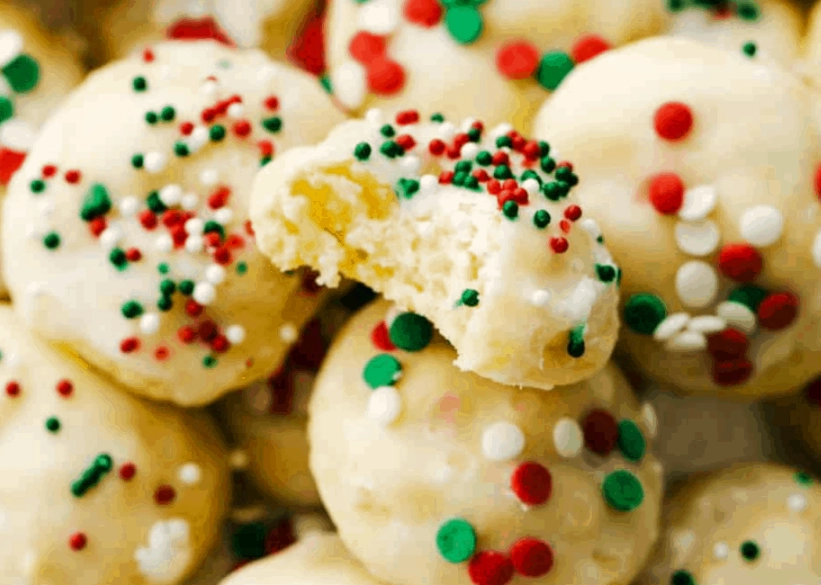
The act of baking traditional Christmas cookies is, in many ways, a form of edible storytelling. Each recipe passed down is a page from a family's history, flavored with memory and shared love.
A Tour of the Must-Have Traditional Christmas Cookies
So, what should be on your holiday baking list? If you're aiming for a truly classic spread, you'll want a mix of textures, flavors, and origins. Here’s a breakdown of the heavy hitters, the cookies that have earned their permanent spot on the festive table.
| Cookie Name | Key Characteristics | Origin/History Tidbit | Why It's a Classic |
|---|---|---|---|
| Gingerbread (Lebkuchen) | Dark, spicy, chewy or crisp, often iced. Flavored with ginger, molasses, cloves, nutmeg. | German origin, dating back to medieval monks in Nuremberg. One of the oldest known traditional Christmas cookies. | Iconic flavor of the season. Versatile (can be men, houses, or simple rounds). The spices evoke the warmth of Christmas. |
| Sugar Cookies (Cut-Outs) | Sweet, buttery, neutral canvas. Rolled and cut into shapes like stars, trees, and bells. | Evolution of simple English and Dutch butter cookies. Became popular for Christmas due to their decorative potential. | The ultimate family activity. Decorating them is as important as eating them. Appeals to all ages. |
| Spritz (Press Cookies) | Rich, buttery, tender, and melt-in-your-mouth. Formed with a cookie press into S-shapes, wreaths, etc. | Scandinavian (Swedish/Danish) and German origin. "Spritz" comes from the German word "spritzen," meaning "to squirt." | Incredibly easy to make in large batches. Distinctive look and texture that's hard to replicate with other doughs. |
| Russian Tea Cakes / Mexican Wedding Cookies | Buttery, crumbly balls loaded with nuts (usually pecans or walnuts), rolled in powdered sugar. | Multiple origin claims (Russia, Middle East, via Mexico). A global cookie with many names (Snowballs, Butterballs). | Simple, elegant, and intensely nutty. The double coat of powdered sugar gives them a festive, snowy appearance. |
| Springerle | Anise-flavored, hard, embossed cookies. The design is pressed in with a carved rolling pin or mold. | Southern German origin, dating to at least the 14th century. Originally used to teach Bible stories. | Stunning visual artistry. They are more about craft and tradition than quick eating. Meant to be hard and improve with age. |
| Pfeffernüsse | Small, round, spicy, and hard cookies. Flavored with pepper, cinnamon, cloves, anise, and often glazed. | German/Dutch. "Pepper nuts" in English. The "pepper" refers to the blend of warming spices, not just black pepper. | An intense spice bomb. Their hard texture softens over weeks in a tin, making them a perfect make-ahead cookie. |
| Thumbprint Cookies | Buttery shortbread-like base with a jam-filled indent (often raspberry or apricot). | Swedish origin (Hallongrottor). Simple peasant food that became a holiday favorite for its jewel-like appearance. | Easy for little hands to help make (the thumbprint part!). Beautiful, fruity, and buttery all at once. |
Looking at that list, you might notice a trend – a lot of these traditional Christmas cookies come from Germany and Scandinavia. That's no accident. The Christmas tree tradition itself has German roots, and the cultures that embraced the most elaborate Christmas celebrations also developed an incredible repertoire of holiday baking. Cold winters meant more time indoors, perfect for intricate kitchen projects.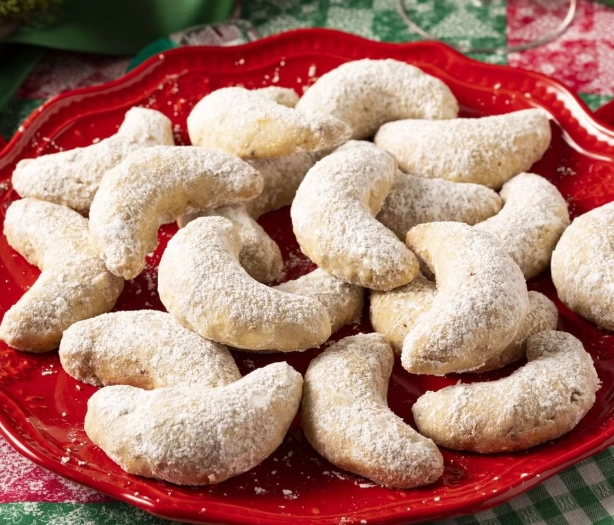
Getting It Right: Pro Tips for Your Holiday Bake-Off
Okay, you've got the recipes. Now, how do you avoid the common pitfalls that turn festive baking into a frustrating mess? I've had my share of kitchen disasters, so learn from my mistakes.
Ingredient Temperature is Everything. This is the hill I will die on. For most traditional Christmas cookie doughs, your butter needs to be at the correct temperature. For cut-out sugar cookies and spritz, you usually want it cool but pliable (what bakers call "room temperature" – about 65-67°F). If it's too soft and greasy, your cookies will spread into sad, flat blobs. For shortbread-style cookies, some recipes even call for cold butter. Read the recipe first!
Chilling the dough isn't a suggestion; it's a commandment. I know, I know, you want to bake right away. But that hour (or overnight) in the fridge does wonders. It re-solidifies the butter, relaxes the gluten, and makes rolling or pressing so much easier. Trying to roll warm sugar cookie dough is like trying to roll out sticky bubblegum. Just walk away and have some eggnog.
My Rolling Pin Trick: Instead of flouring your surface and rolling pin (which can dry out the dough), roll your dough between two sheets of parchment paper. Zero sticking, zero added flour. Life-changing for cut-out cookies.
Baking sheets matter. Don't use dark, non-stick pans if you can help it – they brown the bottoms too fast. Shiny aluminum or light-colored pans are best. And for the love of all that is holy, let your baking sheets cool between batches. Plopping dough onto a hot sheet is the fastest way to guarantee spreading. I keep three sheets in rotation to keep things moving.
Storage is key. Nothing is sadder than a stale cookie. Different types need different homes. Soft, chewy cookies like gingerbread do well in an airtight container with a slice of bread (the bread gets stale, the cookies stay soft). Crisp cookies like Springerle need to be kept completely dry. I use separate tins for different types. A layer of wax or parchment paper between layers prevents sticking and breakage.
The Cultural Tapestry of Christmas Cookies
It's amazing how a simple baked good can tell you so much about a place. When you bake a batch of traditional Christmas cookies, you're not just following a recipe; you're touching a piece of cultural heritage.
In Italy, you'll find Panforte di Siena, a dense, chewy confection of nuts, fruit, and spices that's more candy than cookie, but holds a sacred spot on the holiday table. It dates back to the 13th century! Or the delicate, lace-like Pizzelle, pressed in a hot iron that imprints a snowflake pattern. I was gifted a pizzelle iron years ago, and the first time I used it, I burned my fingers and made a dozen oddly shaped ones. Practice makes perfect, and now they're a holiday request.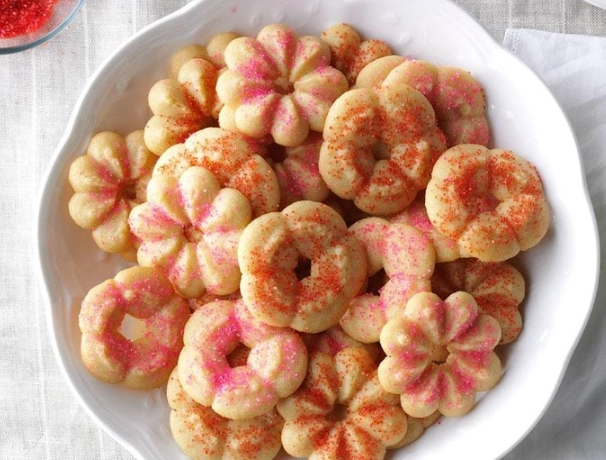
Head to Norway, and you must try Krumkake. These delicate, cone-shaped wafers are made on a special patterned iron and often filled with whipped cream. They are finicky, requiring a quick hand to roll them while they're still hot. My Norwegian friend says her grandmother could roll them faster than anyone could eat them.
In Poland, there's Kolaczki, a flaky pastry square filled with jam or sweet cheese. They're buttery and not too sweet, a perfect counterpoint to the sugar bombs. What's fascinating is how immigration brought these traditions to America. The cookie platter at a typical American holiday party is a delicious map of European ancestry.
Answering Your Burning Cookie Questions
Let's tackle some of the things people really want to know when they dive into baking traditional Christmas cookies.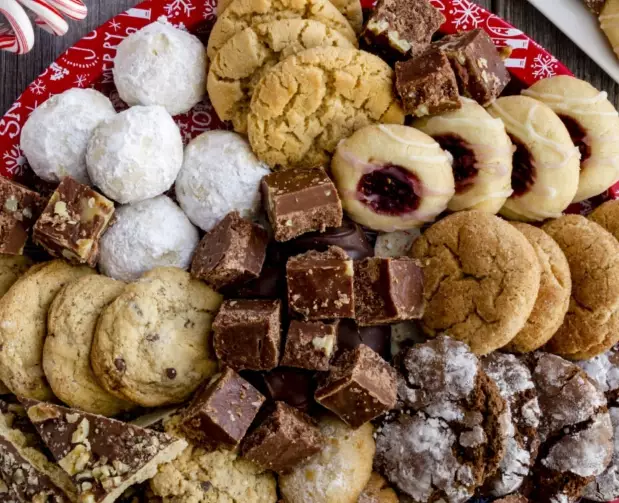
Beyond the Recipe: Making It Your Own
Here's the beautiful part about tradition – it's not a museum piece. It's meant to be lived in and adapted. The classic recipes for traditional Christmas cookies are a starting point.
Maybe you add a pinch of cardamom to your sugar cookies (a Swedish influence). Or dip half a Russian tea cake in dark chocolate. Perhaps you use local honey instead of some of the sugar. My own twist? I add a tiny bit of black pepper to my gingerbread dough along with the other spices. It doesn't make it "hot," but it adds a wonderful, subtle warmth that people can't quite place. It keeps them guessing.
Involve your family. Let kids cut the shapes, press the thumbprints, or (carefully) operate the cookie press. The mess is part of the memory. The slightly lopsided Santa cookie decorated with a pound of red sprinkles will be remembered long after the perfect ones are eaten.
And don't be afraid to scale down. You don't need to make twelve kinds. Pick one or two traditional Christmas cookies that speak to you and master them. The goal isn't exhaustion; it's joy. A single, beautifully made batch of spritz cookies shared with neighbors can be more meaningful than a stressed-out week of baking ten different kinds.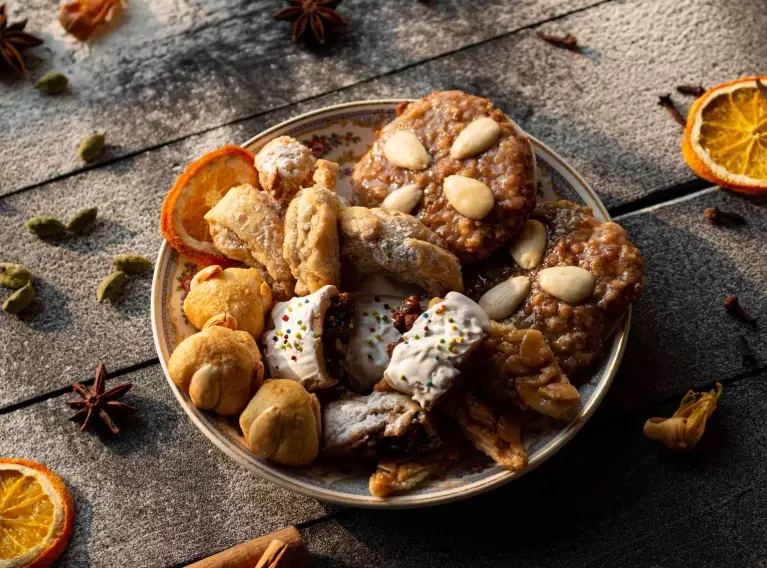
The true spirit of these traditional Christmas cookies isn't captured in a perfectly iced snowman. It's found in the flour on your nose, the shared laughter in a warm kitchen, and the act of giving something made by your own hands.
So this year, pull out that old recipe card. Embrace the history in your mixing bowl. And remember, even if your Springerle don't look like the picture, or your first gingerbread house needs architectural support, you're part of a story that's been baking for centuries. And that's a pretty sweet tradition to be a part of.
Leave a Comment