Key Takeaways
Let's be real. When you first got your air fryer, you probably wanted to throw everything in there. I know I did. Frozen pizza? Sure. Leftover pasta? Why not. It felt like a magic box that made everything crispy. But then... the smoke alarm went off. Or you opened the basket to find a soggy, sad mess where crispy fries were supposed to be.
That's the moment you start asking the real question: what should not be cooked in the airfryer?
It's not about being a buzzkill. It's about safety, avoiding a massive cleanup job, and honestly, saving your food from a terrible fate. This isn't just a list of "don'ts." We're going to dig into the why behind each one. What is it about the air fryer's cooking method—that super-concentrated, circulating hot air—that makes certain foods a disaster waiting to happen?
I've made most of these mistakes so you don't have to. Trust me, scraping melted cheese off the heating element is no one's idea of a fun Tuesday night.
Why Some Foods Fail in the Air Fryer (The Science Bit, Made Simple)
Before we get to the list, understanding the "why" helps you make smarter choices for everything else. An air fryer is basically a powerful, focused convection oven. A fan blasts super-hot air around the food at high speed. This is great for creating a Maillard reaction (that's the fancy term for browning and crisping) on the surface of food.
The Science of Hot Air Circulation
That intense air current is the key to its success and its limitations. Foods with high water content on the surface will steam instead of crisp. Very lightweight items will get thrown around and burn. And anything that traps steam inside without a way to escape... well, that's how you get explosions.
The USDA emphasizes the importance of even cooking for food safety, and the air fryer's method can sometimes work against that for certain items, creating hot and cold spots in foods that need uniform heat.
So, when we talk about what should not be cooked in the air fryer, we're really identifying foods that fight against these core principles.
The Definitive List: What to Keep Out of That Basket
Here’s the main event. These are the categories and specific foods that consistently cause problems. I've broken them down by the type of disaster they cause.
Category 1: The Fire Hazards & Major Mess Makers
These are the big ones. The foods that can actually damage your appliance, set off smoke detectors, or worse.
Wet Batters (Fish & Chip Shop Style, Onion Ring Batter, Tempura): This is probably the number one mistake people make. That beautiful, liquidy batter you dip fish or onion rings into? The air fryer's fan will blow it right off the food before it can set. You'll end up with a bare piece of fish or onion sitting in a puddle of baked-on batter sludge at the bottom of the basket. It's a nightmare to clean and a total waste of food. If you want air fryer "fried" fish, you need to use a dry coating like panko breadcrumbs or a spritz of oil on a pre-battered frozen product.
Fresh Greens (Spinach, Kale, Lettuce): Think about what happens to a leaf in a strong wind. Now imagine that wind is 400°F. Leafy greens are so light that the air current will blow them around violently, plastering them against the heating element where they will instantly incinerate. You'll get smoke, a burning smell, and a basket of ash. Not exactly a salad.
Whole Grains (Popcorn Kernels, Rice): This is a straight-up safety issue. Popcorn kernels need to be surrounded by hot oil to pop evenly. In an air fryer, the hot air will pop a few kernels violently, and those popped kernels can easily be blown into the heating element or the fan, causing a fire hazard. Dry rice? It will just blow around and burn.
Cheese (By Itself): Trying to melt a slice of cheese directly on the basket or tray seems like a good idea for a quick crispy snack. It's not. The cheese melts rapidly, drips through the basket, and hits the hot element below, where it instantly carbonizes into a hard, smelly, nearly impossible-to-remove mess. It can also cause a lot of smoke.
Category 2: The Texture Disasters & Culinary Letdowns
These foods might not start a fire, but they'll turn out so badly you'll wish you used a different method. This is a key part of understanding what should not be cooked in the air fryer for quality reasons.
Creamy Sauces or Soups (Pasta Alfredo, Stew, Chili): Anything liquid or semi-liquid. The air fryer is designed to remove moisture from the surface of food. If the food itself is mostly liquid, you'll just end up with a reduced, possibly splattered, mess. The sauce will dry out on top while possibly remaining cold underneath, and you risk sauce dripping down and causing smoke. A conventional oven or stovetop is the right tool here.
Soft-Boiled Eggs (or Any Egg in Its Shell): This is the classic "air fryer egg explosion" story you hear about. As the egg heats up, steam builds up inside the shell with no way to escape. Eventually, pressure wins, and the egg explodes. It's loud, scary, and leaves you with a basket that looks like a modern art project made of egg shrapnel and cooked yolk. Hard-boiling can work if you pierce the shell (like with an egg piercer) to create a vent, but it's finicky and often not worth the risk compared to boiling water.
Large, Whole Roasts (Whole Chicken, Pot Roast): While you can cook chicken breasts or thighs beautifully, a whole chicken is problematic. The intense, direct heat will likely overcook and dry out the outside (breast) long before the inside (thighs) reaches a safe temperature. According to food safety guidelines from sources like the USDA, poultry must reach a consistent internal temperature of 165°F. An air fryer's small cavity and aggressive heating make it hard to achieve this evenly on a large, dense item without the exterior turning to leather. A traditional oven or a dedicated rotisserie appliance is better suited.
Anything with a Loose, Dry Coating (Plain Breadcrumbs, Flour): That fan is powerful. If you dredge something in just flour or fine, dry breadcrumbs, the air current will blow a good portion of that coating right off before it has a chance to adhere and crisp. You need a binder like egg or a spritz of oil to help it stick.
Category 3: The Surprising "Maybe Nots"
Some foods are commonly attempted, with mixed and often disappointing results.
Broccoli or Green Beans (Without Enough Oil): You can do these, but it's easy to go wrong. If you toss them in completely dry, the hot air can desiccate them too quickly, leaving you with tough, shriveled, and bitter veggies instead of tender-crisp ones. A light coating of oil is non-negotiable for good results.
Frozen Burgers (From Scratch): A frozen, hand-formed patty straight from your freezer? The outside will cook and potentially burn while the inside remains a frozen, gray lump. The air fryer struggles to transfer heat efficiently through a thick, frozen, dense mass of meat. Thaw it first, or cook frozen pre-made patties that are designed for quick cooking.
So, to summarize the core question of what should not be cooked in the air fryer, it's about respecting the machine's design. It excels at removing surface moisture to create crispiness. It fails with free-flowing liquids, flying lightweight items, and sealed packages of steam.
The Quick-Reference "No-Fly" Zone Table
Here's a cheat sheet. Keep this in mind before you start experimenting.
| Food Item | Why It's a Problem | What Happens | Better Alternative |
|---|---|---|---|
| Wet Batter (e.g., for fish) | Fan blows liquid off before it sets. | Messy sludge, uneven coating, hard cleanup. | Use dry coatings (panko, seasoned flour) or cook pre-battered frozen items. |
| Leafy Greens (spinach) | Extremely lightweight. | Blows into heating element, burns instantly, causes smoke. | Sauté on stove or eat fresh. |
| Popcorn Kernels | Needs oil to pop evenly; fire hazard. | Violent, uneven pops; kernels can ignite in fan/heating element. | Stovetop or microwave popcorn. |
| Loose Cheese Slices | Melts and drips rapidly. | Drips onto heating element, burns, smokes, creates cement-like mess. | Melt cheese on top of other foods (burgers, potatoes) in the air fryer. |
| Cream-Based Soups/Sauces | Air fryer removes moisture, food is mostly liquid. | Sauce reduces/splatters, dries on top, may not heat evenly. | Stovetop or conventional oven. |
| Eggs in Shell | Traps steam with no vent. | Explosion. Messy, dangerous, difficult cleanup. | Boil in water (pierce shell if attempting in air fryer). |
| Large Whole Roast Chicken | Uneven heating in small cavity. | Breast dries out before thighs cook through. | Traditional oven, slow cooker, or dedicated rotisserie. |
But Wait, I've Seen People Cook That Online!
You're right. The internet is full of "hacks." Let's address a few common points of confusion.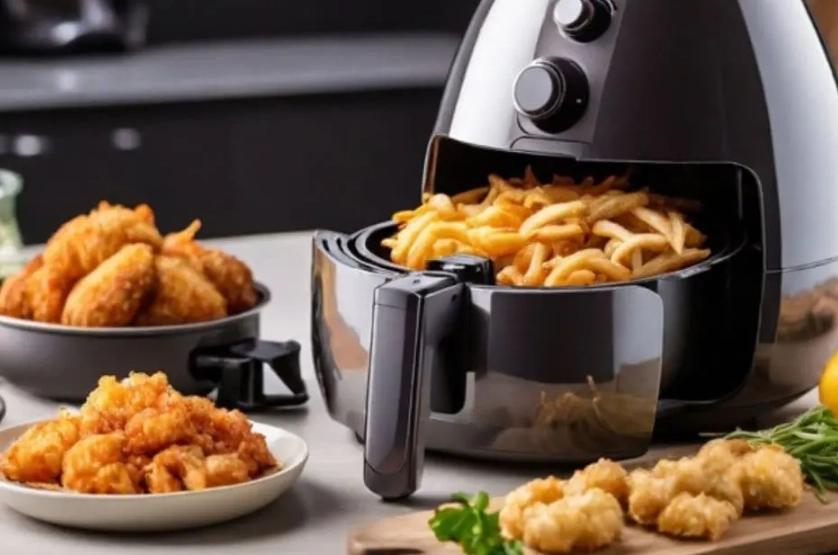
"Can't I just put a bowl of soup in there?" Technically, you can put an oven-safe bowl in most air fryers. But why? You're using a device designed for rapid air circulation to heat a stationary liquid. It's inefficient. The top might get a weird skin, and it will take much longer than a microwave or pot. It's using a screwdriver as a hammer.
"My friend air-fries broccoli and it's great!" Absolutely! As mentioned, broccoli can work if you do it right. Toss it in a bit of oil, salt, and maybe some garlic powder. The oil helps it cook and caramelize instead of just wither. The key is that it's not a zero-oil process for most veggies if you want good texture.
"What about bacon?" Bacon is a famous air fryer success story because it's fatty. The fat renders and the meat crisps up. But even here, the high heat can cause significant splattering. Lining the bottom of your air fryer with a bit of foil or water (if your model allows) can help manage the grease mess. Consumer Reports notes that while air fryers can cook bacon with less mess than a skillet, managing grease is still a key consideration.
The line between a "hack" and a "mistake" often comes down to preparation and managing the food's interaction with the hot air. A light coating of oil, using a pan or parchment, or choosing the right form of the ingredient makes all the difference.
So, What SHOULD You Cook? The Flip Side.
Knowing what should not be cooked in the air fryer makes you appreciate what it does brilliantly. This machine is a superstar for:
- Frozen, Pre-Breaded Foods: Fries, chicken nuggets, mozzarella sticks, fish sticks. These are designed to crisp up with dry heat.
- Veggies (with oil): Brussels sprouts, potato chunks, asparagus, carrot fries. They get caramelized and tender inside.
- Proteins with Skin or Fat: Chicken wings (the ultimate), salmon fillets, sausages, pork chops. The fat renders, the skin crisps perfectly.
- Reheating Leftovers: Reviving pizza, french fries, or fried chicken without making it soggy.
- Small Batch Baking: From-scratch fries, roasted chickpeas, even small desserts like baked apples or mug cake in a ramekin.
Your Burning Questions, Answered
Can I cook raw pasta in the air fryer?
No. Pasta needs to be submerged in boiling water to hydrate and cook properly. The air fryer will just give you hard, dried-out, possibly burned pasta bits. Cook pasta in water, then you can finish it in the air fryer with sauce and cheese for a crispy pasta bake effect.
What about toast?
You can, but a toaster is faster and more energy-efficient for a couple of slices. The air fryer is great for toasting a bun or a thick slice of artisan bread, especially if you want to melt cheese on top afterwards. But for daily toast? Use a toaster.
Is it safe to cook steak in the air fryer?
Yes, you can cook a steak, especially a thinner cut. It will give you a nice sear, but it won't replicate the intense crust of a cast-iron skillet or grill due to the lack of direct contact with a super-hot surface. It's a good method for a lean cut like filet mignon where you want controlled, even cooking more than a charred crust.
Can I bake a cake or cookies?
You can bake small cakes (in a pan that fits) or a few cookies. The results can be good! But it's a small convection oven, so baking times and temperatures might need adjustment from traditional oven recipes. And you can only make small batches.
The theme here? The air fryer is a fantastic supplemental appliance. It's not a replacement for your stove, oven, microwave, or toaster. It excels at specific tasks.
Final Thoughts: Listen to Your Appliance
Figuring out what should not be cooked in the air fryer is part of becoming friends with it. It's a powerful tool with a specific purpose. When you use it for the right jobs—making things crispy, cooking small batches of fatty or pre-breaded foods, reheating without sogginess—it feels like a miracle.
When you try to force it to do everything, it fights back. With smoke, with mess, with disappointing food.
Remember, the goal is to make cooking easier and your food tastier. Sticking to the strengths of your appliance is the fastest way to get there. Now go make some perfectly crispy fries. You've earned them.

Leave a Comment