Quick Navigation
- Why Your Go-To Banana Bread Recipe Probably Isn't That Healthy
- The 5 Non-Negotiable Principles of a Truly Healthy Banana Bread
- The Ultimate Healthy Banana Bread Recipe: Ingredient Deep Dive
- Step-by-Step: How to Make This Easy Healthy Banana Bread
- How This Healthy Banana Bread Stacks Up: A Nutrition Comparison
- Customizing Your Loaf: FAQs & Expert Tweaks
- The Taste & Texture: What to Really Expect
I have a confession. For years, my banana bread was a sugar bomb disguised as a wholesome snack. You know the type – dense, overly sweet, and the kind that leaves you wanting a nap twenty minutes later. It was good, sure, but it didn't make me feel good. I wanted a healthy banana bread recipe that was actually healthy, not just a marginally less-bad version of the classic. Something I could eat for breakfast without a side of guilt, or enjoy as an afternoon pick-me-up that wouldn't cause a crash.
The journey was... messy. I've created loaves that could double as doorstops, loaves that were so crumbly they turned into banana bread cereal, and loaves that my kids politely refused to touch. But through all that trial and error (and a lot of overripe bananas), I finally cracked the code. This isn't just a recipe; it's a blueprint for creating a moist, satisfying, and genuinely nutritious banana bread every single time. Let's get into it.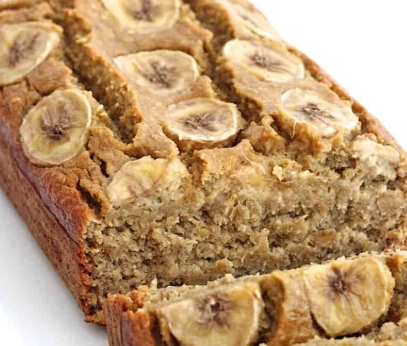
The Core Idea: A truly healthy banana bread recipe swaps out refined ingredients for whole food alternatives without sacrificing the texture and flavor we all crave. It's about addition, not just subtraction.
Why Your Go-To Banana Bread Recipe Probably Isn't That Healthy
Let's be real. Most classic recipes are loaded with refined white flour and a staggering amount of white or brown sugar. A standard loaf can easily pack over a cup of sugar. That's not a snack; that's dessert. Then there's the oil or butter – often in large quantities. While fat isn't the enemy, the type and purpose matter. The result is a high-glycemic, nutritionally sparse treat. My goal was to flip that script, creating a bread where the bananas are the star, not just a moistening agent for a cake-like loaf.
I wanted fiber, protein, and healthy fats to be built into the recipe's DNA.
The 5 Non-Negotiable Principles of a Truly Healthy Banana Bread
Before we look at the ingredients list, these are the rules I live by now. They transformed my baking.
- Bananas are Your First Sweetener. Use seriously spotty, black bananas. The riper they are, the more natural sweetness they provide, meaning you can drastically cut back on added sugars.
- Ditch the Refined Flour. White flour offers little beyond empty carbs. Swapping in whole grain or nut flours adds fiber, nutrients, and a deeper, more satisfying flavor.
- Re-think the Sugar. If you're adding sugar beyond the bananas, it should be unrefined. Think maple syrup, honey, or coconut sugar. They bring minerals and a more complex taste.
- Upgrade the Fat. Swap out refined vegetable oils for healthier fats like melted coconut oil, extra virgin olive oil, or even Greek yogurt for added protein.
- Add a Nutritional Boost. This is where you have fun. Stir in seeds, nuts, or even a scoop of protein powder to turn a snack into sustained energy.
The Ultimate Healthy Banana Bread Recipe: Ingredient Deep Dive
Here’s the master list. I'll explain the "why" behind each choice, because knowing that lets you adapt and make it your own.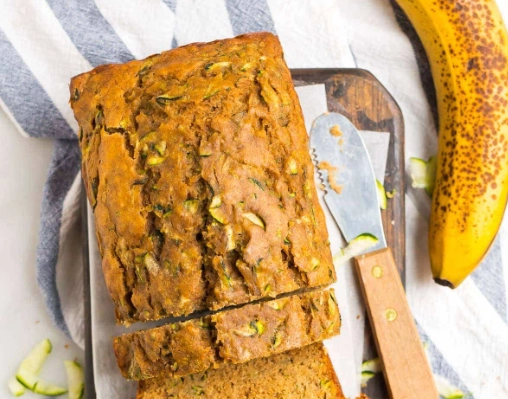
The Wet Team
- 3-4 Very Ripe Bananas (about 1.5 cups mashed): The foundation. They provide sweetness, moisture, and binding. Don't be shy with the brown spots!
- 1/3 Cup Melted Coconut Oil or Extra Virgin Olive Oil: Coconut oil gives a subtle tropical note and creates a lovely crumb. A mild extra virgin olive oil is my secret favorite—it adds incredible moisture and a fruity depth you wouldn't expect. Trust me on this one.
- 1/3 Cup Pure Maple Syrup or Raw Honey: This is our primary added sweetener. It's unrefined, liquid (which helps with moisture), and flavorful. Compared to a cup of sugar, this is a massive reduction.
- 2 Large Eggs: For structure and protein. For a vegan version, I've had good results with flax eggs, but the texture is slightly denser.
- 1 Teaspoon Pure Vanilla Extract: Non-negotiable for flavor depth.
- 1/4 Cup Milk of Choice (or Greek Yogurt): I usually use unsweetened almond milk. Greek yogurt makes it even more tender and packs in protein.
The Dry Team
- 2 Cups White Whole Wheat Flour: My top choice. It has all the nutrition of whole wheat but a lighter taste and texture closer to all-purpose. You can use regular whole wheat pastry flour, or for a gluten-free option, a good all-purpose GF blend works well.
- 1 Teaspoon Baking Soda (not powder!): With the acidity from the bananas, baking soda is the right leavener. It gives a good rise.
- 1/2 Teaspoon Fine Sea Salt: Balances and enhances all the flavors.
- 1 Teaspoon Ground Cinnamon: The perfect spice companion for banana.
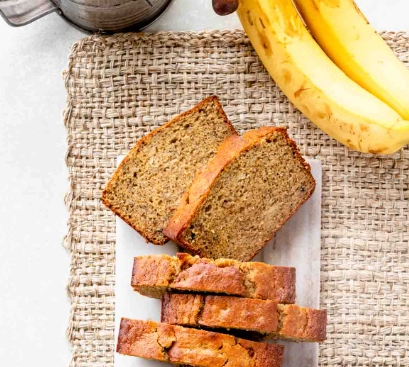
The Mix-Ins (Choose Your Adventure)
- Classic: 1/2 cup chopped walnuts or pecans.
- Chocolate Lover: 1/2 cup dark chocolate chips (70% cacao or higher).
- Superfood Boost: 1/4 cup chia seeds or hemp hearts.
- Blueberry Bliss: 1 cup fresh or frozen blueberries (toss in a bit of flour to prevent sinking).
Step-by-Step: How to Make This Easy Healthy Banana Bread
This process is simple, but a few tips make all the difference.
Prep: Heat your oven to 350°F (175°C). Grease a 9x5 inch loaf pan. I like to line it with parchment paper for foolproof removal.
Step 1: The Banana Mash. In a large bowl, peel and mash your bananas with a fork until mostly smooth, but a few small lumps are totally fine. This is therapeutic, I find.
Step 2: Combine the Wet. To the bananas, whisk in the melted (and slightly cooled) oil, maple syrup, eggs, vanilla, and milk or yogurt. Whisk until it's well blended and looks like a loose, lumpy batter.
Step 3: Combine the Dry. In a separate bowl, whisk together the flour, baking soda, salt, and cinnamon. This ensures the leavener is evenly distributed, which is key for an even rise.
Step 4: The Merge. Add the dry ingredients to the wet ingredients. Now, here's the crucial part: fold gently with a spatula until just combined. A few streaks of flour are okay. Overmixing is the #1 cause of tough, rubbery banana bread. You want to stop the moment you no longer see dry flour.
Step 5: Fold in Your Mix-Ins. Gently stir in your nuts, chocolate, or whatever you're using.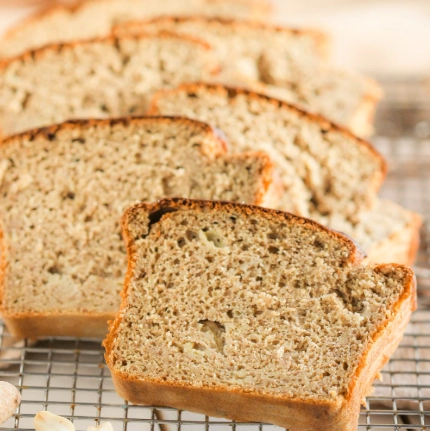
Step 6: Bake. Pour the batter into your prepared loaf pan and smooth the top. You can sprinkle a few extra nuts or seeds on top for looks. Bake for 50-65 minutes. Yes, that's a big window. Ovens vary wildly. Start checking at 50 minutes. It's done when a toothpick inserted into the very center comes out clean or with just a few moist crumbs (no wet batter). The top will be a deep golden brown.
Step 7: The Patience Test. This is hard. Let the loaf cool in the pan on a wire rack for at least 30 minutes. Then, run a knife around the edges and carefully lift it out using the parchment paper. Let it cool completely on the rack before slicing. I know, I know. But slicing into hot banana bread makes it gummy. The wait is worth it for the perfect texture.
My Biggest Mistake (So You Don't Make It): I used to bake this in a glass loaf pan at the same temp and time. It always took longer and the bottom sometimes over-browned before the center was done. If you're using glass, consider reducing the oven temperature by 25°F and adding 5-10 minutes to the bake time. Dark metal pans are the most efficient.
How This Healthy Banana Bread Stacks Up: A Nutrition Comparison
Let's talk numbers. I'm not a fan of obsession, but context helps. This is an illustrative comparison per average slice, based on common recipes.
| Ingredient/Nutrient | Classic Recipe | This Healthy Banana Bread Recipe | Why It Matters |
|---|---|---|---|
| Primary Flour | All-Purpose (Refined) | White Whole Wheat (Whole Grain) | Whole grains provide more fiber, which aids digestion and helps you feel fuller longer. The USDA's MyPlate guidelines recommend making at least half your grains whole. |
| Primary Sweetener | 1 Cup White Sugar | 1/3 Cup Maple Syrup + Bananas | Dramatically reduces added sugar. Maple syrup contains antioxidants and minerals like manganese and zinc. The American Heart Association recommends limiting added sugars, and this swap makes a huge difference. You can read more about the impacts of added sugar from sources like the Harvard T.H. Chan School of Public Health. |
| Primary Fat | 1/2 Cup Vegetable Oil | 1/3 Cup Coconut/Olive Oil | Coconut oil contains MCTs, and olive oil is rich in heart-healthy monounsaturated fats. Both are less processed than many vegetable oils. |
| Fiber (approx.) | ~1g | ~3-4g | That's 3-4x more fiber per slice, supporting gut health and blood sugar stability. |
See? It's not about being low-fat or low-carb in an extreme way. It's about making smarter, more nutrient-dense choices that add up.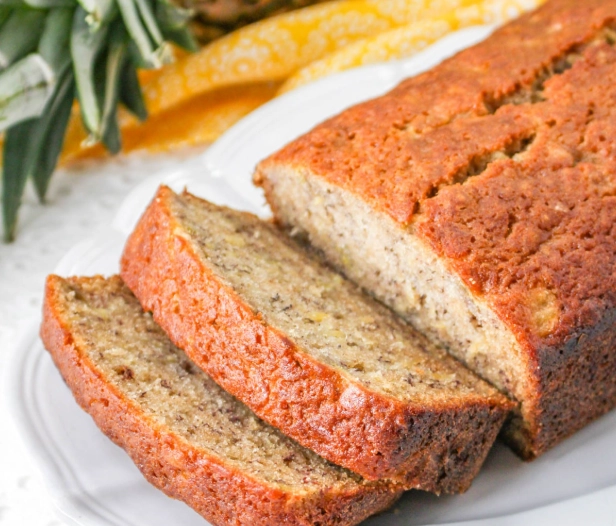
Customizing Your Loaf: FAQs & Expert Tweaks
I get a lot of questions. Here are the most common ones, straight from my kitchen.
Can I make this banana bread recipe gluten-free?
Absolutely. Swap the whole wheat flour for a good quality 1:1 gluten-free all-purpose flour blend. Brands like Bob's Red Mill or King Arthur work reliably. Don't use a single flour like almond or coconut flour here—they behave very differently and will need a complete recipe rewrite.
My bananas aren't ripe enough! Help!
Emergency ripening trick: place your yellow bananas on a baking sheet and bake in a 300°F oven for 15-20 minutes, until the skins are black and they're soft. Let them cool, then use. It works surprisingly well in a pinch.
Why did my loaf sink in the middle?
Usually, it's one of three things: 1) Too much banana (makes it too heavy), 2) The baking soda is old (it loses potency), or 3) It was underbaked. The toothpick test in the *center* is your best friend.
Can I reduce the sweetness even more?
You can. Try using only 1/4 cup of maple syrup. The bananas will carry more of the load. Just know the crust won't be as dark or caramelized, and the texture might be a tad less tender.
How do I store it to keep it moist?
Once completely cool, wrap the whole loaf or individual slices tightly in beeswax wrap or plastic wrap. It stays moist on the counter for 2 days. For longer, refrigerate for up to a week, or freeze for up to 3 months. I often slice the whole loaf and freeze the slices individually—then I can pop one straight into the toaster.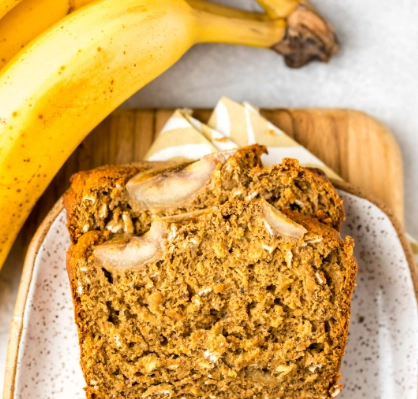
The Taste & Texture: What to Really Expect
Let's manage expectations. This is not a light, fluffy, cake-like banana bread. That style relies on loads of sugar and refined flour. What you get with this best banana bread recipe healthy version is something more substantial, moist, and richly flavored. The crumb is tender but has a pleasing heartiness to it. The taste is deeply of banana and cinnamon, with a caramel hint from the maple syrup. It's less sweet, but in a way that makes you taste the actual ingredients. My kids, who are used to super-sweet things, now prefer this version. They say the other kind is "too much."
It's the difference between eating a sugary cereal bar and a bowl of hearty oatmeal with fruit. One is a fleeting rush, the other is sustained satisfaction.
So, give it a try. Embrace the spotty bananas, enjoy the process, and get ready for a new staple in your kitchen. This healthy banana bread recipe has earned a permanent spot in my rotation, and I have a feeling it might in yours, too.
Leave a Comment